


Cream Cultured Pearls
When you search for cream cultured pearls, you are looking at fine necklaces, bracelets, and rings set with lustrous gems.
Cream Cultured Pearls
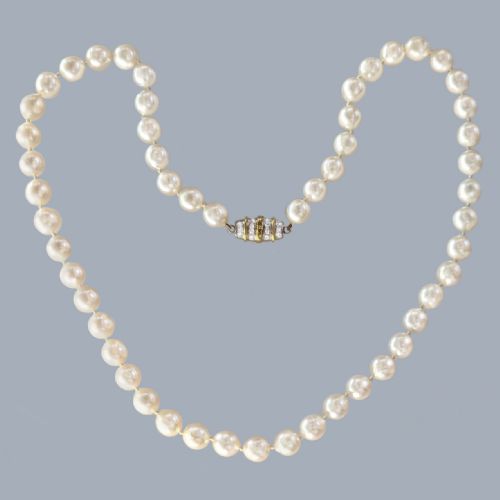
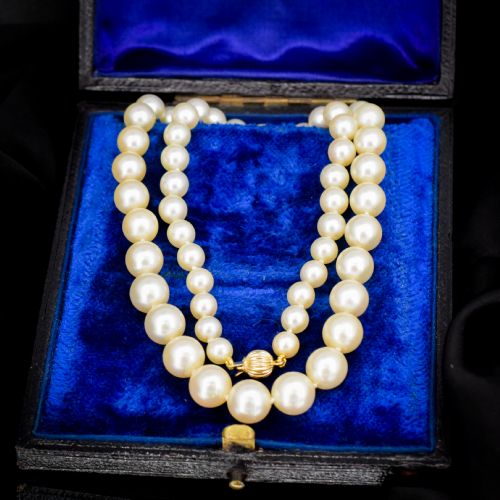
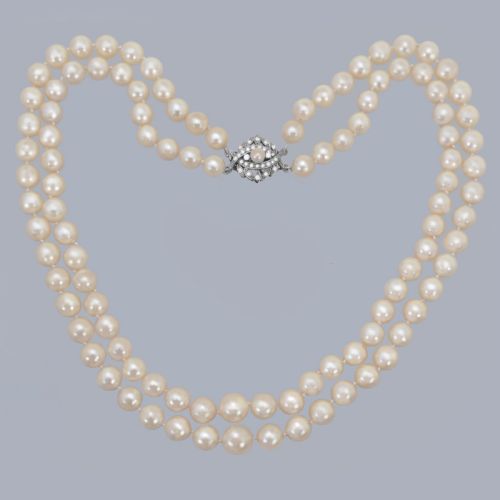
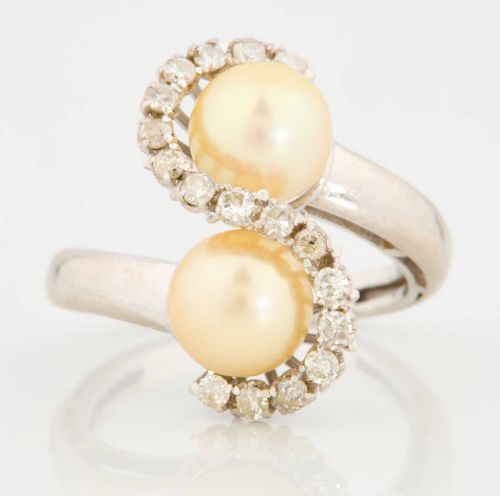
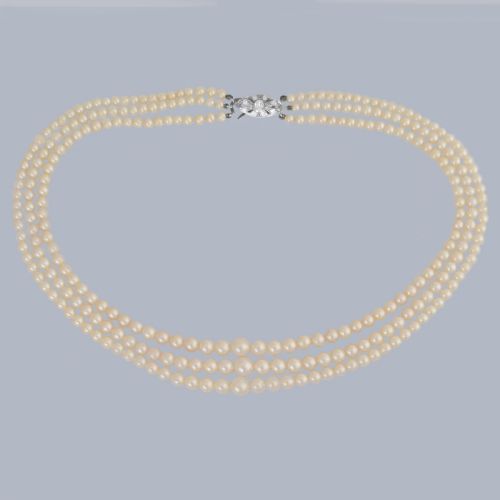
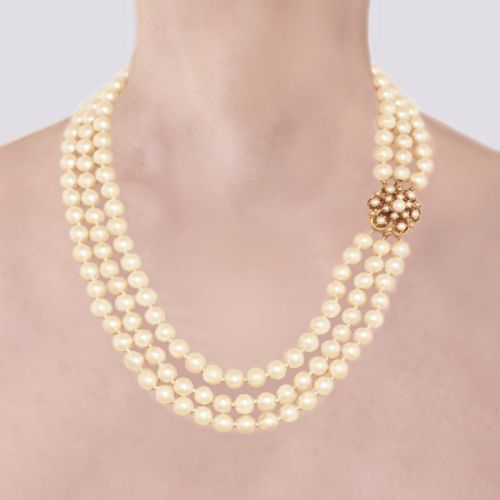
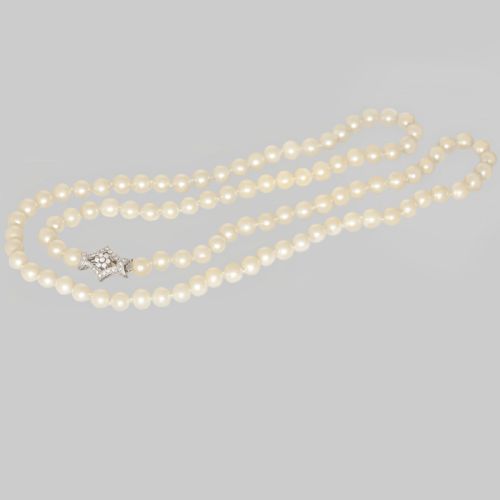
Cream cultured pearls are primarily found in necklaces, bracelets, and occasional cocktail rings spanning the nineteenth century through the mid-twentieth century. A buyer searching this phrase is most likely to meet multi-strand necklaces featuring elaborate clasps set with precious stones.
The pieces originating from the 1920s and 1930s often present geometric Art Deco design influences, while creations from the 1950s and 1960s lean into mid-century fine jewellery styles. Single, double, and triple strands dominate the forms currently available on the market.
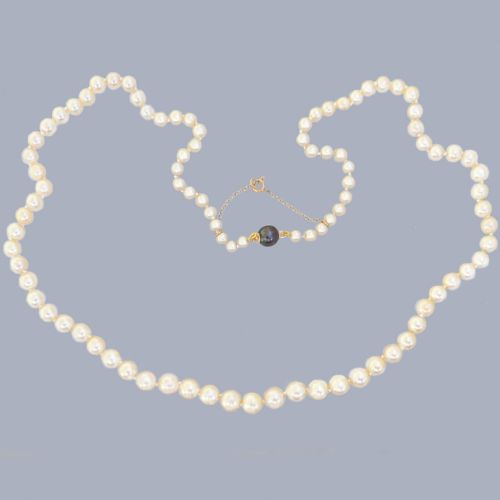
Originating largely from the mid-century decades, these items frequently incorporate secure hand-knotted threading. The aesthetic centres on the soft lustre of the pearl paired with precious metal settings.
How they were made
The manufacture of these pieces combines organic cultured pearls with precious settings in 9ct gold, 18ct white gold, and occasionally 14ct gold or sterling silver. Jewellers strung pearls onto durable thread, often hand-knotting between each individual gem to protect the material.
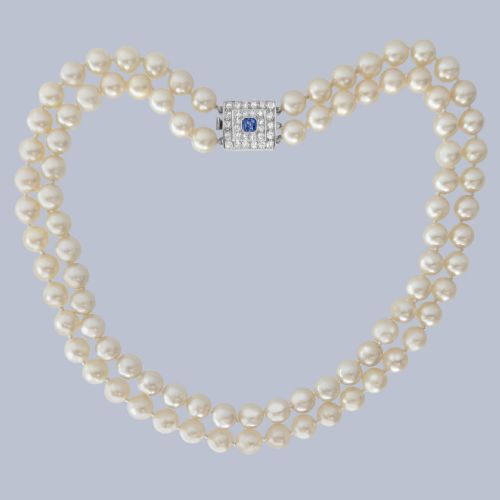
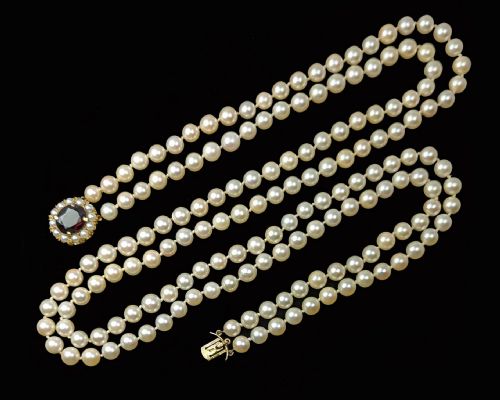
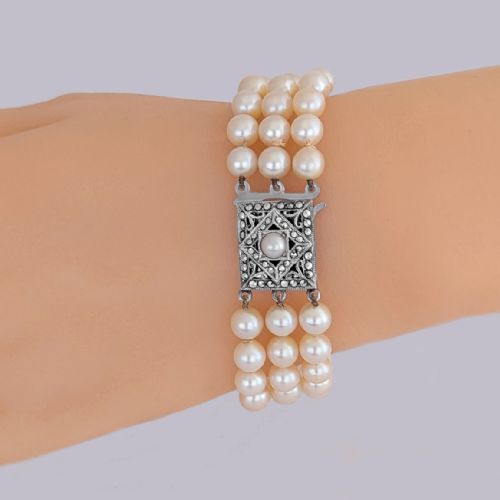
Clasps serve as the primary structural and decorative focal point, frequently mounted with diamonds, sapphires, rubies, garnets, or turquoise. Metalwork techniques of the period include claw-setting gemstones and crafting intricate floral, foliate, or abstract geometric forms.
Cream Cultured Pearls Retail Price Guide 2026
Typical asking prices for cream cultured pearls among the pieces listed under this phrase on Sellingantiques today, from the lower quarter to the upper quarter. They describe what is for sale here now, not the wider market.
The listings show periods spanning the nineteenth century through the 1960s, with a strong concentration of mid-century pieces.
What varies in quality
Quality varies significantly in the uniformity of the nacre, the matching of pearl size across a graduated or uniform strand, and the complexity of the clasp metalwork. Pieces featuring certified stones and intricate precious metal clasps set with diamonds and sapphires represent the upper tier of the range.
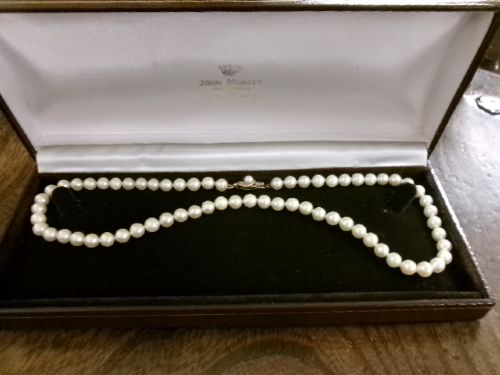
The standard of re-stringing and the presence of original boxes or gemological certificates also contribute to the distinction between simpler single strands and elaborate multi-strand creations.
Cropp and Farr
The Cream Cultured Pearls Glossary
- Cultured pearl
- A pearl formed by the introduction of a nucleus into an oyster, allowing layers of nacre to accumulate over time. These organic gems form the central focus of these strands and rings.
- Graduated
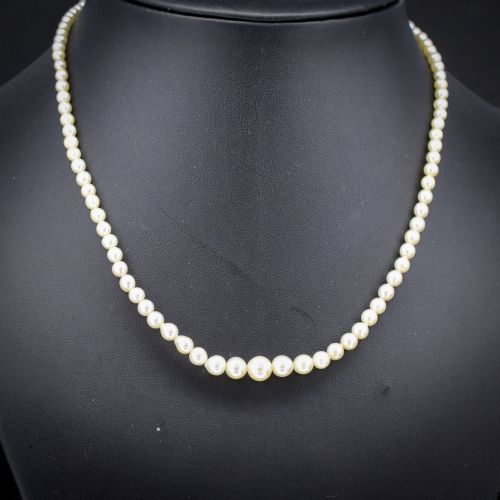
- A arrangement where pearls increase progressively in size from the ends of the strand toward the centre. This traditional technique ensures the largest pearl sits prominently at the front.
- Clasp
- A functional fastening mechanism that, in fine jewellery, doubles as a decorative element. These components frequently incorporate diamonds, sapphires, and precious metals.
- Hand-knotted
- A construction method where a knot is tied in the silk or thread between each individual pearl. This prevents the pearls from rubbing against one another and secures the entire strand if the cord breaks.
Cream Cultured Pearls: Frequently Asked Questions
How do I care for cream cultured pearls?
Cream cultured pearls require gentle cleaning with a soft, damp cloth after wearing to remove cosmetic residue and body oils. Avoid exposing them to harsh chemicals, perfumes, or ultrasonic jewellery cleaners.
Store them flat in a lined box to prevent scratching from harder gemstones. Periodic professional re-stringing prevents the silk thread from weakening over time.
What is the difference between single and multi-strand pearl necklaces?
Single strand necklaces feature one continuous line of pearls, offering a classic and understated aesthetic. Multi-strand pieces incorporate two or three parallel lines of pearls for a fuller, more dramatic effect.
Multi-strand creations almost exclusively feature decorative clasps designed to hold multiple threads securely. These richer configurations frequently date from the mid-twentieth century.
How can I date my pearl necklace?
Dating relies heavily on the style of the clasp, the metal purity hallmarks, and the construction methods used. Art Deco pieces from the 1920s and 1930s often feature geometric motifs and rose-cut diamonds.
Mid-century examples from the 1950s and 1960s frequently include specific town hallmarks, maker marks, and floral or abstract white gold cluster clasps. Certified pearls and original presentation boxes also provide historical context.
Are all pearls on these pieces uniform in size?
Not all pearls are uniform in size, as many strands are intentionally graduated. Graduated necklaces feature smaller pearls near the clasp that increase in diameter toward the centre.
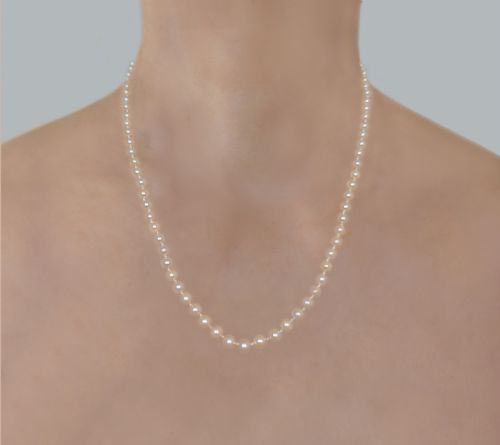
Other pieces maintain a uniform pearl size throughout the entire length of the strand or choker. Both styles were popular across different periods of fine jewellery manufacture.