

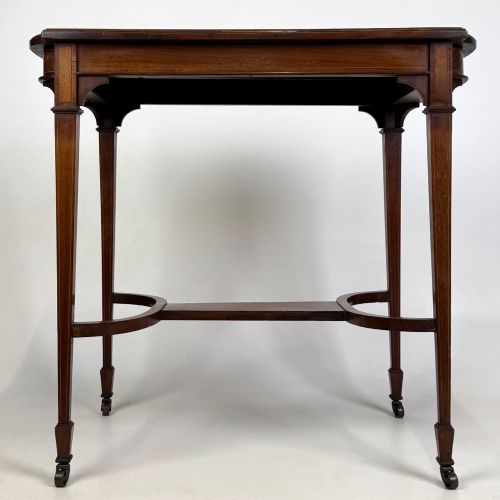
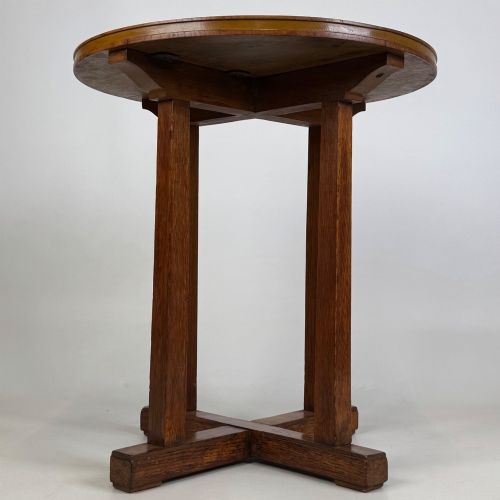
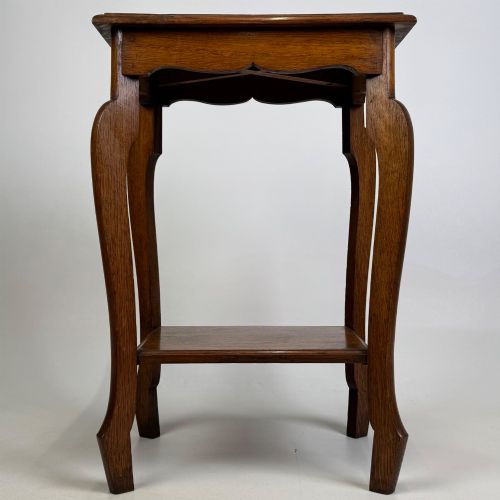
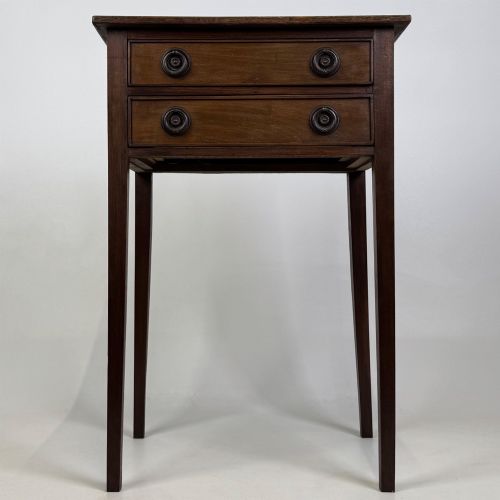
20th Century Occasional Table
When you search for a 20th century occasional table, you encounter diverse small-scale furniture pieces designed for versatile placement and daily utility.
20th Century Occasional Table
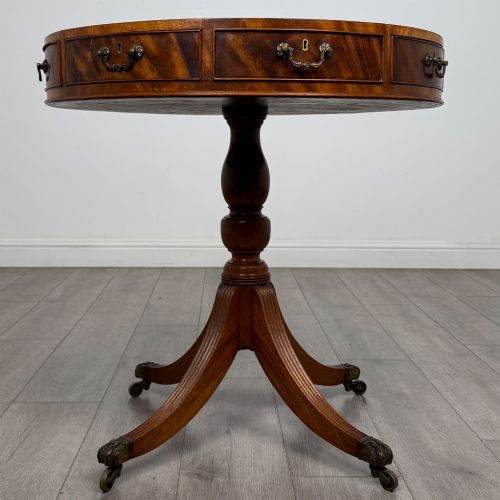
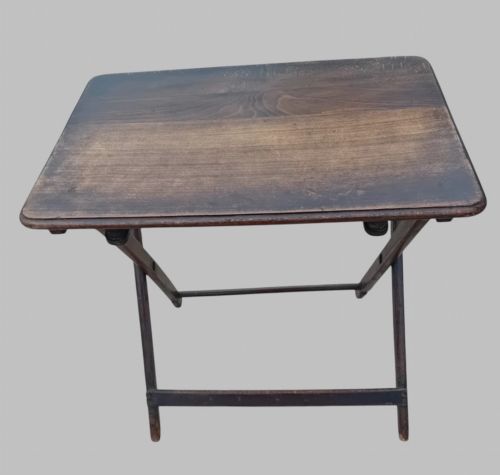
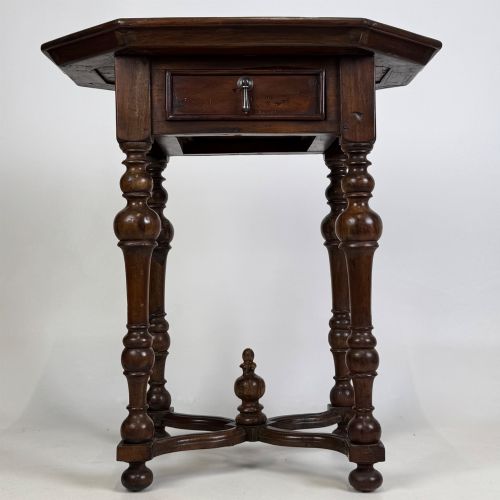
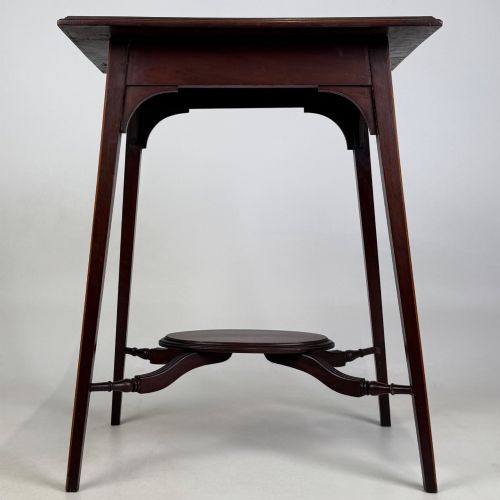
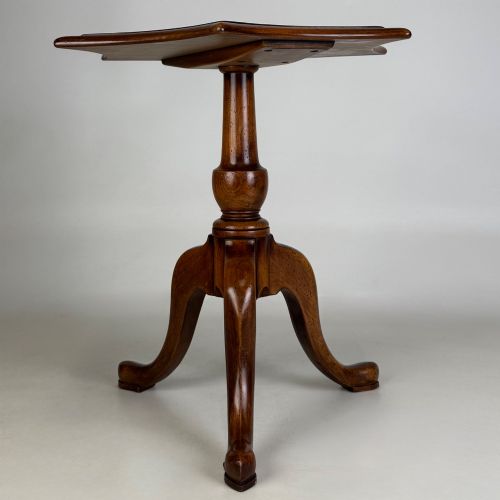
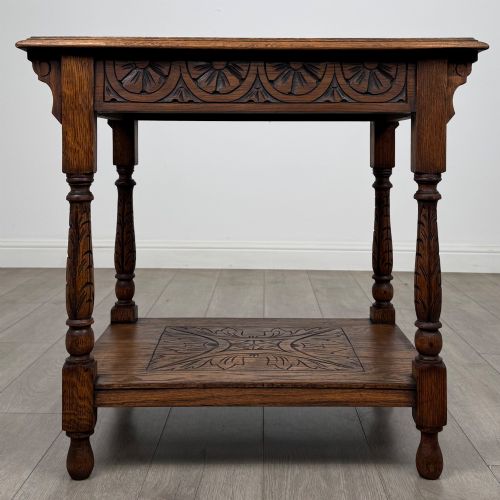
Forms span side tables, coffee tables, nests of tables, tripod tables, and gateleg tables, often showing revival styles like Jacobean, Georgian, and Regency. More exotic examples incorporate Moorish, Chinoiserie, and Syrian influences with detailed marquetry or bone inlay.
Originating from British, French, and international workshops, these tables adapt easily to modern interiors as lamp stands, bedside surfaces, or display pieces. Their compact scale ensures they fit effortlessly beside seating areas.
How They Were Made
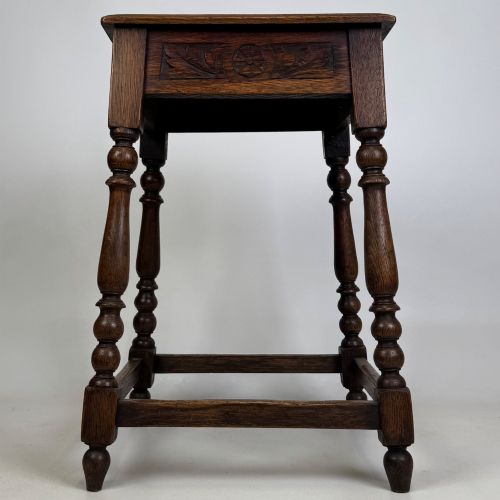
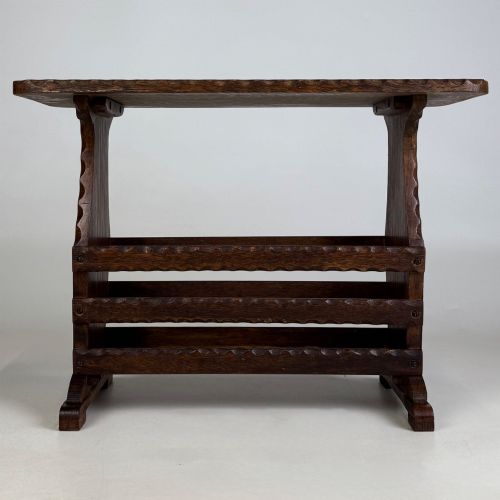
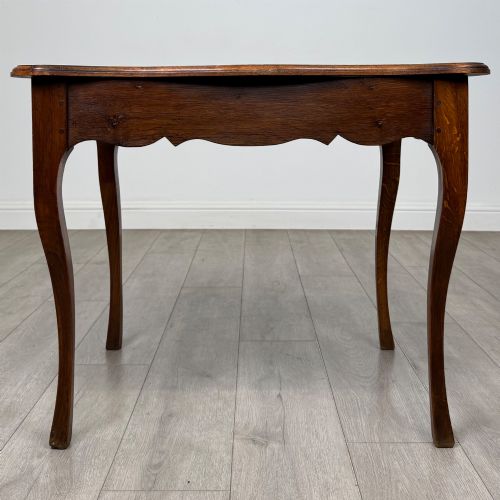
Cabinetmakers utilised solid and figured timbers, predominantly oak and mahogany alongside walnut, beech, and assorted hardwoods. These materials provided the structural integrity required for frequently moved pieces.
Surface decoration frequently involved intricate techniques such as brass fittings, lacquer work, mother of pearl inlay, and hand-carved detailing. Joints were typically constructed using traditional methods like mortise and tenon to withstand everyday use.
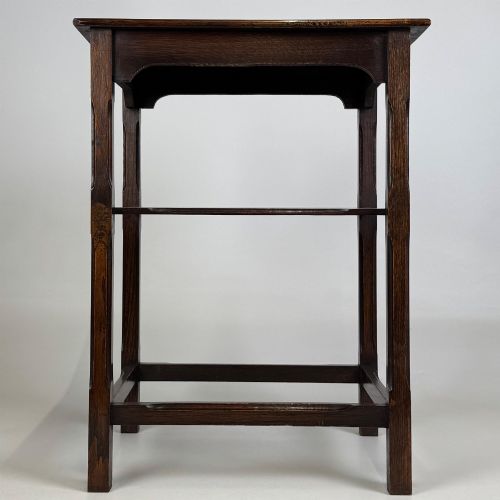
The listings demonstrate a strong prevalence of Edwardian oak side tables alongside diverse walnut and mahogany occasional forms.
What Varies in Quality
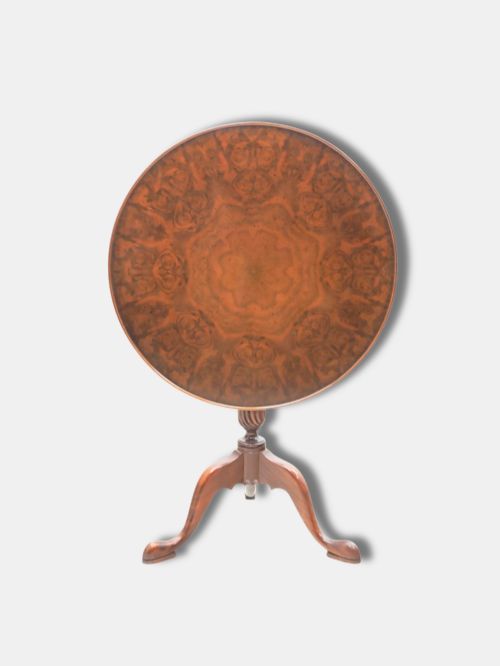
Quality reveals itself through the selection of timber, particularly the depth of figure in walnut or mahogany and the integrity of the solid oak construction. Superior pieces display precise joinery and stable, well-balanced frames.
The refinement of decorative elements, including hand-carved mouldings, marquetry precision, and the execution of inlaid brass or bone, distinguishes standard utility items from finer workshop output.
The 20th Century Occasional Table Glossary
- Gateleg table
- A table with hinged drop leaves supported by swing-out legs that pivot from the frame. This design allows the surface area to expand or contract depending on space requirements.
- Tripod table
- A small freestanding table supported by a central pillar above three splayed feet. They often feature tilt-top mechanisms for compact storage against a wall.
- Nest of tables
- A graduated set of smaller tables designed to slide neatly beneath one another. They offer maximum surface space while occupying the footprint of a single small table.
- Marquetry
- The art of applying decorative veneer pieces to a structure to form intricate patterns or pictures. Craftsmen utilise various wood types and natural materials to achieve tonal contrast.
20th Century Occasional Table: Frequently Asked Questions
What is a 20th century occasional table?
A 20th century occasional table is a small, movable piece of furniture designed for specific, intermittent use around the home. These versatile items include side tables, coffee tables, and nested sets.
They emerged from various design movements across the decades, reflecting both traditional revival styles and exotic decorative influences. Their compact proportions made them ideal for holding lamps, books, or drinks.
How were these tables used originally?
In period homes, these tables served auxiliary functions in drawing rooms, parlours, and bedrooms. They were easily repositioned wherever an extra surface was required.
Specific forms like nest tables provided hidden surface area for tea service or games, while wine and tripod tables held drinks close to seating.
How do I style an occasional table at home?
These pieces integrate smoothly into modern rooms by serving as practical bedside stands, lamp tables, or hallway display surfaces. Their modest scale prevents them from overwhelming smaller spaces.
Mixing wood tones or incorporating inlaid decorative pieces adds texture and historical character to contemporary interior schemes.
How can I tell the period of a table?
Dating relies on identifying signature stylistic markers, construction methods, and prevailing material choices associated with specific decades. Edwardian examples often feature light oak or inlaid mahogany.
Earlier pieces lean towards heavier carved oak in revival styles, while subsequent decades introduced diverse international influences and alternative timber treatments.