



Inlaid Birch Table
These inlaid birch table examples combine pale, figured timber with meticulous contrasting decoration, offering both striking visual warmth and practical surface space.
Inlaid Birch Table
An inlaid birch table brings together light Scandinavian timbers and decorative contrasting details across several distinct forms. Buyers searching for an inlaid birch table will frequently encounter occasional tables and grander centre tables dating from the nineteenth century up to the Art Deco period.
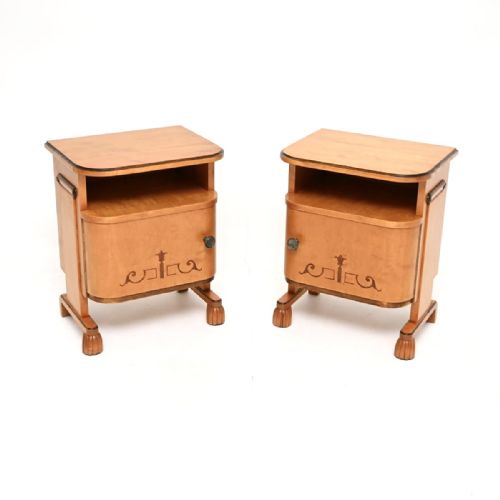
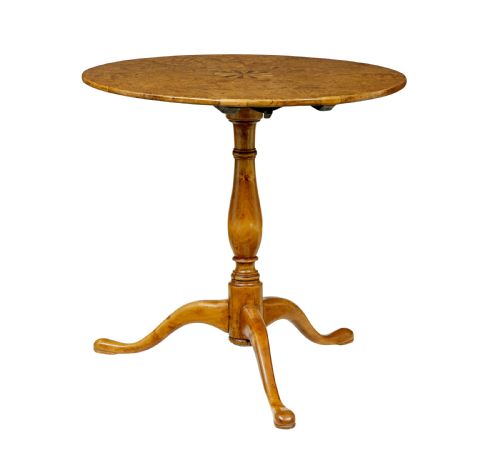
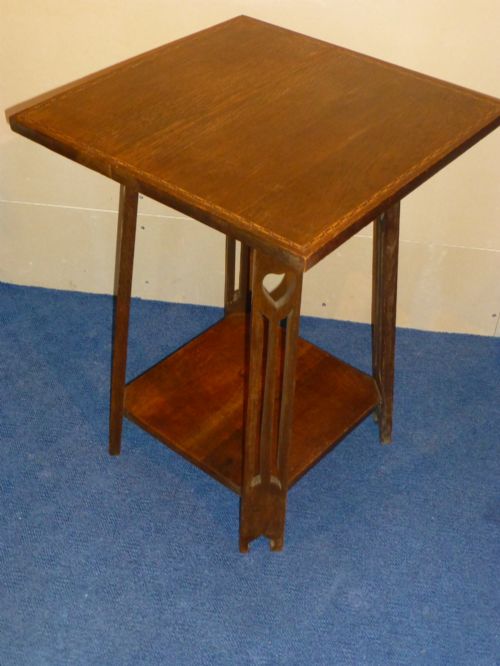
The selection ranges from Swedish Biedermeier and Empire Revival pieces to Arts and Crafts designs and Scandinavian Art Deco creations. Formats include games tables, coffee tables, and oval or octagonal occasional surfaces suited to diverse interior spaces.
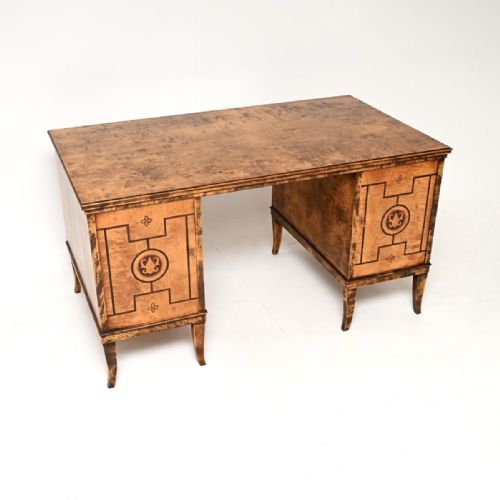
Makers and workshops utilised distinctive timbers such as burr birch and satin birch, often paired with elaborate wood inlay, brass accents, or specimen marble tops. Each piece demonstrates how nineteenth- and early twentieth-century cabinet makers transformed pale woods into sophisticated focal points.
Materials and Construction
Cabinet makers constructed these pieces using solid birch and decorative veneers such as burr birch and satin birch, frequently supported by secondary woods like oak. Surfaces were enriched with intricate wood inlay, chequered details, and occasional contrasting elements in burr maple or walnut veneer.
Structural embellishments often incorporated brass fittings and turned or carved supports, as seen in lyre-form bases and quadrapartite legs. The juxtaposition of pale, highly figured grain with darker inlay work defined the aesthetic success of these tables.
Inlaid Birch Table Retail Price Guide 2026
Typical asking prices for inlaid birch table among the pieces listed under this phrase on Sellingantiques today, from the lower quarter to the upper quarter. They describe what is for sale here now, not the wider market.
The documented forms span multiple styles including Swedish Biedermeier, Arts and Crafts, Art Deco, and Empire Revival.
Distinguishing Quality
Execution of the decorative elements dictates the overall refinement of the piece. Crisp, seamless wood inlay and coherent period styling, such as Swedish Biedermeier or Scandinavian Art Deco, separate standard domestic furniture from exceptional examples of cabinet making.
William Birch·Liberty & Co.
The Inlaid Birch Table Glossary
- Burr birch
- A growth deformity in the birch tree that produces swirling, highly decorative grain patterns. Cabinet makers prized this timber for high-status veneered surfaces.
- Satin birch
- A timber derived from birch species that exhibits a natural golden sheen and smooth texture. It provides a luminous surface often utilised in nineteenth-century occasional and centre tables.
- Wood inlay
- A decorative technique where small pieces of contrasting timber are fitted into recesses within the primary surface. This method creates geometric patterns or pictorial designs.
- Biedermeier
- A dominant Central European style from the first half of the nineteenth century emphasising utility, clean lines, and polished wood grains without excessive ornamentation.
- Centre table
- A freestanding table designed to be viewed from all sides and placed in the middle of a room rather than against a wall.
Inlaid Birch Table: Frequently Asked Questions
Where should I place an inlaid birch table?
These tables work well as freestanding centrepieces in a hallway or as occasional surfaces beside seating areas. Their pale timber tones allow them to brighten darker corners without overwhelming surrounding furniture.
Position them away from direct sunlight to protect the figured veneers and delicate inlay work from fading over time. Regular gentle polishing maintains the natural lustre of the birch surface.
How do I identify a Biedermeier table?
Biedermeier tables typically feature unadorned architectural forms that highlight the natural beauty of veneers like birch and burr birch. They rely on elegant proportions rather than heavy carving for their visual appeal.
Look for restrained geometric inlay and warm, polished wood tones characteristic of nineteenth-century Scandinavian and Central European workshops.
What is the difference between occasional and centre tables?
Centre tables are generally larger, freestanding pieces designed to sit in the middle of a room and display objects or serve central functions. They often feature finished decoration on all sides.
Occasional tables are smaller, more portable pieces intended for specific momentary uses, such as holding drinks, books, or small decorative items.
How do I care for burr birch veneer?
Burr birch veneer requires stable indoor humidity levels to prevent the thin wooden layers from lifting or cracking. Avoid placing these tables near direct heat sources or air conditioning vents.
Dust the surface regularly with a soft, dry cloth and apply occasional specialist wax appropriate for antique veneered furniture to nourish the timber.