


19th Century Turkmen Carpet
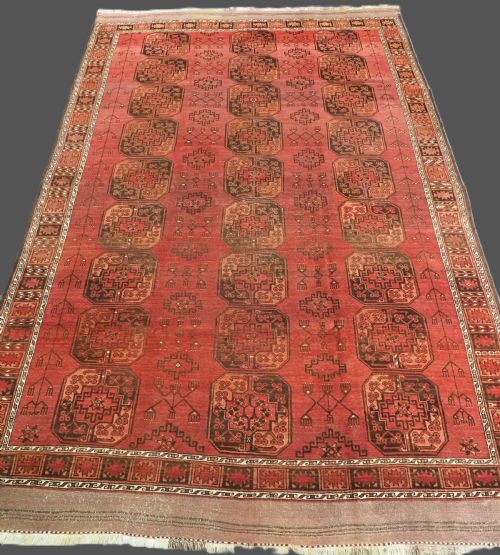
These pieces are a 19th century turkmen carpet and related tribal textiles woven by Central Asian nomads, prized for their rich natural dyes and geometric guls.
19th Century Turkmen Carpet
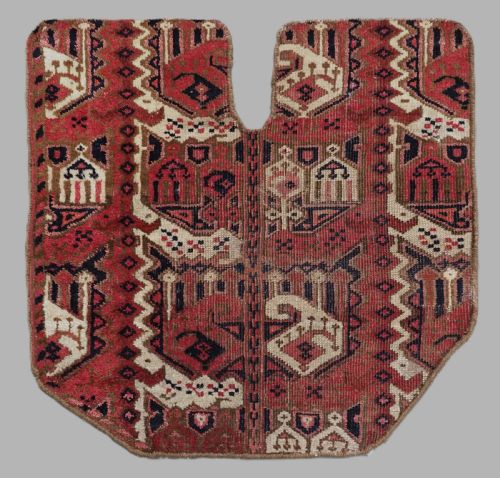
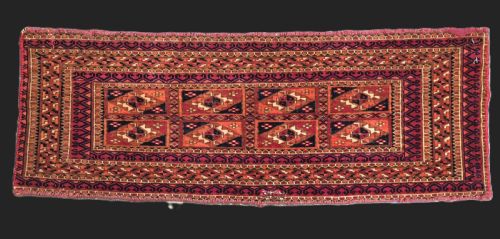
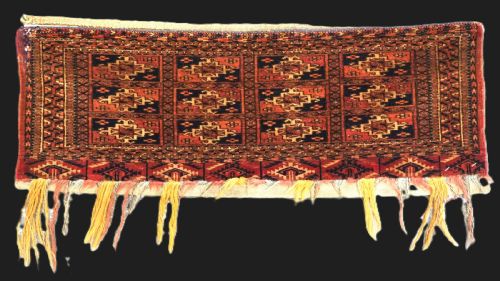
When searching for a 19th century turkmen carpet, buyers encounter a range of formats including large main carpets, smaller torbas, chuvals, and horse saddle rugs created by various tribal groups. The selections on this page span main carpets and smaller utility bags, featuring distinct tribal patterns and formats originating from Central Asia.
The material record includes pieces attributed to major tribal traditions such as Tekke, Ersari, Yomut, Saryk, and Chodor. Many examples take the form of bag faces or tent trappings alongside grander floor coverings woven for tribal life and ceremony.
How They Were Made
Weavers constructed these textiles using hand-spun wool foundations and piles, occasionally incorporating cotton, goat hair, or horsehair into the structure. Natural dyes provide the enduring palette seen across these floor rugs and hanging bags.
The execution relies on tight knotting and precise geometric drawing, with certain bag faces exhibiting a very fine weave. Structural elements like piled elem end panels and reinforced backs show the practical demands placed on nomadic textile production.
Listings feature pieces dated across the nineteenth century, utilising wool, cotton, goat hair, and horsehair bound with natural dyes.
What Varies in Quality
The distinction between standard examples and finer works rests on the precision of the drawing, the depth and clarity of the natural colour palette, and the density of the weave. Exceptional pieces display crisp geometry within the guls and balanced proportions across the field.
Condition and completeness also shape the standing of a piece, with intact backs on torbas and chuvals or full main carpets retaining their original borders commanding attention. Greater refinement in the wool preparation and an absence of heavy wear elevate certain examples above standard utilitarian formats.
The 19th Century Turkmen Carpet Glossary
- Gul
- A primary medallion or repeating motif characteristic of Central Asian carpet design. Different tribes utilised distinct gul shapes to signal their specific heritage.
- Torba
- A small horizontal storage bag used within the nomadic tent. These pieces frequently feature elaborate face designs and were hung against lattice walls.
- Chuval
- A large tent bag utilised for household storage by tribal families. They often display multiple guls arranged in strict rows across the face.
- Elem
- The decorative lower panel situated at one or both ends of a main carpet or tent hanging. This section frequently contains specialised tree or shrub motifs.
- Ensi
- A tribal door rug designed to hang at the entrance of a yurt. They typically feature a cross-shaped division of the central field.
19th Century Turkmen Carpet: Frequently Asked Questions
What is a gul?
A gul is the repeating octagonal or geometric medallion pattern that forms the main design element of these woven textiles.
Different tribal groups utilised specific gul variations, allowing observers to identify the origin of a particular rug.
How were these rugs used?
Nomadic families used these textiles as floor coverings, tent door hangings, and storage bags for household possessions.
Smaller bags held bedding and personal items inside the yurt, while main carpets served practical and ceremonial purposes on the floor.
How do I identify different tribes?
Tribal attribution relies on the specific structure of the guls, the colour palette, and the overall border arrangements.
For example, Tekke pieces often feature dense octagonal guls, while Yomut examples frequently display dyrnak or kepse motifs.
How do I care for a tribal rug?
Regular gentle vacuuming without a beater bar helps remove dust from the wool pile without damaging the antique foundation.
Professional textile conservators should handle any washing or structural repairs to preserve the natural dyes and hand-spun materials.