
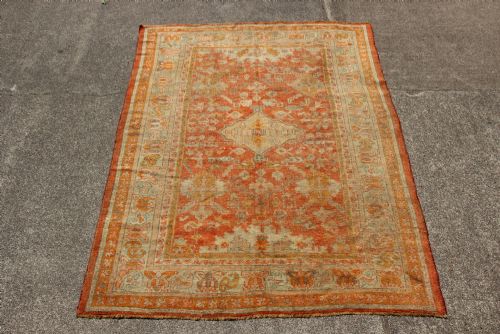

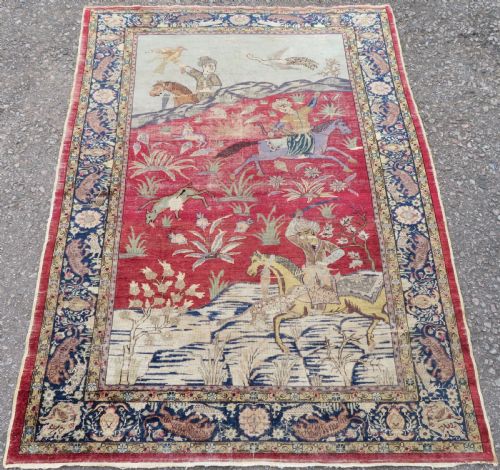


19th Century Turkish Carpet
When you search for a 19th century turkish carpet, you encounter hand-knotted woven textiles from Anatolian weaving centres that anchor traditional interiors with historic pattern.
19th Century Turkish Carpet
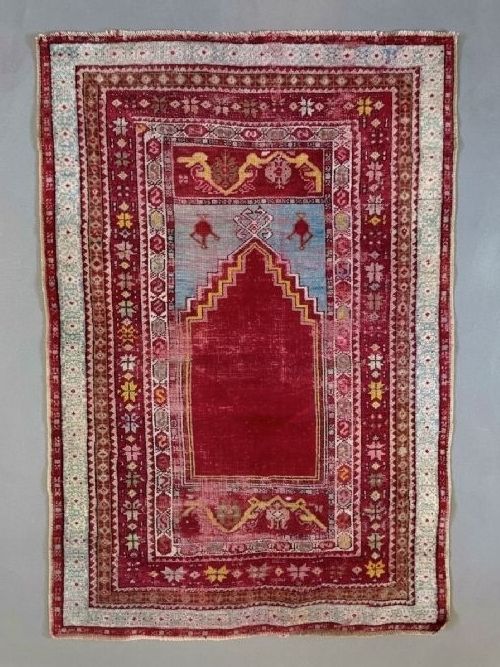
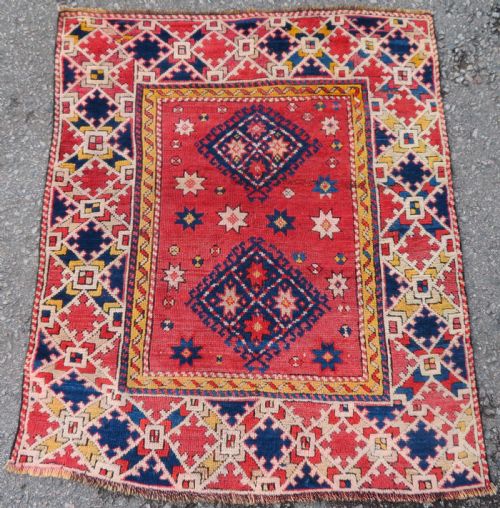
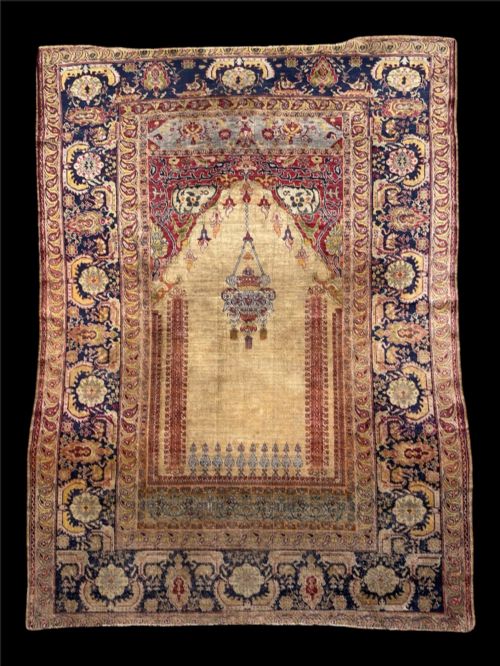
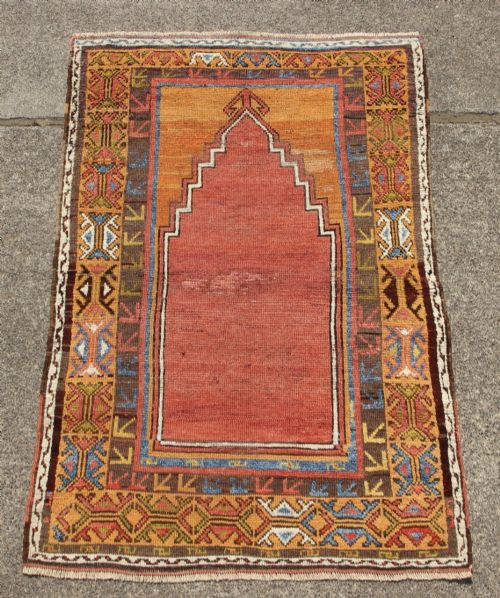
A 19th century turkish carpet encompasses room-sized floor coverings, smaller area rugs and specific formats like prayer rugs created across Anatolia. These textiles serve both utilitarian floor deployment and decorative wall hanging.
The selections on this page concentrate on regional village and town workshops, showing distinct Anatolian tribal and Ottoman classical motifs.
Buyers meet formats ranging from long runner rugs to square prayer designs originating from weaving hubs such as Ushak, Ghiordes, Konya and Milas.
How they were made
Weavers constructed these carpets predominantly using wool, hand-spun wool, angora wool and cotton foundations, occasionally employing silk for finer urban pieces. Natural dyes provided the palette, yielding stable vegetable colours that age with depth.
Knots were tied by hand onto vertical looms using traditional symmetrical or asymmetrical knotting techniques depending on the specific weaving district.
Listings feature natural dyes, hand-spun wool, cotton foundations and silk materials originating across Anatolian weaving districts.
What varies in quality
Quality differences stem from the fineness of the knot count, the integrity of the natural dye palette and the precision of the drafted design. Superior examples display high density in the foundation and well-balanced chromatic harmony across the field.
Condition of the pile and the originality of the outer guard borders determine the integrity of the surviving textile.
The 19th Century Turkish Carpet Glossary
- Prayer rug
- A small format rug featuring a mihrab or niche design used historically for daily prayer. The arched niche points toward Mecca during ritual use.
- Saf
- A multi-niche prayer rug containing several adjoining mihrabs in a row. These elongated carpets accommodated multiple worshippers simultaneously.
- Yastic
- A small Turkish cushion face or small rug traditionally utilised for sitting or leaning against in domestic interiors.
- Mihrab
- The architectural arch motif depicted at one end of a prayer rug. It represents the direction of prayer.
- Kilim
- A flat-woven carpet produced without a raised pile by tightly interweaving warp and weft strands. This technique creates a lightweight, reversible textile.
19th Century Turkish Carpet: Frequently Asked Questions
Where should I place a prayer rug?
Prayer rugs function well as small accent floor coverings in hallways, bedrooms or studies where foot traffic remains moderate.
Alternatively, collectors mount these smaller formats on walls to protect the pile from abrasion while displaying the central design clearly.
How do I clean an antique carpet?
Professional dusting and gentle specialist washing maintain the integrity of natural wool fibres and vegetable dyes.
Avoid domestic chemical cleaners and harsh scrubbing to prevent fibre degradation and colour bleeding.
What is the difference between Ushak and Ghiordes?
Ushak carpets generally feature larger scale floral motifs and expansive fields suited for major floor spaces.
Ghiordes rugs typically emphasise refined prayer arches and intricate geometric border patterns derived from western Anatolian traditions.
Are these carpets suitable for daily foot traffic?
Sturdy wool construction and dense hand-knotting allow these textiles to endure regular walking when placed over a quality underlay.
Placing them in lower-traffic zones preserves the historical pile length over extended periods.