


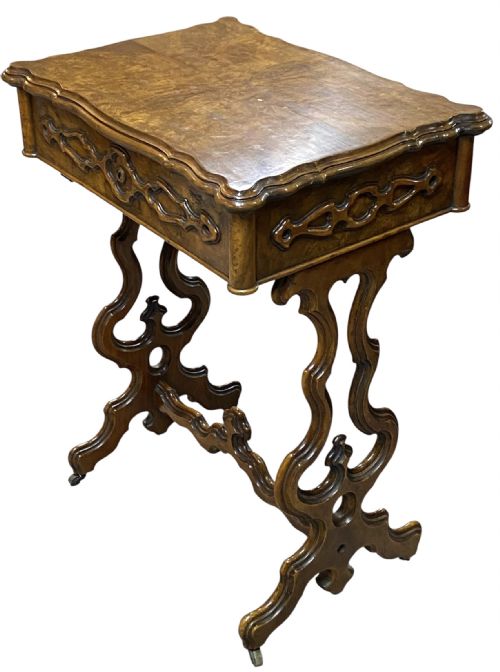
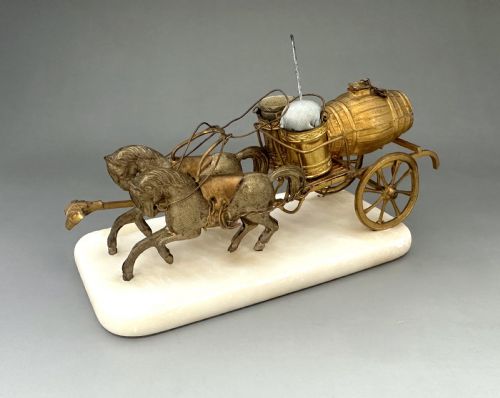
19th Century Sewing Box
A 19th century sewing box is a fitted repository for needlework implements, offering both practical containment and exquisite craftsmanship for the Victorian or Regency parlour.
What a 19th century sewing box is
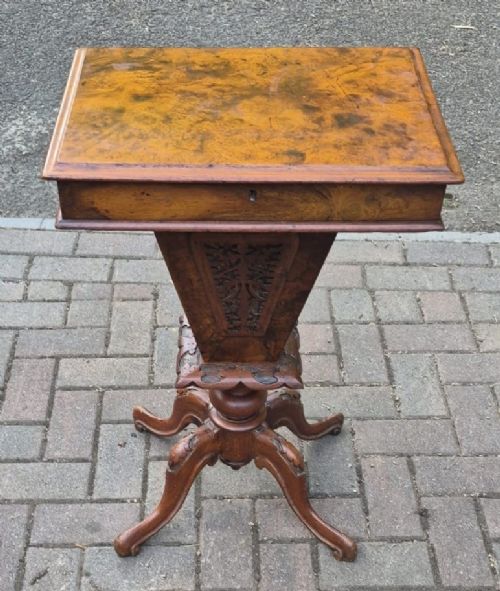
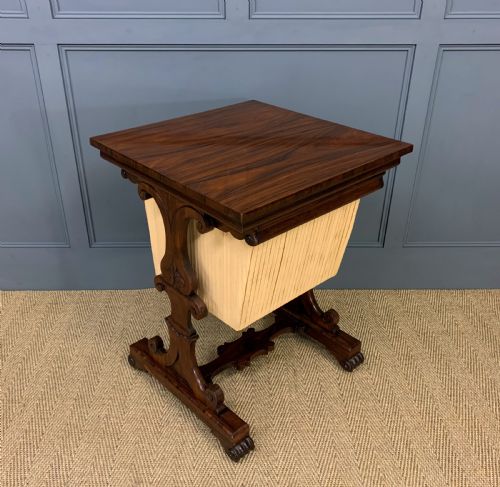
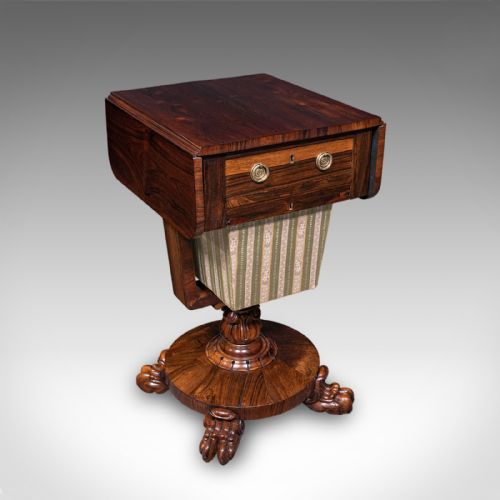
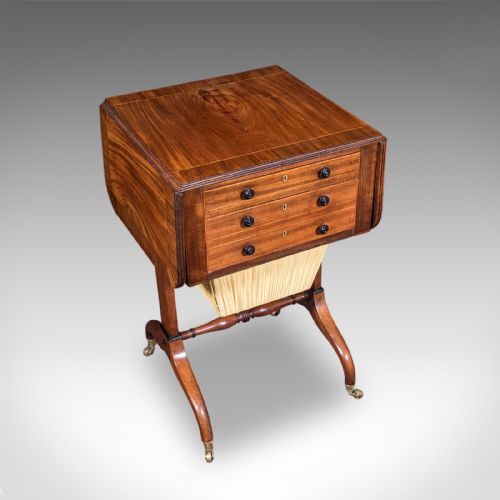
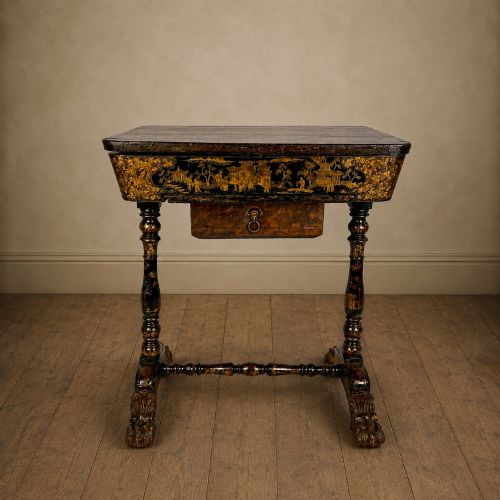
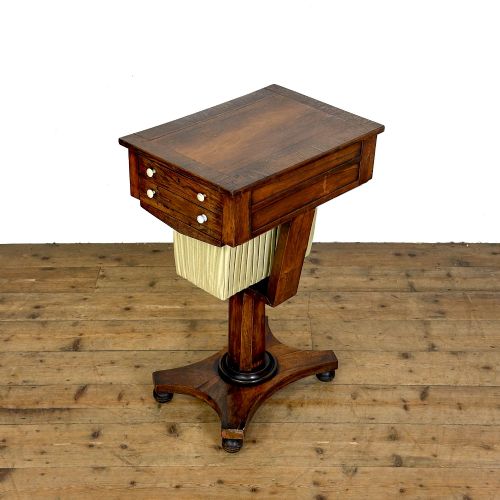
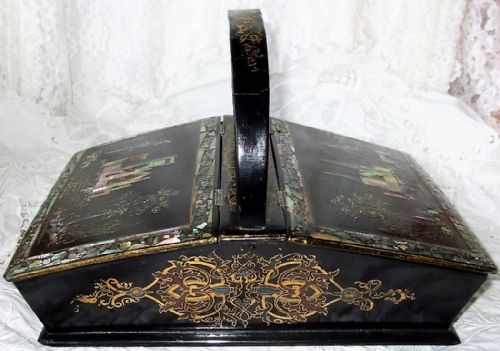
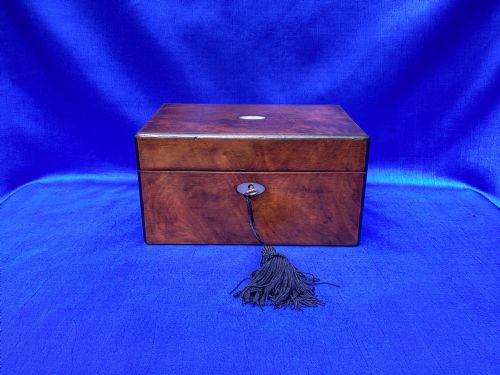
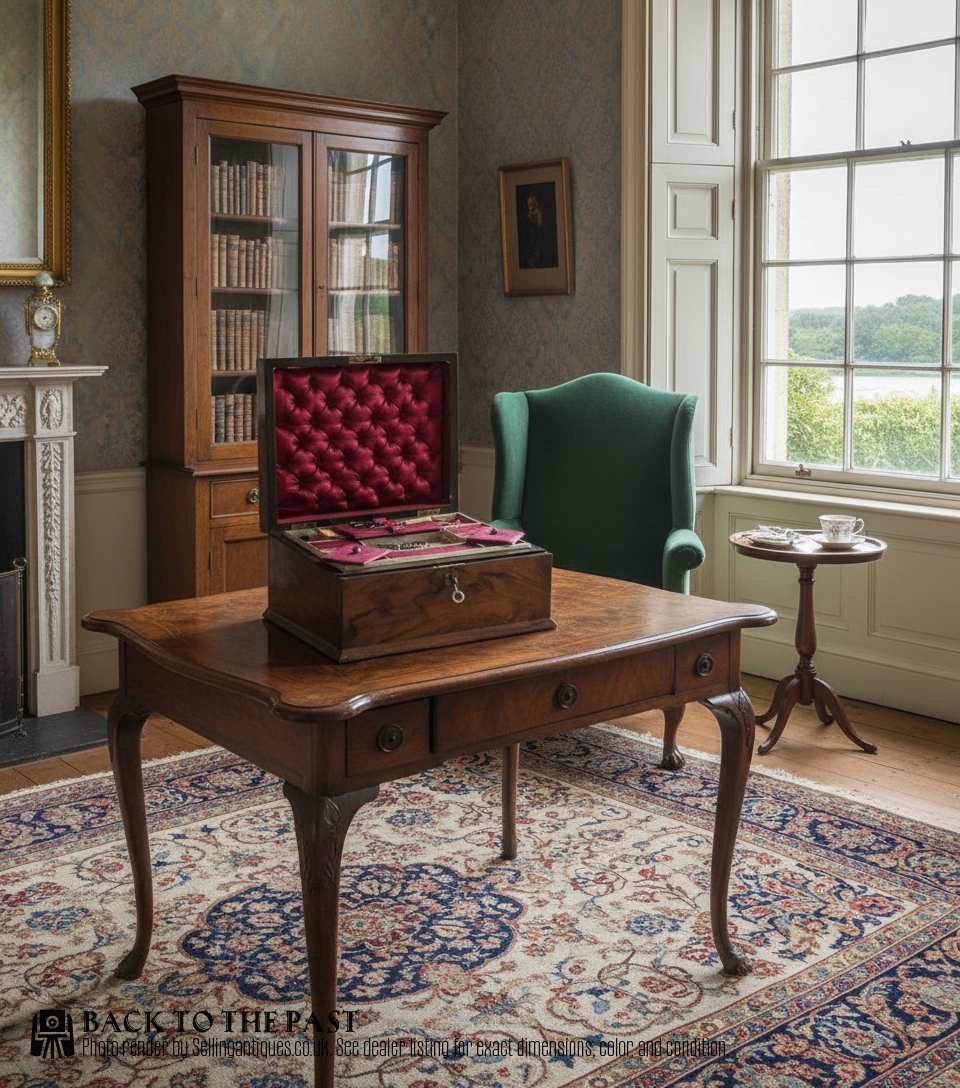
Most pieces date from the mid-to-late Victorian era, constructed in portable box forms with hinged lids that open to reveal fitted interiors. Examples range from simple mahogany or rosewood caskets to elaborate mother-of-pearl inlaid containers and lacquer work boxes originating from diverse international workshops.
How they were made
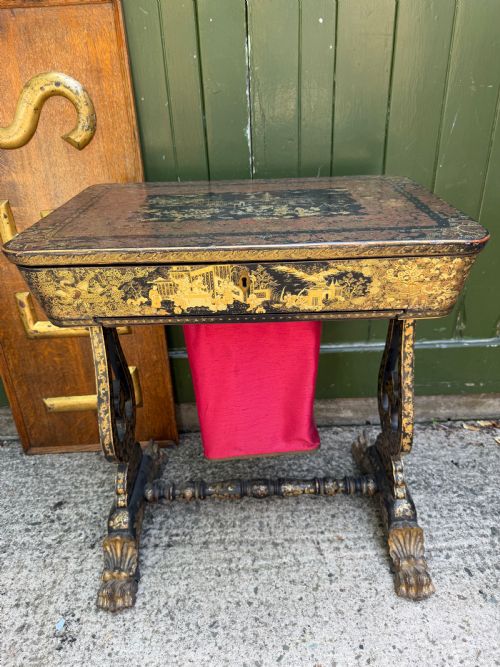
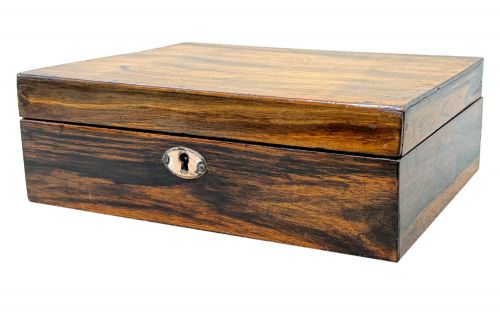
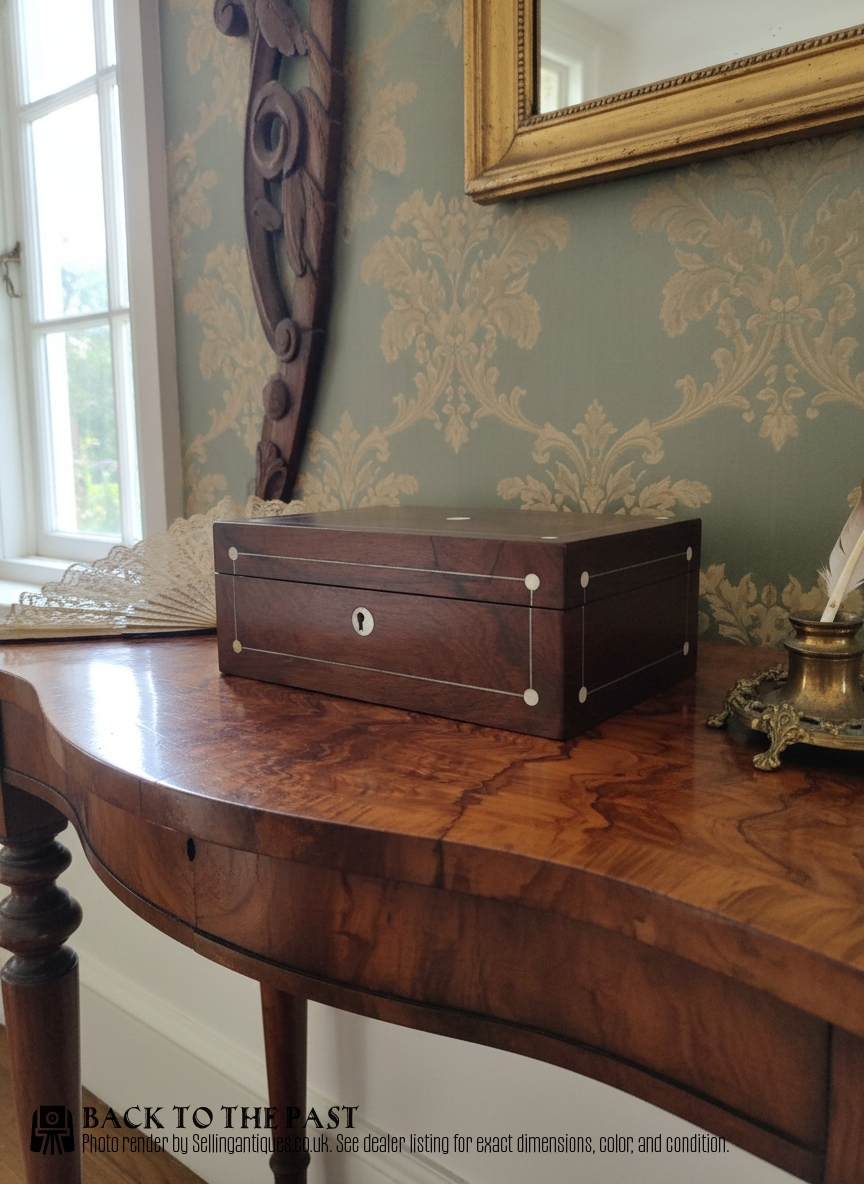
Cabinetmakers utilised dense exotic hardwoods such as rosewood, coromandel, mahogany, and burr walnut, frequently applying intricate veneers or contrasting stringing. Surface decoration involved varied techniques, including penwork, Tunbridge ware inlay, mother-of-pearl escutcheons, and glossy black lacquer finished with painted or gilt motifs.
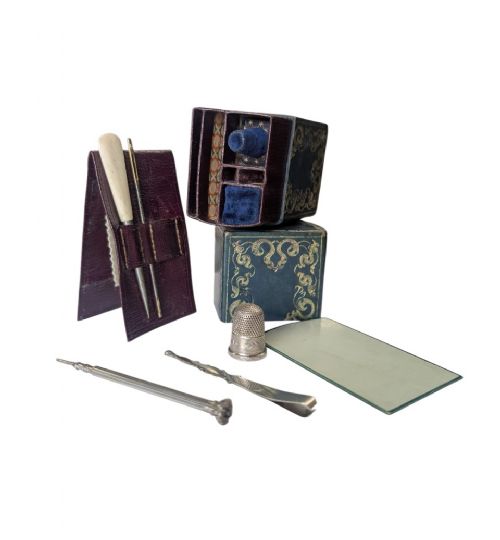
Interiors were constructed to hold specific implements, lined with velvet or fabric, and fitted with compartments, trays, and small lidded sections. Metal components such as brass locks, hinges, and steel tools completed the construction, ensuring both security and utility for the owner.
Retail Price Guide 2026
Typical UK retail prices for 19th century sewing box, calculated from the Sellingantiques database of over a million retail prices indexed since 2003. This retail price guide relies exclusively on Sellingantiques data; no external sources or auction records are used, so the figures do not describe the wider market.
Listings feature various timbers including coromandel, mahogany, and rosewood, alongside decorative finishes like mother-of-pearl and lacquer.
What varies in quality
The choice of primary timber and decorative technique dictates the standing of a piece, with figured grains like coromandel or burr walnut positioned above plain mahogany. Precision in the marquetry, the complexity of the internal fittings, and the survival of original velvet linings elevate certain examples.
Execution of specialised ornament, such as delicate penwork or finely detailed mother-of-pearl inlay, separates standard containers from superior works. Completeness of the internal compartments and the presence of working locks further define the upper tier of the range.
The 19th Century Sewing Box Glossary
- Coromandel wood
- A dense, heavily figured dark timber with contrasting light stripes, prized by 19th-century cabinetmakers for luxury work boxes. It originates from Southeast Asia and yields a particularly polished surface.
- Tunbridge ware
- Small wooden objects decorated with intricate mosaic patterns made from thousands of tiny tinted wood blocks. This specialised technique flourished in Kent during the 19th century.
- Penwork
- A surface decoration method using India ink applied with a pen to create fine monochrome designs on wood. It gives the appearance of delicate line engraving.
- Regency
- An architectural and decorative style spanning the early 19th century, characterised by classical restraint and elegance. Pieces from this era often feature clean lines and subtle veneers.
- Palais Royal
- A term associated with luxury goods retailed near the Paris landmark, often applied to French sewing boxes fitted with mother-of-pearl or bone implements.
Frequently Asked Questions
What did they store inside?
These containers held sewing implements such as needles, pins, threads, bodkins, and small scissors. Many included dedicated compartments and removable trays to keep delicate tools organised.
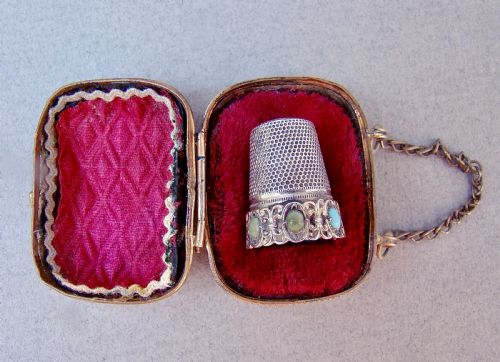
Fitted interiors often accommodated specialised items like bone winders, thimbles, and miniature pin cushions. Some boxes doubled as writing companions or jewellery storage.
How do I date a sewing box?
Dating relies on identifying the prevailing style, timber choices, and construction methods of the period. Regency and William IV pieces often display simple classical proportions, whereas Victorian examples favour heavier woods and mother-of-pearl inlay.
Internal fittings and lining materials also offer clues, as fabric choices and hardware evolved throughout the century. Locks and hinges stamped with patent marks can narrow the manufacture date further.
Were they used by men?
While primarily associated with ladies' parlour work, needlework was a common pastime across households of certain social standing. Portable work boxes served domestic utility rather than strict gender division.
Sailors and soldiers also utilised specialised compact kits during campaigns, as seen in prisoner-of-war bone carved pieces. However, the decorative caskets preserved today were largely stationary items for domestic spaces.
How should I clean the wood?
Maintenance requires gentle dusting with a soft, dry cloth to protect fragile veneers and delicate inlay work. Avoid modern chemical polishes, which can damage historic polished surfaces and old lacquer.
Internal velvet or fabric linings should be treated with care, using low suction if necessary to remove dust. Natural beeswax applied sparingly can help nourish exposed hardwood exteriors.