


Wooden Vanity Box
These wooden vanity box examples range from coromandel work boxes to rosewood jewellery cases, offering practical storage with period character.
What these pieces are
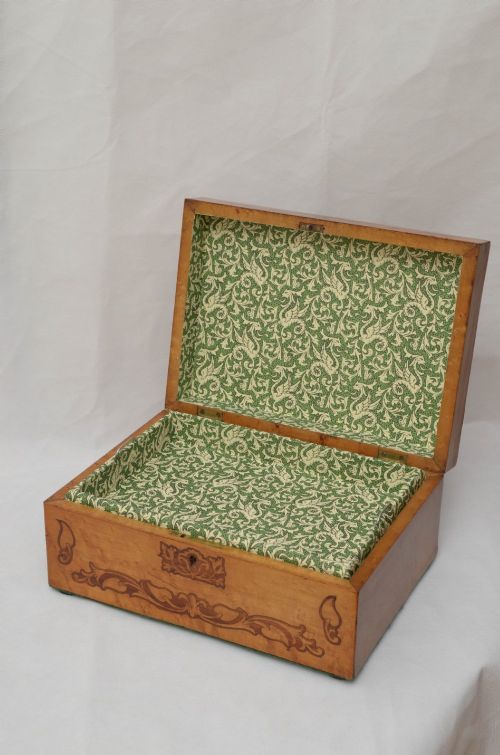
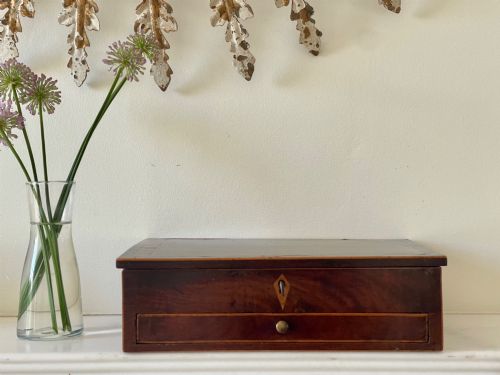
A wooden vanity box encompasses several related forms designed for personal organisation and travel, drawing from nineteenth-century craftsmanship. The selection available here includes travelling cases, dressing cases, work boxes, and jewellery boxes.
The most common formats you will encounter date from the Victorian era and the nineteenth century. These pieces bridge the gap between functional travel luggage and static dressing table accessories.
How they were made
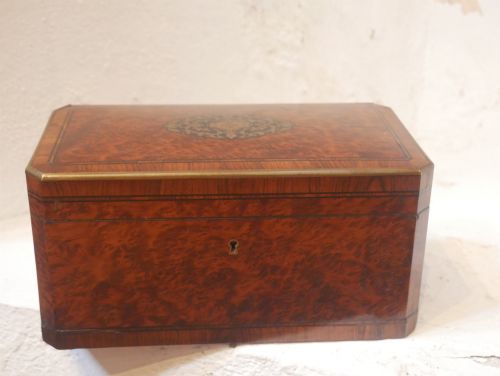
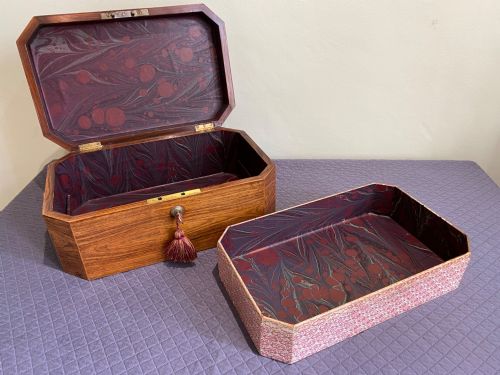
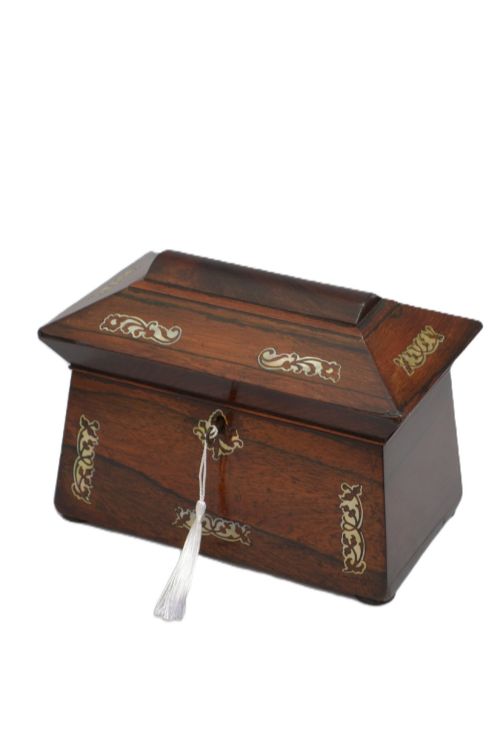
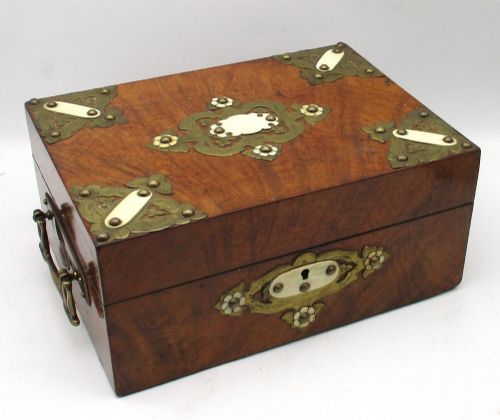
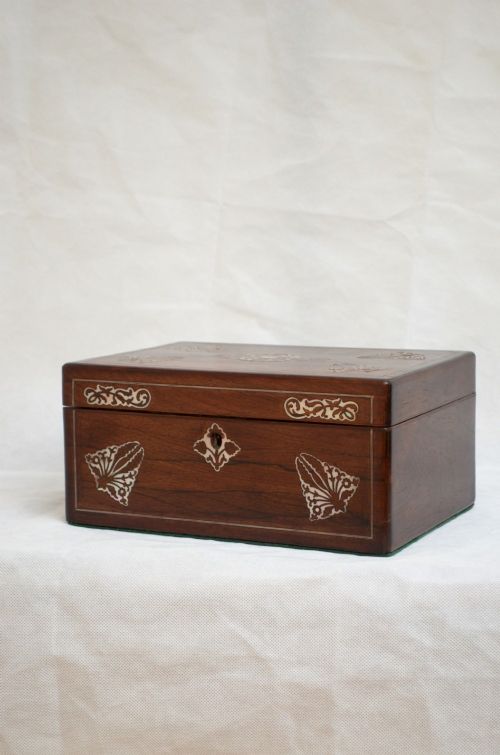
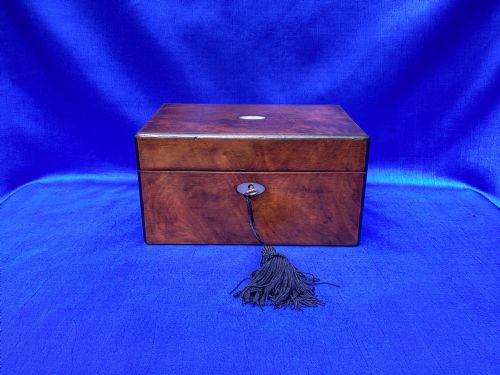
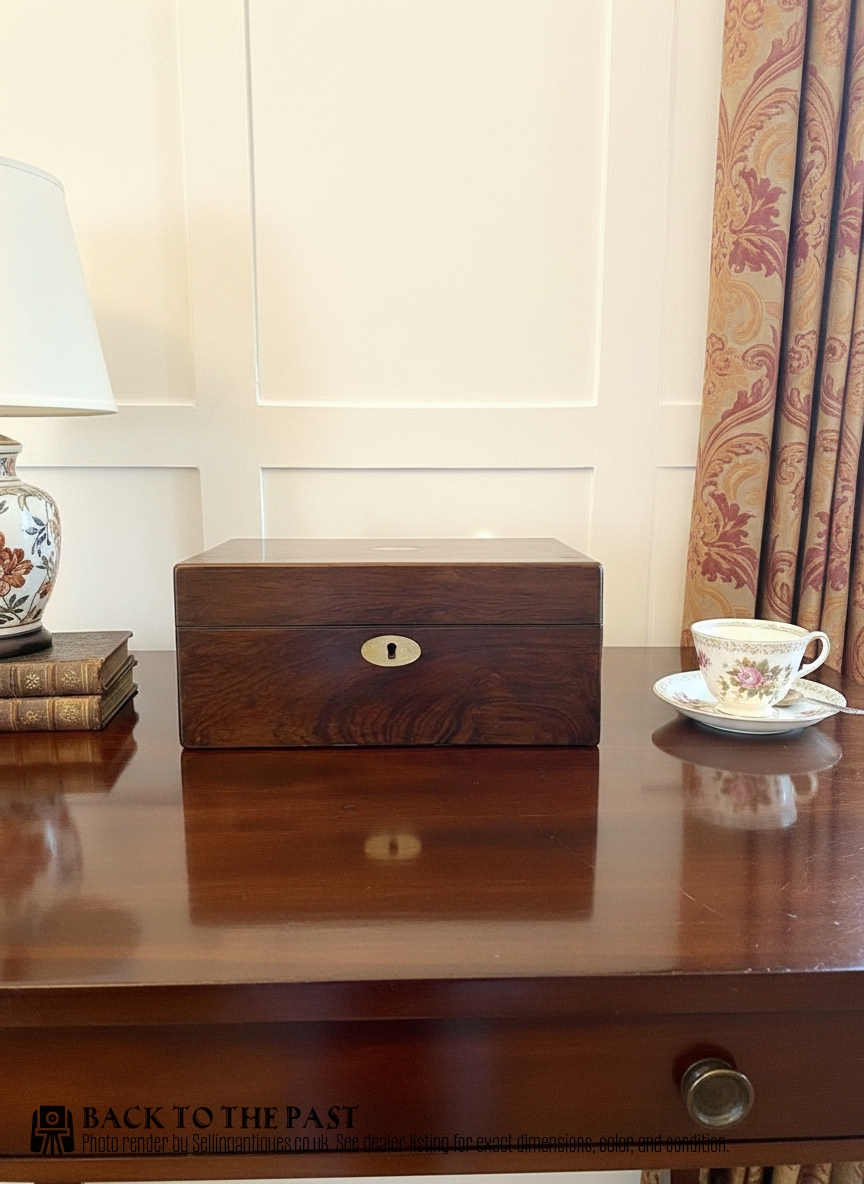
Constructed from dense hardwoods such as coromandel, rosewood, and burr walnut, these boxes utilise resilient timbers selected for both durability and decorative grain patterns. Makers incorporated brass hardware for structural reinforcement and visual contrast.
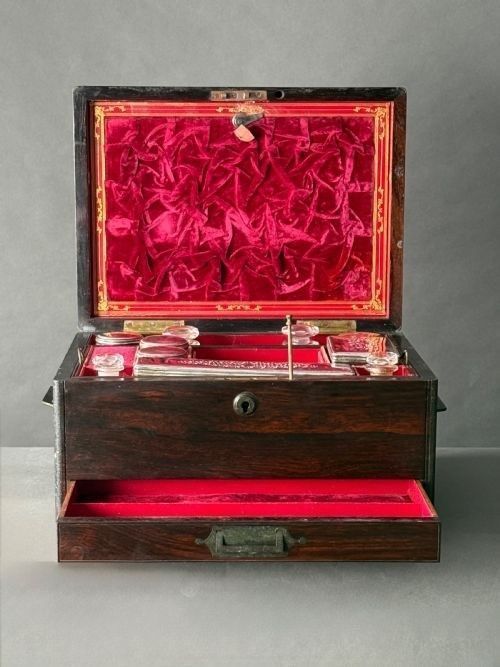
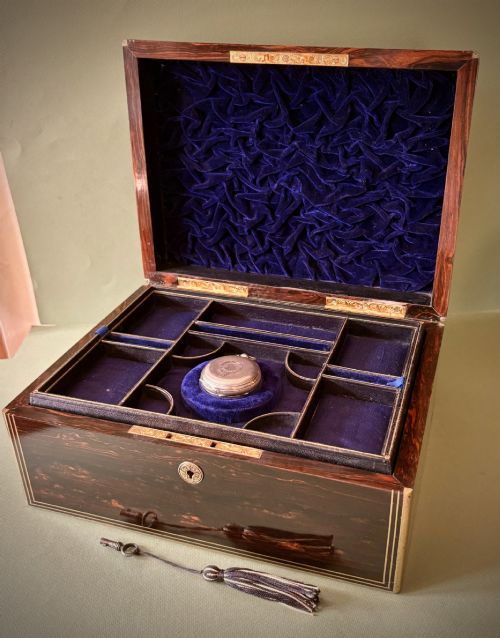
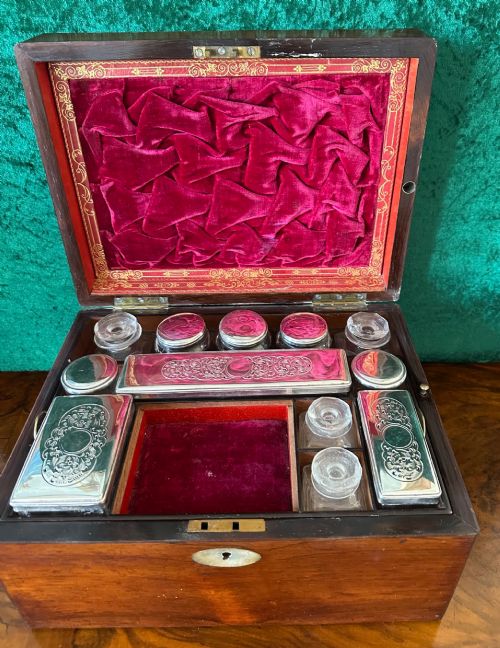
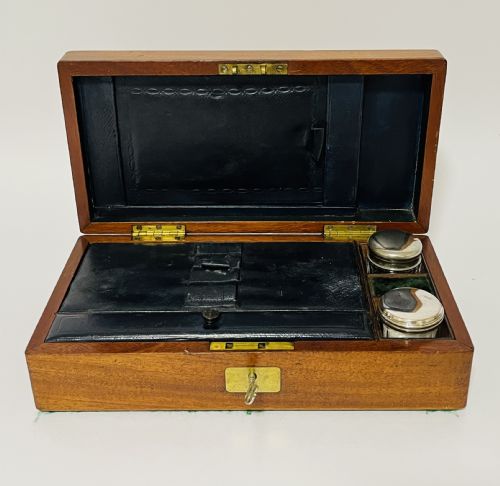
Internal layouts frequently feature fitted compartments lined with velvet, alongside accessories in glass and silver. Details such as mother-of-pearl inlay further enhance the decorative surfaces of these nineteenth-century items.
Retail Price Guide 2026
Typical UK retail prices for wooden vanity box, calculated from the Sellingantiques database of over a million retail prices indexed since 2003. This retail price guide relies exclusively on Sellingantiques data; no external sources or auction records are used, so the figures do not describe the wider market.
The listings span the 19th century and the Georgian period, employing materials such as coromandel, rosewood, burr walnut, brass, and mother-of-pearl.
What varies in quality
Quality in a wooden vanity box rests primarily upon the choice of timber and the precision of the cabinetwork. Dense exotic woods like coromandel and burr walnut represent higher tiers of production compared to simpler domestic timbers.
The sophistication of the internal fittings also dictates the grade of the piece. Fully appointed interiors featuring matched sets of glass and silver components demonstrate a superior standard of original manufacture.
The Wooden Vanity Box Glossary
- Coromandel wood
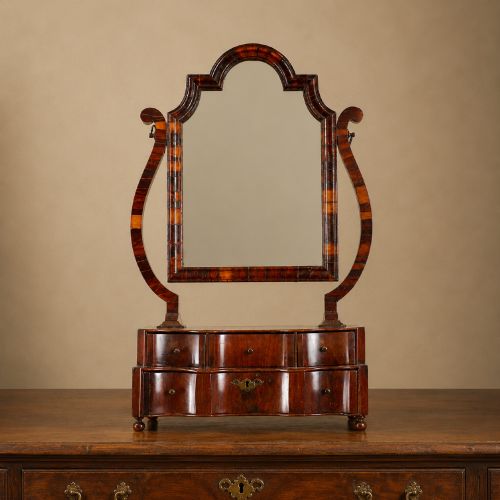
- A dense, heavily figured timber derived from Asiatic trees, highly prized for nineteenth-century luxury boxes. It displays distinctive dark striping against a warm brown background.
- Burr walnut
- Timber taken from the wart-like growths on walnut trees, yielding complex swirling grain patterns. Cabinetmakers used burr veneers on the primary display surfaces of high-end boxes.
- Dressing case
- A fitted box designed to hold grooming implements, bottles, and personal items during travel. These pieces typically include internal trays and secret compartments.
- Mother-of-pearl
- The iridescent inner layer of certain mollusc shells, utilised for decorative inlay and escutcheons on Victorian boxes. It creates a contrasting shimmer against dark hardwoods.
Frequently Asked Questions
What is a wooden vanity box used for?
These boxes served as portable containers for personal grooming items, jewellery, and correspondence during the nineteenth century. They kept delicate possessions organised both at home and on journeys.
Today, they function well on dressing tables or desks for storing modern trinkets, watches, and small valuables securely.
How do I date a Victorian box?
Dating relies on examining the timber species, construction methods, and hardware styles. Coromandel and burr walnut became particularly fashionable during the mid-to-late nineteenth century.
Maker marks on internal silver or glass components can also provide specific production years or retailer locations.
Are these boxes suitable for travel?
While originally designed for transit by carriage or train, antique wooden vanity boxes are now treated as decorative home accessories. The internal linings and delicate veneers require gentle handling.
Frequent travel may risk damaging the historical hardware, aged adhesives, and specialised timber surfaces.
What woods were used for these boxes?
Makers utilised a range of exotic and domestic timbers, including rosewood, walnut, and coromandel. These hardwoods were chosen for their strength and decorative grain.
Veneers were frequently applied over secondary woods to create striking exterior patterns without excessive weight.