



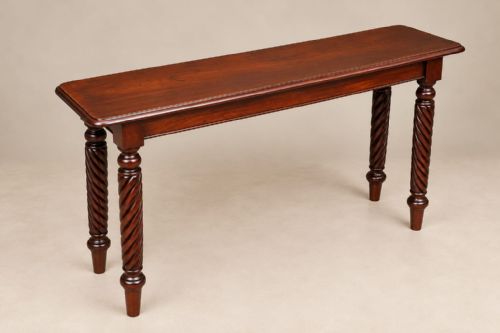
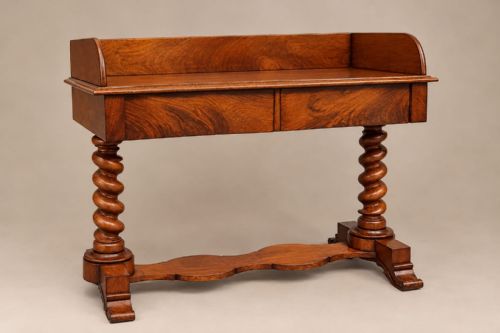
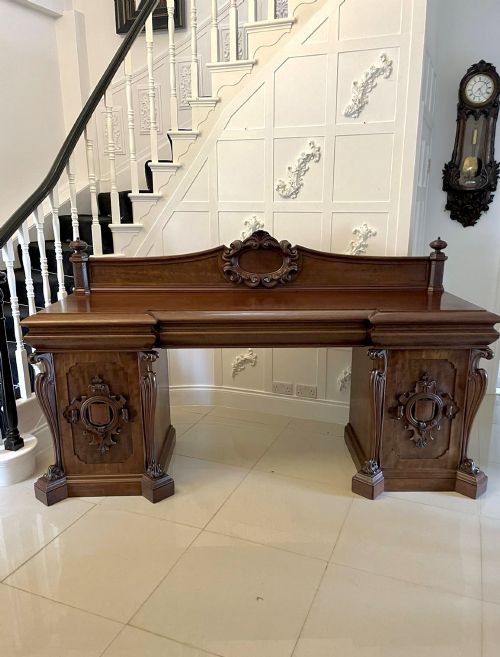
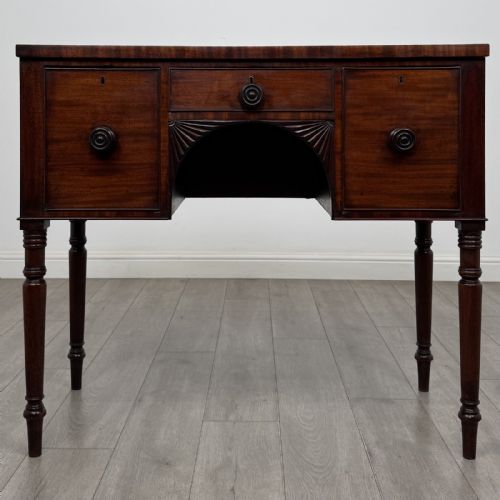
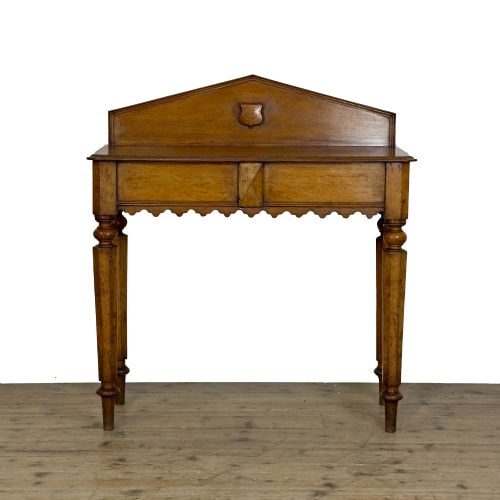
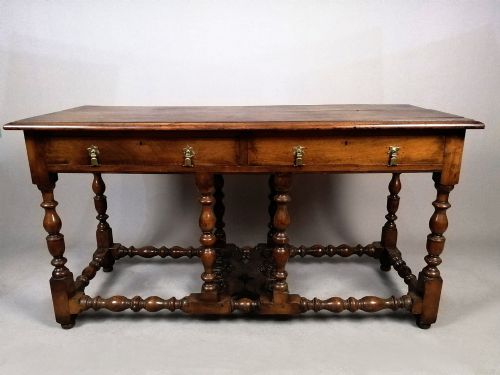
19th Century Server Table
A 19th century server table offers practical surface space and storage, bringing regional character and traditional craftsmanship into a dining room or hallway.
19th Century Server Table
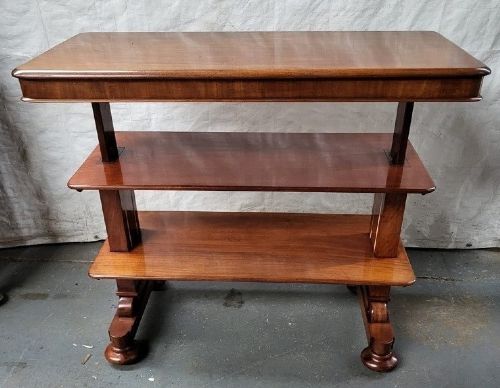
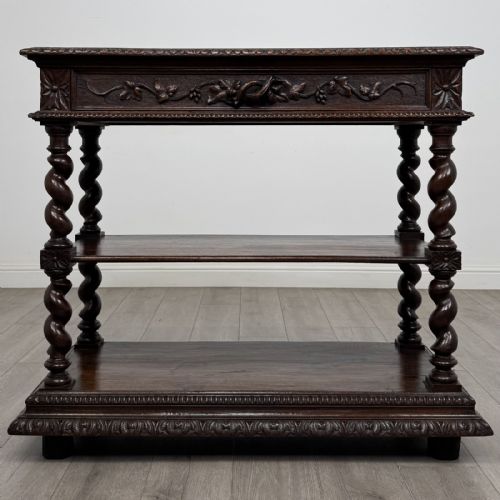
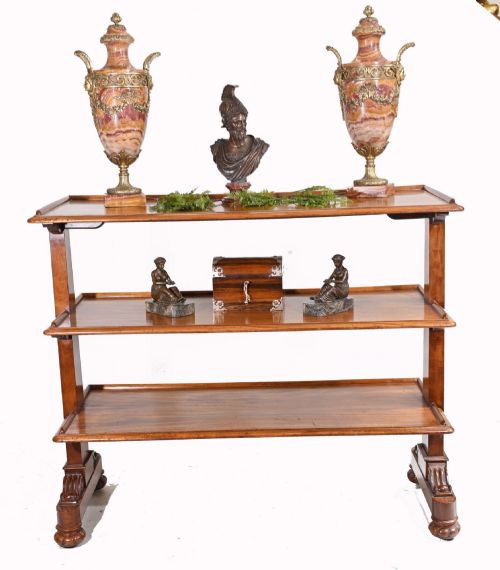
A 19th century server table spans diverse regional styles, appearing as console tables, dresser bases, and servers. These pieces originate from distinct design traditions including French Provincial, Welsh Country, and Anglo-Indian aesthetics.
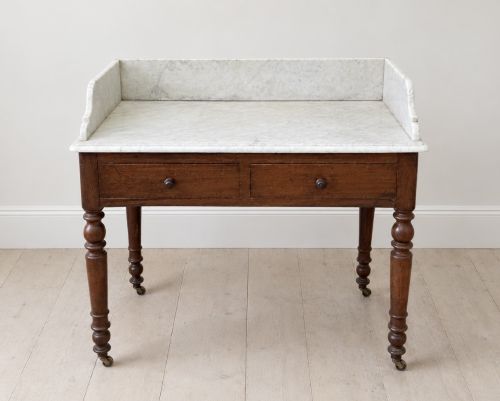
Buyers frequently encounter variants featuring multiple drawers constructed from timbers such as oak, cherrywood, pine, and fruitwood. Painted finishes and rustic farmhouse forms also emerge across the available selection.
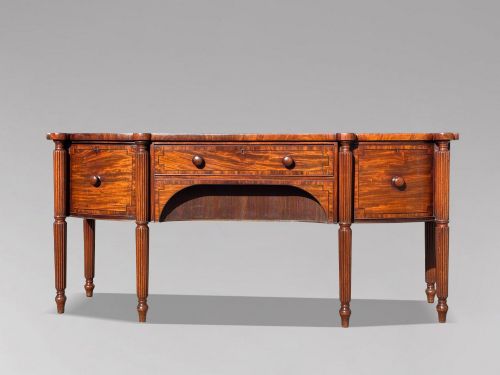
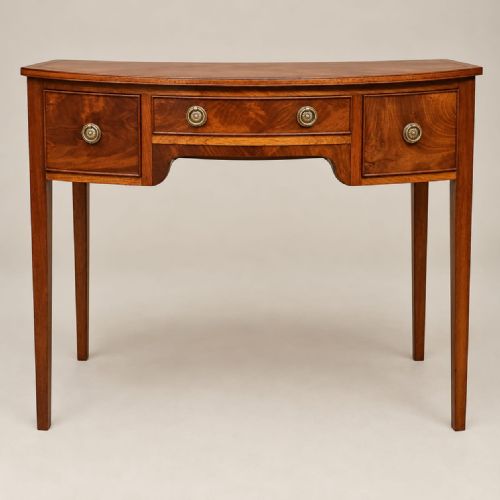
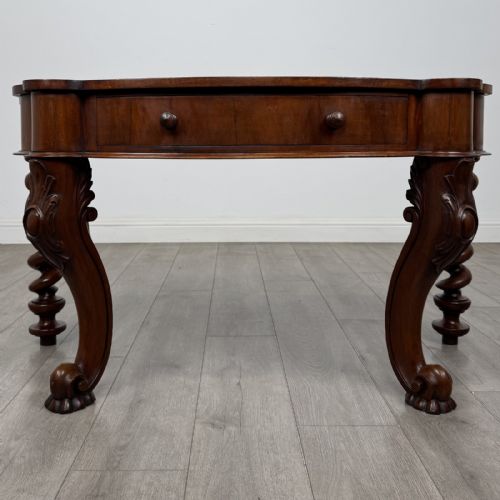
The category encompasses formal mahogany examples from the William IV period alongside utilitarian pine prep tables. Each configuration reflects the specific domestic requirements of its original setting.
Materials and construction
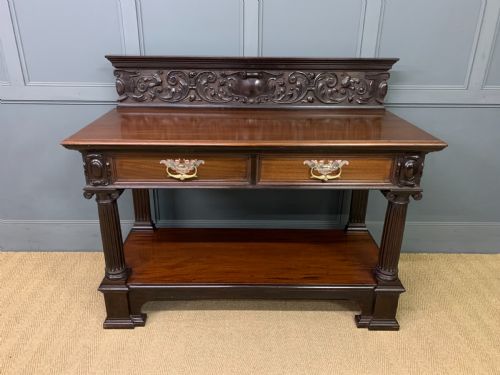
Cabinetmakers utilised a variety of native and exotic woods, combining hardwoods like oak and cherrywood with softer timbers such as pine and fruitwood. Brass hardware frequently appears on drawer fronts as functional and decorative mounts.
Construction techniques involve traditional joinery suited to heavy domestic use, paired with painted surface treatments. Unpainted surfaces display the natural grain and patination developed over decades of use.
19th Century Server Table Retail Price Guide 2026
Typical asking prices for 19th century server table among the pieces listed under this phrase on Sellingantiques today, from the lower quarter to the upper quarter. They describe what is for sale here now, not the wider market.
Listings feature woods including oak, pine, cherrywood, fruitwood, teak, and mahogany alongside brass hardware.
Distinctions in quality
Quality differences emerge through the selection of timber and the sophistication of regional joinery. Finer examples display carefully chosen grain patterns in woods like mahogany or cherrywood, whereas utilitarian pieces rely on simpler pine construction.
The presence of original hardware, integrated drawers, and surface finishes such as period paint layers distinguishes standard regional pieces from more formally styled console tables.
The 19th Century Server Table Glossary
- Dresser base
- A low sideboard or cabinet featuring storage drawers, often utilised for serving food or storing dining equipment.
- Console table
- A table designed to stand against a wall, frequently supported by decorative legs or brackets.
- William IV
- A British architectural and decorative style spanning the 1830s, characterised by robust classical proportions and quality mahogany timbers.
- Anglo-Indian
- Furniture made in India by local craftsmen following British stylistic requirements, often utilising dense hardwoods.
- Provencal
- Originating from the Provence region of France, denoting domestic furniture with regional rustic charm.
19th Century Server Table: Frequently Asked Questions
What is a 19th century server table used for?
These tables provide surface area and storage through integrated drawers, serving dining rooms and hallways alike.
Historically, they held dishes and food before service, functioning as practical work surfaces in kitchens or dining spaces.
How do I identify a William IV table?
William IV pieces typically feature dense mahogany timbers and heavier classical proportions reflecting the 1830s aesthetic.
They stand apart from rustic pine or painted regional furniture through their formal architectural details.
Where were these tables made?
Originating across Britain, France, and India, these pieces reflect local workshop traditions and material availability.
French examples often utilise cherrywood and pine, while Anglo-Indian pieces showcase distinctive regional hardwoods.
Are painted finishes period correct?
Yes, many regional pieces from Wales and France feature painted surfaces applied during the nineteenth century.
Paint colours and patination vary according to the specific geographic origin and subsequent domestic history of the table.