

19th Century Sabre
These 19th century sabre items encompass military blades and distinctive sweeping furniture supports that bring classical elegance to any interior.
19th Century Sabre
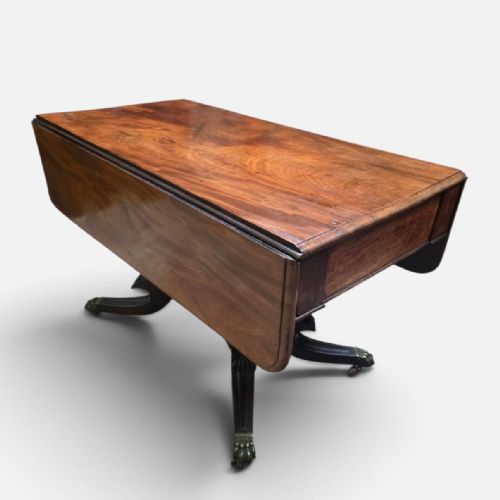
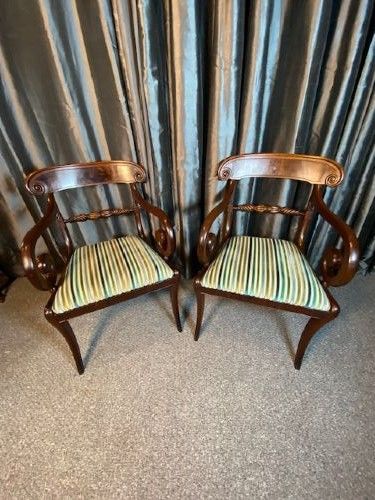
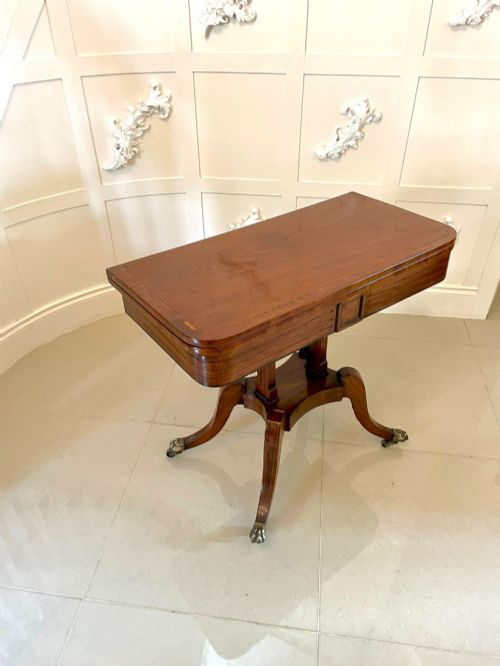
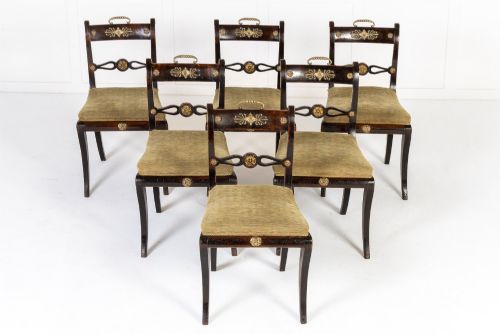
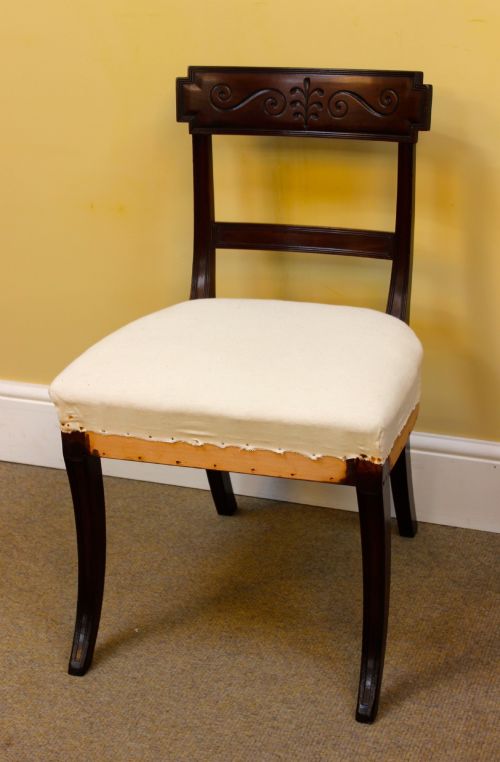
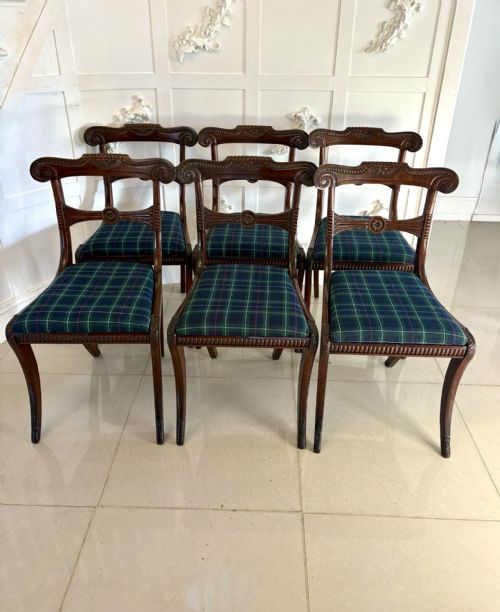
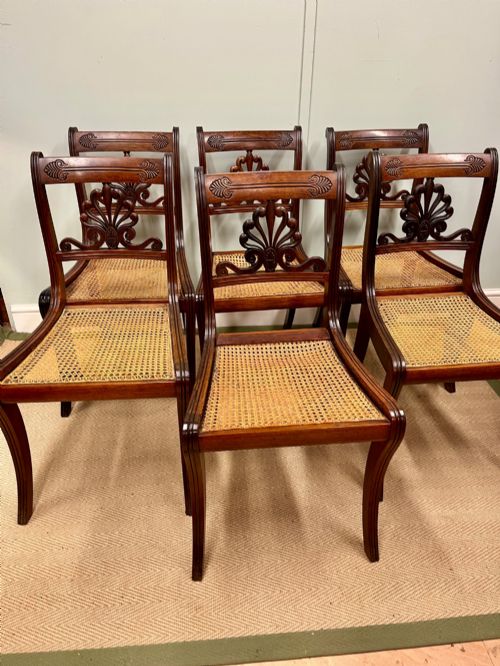
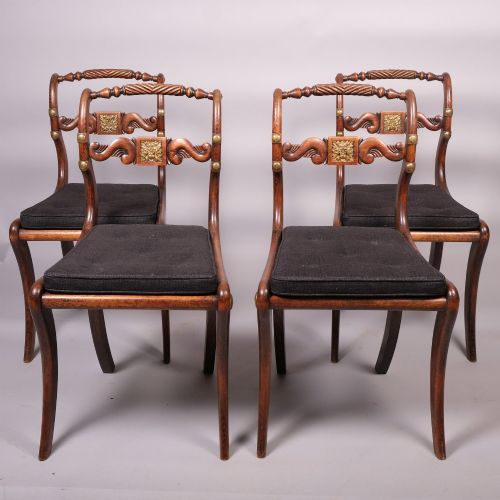
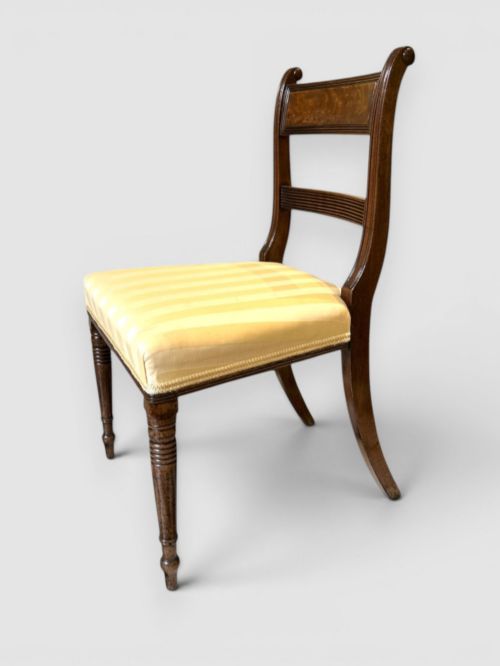
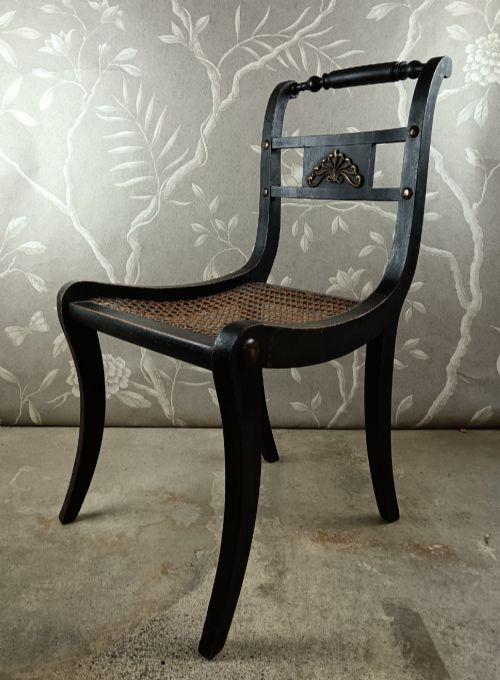
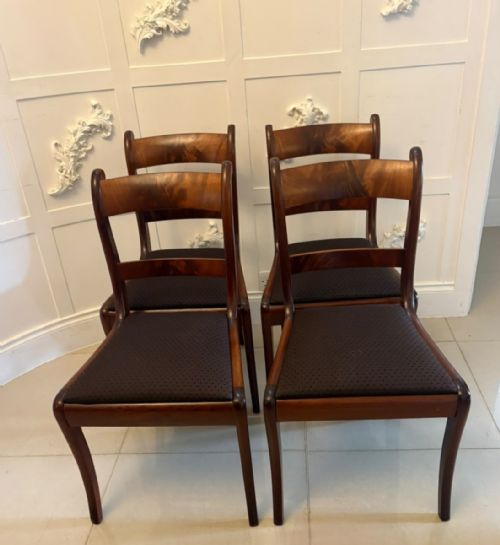
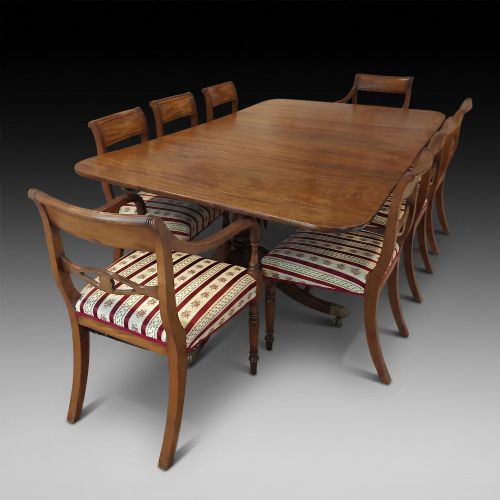
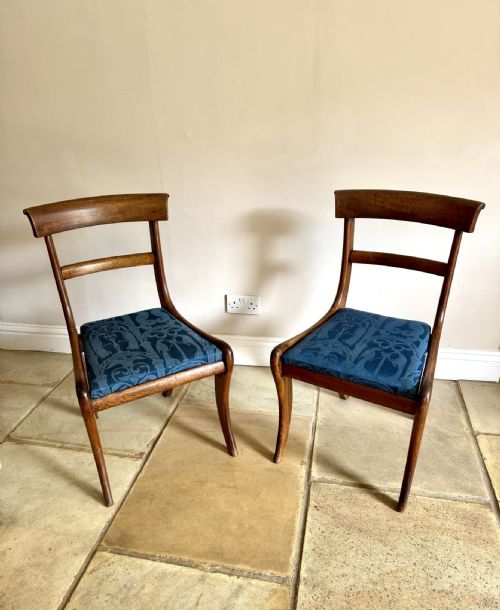
When searching for a 19th century sabre, you encounter both edged military weapons and domestic furniture defined by curved legs. The furniture listings predominantly showcase Regency and Georgian dining chairs, armchairs, and tables featuring distinctive outward-curving supports.
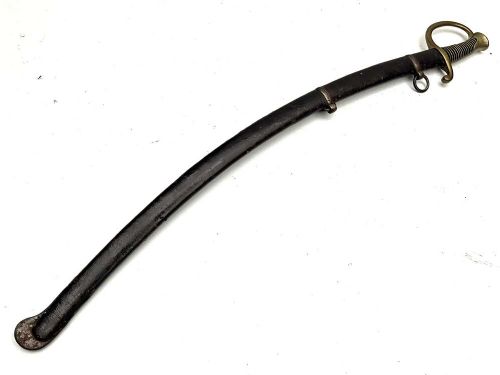
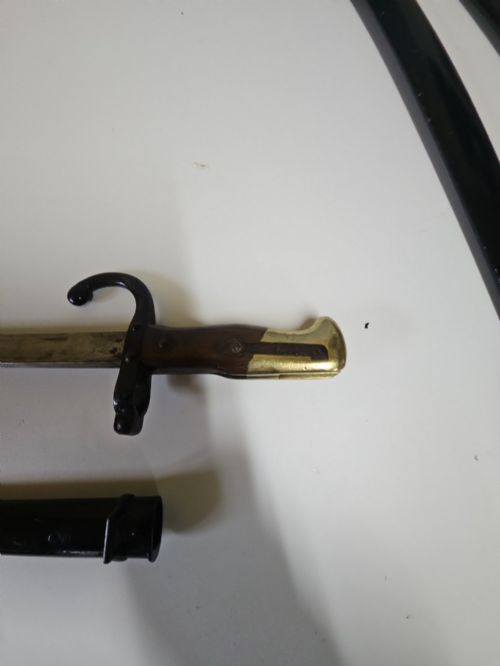
Military examples range from French and British cavalry swords to Indo-Persian tulwars and frontier kora-type blades. These functional objects capture the martial history of the 1800s alongside the refined domestic design of the same era.
Materials and Construction
The furniture pieces utilise dense timbers such as mahogany, rosewood, and ebonised wood, often shaped with graceful curves for legs and backrests. Brass mounts, sabots, and castors frequently accent the wooden frames.
Blades and military items combine steel and iron construction with leather grips and fabric elements. Cabinetmakers employed techniques like crossbanding, inlay, and carving to finish the domestic tables and seating.
19th Century Sabre Retail Price Guide 2026
Typical asking prices for 19th century sabre among the pieces listed under this phrase on Sellingantiques today, from the lower quarter to the upper quarter. They describe what is for sale here now, not the wider market.
Several dining chair sets include a lone carver chair, ready to preside over the table with slightly wider armrests.
Judging Quality and Execution
Quality in these pieces rests upon the precision of the timber carving and the integrity of the original components. Finer furniture displays well-figured mahogany or rosewood grain paired with crisp joinery.
On swords and military pieces, the clarity of engravings on the steel blade and the preservation of original grips and mounts determine the standard. Matching sets of dining chairs command attention through uniform wood selection and balanced proportions.
E Thurkle of Soho·Gillows·Thomas Hope
The 19th Century Sabre Glossary
- Sabre leg
- A curved furniture support that sweeps outward and backward, mimicking the profile of a military cavalry sword.
- Crossbanding
- A decorative border technique where veneer strips are laid perpendicular to the grain of the main surface.
- Sabot
- A protective metal sleeve or socket fitted to the foot of a furniture leg.
- Tulwar
- A curved South Asian sword originating from the Indian subcontinent.
- Bergère
- An enclosed upholstered armchair with wooden framing visible around the sides and back.
19th Century Sabre: Frequently Asked Questions
What is a sabre leg on furniture?
A sabre leg is a distinctly curved furniture support that tapers toward the foot, echoing the profile of a military cavalry sword. This form became popular during the Regency period.
Cabinetmakers utilised this shape on dining chairs, armchairs, and small tables to impart a sense of dynamic movement to heavy timbers like mahogany.
How do I care for rosewood and mahogany?
These dense tropical hardwoods require stable indoor humidity and protection from direct sunlight to prevent the timber from drying out or fading. Regular dusting with a soft, dry cloth preserves the polished finish.
Avoid commercial silicon sprays and instead rely on traditional beeswax applications sparingly to maintain the natural sheen of the grain.
What periods do these pieces cover?
The items span the Georgian, Regency, and Victorian eras, primarily covering the 1800s up through the late 19th century. This broad timeframe includes classical revival designs and active military campaigns.
Stylistic shifts move from restrained classical lines toward heavier proportions and more ornate detailing as the century progresses.
Where were military sabres used?
Military sabres saw active service across European cavalry units, colonial conflicts, and American engagements. These edged weapons served as primary sidearms for mounted troops.
Many surviving blades bear the marks of specific national patterns and armouries from the 19th century.