




Antique Militaria Sword
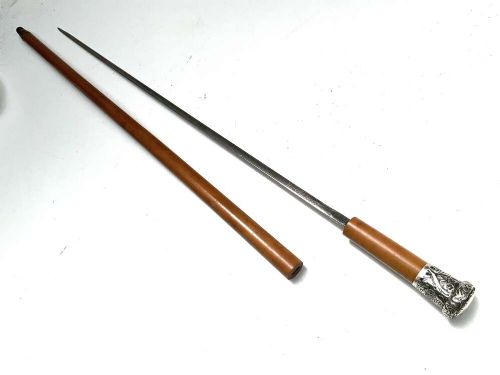
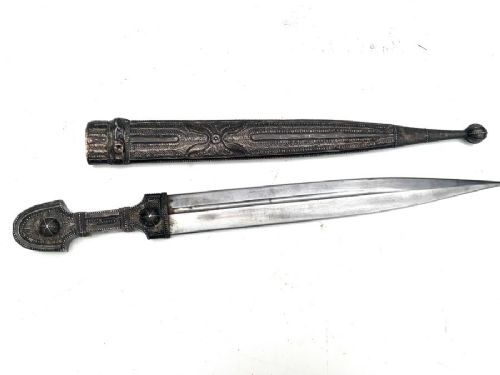
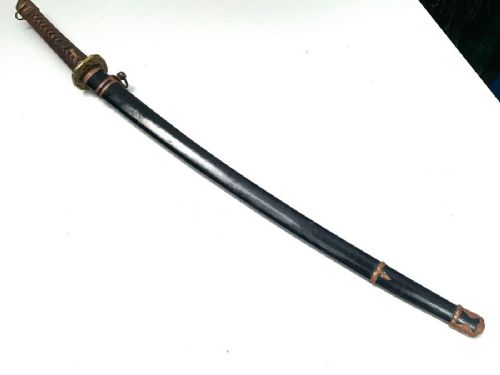
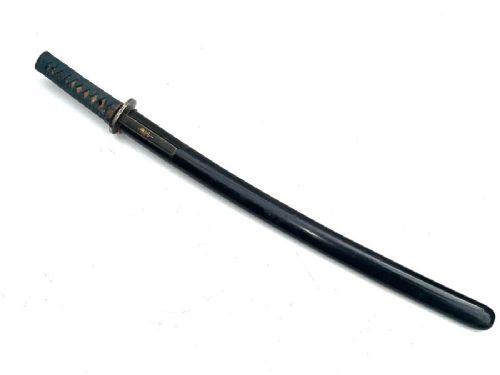
These antique militaria sword examples range from samurai blades to heavy cavalry sabres, offering historical craftsmanship for the collector.
Antique Militaria Sword
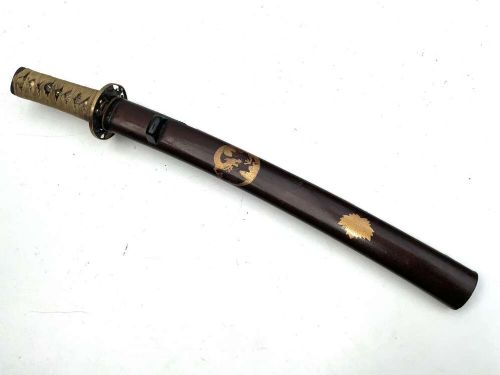
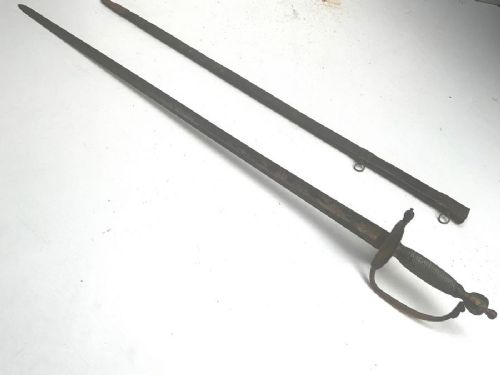
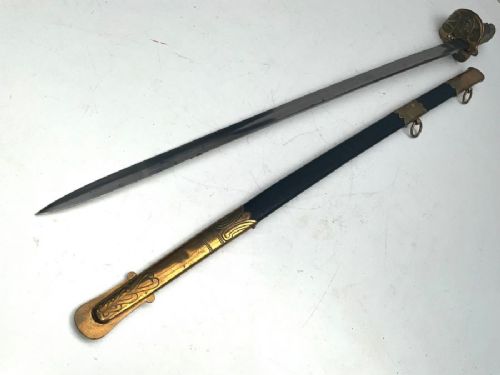
When you search for an antique militaria sword, you encounter edged weapons spanning several centuries and diverse global military traditions. The selection includes everything from Japanese samurai wakizashi and katana to British officer spadroons and American civil war cavalry sabres.
You are most likely to meet 18th- and 19th-century military pieces alongside Japanese feudal examples and Victorian military equipment. These range from field-service swords and naval presentation pieces to functional daggers and swagger sticks.
Geographic origins vary widely across the inventory, encompassing British, German, French, American, Indian, Caucasian and Japanese workshops. Each piece reflects the specific martial requirements and design standards of its native period.
Materials and construction
Blades and guards utilise robust metals such as steel, iron and brass, often paired with wooden grips and leather scabbards. Specialised pieces incorporate ray skin and lacquer for textured handles and protective finishes.
Decorative elements involve blue gilt treatments, high relief metalwork and specialised fittings like the tsuba on Japanese swords. Construction methods combine traditional oriental folding techniques with European military smithing.
Materials in the current listings span steel, brass, wood, leather, iron, lacquer, ray skin and silver across multiple centuries.
Distinctions in quality
The refinement of the metalwork and the precision of the blade geometry separate standard issue items from presentation grade or bespoke weapons. Superior examples display crisp detailing in mounts, guards and scabbard fittings.
Historical association and the integrity of original components heavily influence the standing of a piece within its category. Matching scabbards, legible dates and intact grip wrappings preserve the historical completeness of the weapon.
The Antique Militaria Sword Glossary
- Spadroon
- A light, straight-bladed single-edged military sword popular with British officers.
- Wakizashi
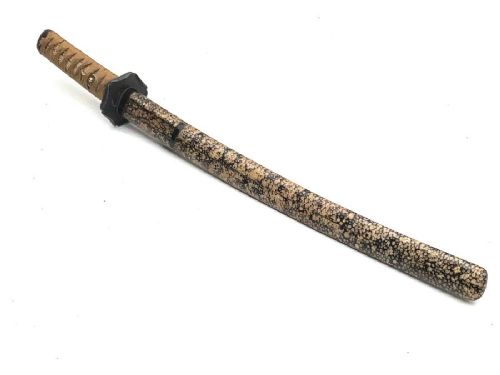
- A traditional Japanese short sword worn by the samurai class alongside the katana.
- Tsuba
- The traditional guard at the base of the blade on Japanese swords, frequently decorated in high relief.
- Kindjal
- A traditional long double-edged dagger originating from the Caucasian region.
- Tulwar
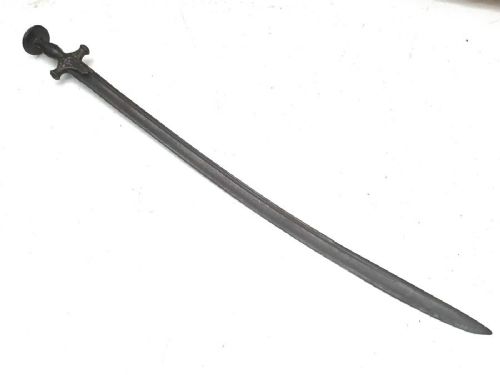
- A curved single-edged sabre originating from the Indian subcontinent, characterised by a distinctive disc-hilted grip.
- Bayonet
- A bladed weapon designed to fit to the muzzle of a rifle for close combat.
Antique Militaria Sword: Frequently Asked Questions
What is an antique militaria sword?
An antique militaria sword is an edged weapon produced for military service, ceremonial use or personal defence in past centuries. These pieces encompass global military traditions from British cavalry sabres to Japanese samurai swords.
They serve as historical artefacts reflecting the martial technology and artistic standards of periods ranging from pre-16th century feudal eras to the twentieth century.
How do I identify the age?
Dating relies on examining blade patterns, military stamps, inscriptions, manufacturing materials and stylistic traits associated with specific reigns or conflicts. Evidence often points to distinct eras such as the Victorian period or the Edo period in Japan.
Matching the pattern date or official issue markings provides a reliable timeframe for military swords and edged weapons.
Were these swords actually used in combat?
Many military swords saw active service in conflicts ranging from the Napoleonic Wars to the American Civil War and the Sikh Wars. Field-grade weapons show the functional characteristics of active military deployment.
Conversely, presentation swords and officer pieces were frequently commissioned for ceremonial duties or given as marks of distinction rather than frontline combat.
How should I display a sword?
Swords and edged weapons are typically displayed using wall-mounting brackets or horizontal stands that support the weight securely without stressing the hilt. Proper placement keeps the steel away from excessive moisture and direct sunlight.
Maintaining stable indoor humidity prevents corrosion on exposed steel blades and preserves organic materials like leather and wood.