


Steel Blade Sabre
These steel blade sabre examples are military swords spanning the eighteenth to the twentieth centuries, prized by collectors for their historical edge and combat form.
Steel Blade Sabre
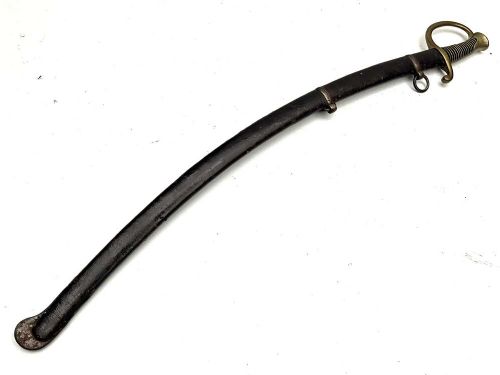
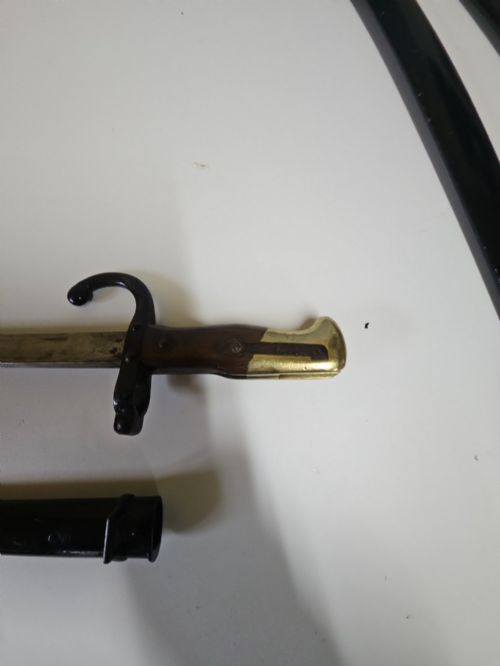
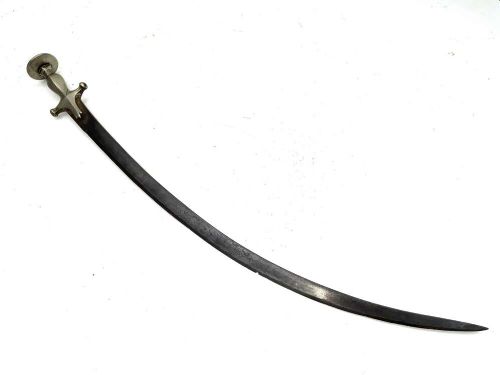
When you search for a steel blade sabre, you are looking at military edged weapons spanning the eighteenth, nineteenth, and mid-twentieth centuries. The selection includes cavalry sabres, bayonets, heavy cavalry patterns, and tulwars from various international origins.
You are most likely to meet nineteenth-century examples on this page, including pattern cavalry sabres and Victorian bayonets. These pieces represent the operational military hardware of British, French, German, American, and Indian forces from distinct historical eras.
How steel blade sabre items were made
The construction of these weapons relies primarily on forged steel for the blades, combined with brass, iron, and silver for hilts and guards. Selected pieces feature wooden handles or leather coverings on their grips and scabbards.
Manufacturing techniques combine metal forging for the curved and straight blades with cast metal work for the hilts and guards. Craftsmanship reflects military production standards of the Georgian, Victorian, and later periods.
Periods represented span the eighteenth century, the Victorian era, and the mid-twentieth century.
What varies in quality
Quality varies according to the preservation of the forged steel blade and the integrity of the hilt assembly, whether brass, iron, or silver. Pieces that retain their original leather or metal scabbards demonstrate higher completeness.
Differences in standard emerge through the precision of the pattern work, such as the distinct configurations seen in British and French cavalry issues compared to regional Indo-Persian tulwars.
The Steel Blade Sabre Glossary
- Sabre
- A backsword with a curved blade intended primarily for cutting from horseback. Most examples in this group relate to light or heavy cavalry use.
- Bayonet
- A blade designed to fit to the muzzle of a rifle for close combat. Victorian examples appear frequently in military collections.
- Scabbard
- A sheath for holding a sword, dagger, or other large blade. Surviving metal or leather scabbards protect the steel edge.
- Tulwar
- A traditional curved sword originating from the Indian subcontinent. Silver handles often distinguish these specific regional arms.
Steel Blade Sabre: Frequently Asked Questions
What periods do these sabres cover?
The inventory spans the eighteenth century through to the mid-twentieth century.
Dates include specific patterns from the seventeen-nineties up to the nineteen-forties.
Which countries manufactured these swords?
Origin points include Britain, France, Germany, America, and India.
Each nation produced distinct patterns for its cavalry and infantry units.
Are scabbards included with the sabres?
Certain listings pair the sword with its original protective scabbard.
Scabbard materials match the military specifications of the issuing nation and period.
What materials make up the hilts?
Hilt construction utilises brass, iron, silver, and wood.
Regional variants like Indian tulwars frequently incorporate worked silver handles.