
Antique Steel Sword
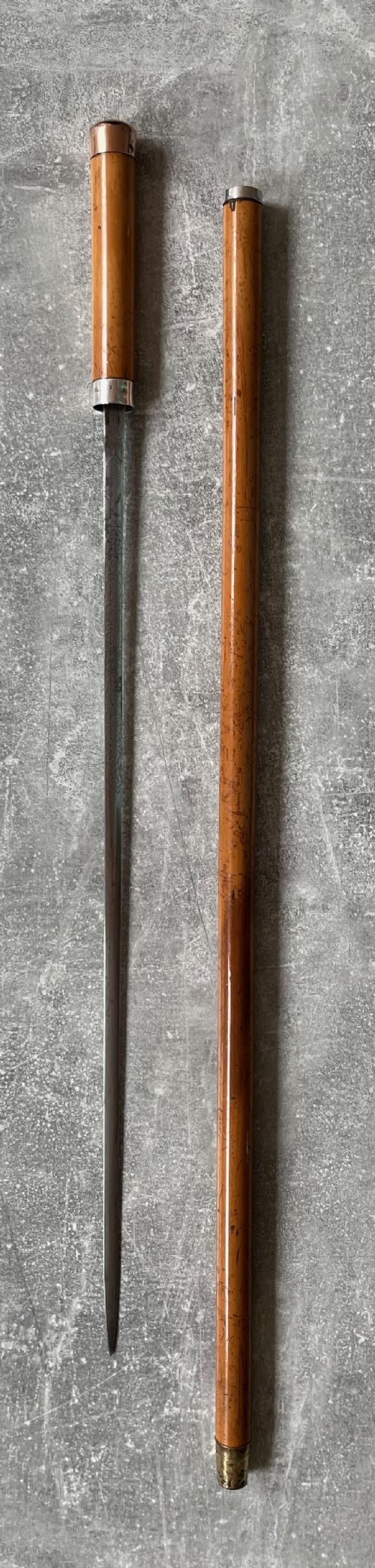
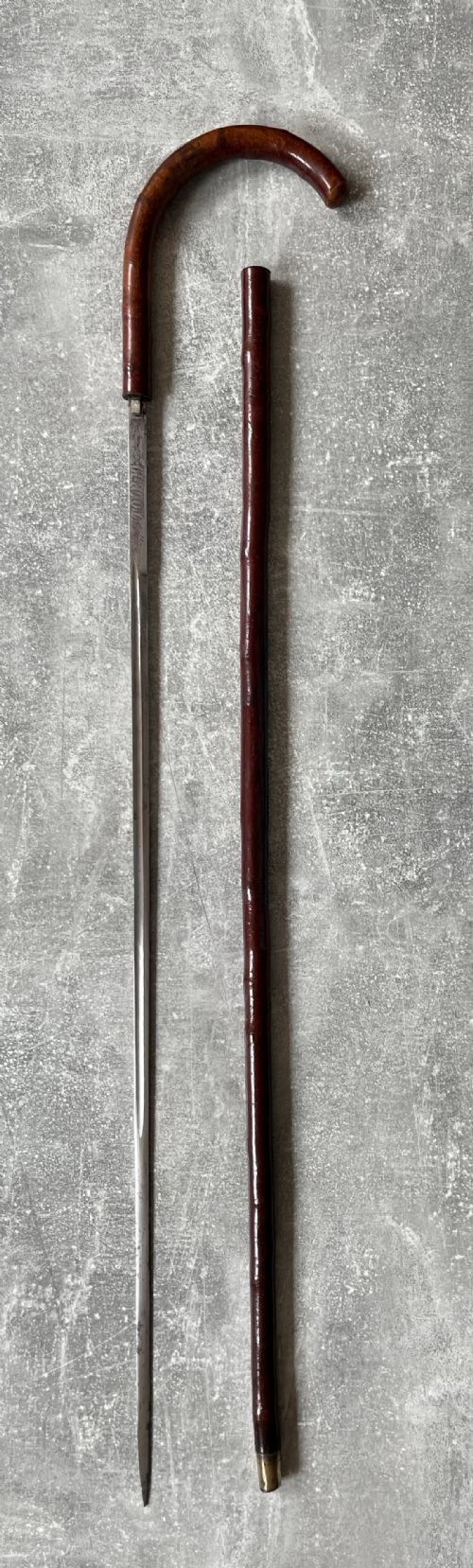
An antique steel sword represents centuries of military authority and personal defence, spanning heavy cavalry sabres and concealed walking stick blades.
Antique Steel Sword
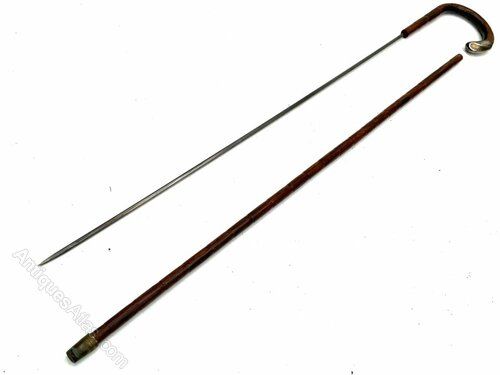
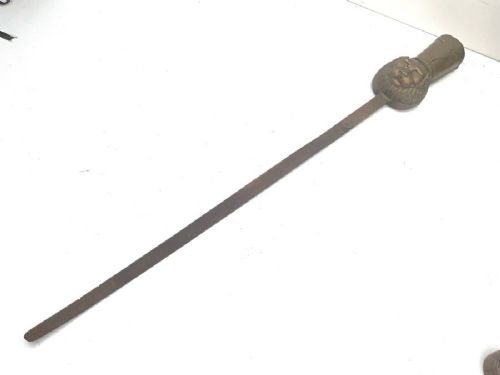
The search for an antique steel sword uncovers military service weapons alongside civilian walking sticks concealing hidden blades within timber shafts. These pieces originate from British, French, German, American, Japanese, Indian, and Caucasian traditions across several centuries.
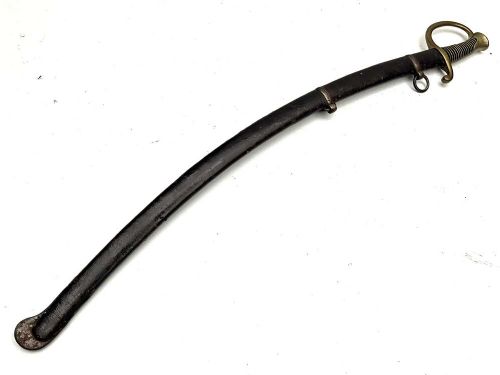
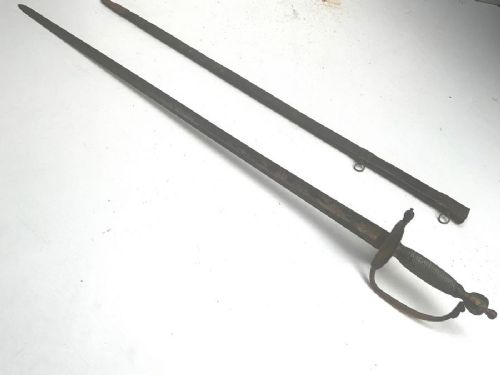
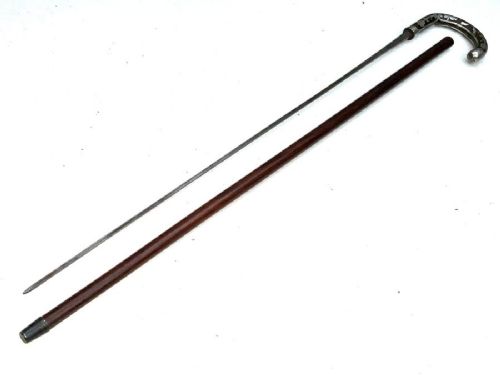
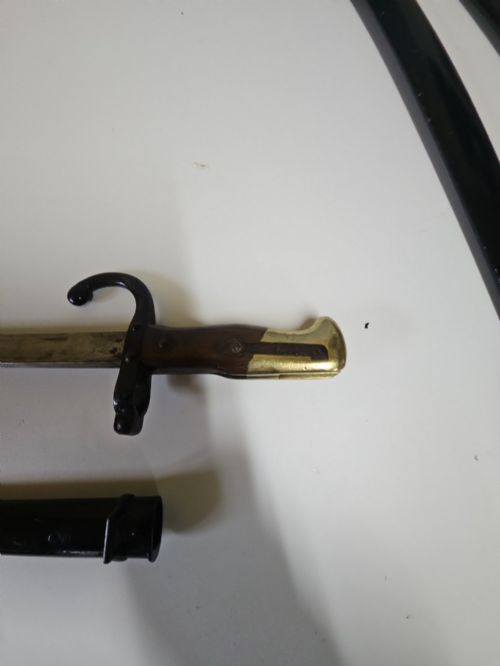
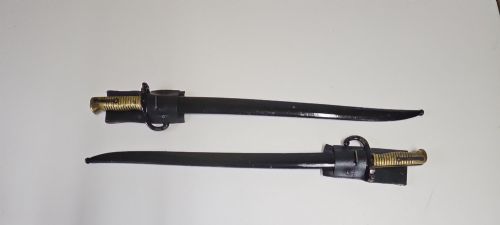
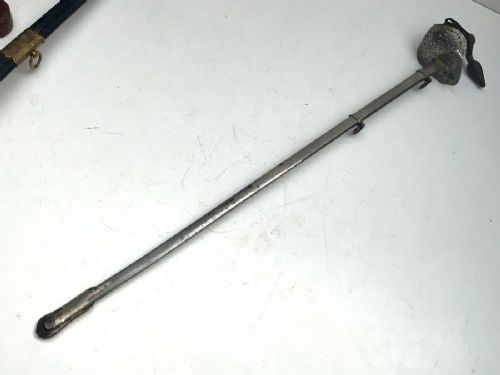
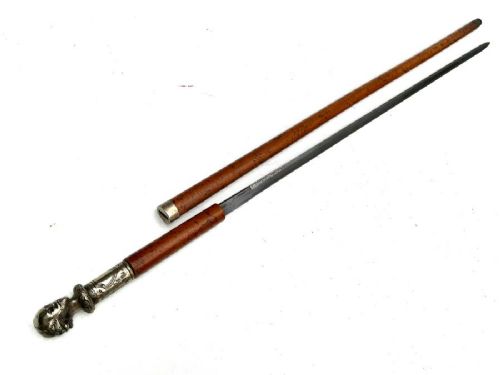
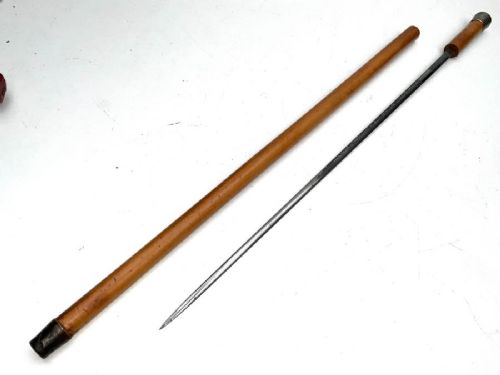
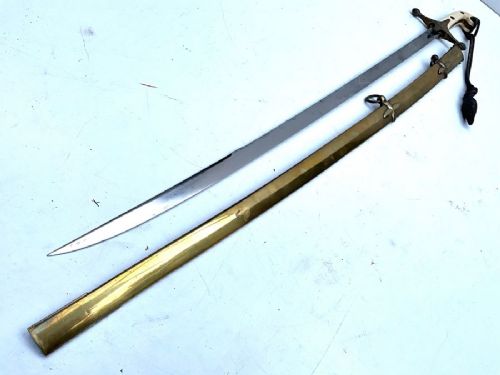
Military examples range from heavy cavalry sabres and officer spadroons to bayonets and mameluke swords. Civilian variants present themselves frequently as malacca, partridge wood, cherrywood, or bamboo walking canes fitted with etched Toledo steel.
Examples date from sixteenth-century Japanese wakizashi to twentieth-century military officer walking sticks. Victorian pieces dominate the selection, often pairing steel blades with brass, silver, or horn mounts.
Materials and Construction
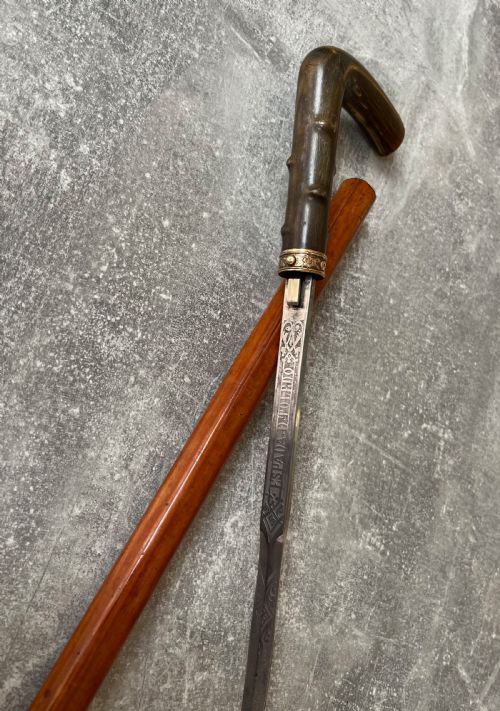
Handles incorporate natural materials including horn, wood, and root ends, occasionally decorated with gold or silver collars. Blades demonstrate specialised manufacturing techniques such as blue gilding and intricate etching.
One recorded fireplace accessory repurposed an antique sword into a fireside poker.
Quality and Execution
Quality rests upon the maker's reputation, evident in named blades such as Wilkinson output versus unmarked alternatives. The precision of the release mechanism in walking stick swords dictates functional superiority.
Artistic execution on mounts, silver collars, and etched blade decoration separates standard military issue from bespoke gentleman's commissions. Preservation of original scabbards and matching components elevates the piece.
The Antique Steel Sword Glossary
- Wakizashi
- A traditional Japanese short sword worn alongside a katana by the samurai class. This blade form appears in holdings dating from the Muromachi and Edo periods.
- Kindjal
- A double-edged Caucasian dagger featuring a wide blade and minimal crossguard. These pieces originate from nineteenth-century trade and conflict.
- Tulwar
- A traditional curved Indian sword with a characteristic disc hilt. Examples include silver handles and historical association with the Sikh Wars.
- Mameluke
- A curved military sword modelled on traditional Middle Eastern sabres adopted by Western cavalry officers. The pattern became popular during the nineteenth century.
Antique Steel Sword: Frequently Asked Questions
How do I identify a sword cane?
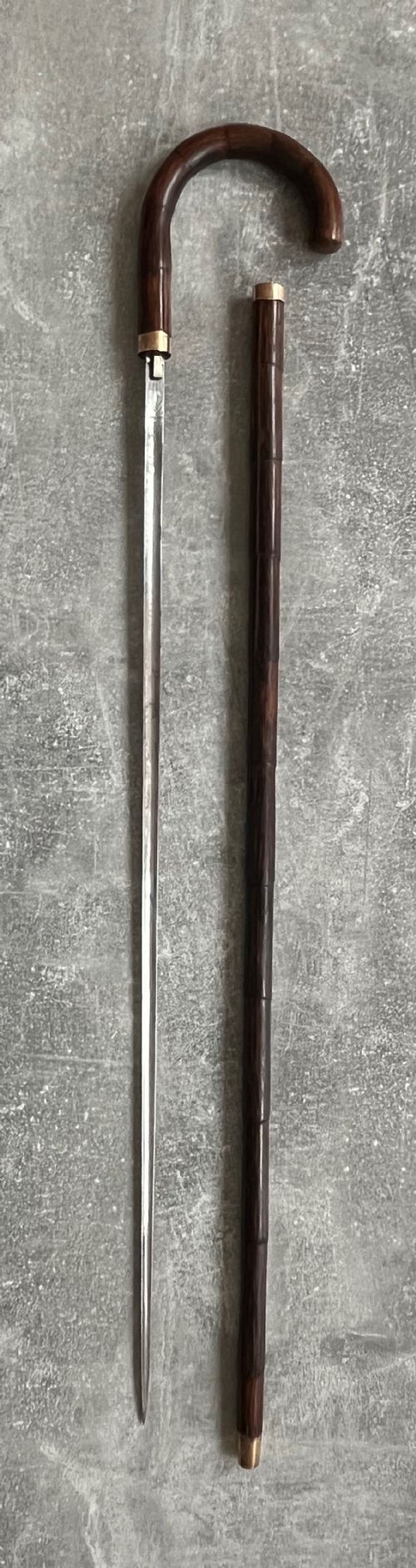
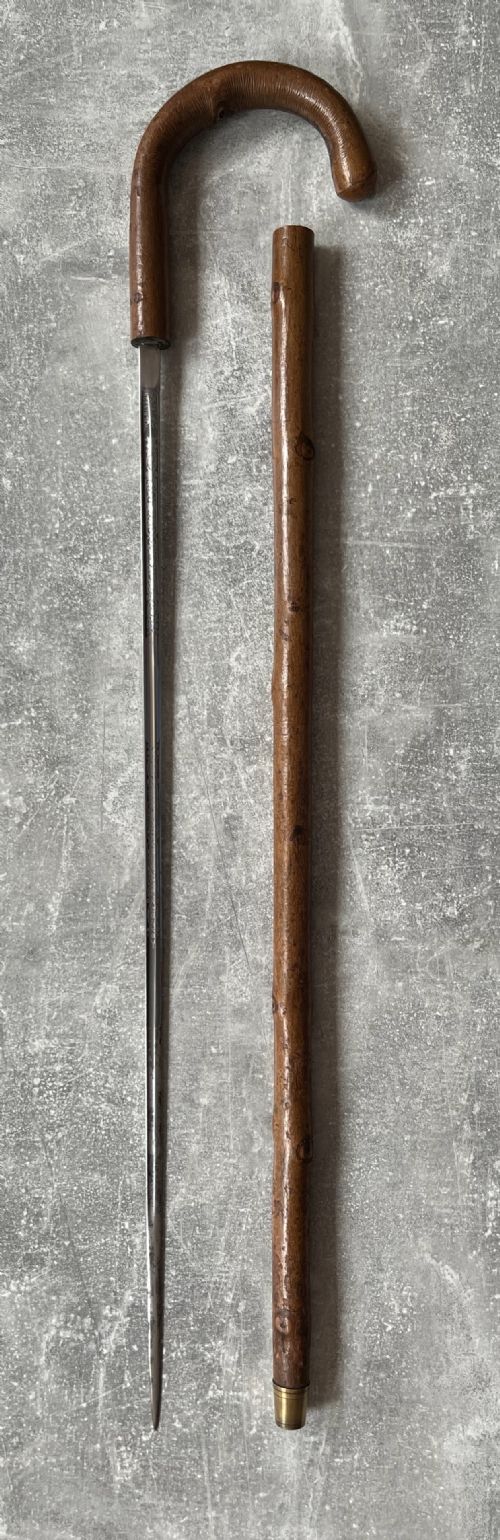
A sword cane disguises a steel blade inside a wooden walking stick shaft, often secured by a button release mechanism.
Examination of the handle joint reveals the join where the scabbard meets the handle grip.
What is a Toledo blade?
Toledo blades originate from the historic Spanish metalworking centre renowned for spring steel production. These blades frequently show etched decoration and high flexibility.
Imported blades appear across British and European walking stick swords from the nineteenth century.
What defines a cavalry sabre?
A cavalry sabre is a curved steel sword designed for mounted troops to deliver slashing blows. Heavy pattern variants served British, French, and American military units.
These weapons usually accompany metal or leather scabbards.