



Antique Arms and Armour
Antique arms and armour bring tangible history into a room, offering functional historical objects forged for combat, defence, and ceremonial display.
Antique Arms and Armour
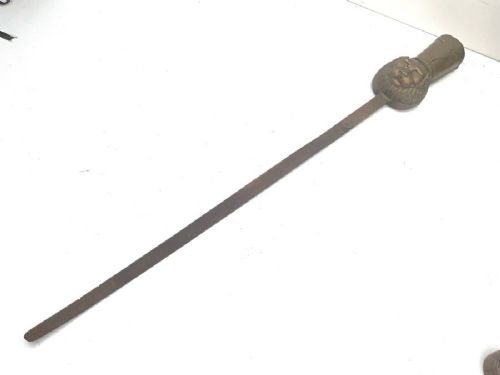
When you search for antique arms and armour, you encounter functional martial equipment spanning the seventeenth, eighteenth, and nineteenth centuries. These pieces encompass swords, daggers, matchlock muskets, firebacks, and polearm guards originating from European, Japanese, and Indo-Persian traditions.
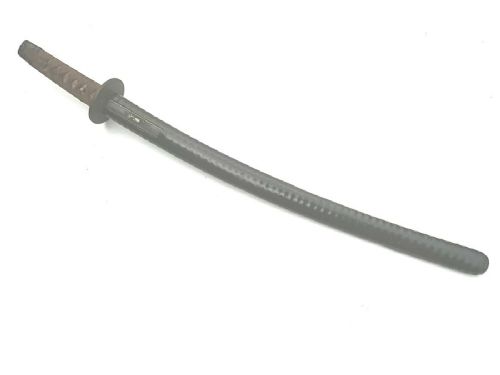
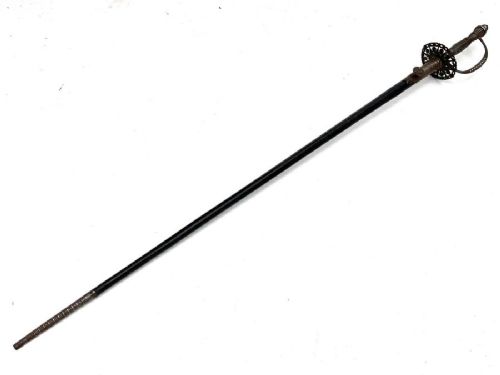
The selections available here lean heavily toward edged weapons and traditional firearms. Japanese samurai swords and Edo period mountings sit alongside South Indian matchlock muskets, Portuguese cup hilt swords, and French arch top firebacks.
Each object reflects the specific tactical requirements and aesthetic values of its region of manufacture. A buyer finds everything from finely mounted daggers to heavy iron firebacks designed to protect hearths.
How they were made
Makers shaped these pieces primarily using steel, iron, and wood, often combining structural metals with organic components like leather, rayskin, and lacquer. Sword blades and firearm barrels rely on forged steel and iron, requiring disciplined metalworking techniques to achieve durability and balance.
Decorative elements frequently involve precious metals and specialist surface treatments. Matchlock muskets incorporate extensive silver-mounting, while sword guards and handles utilise lacquer, rayskin, and intricate metal carving.
Listings feature items spanning the seventeenth to the nineteenth centuries, incorporating steel, iron, silver, wood, leather, and lacquered wood.
What varies in quality
Quality in these martial objects rests on the refinement of the forging, the integrity of the surviving mounts, and the preservation of original materials. A piece that retains its original silver-mounting, scabbard, or lacquer shows superior historical completeness compared to a component stripped of its context.
Artistic execution further separates standard military issue from bespoke or court pieces. Signed tsuba guards, detailed silver work on matchlock muskets, and complex hilt constructions like the Portuguese cup hilt display higher levels of specialist craftsmanship.
The Antique Arms and Armour Glossary
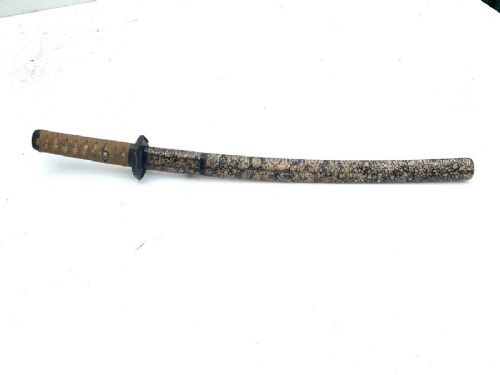
- Wakizashi
- A traditional Japanese samurai short sword worn alongside the katana. These blades date predominantly to the Edo period.
- Pesh Kabz
- A single-edged Indo-Persian dagger featuring a strong T-section spine designed to pierce mail armour. These weapons originate from Mughal and North Indian traditions.
- Toradar
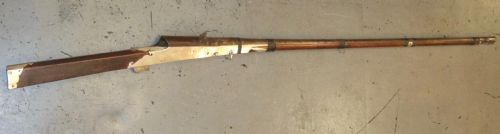
- A traditional South Indian matchlock musket characterised by its long barrel and distinct stock. These firearms often feature silver-mounted decoration.
- Tsuba
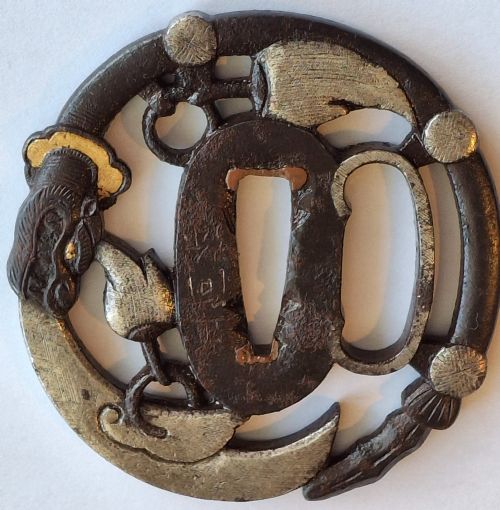
- A Japanese sword guard placed between the blade and grip of a sword or polearm. They are frequently forged from iron and decorated with motifs.
- Flamberge
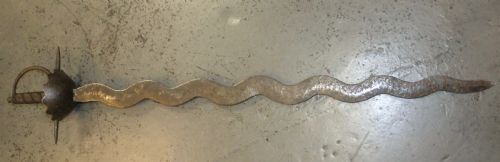
- A sword featuring a undulating, wavy blade designed to create severe wounds and parry opposing weapons. These were utilised during the seventeenth century.
Antique Arms and Armour: Frequently Asked Questions
What periods do these pieces come from?
The available inventory spans the seventeenth, eighteenth, and nineteenth centuries. This includes examples from the French Baroque era and the Japanese Edo period.
Dates range from the late seventeenth century up through the nineteenth century, capturing distinct regional manufacturing epochs.
How were matchlock muskets used?
Matchlock muskets like the Toradar functioned as shoulder firearms utilising a slow-burning match to ignite the gunpowder charge. They served military and defensive roles across South India.
These weapons required careful reloading procedures and steady handling during operational use in the field.
What materials are common in Japanese sword mountings?
Japanese sword mountings and guards utilise iron, lacquered wood, and rayskin. These materials provided structural strength and secure grip for the user.
Iron formed the protective tsuba guards, while rayskin and lacquer wrapped the wooden core handles of samurai weapons.
How do I identify an Edo period piece?
Edo period pieces originate from Japan between the seventeenth and nineteenth centuries. They include samurai swords, wakizashi mountings, and iron tsuba guards.
Items from this era often bear signatures from makers and reflect the distinctive social structure and craftsmanship of feudal Japan.
What is a fireback?
A fireback is a heavy iron plate placed at the back of a fireplace. It radiates heat back into the room and protects the masonry from intense flames.
Examples from this category feature decorative moulding such as architectural arches and heraldic motifs.