
Antique Steel Blade
An antique steel blade brings precision and history to a collection, taking forms from walking sticks to military sabres.
Antique Steel Blade
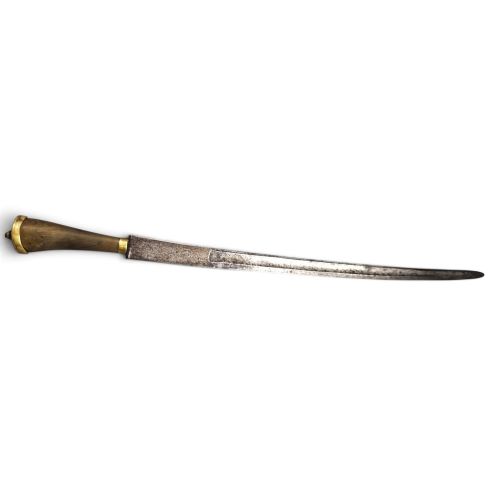
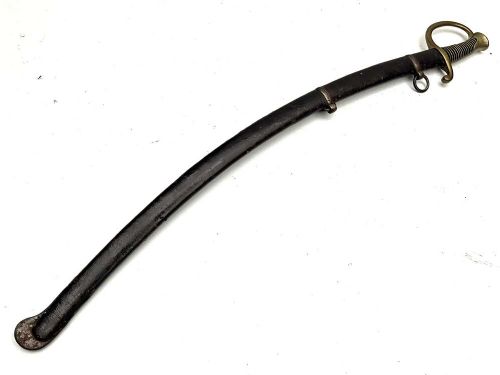
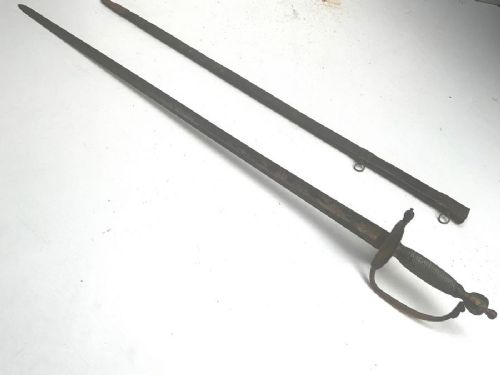
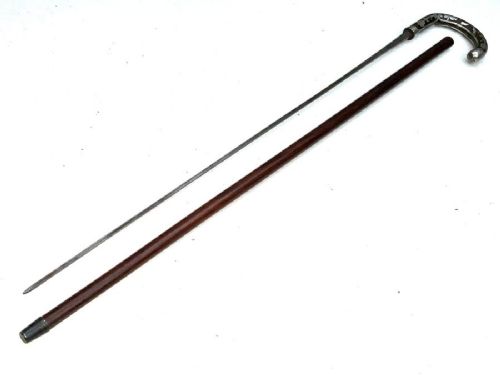
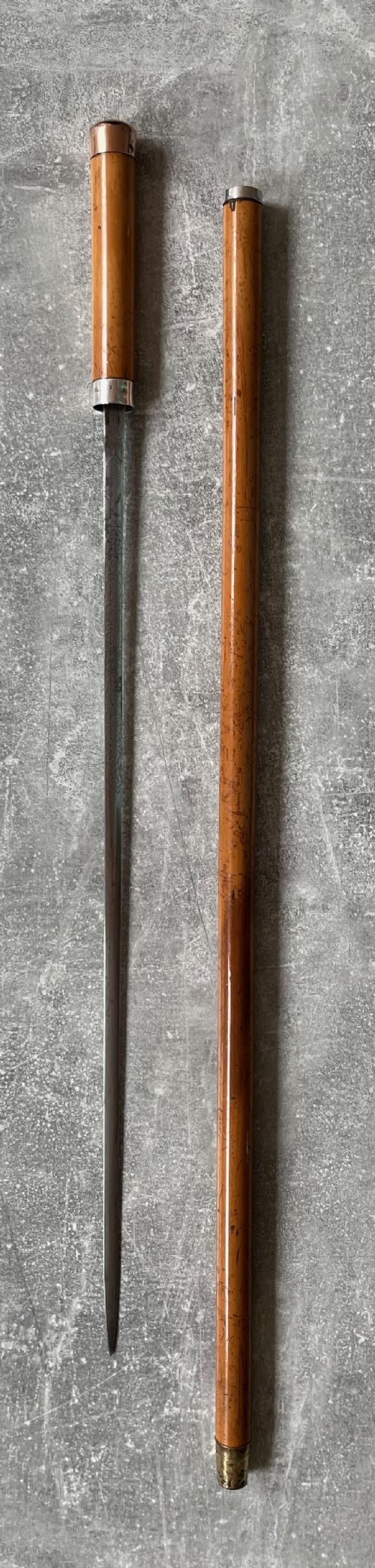
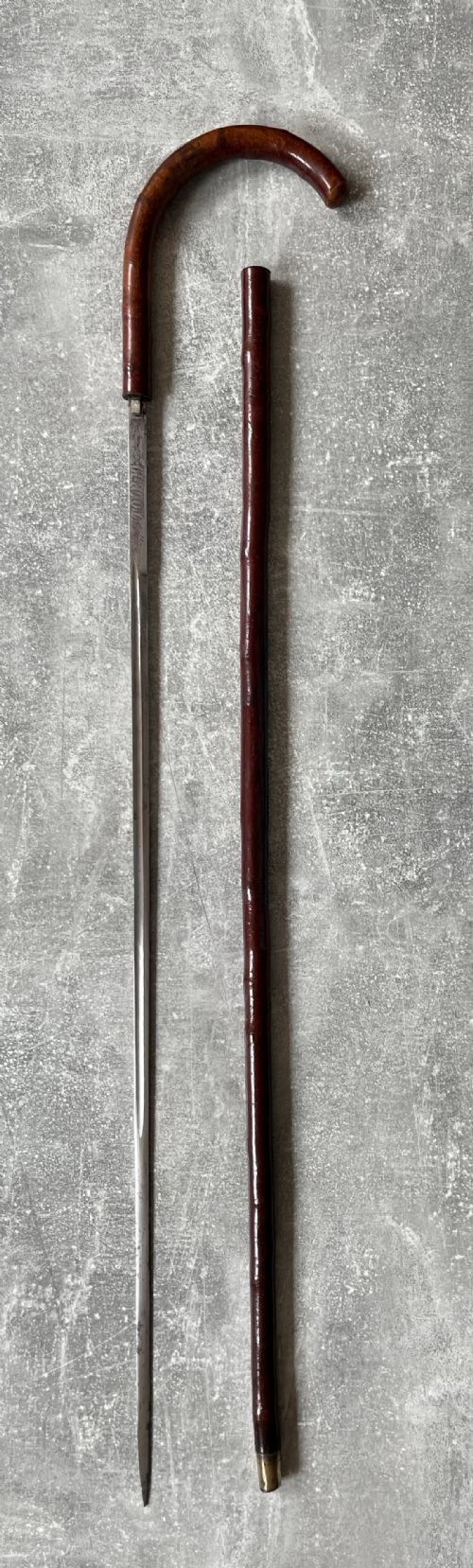
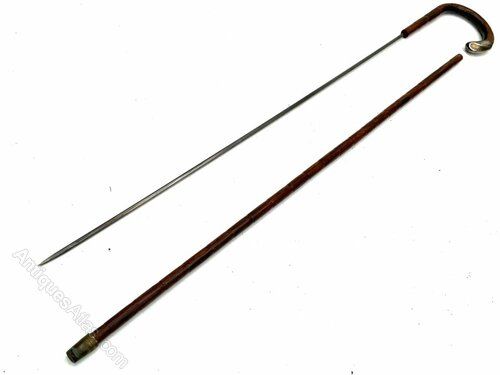
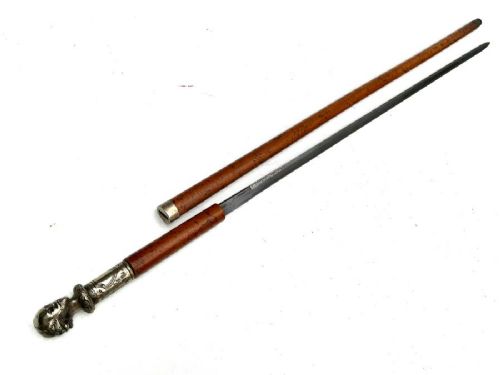
Every antique steel blade on this page represents a distinct period of edged craftsmanship, ranging from eighteenth-century Indian tulwars to twentieth-century military swords and commando knives. When searching for an antique steel blade, buyers typically encounter functional military equipment, ceremonial arms, and disguised civilian blades housed inside walking sticks and canes.
Materials and construction
Makers shaped these items using forged steel for the blades, paired with metals like brass, silver, and iron for crossguards, hilts, and mounts. Handles frequently incorporate natural materials such as wood, leather, horn, and faux or genuine bamboo.
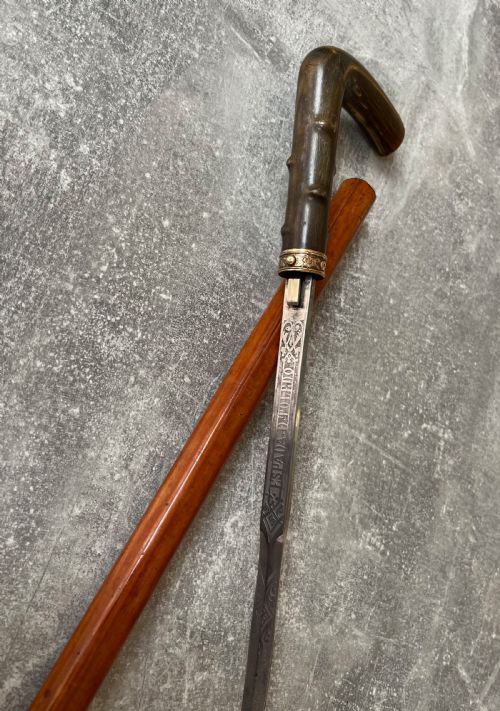
Blades often display etching, blueing, and gilt decoration applied to improve appearance or mark military service. Scabbards combine matching steel with leather bodies, wood cores, and metal collars.
Object types span walking sticks, swords, edged weapons, daggers, and bayonets.
Distinctions in craftsmanship
Quality rests in the integrity of the steel forging and the precision of the blade's geometry, alongside the durability of the mounting hardware. Maker-signed blades, such as those by Wilkinson, signal higher workshop standards.
The refinement of auxiliary elements, including engraved silver mounts, button-release mechanisms on sword sticks, and intact leather or metal scabbards, separates standard military issue from finer commissioned pieces.
Wilkinson
The Antique Steel Blade Glossary
- Toledo blade
- A blade produced in the Spanish city of Toledo, renowned for its flexible and resilient steel. These blades appear frequently inside nineteenth-century walking sticks.
- Wakizashi
- A traditional Japanese short sword worn by the samurai class alongside a katana. Examples range from the Koto period to later centuries.
- Bayonet
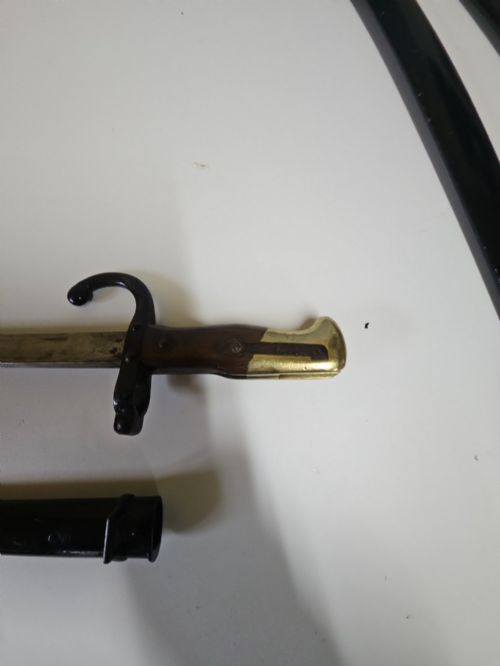
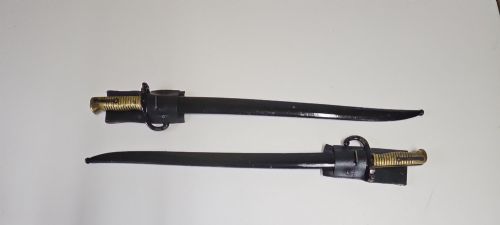
- A dagger or blade designed to be fitted to the muzzle of a rifle for close combat. Several nineteenth-century French and British patterns survive in steel.
- Spadroon
- A lightweight nineteenth-century military sword featuring a straight, single or double-edged blade intended for both cutting and thrusting.
- Katar
- An Indian push dagger characterised by an H-shaped horizontal hand grip that positions the blade above the user's knuckles.
Antique Steel Blade: Frequently Asked Questions
What is a sword stick?
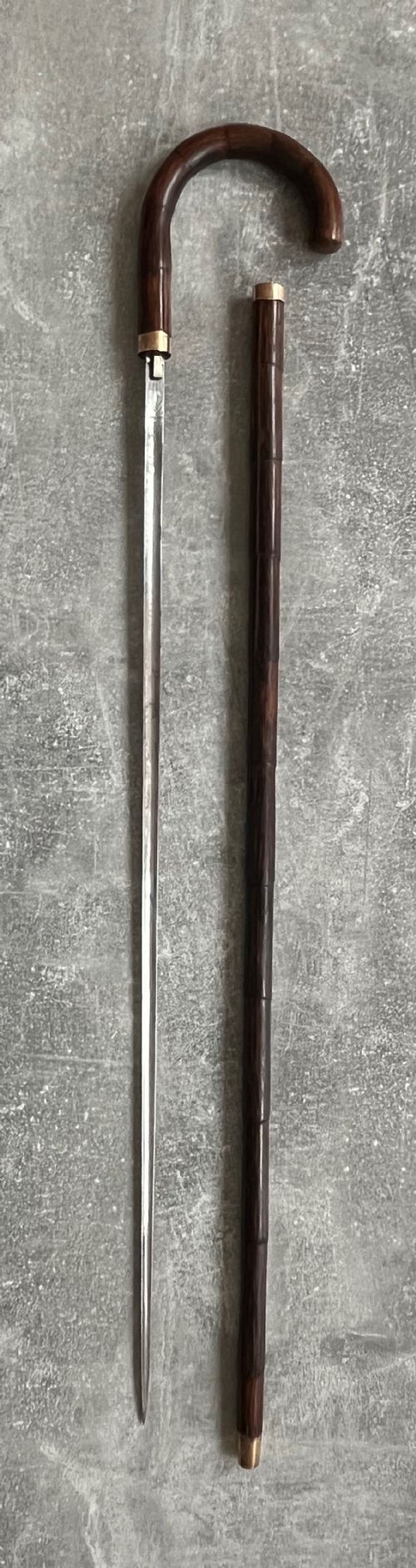
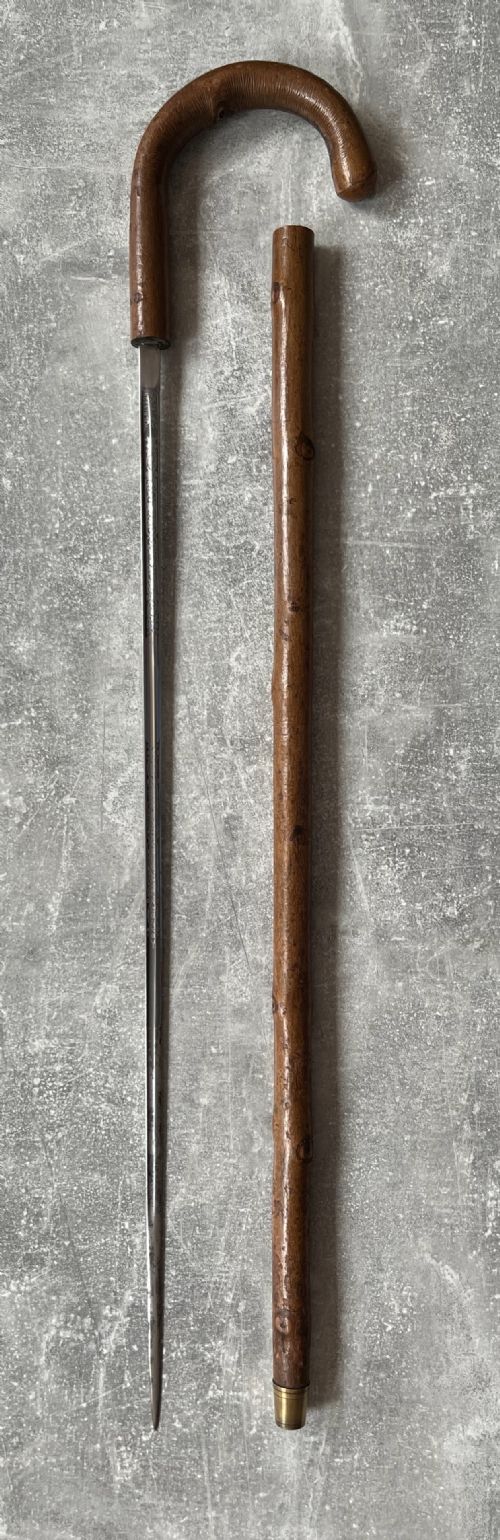
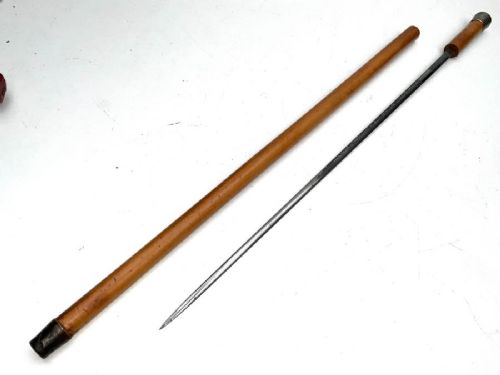
A sword stick is a civilian walking cane or walking stick that conceals a steel blade within its wooden or bamboo shaft. Owners used them for personal defence during the nineteenth and early twentieth centuries.
Opening the cane typically involves a screw thread, a button release, or a simple pull-apart mechanism to reveal the hidden weapon.
How do I identify a Toledo blade?
Toledo blades are recognised by their springy steel temper and often carry maker marks or inscriptions associated with the Spanish weapon-making tradition. They were frequently imported and mounted into British and European walking sticks.
These blades prioritise flexibility and edge retention, making them popular for civilian concealed carry.
What periods do these pieces date from?
The listings span multiple centuries, with significant representation from the eighteenth, nineteenth, and early twentieth centuries. Victorian and Edwardian civilian pieces sit alongside Napoleonic, Civil War, and World War military arms.
Dates are established through stylistic markers, military pattern years, and occasional engraved presentation inscriptions on the steel.
How were bayonets used?
Bayonets functioned as terminal combat attachments for infantry rifles, transforming long firearms into thrusting spears. Nineteenth-century examples utilise locking mechanisms to secure onto rifle barrels.
Many retain their original metal or leather scabbards for belt carriage when detached from the firearm.