


Antique Military Blade
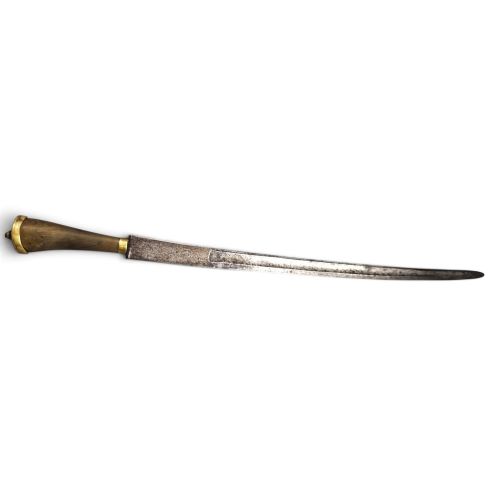
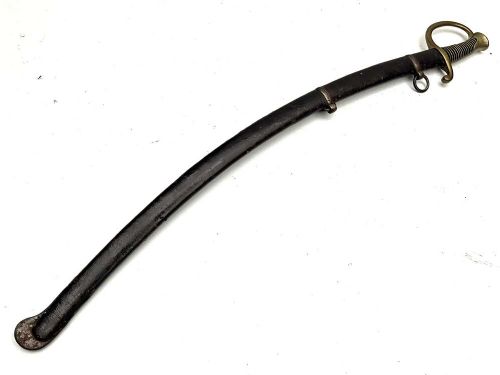
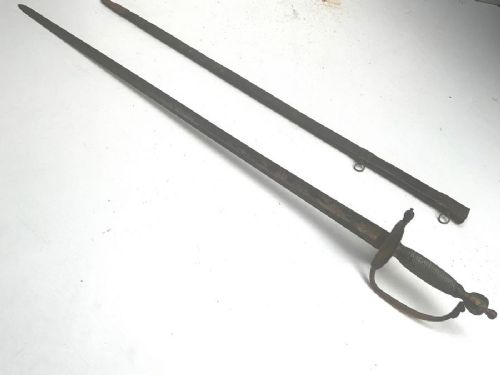
An antique military blade carries the physical record of service, taking form as a heavy cavalry sabre, an officer's spadroon, or a trench knife.
Antique Military Blade
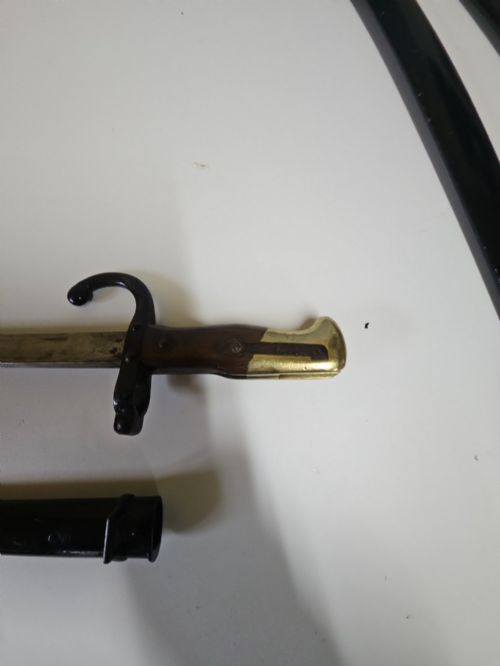
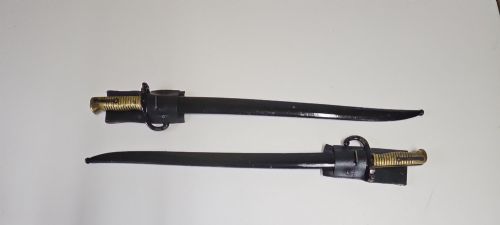
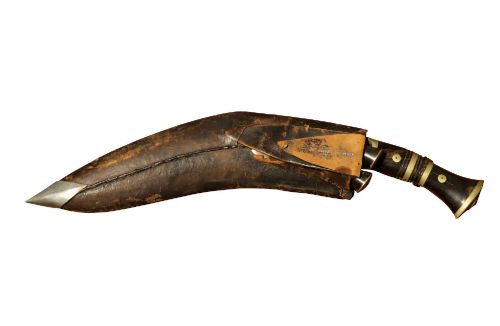
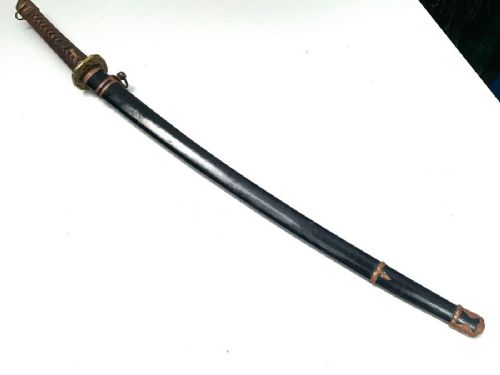
An antique military blade encompasses edged weapons issued to or carried by armed forces, spanning patterns from the eighteenth century through the twentieth century. When exploring this selection, buyers encounter everything from British light cavalry sabres and French bayonets to Japanese World War II swords and Gurkha kukris.
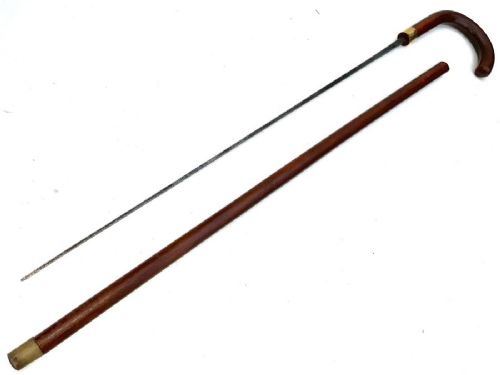
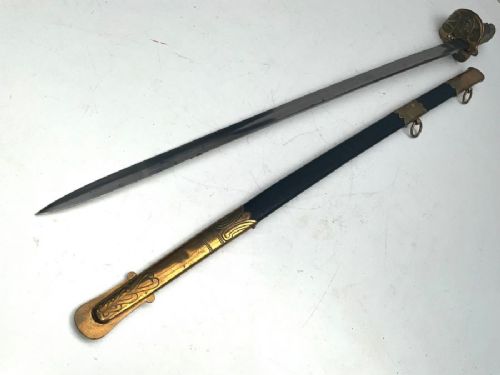
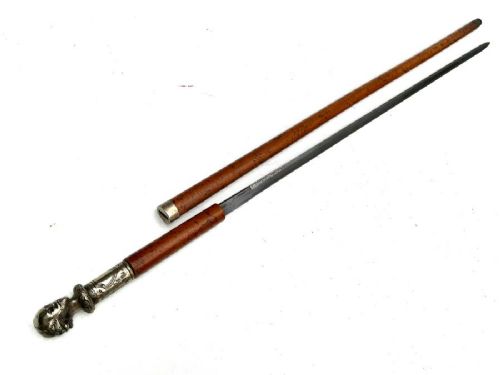
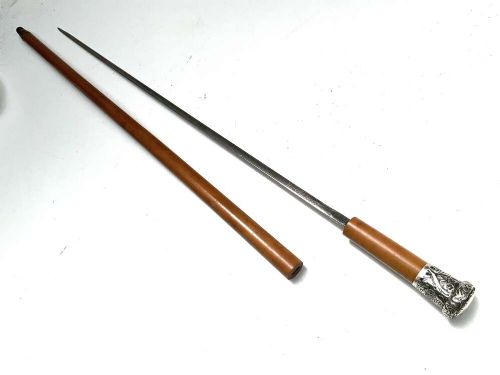
The material forms vary widely according to regulation and origin, appearing as heavy cavalry sabres, naval presentation swords, officer walking sticks concealing blades, and traditional Frontier kora-type weapons. These pieces reflect specific operational contexts, ranging from European battlefields to colonial engagements.
How they were made
The construction of an antique military blade relies heavily on forged steel, often paired with brass, iron, and metal mounts for hilts and crossguards. Handles incorporate organic materials such as wood, horn, leather, and ray skin to ensure a secure grip during use.
Many historical examples feature specialised treatments like blue and gilt finishes on the steel surface, alongside fitted scabbards constructed from leather and metal. Specialised forms like bayonets and folding mechanisms require precise mechanical integration with firearms or designated mountings.
Listings feature items spanning the 16th century through 1940, utilising steel, brass, leather, wood, iron, horn, metal, and ray skin.
What varies in quality
The distinction between tiers rests upon the preservation of the original steel surface and the crispness of any engraved or blue and gilt officer details. Weapons retaining their matching scabbards and authentic grip materials command greater regard among collectors than those assembled from mismatched components.
Quality also appears in the historical clarity of regulation patterns, such as standard British or French cavalry issues versus hybrid regional forms. The structural integrity of the hilt assembly and the absence of heavy pitting across the blade define the higher grade of survival.
The Antique Military Blade Glossary
- Spadroon
- A lightweight, straight-bladed cutting and thrusting sword popular with British and European officers during the eighteenth and nineteenth centuries. It bridges the design gap between a smallsword and a heavy sabre.
- Bayonet
- A solid blade designed to attach directly to the muzzle end of a rifle for close combat. Examples range from socket patterns to nineteenth-century French designs and Lee-Metford variants.
- Pesh-Kabz
- A distinct single-edged dagger originating from Central and South Asia, featuring a reinforced T-section spine. It is frequently associated with Afghan and frontier conflicts.
- Kukri
- A traditional Nepalese knife with a distinctively curved forward-pointing blade, utilised heavily by Gurkha regiments. It typically arrives with a fitted scabbard and smaller companion knives.
- Gunto
- A Japanese military sword produced for officers during the twentieth century, including variations such as the Shin-Gunto and Chin-Gunto. These mounted traditional or machine-forged blades within regulation military furniture.
Antique Military Blade: Frequently Asked Questions
How do I identify a regulation military sword pattern?
Regulation patterns display specific blade profiles, guard shapes, and backstamps issued by official military departments. Comparing the physical dimensions and hilt stamps against historical records confirms the exact pattern.
Many national patterns changed during specific decades, allowing collectors to date pieces accurately by examining the guard configuration and national cyphers.
Were officer swords used in actual combat?
Officer swords served both as badges of rank and functional sidearms in the field. Some examples show active service wear, while presentation swords remained ceremonial.
Service weapons often display field sharpenings and minor wear on the leather or ray skin grips from operational handling.
How should I care for a historical steel blade?
Historical steel requires a stable environment with low humidity to prevent active corrosion. Applying a micro-crystalline wax or specialised museum-grade oil protects the metal surface.
Avoid aggressive cleaning or abrasive polishes, as these remove historic patina and reduce the long-term integrity of the metal.
What is the difference between a sword stick and a bayonet?
A sword stick conceals a functional blade inside a walking cane or swagger stick housing. A bayonet is an exposed combat blade explicitly engineered to mount onto a rifle barrel.
Both items served distinct military functions, with sword sticks popular among officers for personal defence outside formal parades.