
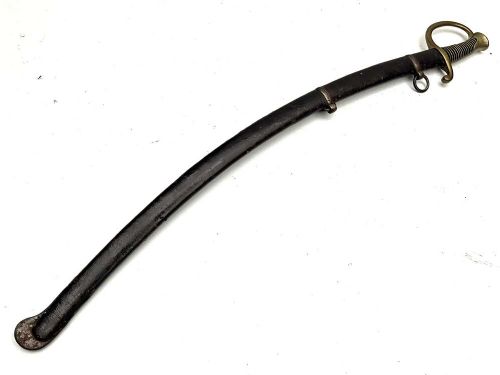
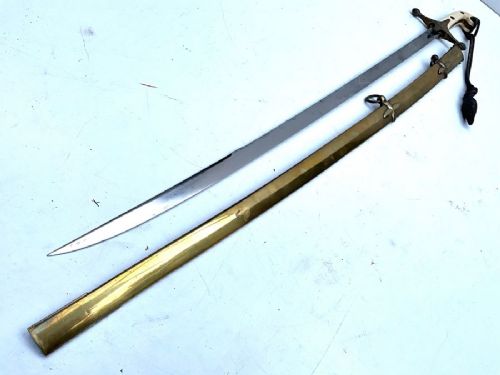
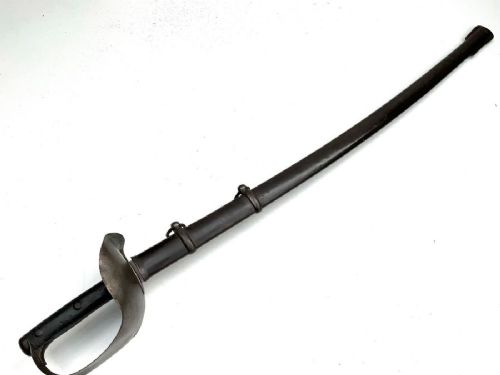
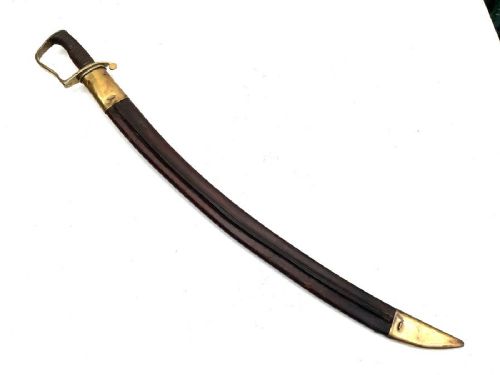


Antique Cavalry Sabre
An antique cavalry sabre is a potent edge of history, combining steel and leather to carry the weight of mounted charge and martial heritage.
Antique Cavalry Sabre
When you search for an antique cavalry sabre, you are looking at edged weapons designed for mounted troops across the eighteenth and nineteenth centuries. The examples here span Georgian, Victorian, and American Civil War eras, including British, French, and General Officers patterns. You will frequently meet heavy and light cavalry variants produced across the 1800s.
The forms range from trooper swords to mameluke swords and pattern-specific sabres like the 1796 or 1829 designs. These pieces served active military roles before entering the collector market as historic military artefacts. Each specimen reflects the specific tactical requirements of its period and nation of origin.
How they were made
Makers utilised forged steel for the blades, shaping them into curved or straight profiles depending on the tactical doctrine of the regiment. Hilts incorporate brass, iron, and bone components to provide robust hand protection during mounted combat. Leather often wraps the grips or forms the body of accompanying scabbards.
Blades and guards bear the marks of specialised workshops and notable cutlers such as Wilkinson and Thurkle. The assembly combined heavy metalwork with durable organic materials to withstand the rigorous demands of military service.
Some nineteenth-century officers clearly preferred sabres with decorative bone grips, ensuring their hands went into battle with a touch of elegance.
What varies in quality
The distinction between ordinary and superior pieces rests in the crispness of maker signatures, the integrity of the metal, and the preservation of original grips. Blades bearing clear manufacturer details command greater interest from collectors.
Finishes on the steel and the completeness of the hilt fittings dictate the overall standing of the weapon. Specimens retaining their original leather components and unblemished metal surfaces demonstrate superior survival through the decades.
E Thurkle Of Soho·H Wilkinson
The Antique Cavalry Sabre Glossary
- Sabre
- A backsword with a curved blade intended primarily for cutting from horseback. It evolved into various light and heavy cavalry patterns throughout the nineteenth century.
- Mameluke
- A style of sabre featuring a cross-hilt and curved blade, adopted by general officers following Middle Eastern designs. This form became a mark of high rank in the Victorian military.
- Hilt
- The handle of the sword, comprising the guard, grip, and pommel. It protects the hand and balances the weight of the steel blade.
- Pattern
- An officially approved design or model of a weapon issued to military forces. Collectors use patterns to date and identify specific regiments and years of production.
- Scabbard
- A protective sheath for the blade, constructed from materials like steel or leather. It keeps the edge secure when the weapon is not in use.
Antique Cavalry Sabre: Frequently Asked Questions
What is a cavalry sabre?
A cavalry sabre is a military sword designed for mounted soldiers, featuring a curved or straight steel blade intended for slashing or thrusting.
These weapons were standard equipment for cavalry regiments across British, French, and American forces during the eighteenth and nineteenth centuries.
How do I identify the pattern?
Identifying the pattern involves examining the blade shape, hilt construction, and any stamped markings left by the maker or military inspectors.
Dates and pattern numbers often correlate with specific regulatory changes in military equipment, such as the 1796 or 1850 designs.
Were these swords used in battle?
Many of these pieces were manufactured for active military service during conflicts like the American Civil War and the Napoleonic Wars.
Their presence in nineteenth-century campaigns means they carried functional roles in historical cavalry engagements.
How should I display my sabre?
Displaying a sword safely requires a secure wall mount or a horizontal stand that supports the weight evenly without straining the hilt or scabbard.
Keeping the metal in a stable environment away from excessive moisture protects the steel and leather from deterioration.