



Antique Military Collectable
An antique military collectable holds the history of service, taking the form of firearms, edged weapons, field gear, and timepieces spanning centuries.
Antique Military Collectable
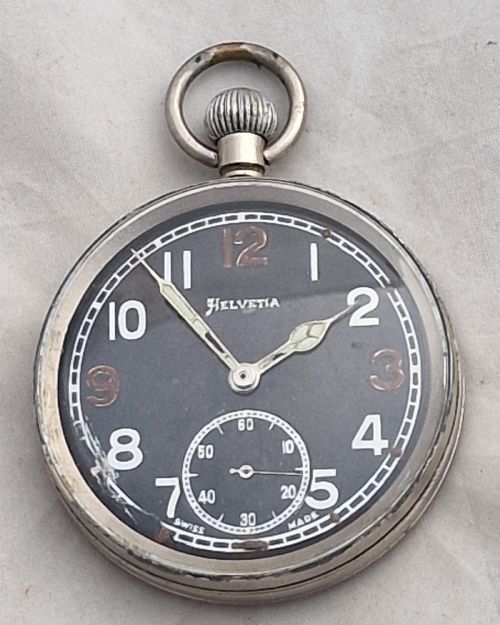
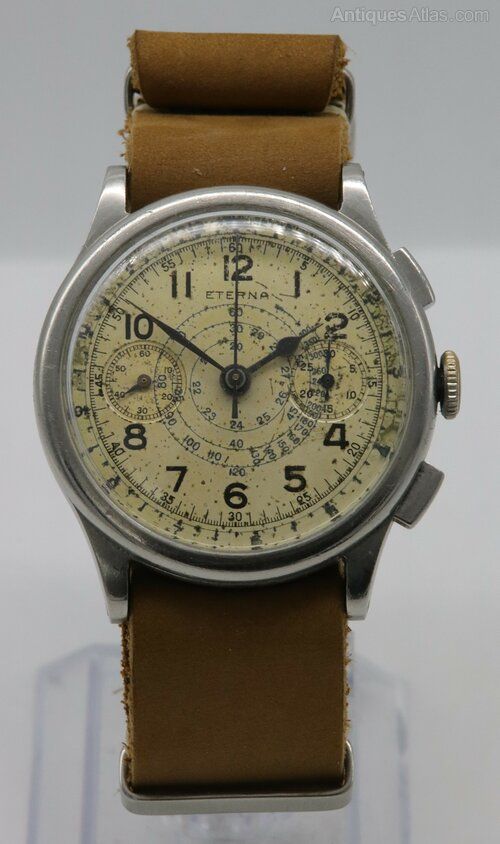
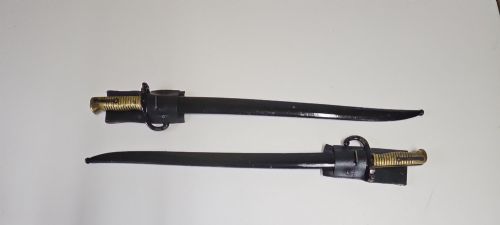
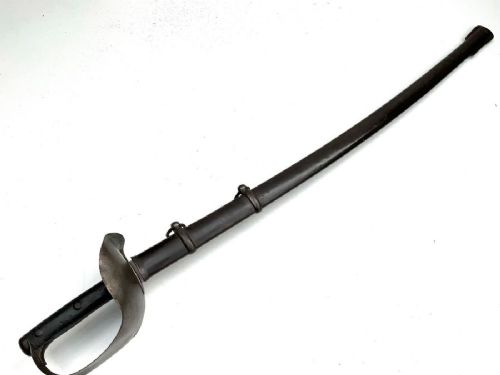
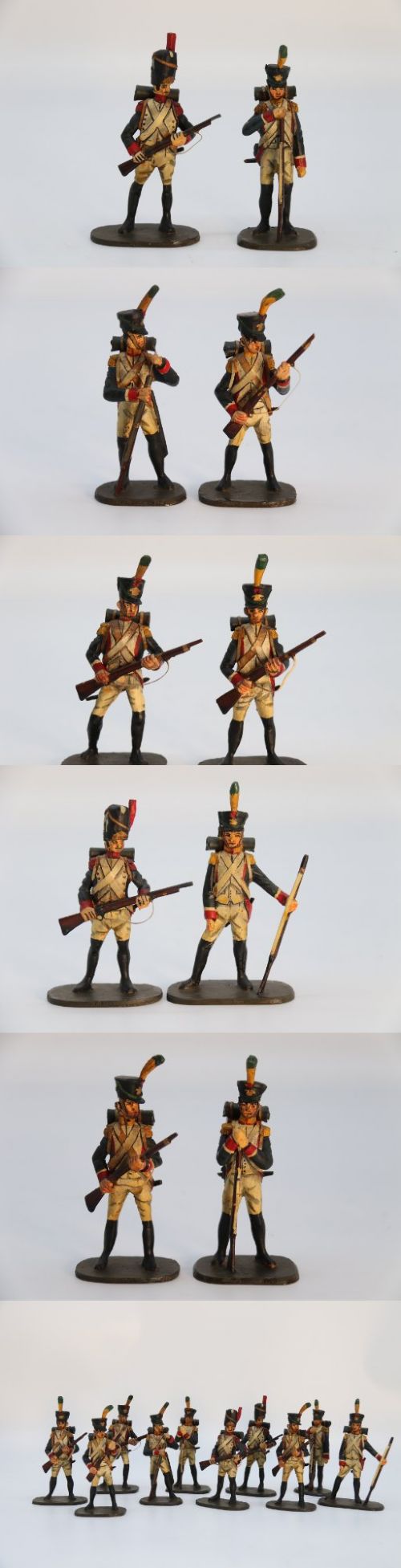
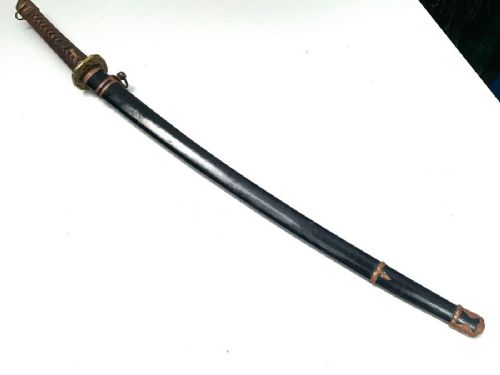
When you search for an antique military collectable, you encounter objects issued for service across conflicts from the eighteenth century to the mid-twentieth century. The selection ranges from flintlock pistols and cavalry swords to trench art and precision navigation instruments.
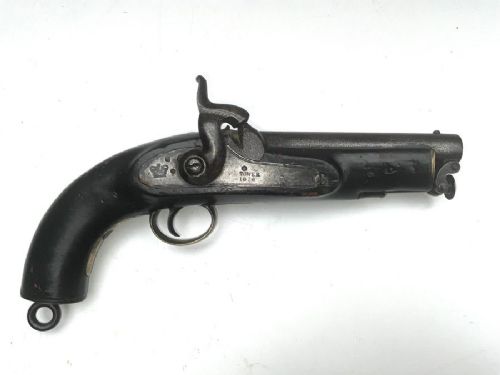
The versions you meet most frequently on this page include mid-century watches, nineteenth-century percussion firearms, and Imperial or World War items. Each piece reflects the standard equipment or personal property of officers and enlisted personnel.
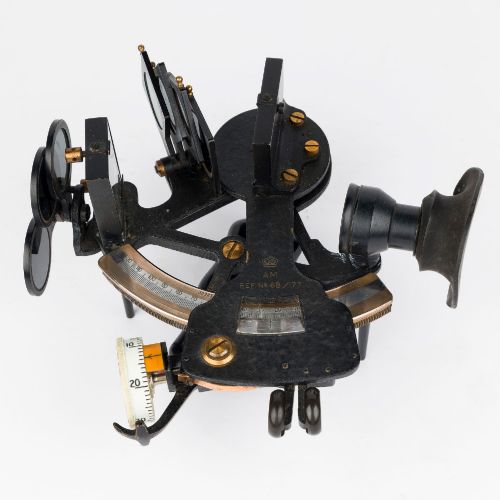
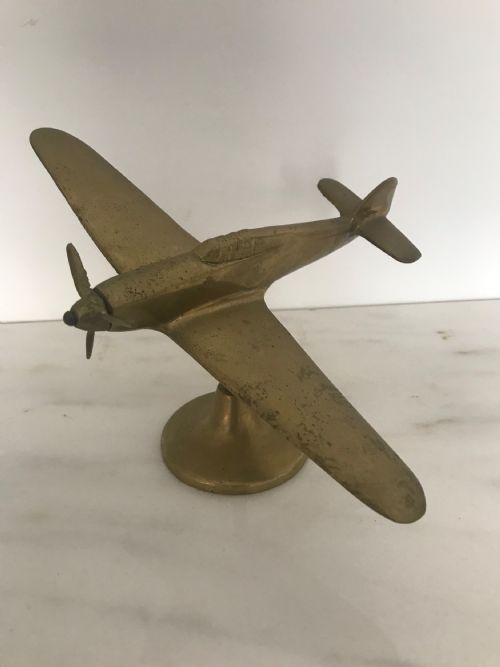
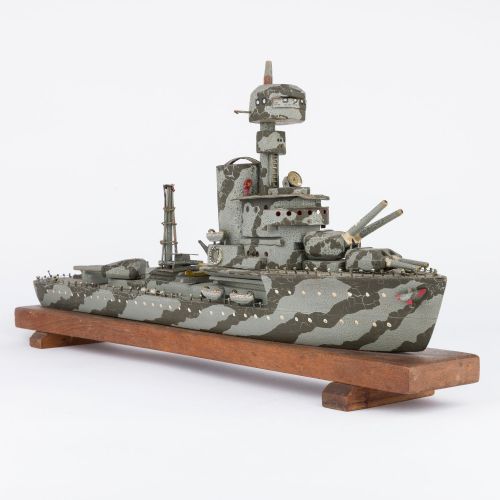
Forms extend beyond weapons to encompass ship models, aircraft propellers, pilot sextants, and brass desk ornaments. These varied objects document the material culture of armed forces through distinct eras.
How they were made
Makers utilised robust materials such as steel, brass, iron, and hardwoods to withstand harsh field conditions. Walnut, horn, and leather appear frequently in grips, holsters, and personal accessories.
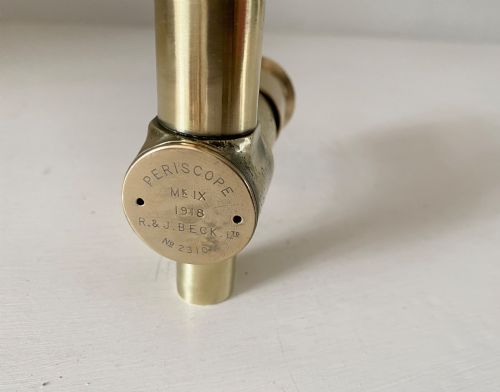
Metals were forged, cast, and hand-finished, while wooden components required careful carving, turning, and painting. Precision items like chronographs and periscopes involved intricate mechanical assembly and calibrated glass optics.
A soldier once carved a propaganda pipe from horn and wood in a trench, turning battlefield boredom into art.
What varies in quality
The standard of execution depends on whether an item is a standard regulation military issue or a private purchase piece commissioned by an officer. Regulation gear prioritises utilitarian durability, whereas officer pieces often display finer finishing and engraved details.
Preservation of original markings, stamps, and matching serial numbers distinguishes standard examples from heavily altered pieces. The integrity of the materials, from untouched wooden stocks to legible dial inscriptions, governs the overall character of the object.
R J Beck Ltd·Henry Nock·Maw London
The Antique Military Collectable Glossary
- Percussion
- An ignition system utilising a percussion cap struck by a hammer to fire a charge, superseding flintlock mechanisms in the nineteenth century. This development improved reliability in wet weather.
- Flintlock
- A firearm ignition mechanism that uses a flint striking against a steel frizzen to create sparks. It ignited the priming powder in the pan to discharge the weapon.
- Pickelhaube
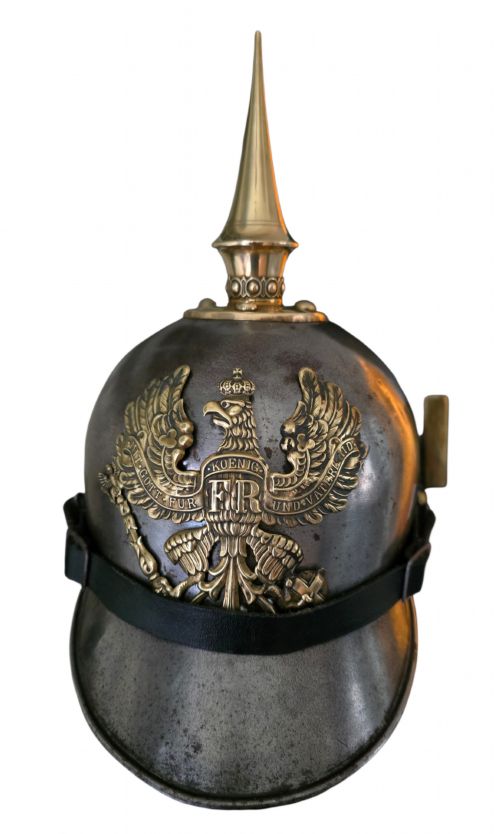
- A spiked helmet worn by nineteenth and early twentieth-century German military and police personnel. It typically featured brass fittings and a leather body.
- Trench art
- Decorative or utilitarian objects fashioned by soldiers, prisoners of war, or civilians from war scrap and natural materials. Items often include carved wood, horn, and repurposed shell casings.
- Sextant
- An instrument used to measure the angle between an astronomical object and the horizon for navigation. Military aviation and naval variants were essential for calculating precise positions.
Antique Military Collectable: Frequently Asked Questions
What is an antique military collectable?
An antique military collectable is an artefact connected to armed forces, ranging from regulation weaponry and instruments to personal uniforms and trench art.
These pieces span multiple centuries and conflicts, serving as tangible records of military history and technological development.
How do I identify the period?
Period identification relies on stamped maker marks, serial numbers, crown cyphers, and characteristic material styles.
Design shifts, such as the transition from flintlock to percussion ignition, provide clear chronological markers for firearms.
Were these items used in combat?
Many items, from regulation cavalry swords to pilot watches, saw active service during specific campaigns and global conflicts.
Private purchase pieces and commemorative models may have served as officer sidearms or presentation items rather than standard frontline gear.
How should I display them?
Displaying these pieces requires stable indoor environments away from direct sunlight and excessive humidity to protect wood, leather, and steel.
Secure wall mounts, glass cabinets, and proper desk stands allow you to exhibit firearms, instruments, and models safely.