


Vintage Brass Tin
These vintage brass tin pieces span centuries of metalwork, offering functional storage and display items for collectors of domestic history.
Vintage Brass Tin
When you search for vintage brass tin, you encounter a diverse selection of metalware and associated domestic objects ranging from the eighteenth century to the twentieth century. These items include tobacco boxes, snuff boxes, kitchen metalware, storage jars, cream cans, and specialised containers such as military hat boxes and biscuit boxes.
The pieces on this page also incorporate related materials and forms seen in the inventory, such as copper, toleware, ceramic, and earthenware items like Delft vases and jars. Makers from various European traditions produced these containers, reflecting utilitarian and decorative uses across the Victorian, Edwardian, and earlier periods.
What varies in quality
Quality in these metal containers depends upon the crispness of the engraving and the precision of the construction, where hand-tooled details distinguish finer pieces from standard production. The preservation of original painted surfaces on toleware and the integrity of applied brass rims significantly affect the character of each piece.
The complexity of the form and the survival of secondary materials, such as inset bottle holders or original lids, elevate the standing of individual items within the broader range of domestic metalware.
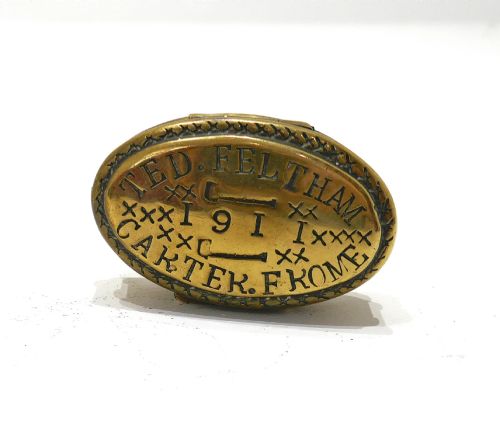
Ted Feltham immortalised his name on an Edwardian metalware snuff box in 1911, forever linking himself to the history of small brass containers.
The Vintage Brass Tin Glossary
- Toleware
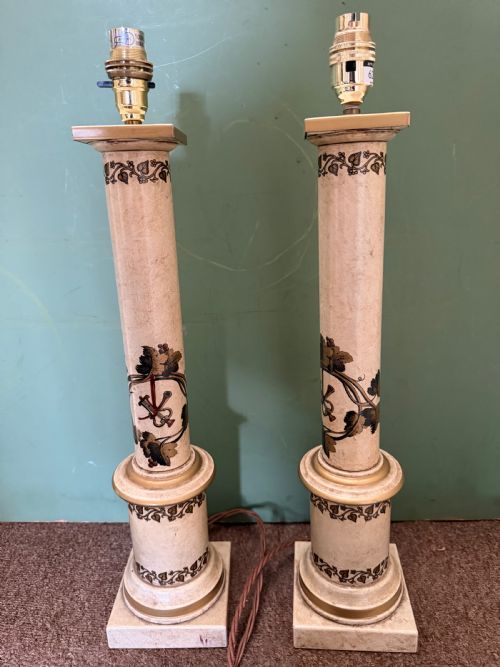
- Metalware painted or enamelled and lacquered, often to imitate Japanese or Chinese lacquerwork. This technique is frequently seen on nineteenth-century hat boxes and decorative lamps.
- Tobacco Box
- A portable container designed to keep tobacco leaf or cut tobacco dry and fresh. Examples often feature commemorative engravings or dates relating to historical events.
- Snuff Box
- A small pocket-sized container used for holding ground tobacco known as snuff. These items often display intricate personal engravings and dates from the Edwardian era.
- Delft
- Tin-glazed earthenware originating from the Netherlands and England, occasionally paired with metal mounts or converted into lamps alongside brass items. It represents the ceramic counterpart to metal storage vessels.
Vintage Brass Tin: Frequently Asked Questions
What were vintage brass and tin boxes used for?
These containers served practical daily functions for storing perishable goods, tobacco, snuff, and personal items like hats. Their sturdy construction protected contents from moisture and pests in domestic and military settings.
Over time, many of these utilitarian objects transitioned into decorative mantel or table pieces, appreciated for their aged surfaces and historical associations.
How can I tell an eighteenth-century tobacco box from a later piece?
Eighteenth-century examples often feature hand-engraved historical scenes, specific battle references, and heavy brass construction with distinct wear patterns. The lettering and decorative motifs reflect the prevailing neoclassical or Dutch aesthetic of the period.
Later nineteenth-century and Edwardian pieces tend to show machine assistance, simpler borders, and different fastening mechanisms compared to early hand-forged or cast vessels.
What is toleware and how do I care for it?
Toleware consists of tin-plated steel or iron that has been painted and varnished, producing a smooth, decorative surface. It was commonly used for domestic items like hat boxes and trays.
Care involves keeping the objects away from direct moisture and strong sunlight to preserve the painted decoration and prevent the underlying metal from degrading.
How do I display metal storage jars and boxes in a modern home?
These pieces work well placed on open shelving, sideboards, or coffee tables where their varied patinas and engraved details can be examined closely. Grouping items of complementary materials, such as brass alongside copper or toleware, creates a cohesive display.
Ensure they are kept in stable atmospheric conditions to maintain the existing finish on both the metal and any hand-painted elements.