


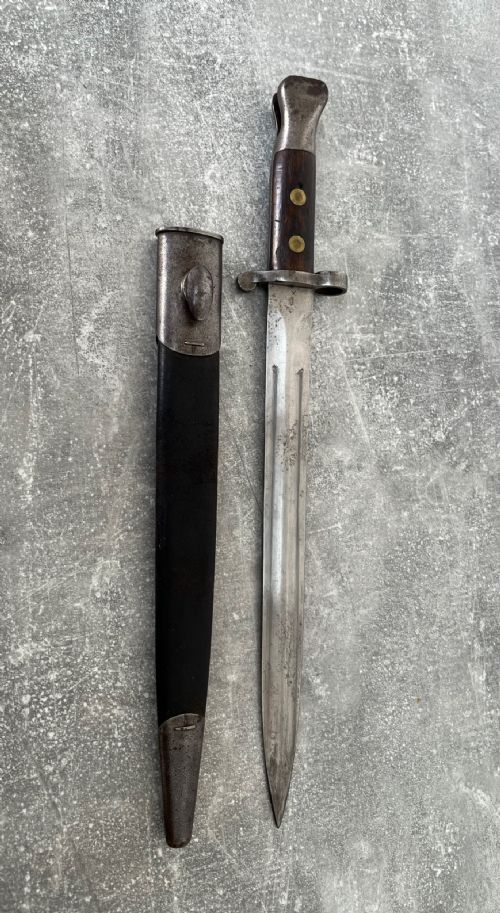


Victorian Military Sword
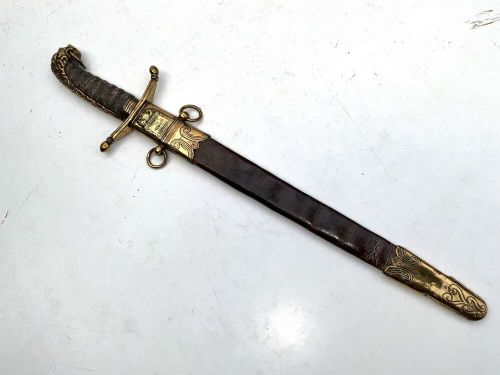
These pieces of a victorian military sword range from naval dirks and cavalry sabres to concealed sword sticks and bayonets.
Victorian Military Sword
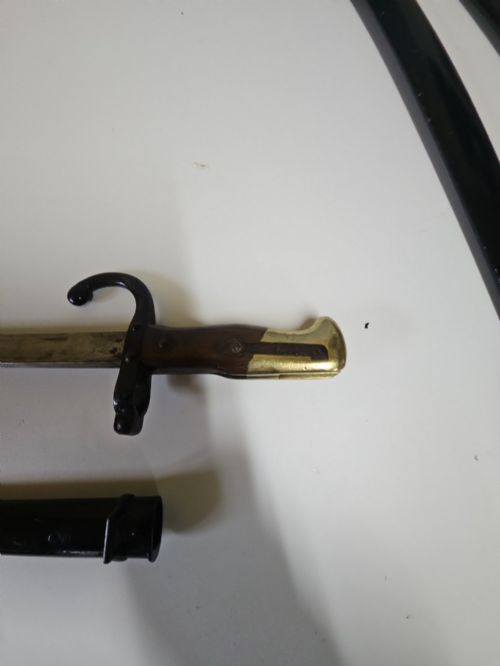
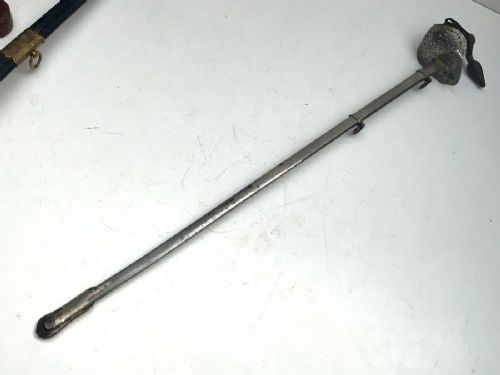
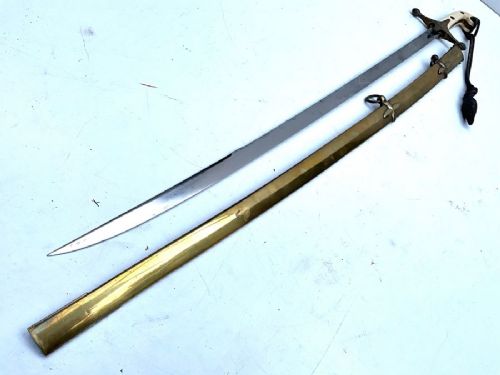
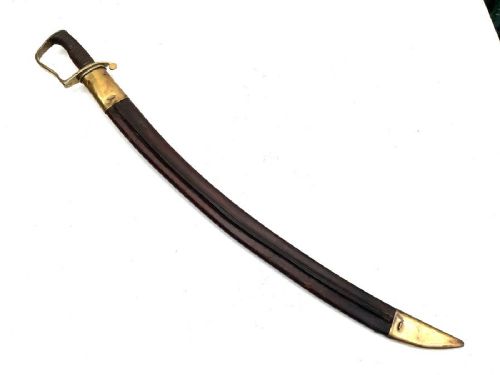
When you search for a victorian military sword, you encounter edged weapons spanning the nineteenth century and the turn of the twentieth century. These items include British officers swords, cavalry trooper weapons, Mameluke swords, and French bayonets.
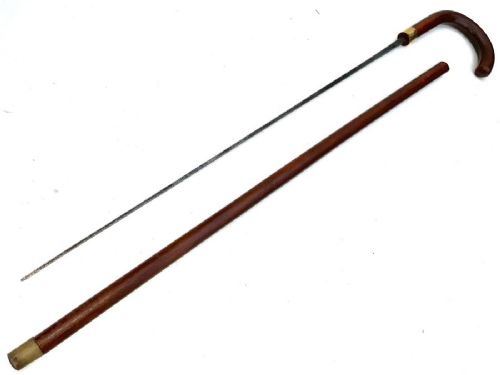
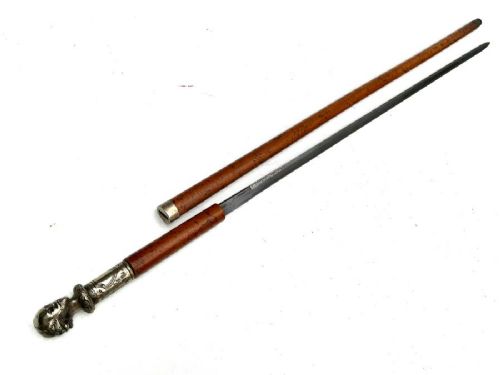
Beyond standard combat blades, the selection encompasses walking stick sword sticks and military officers swagger sticks. Gilded brass candlelamps modelled on basket-guard cavalry dress swords also appear alongside traditional edged weapons.
The objects originate from British and continental military contexts, reflecting regulation patterns such as the 1831 pattern, the 1899 pattern, and the 1888 pattern bayonet. Most pieces align with the Victorian period and adjacent decades.
Materials and construction
Steel forms the primary material for blades and bayonets, paired with brass, gilt brass, iron, and metal for hilts, guards, and mounts. Leather, wood, and wire frequently wrap grips and scabbards to ensure secure handling.
Maker signatures and workshop inscriptions appear on specific sabres, linking the metalwork directly to known firms such as E Thurkle and H Wilkinson. Decorative items translate these functional steel and brass military forms into lacquered brass candlesticks.
Cavalry dress swords inspired gilded brass candlelamps to illuminate Victorian dining rooms with military precision.
Evaluating craftsmanship
The distinction between standard service issue and high-grade officer pieces rests in the refinement of the steel and the detail of the metalwork. Maker-signed blades by established firms command distinct attention compared to unmarked examples.
The preservation of original wire wrapping on grips, leather on scabbards, and gilding on brass mounts alters the visual integrity of a piece. Subtle variations in the casting of basket-guards and hilt ornamentation separate purely utilitarian items from decorative adaptations.
E Thurkle of Soho·H Wilkinson
The Victorian Military Sword Glossary
- Basket-guard
- A protective metal hilt structure that encloses the hand, common on cavalry dress swords. This feature provides knuckle protection during combat.
- Bayonet
- A bladed weapon designed to be fitted to the muzzle of a rifle. Examples include pattern types dated towards the end of the nineteenth century.
- Swagger stick
- A short cane or walking stick carried by military officers as a symbol of authority. Some incorporate concealed blades within the shaft.
- Dirk
- A short dagger traditionally worn by naval officers. The Royal Navy officers dirk represents a specific edged weapon form from the mid nineteenth century.
Victorian Military Sword: Frequently Asked Questions
What is a sword stick?
A sword stick conceals a steel blade inside the wooden shaft of a walking stick or swagger stick. These pieces were carried by military officers for personal defence during the nineteenth century.
They combine the appearance of an everyday gentleman's accessory with a functional edged weapon. The shaft separates to reveal the blade when required.
How do I identify a cavalry sabre?
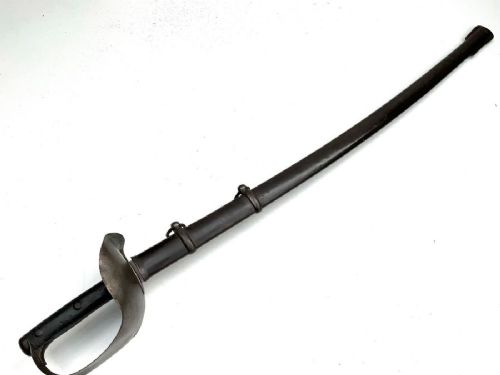
Cavalry sabres feature long, curved or straight steel blades designed for mounted troops. Heavy cavalry sabres and trooper patterns show robust construction suited for military service.
They often include metal scabbards and substantial guards to protect the hand. Regulation patterns correspond to specific decades of production.
Were these swords used in combat?
Many pieces served active roles within the military, while others functioned as dress or parade swords for officers. Maker-signed examples and regulation patterns indicate standard military equipment.
Items like bayonets and trooper swords show evidence of military manufacture and handling. Candlesticks modelled on sword hilts represent decorative domestic items rather than service weapons.
How are dates determined on these weapons?
Dates rely on stamped military patterns, inscribed maker marks, and stylistic indicators. Specific years such as 1888 or 1899 often designate the official pattern adoption or manufacturing period.
Period styles range across the nineteenth century into the early twentieth century. Associated documentation or engravings on the steel blade frequently clarify the timeline.