
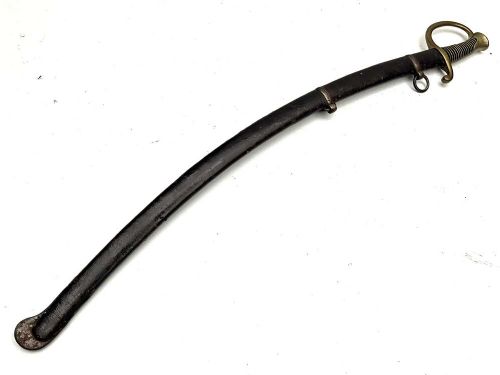
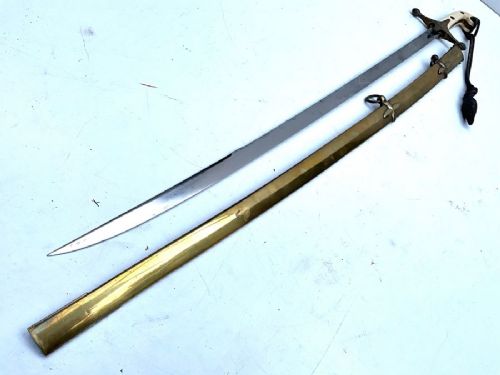
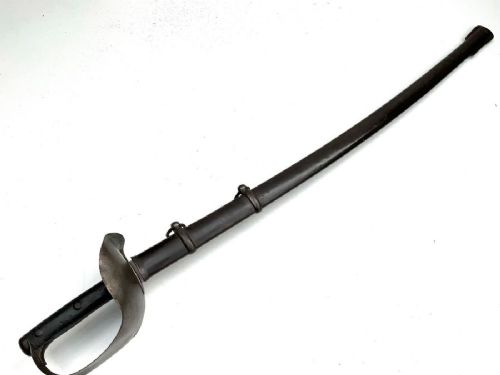
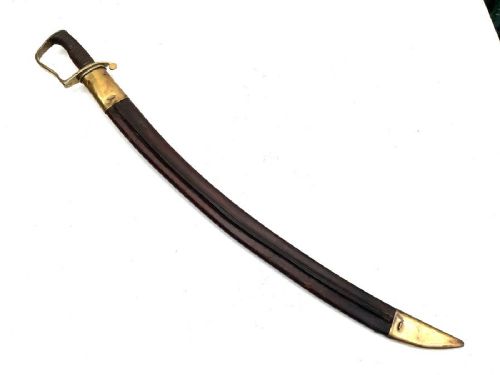


Antique Cavalry Sword
An antique cavalry sword is a purposeful edge for horse-mounted combat that brings tactile military history and traditional smithing straight into your study.
Antique Cavalry Sword
When you search for an antique cavalry sword, you encounter edged weapons shaped for mounted warfare across several centuries. The selection spans regulation patterns from British, French, and American service.
You frequently meet nineteenth-century examples, including pattern swords from the Victorian era and the Georgian period. Some pieces bear specific pattern dates like the iconic seventeen ninety-six light cavalry sabre.
The inventory also extends beyond traditional blades into related militaria and domestic adaptations. This includes officers' dress swords and even decorative candlelamps modelled on basket-guard hilts.
How they were made
Blades are forged from steel, shaped to balance cutting edges with thrusting points. Hilts combine brass, iron, and leather grips for secure handling in the field.
Finishes range from plain service steel to gilt highlights on dress weapons. Bone and composite materials appear on select grips, whilst fabric components survive on sword knots and linings.
Materials recorded across these listings include steel, brass, leather, iron, bone, composite, gilt, and fabric.
What varies in quality
The distinction between ordinary issue pieces and superior items lies in the crispness of maker stamps and the integrity of the hilt assembly. Maker signatures such as Wilkinson or Thurkle indicate established workshops.
Original matching components across blade, guard, and scabbard elevate a piece above assembled examples. The preservation of original grip wire and leather also defines the better survivors.
E Thurkle of Soho·H Wilkinson
The Antique Cavalry Sword Glossary
- Sabre
- A backsword with a curved blade intended primarily for cutting from horseback. This form dominated light cavalry units for generations.
- Pattern
- An officially approved design of weapon adopted by military authorities for regular issue. These specifications ensure uniformity across regiments.
- Basket-guard
- A protective metal hilt enclosing the hand with interlocking bars or plates. This feature guards against direct strikes during close combat.
- Trooper
- A private soldier in a cavalry regiment, as distinguished from a commissioned officer. Their swords were built for rugged service rather than parade use.
Antique Cavalry Sword: Frequently Asked Questions
How do I identify the pattern date?
Look for regulation stamps, spine inscriptions, or distinct hilt shapes that correspond to official adoption years.
Comparison with standard military references helps confirm the exact pattern era.
Were these swords actually used in battle?
Many examples show the wear and service marks expected of active military equipment.
Officers typically purchased their own private-purchase blades for active campaigns.
How should I display a cavalry sword?
Mount the blade securely on a wall using specialised brackets that support the weight without stressing the hilt.
Keep steel surfaces lightly oiled and away from direct dampness.
What is the difference between light and heavy cavalry?
Light cavalry utilised faster, curved sabres designed for reconnaissance and pursuit.
Heavy cavalry carried straighter, heavier blades intended for shock action and direct charges.