


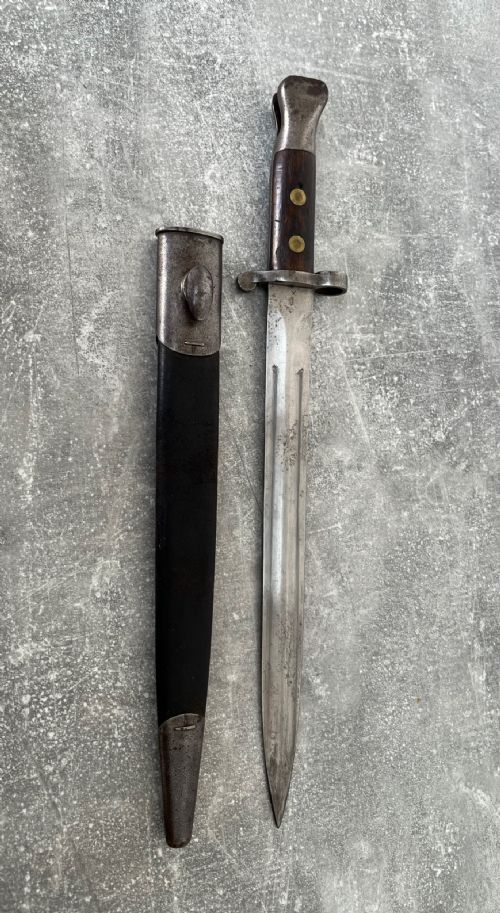


Antique British Sword
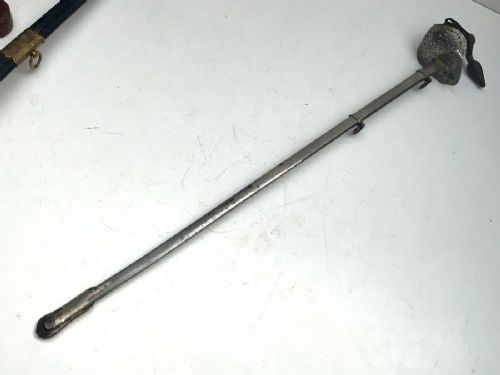
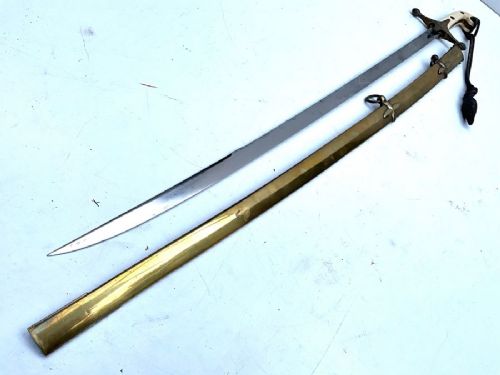
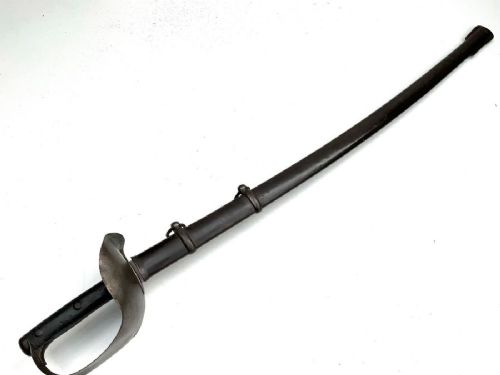
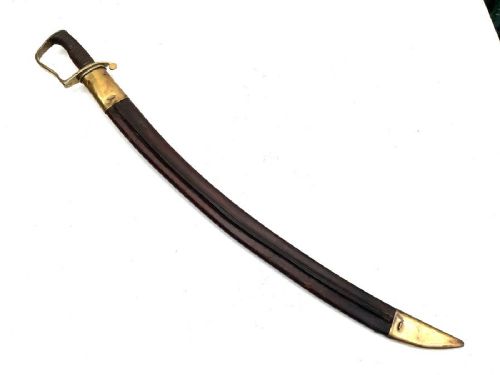
An antique British sword carries the steel and leather of naval, cavalry and infantry service across centuries of military history.
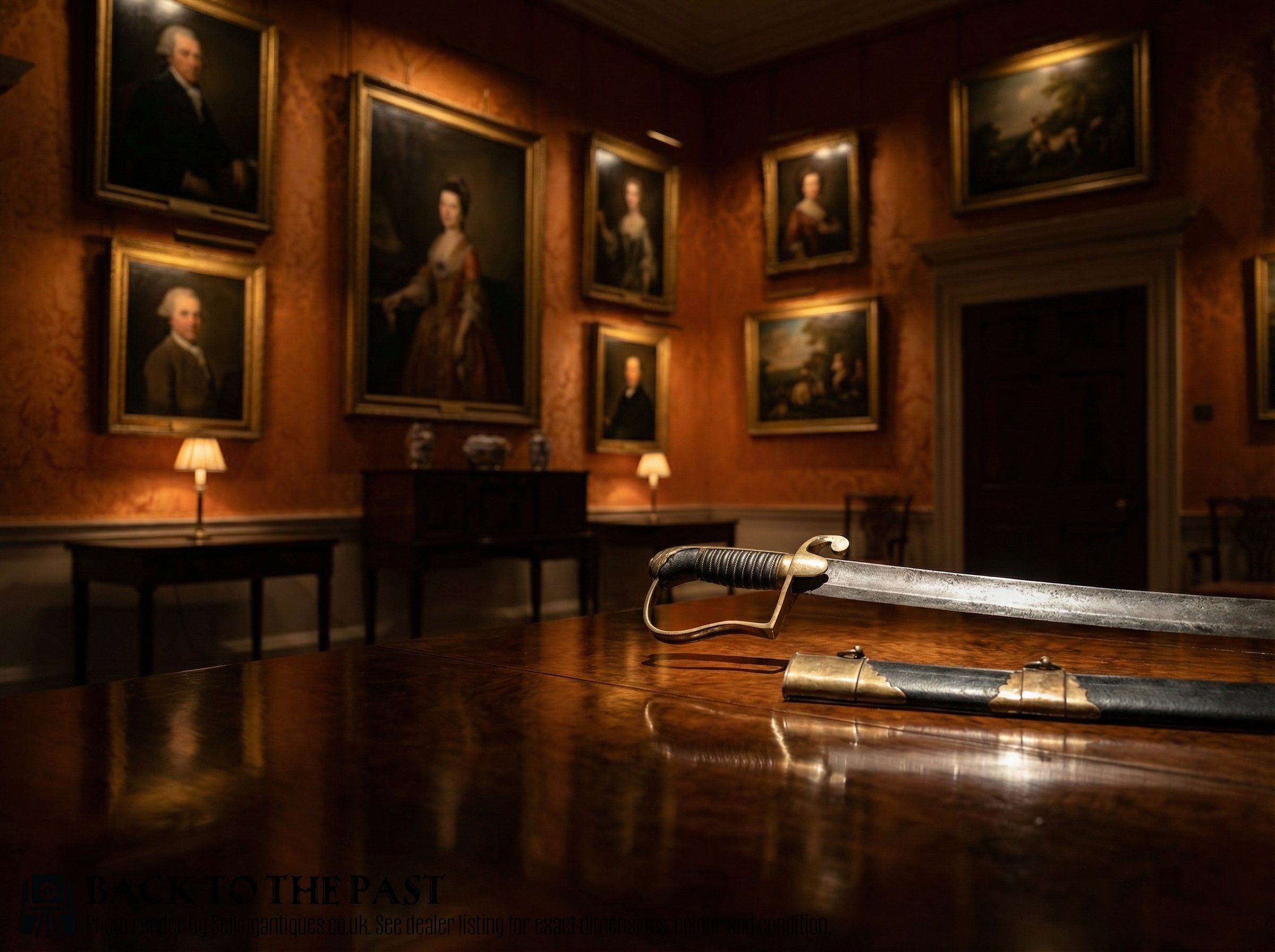
Antique British Sword
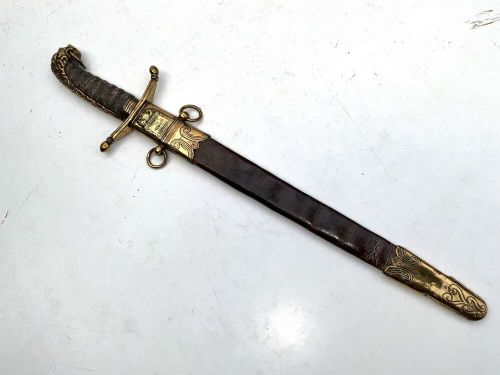
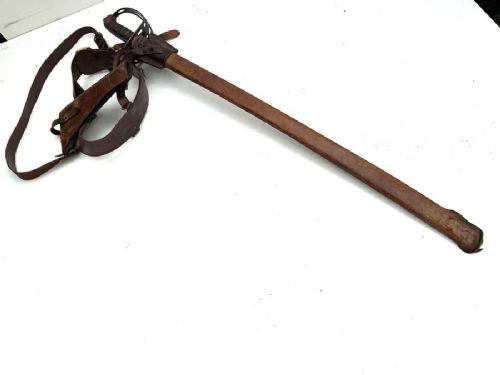
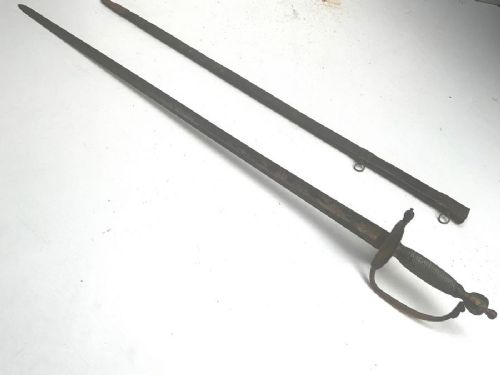
When you search for an antique British sword, you encounter edged weapons spanning the eighteenth and nineteenth centuries, including light and heavy cavalry sabres, naval dirks, cutlasses, and spadroons. The versions most commonly met on this page date from the Victorian era and the Georgian period, reflecting the military campaigns of those years.
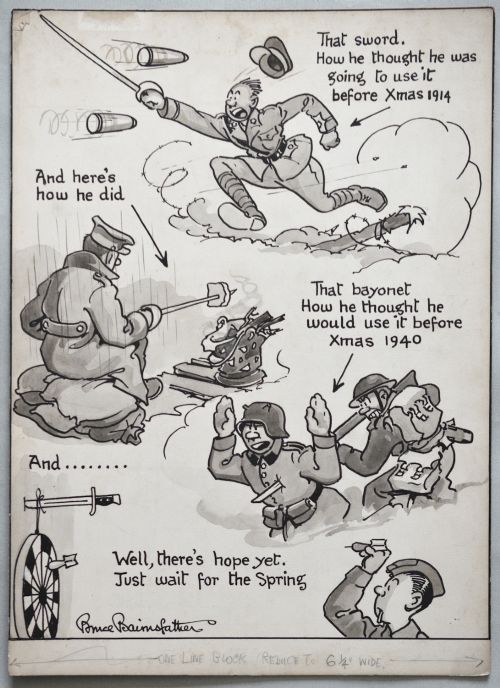
The selection includes pattern blades issued to troopers and officers, alongside related edged weapons like sword bayonets and oil paintings depicting military subjects. These pieces range from the 1796 pattern light cavalry sabre to late nineteenth-century cavalry trooper swords and naval boarding cutlasses.
Makers and marks vary across the inventory, with blades bearing workshop names from Soho and London alongside standard military issue forms. Each piece represents a specific branch of service, whether naval, cavalry, or general officer command.
How they were made
Forged steel forms the essential blade and scabbard construction, paired with brass, iron, and gilt brass mountings for hilts and guards. Leather and canvas appear frequently in scabbards and grips, often wrapped with wire for secure handling during active service.
Blades frequently feature etched or blued decoration, sometimes with gilt highlights applied to the steel surface. Makers employed specialised tempering techniques to ensure flexibility and strength in combat, while oil finishes helped protect the metal from corrosion.
Admiral Sir William Sidney Smith once held a sword and a torch for his portrait.
What varies in quality
The distinction between standard service issue and officer-privately purchased weapons determines much of the refinement found in the hilt work and blade etching. Officers often acquired swords with superior blued and gilt steel, whereas trooper patterns focused strictly on utilitarian durability.
The crispness of maker stamps, the retention of original scabbard leather, and the preservation of wire-wrapped grips separate ordinary surviving examples from pieces that retain their complete military assembly.
E Thurkle of Soho·H Wilkinson·Mole
The Antique British Sword Glossary
- Spadroon
- A lightweight cutting and thrusting sword with a straight single-handed blade, popular among British infantry and general officers during the Georgian period.
- Mameluke
- A curved sabre style adopted by British general officers following Middle Eastern designs encountered during late eighteenth and early nineteenth-century campaigns.
- Cutlass
- A short, sturdy curved sabre utilised primarily by naval personnel for close-quarters combat on ship decks.
- Bayonet
- A bladed weapon designed to be fitted to the muzzle of a rifle, appearing in forms such as the Lee-Metford and Mark patterns.
- Scabbard
- A protective sheath of leather, steel, or brass designed to house the blade when not in active use.
Antique British Sword: Frequently Asked Questions
What periods do these swords cover?
The listings span from the eighteenth century through the nineteenth century, encompassing Georgian and Victorian military campaigns.
Specific patterns date from the 1790s up to the close of the Victorian era in the final decade of the nineteenth century.
How were naval and cavalry swords different?
Naval swords typically included shorter boarding cutlasses and officers' dirks designed for close quarters on ships.
Cavalry swords favoured longer sabres, both light and heavy pattern, built for mounted combat and trooper engagements.
What materials make up the hilts?
Hilts incorporate brass, iron, and gilt brass, frequently featuring grips wrapped in wire over leather or wood.
Guards range from simple crossbars to complex figure-eight shapes and full basket guards depending on the service branch.
Can I find maker marks on the blades?
Certain blades record the specific workshops and smiths who produced them, such as Wilkinson or Mole.
These stamps appear near the hilt on the ricasso, identifying the origin of the steel.