


Curved Military Sword
These curved military sword examples span centuries of martial history, offering collectors tangible connections to historic conflicts and cavalry operations.
Curved Military Sword
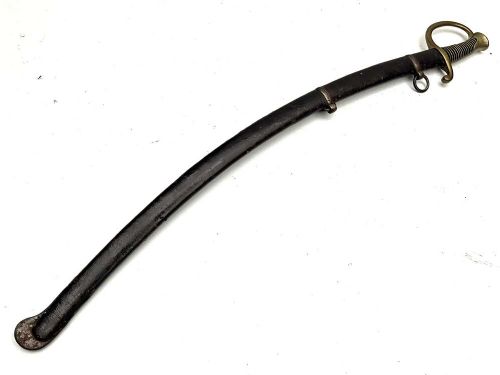
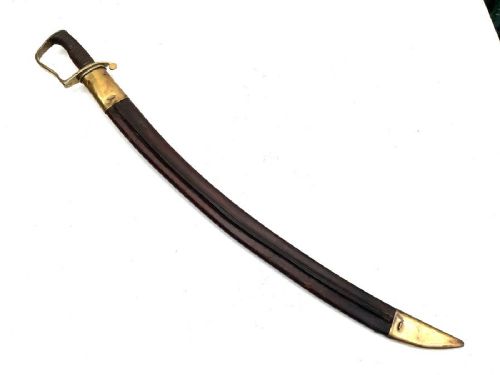
A curved military sword embodies the edged weaponry utilised by historical armed forces across various international campaigns. These items encompass cavalry sabres, mameluke swords, and tactical arms designed for mounted or infantry combat.
Buyers browsing this selection most frequently encounter Victorian era pieces alongside eighteenth and nineteenth century specimens. Forms range from French pattern sabres and British light cavalry designs to German officers' swords and samurai tachi weapons.
Materials and construction methods
Blades are forged from steel and forged steel, shaped into dynamic curves intended for cutting and slashing efficiency during engagement. Hilt and mounting components incorporate traditional elements such as brass, iron, bone, and ray skin.
Scabbards and grips utilise durable materials including leather and lacquered wood to protect the metal edges and ensure secure handling. Each component reflects the specific military standards and manufacturing capabilities of its respective period.
Several sabres feature ray skin grips, ensuring historical cavalrymen maintained a firm hold even during rainy charges.
Distinguishing quality across examples
The degree of preservation in the steel blade and the integrity of the wrapped grip determine the standing of an individual piece. Superior examples retain clear maker marks, crisp patination, and original mounting materials without aggressive restoration.
Historical authenticity and documented pattern designations elevate certain specimens above standard utilitarian issues. The refinement of the hilt assembly and the quality of the accompanying scabbard further differentiate standard military gear from officers' commissioned pieces.
E Thurkle of Soho
The Curved Military Sword Glossary
- Sabre
- A backsword with a curved blade primarily designed for slashing attacks from horseback. This form dominated cavalry engagements through the eighteenth and nineteenth centuries.
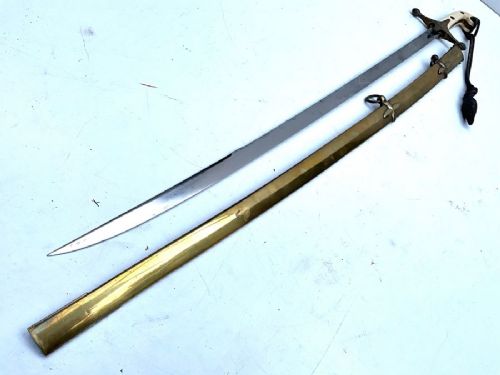
- Mameluke sword
- A curved, crosshilted sabre inspired by Middle Eastern designs and adopted by Western general officers. It became a mark of high rank in nineteenth century dress uniforms.
- Scabbard
- A protective sheath of leather, wood, or metal fitted to enclose the blade when not in use. It preserves the steel edge from environmental damage.
- Tachi
- A traditional Japanese longsword worn suspended from the waist with the edge facing downward. These predate standard katana mountings and display distinct historical craftsmanship.
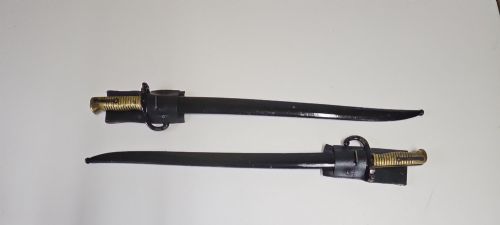
- Bayonet
- A bladed weapon designed to fit onto the muzzle end of a rifle for close combat. Several nineteenth century variants supplement standard sidearms.
Curved Military Sword: Frequently Asked Questions
What periods do these swords cover?
The available selection spans from the sixteenth century through the eighteenth and nineteenth centuries up to the mid-twentieth century. Pieces originate from diverse military contexts including Victorian Britain, France, and Germany.
Collectors can find items ranging from early samurai tachi swords to standard pattern cavalry sabres and twentieth century officers' sidearms.
How were these swords used?
Military swords served as primary tactical weapons for cavalry charges, infantry combat, and officer defence. Their curved blades were engineered to deliver effective slashing blows from horseback.
Over time, many of these arms transitioned into ceremonial dress items, symbolising rank and military tradition during inspections and formal events.
What materials make up the grips?
Historical grips incorporate organic and durable materials suited for secure handling during active service. Common elements include shaped bone, textured ray skin, and traditional wooden cores.
These materials were chosen for both practical grip traction and aesthetic distinction, particularly on officers' and dress variants.
How do I care for historic steel?
Preserving these edged weapons involves maintaining a stable indoor environment free from excessive moisture and humidity. Regular light applications of microcrystalline wax or specialist oil protect the steel from active corrosion.
Avoid aggressive cleaning or polishing, as this removes historical patination and maker marks that contribute to the piece's authenticity.