




British Military Sword
A british military sword carries the weight of history in its steel, offering collectors a tangible link to cavalry charges and naval engagements.
British Military Sword
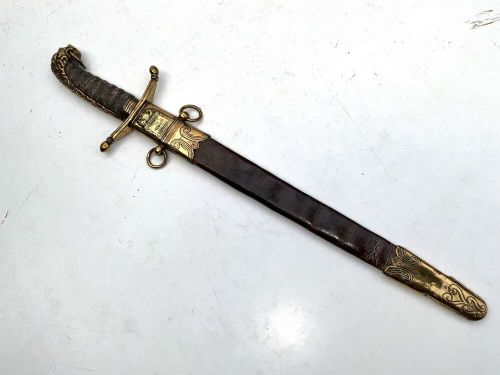
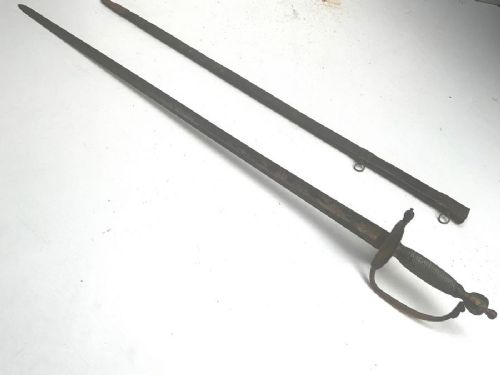
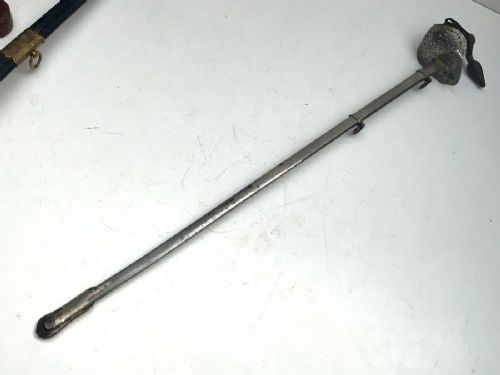
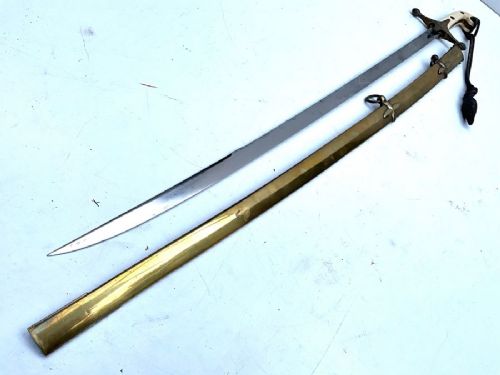
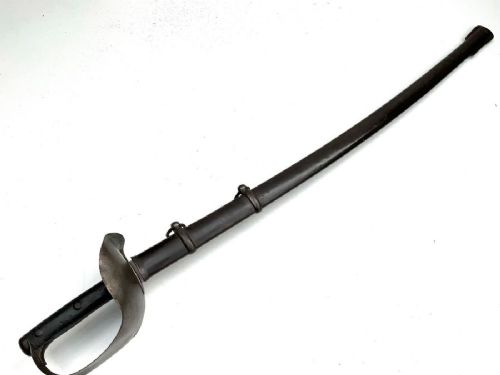
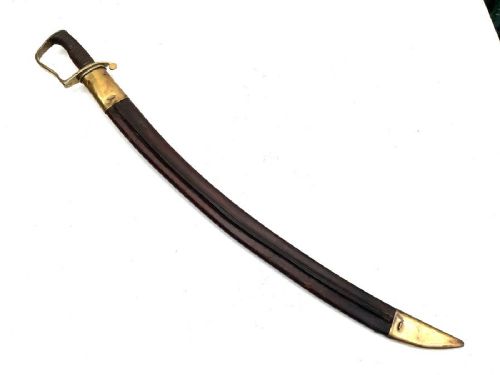
A british military sword encompasses edged weapons issued to or carried by officers and troopers across centuries of service. The selections available here range from eighteenth-century spadroons and light cavalry sabres to Victorian general officers' mamelukes and naval dirks.
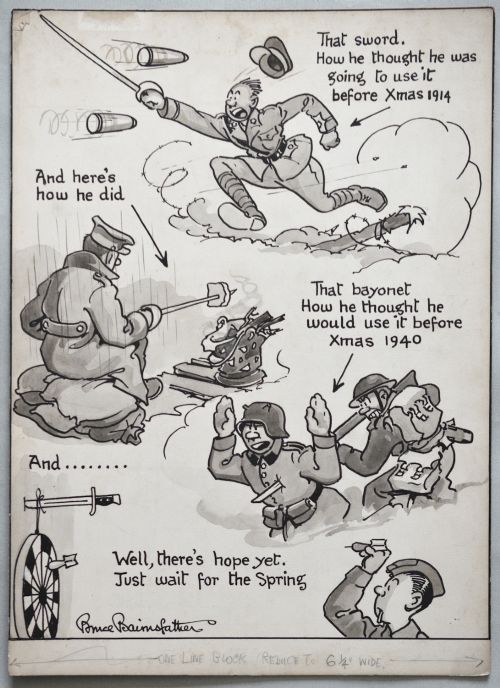
Buyers will encounter specific regulation patterns alongside related militaria such as bayonets, cutlasses, and historical artwork depicting these arms. The inventory draws on periods spanning the eighteenth, nineteenth, and twentieth centuries.
How they were made
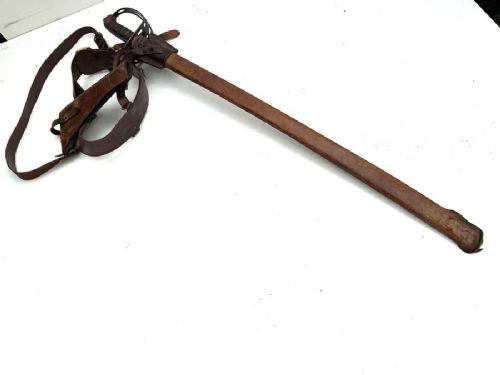
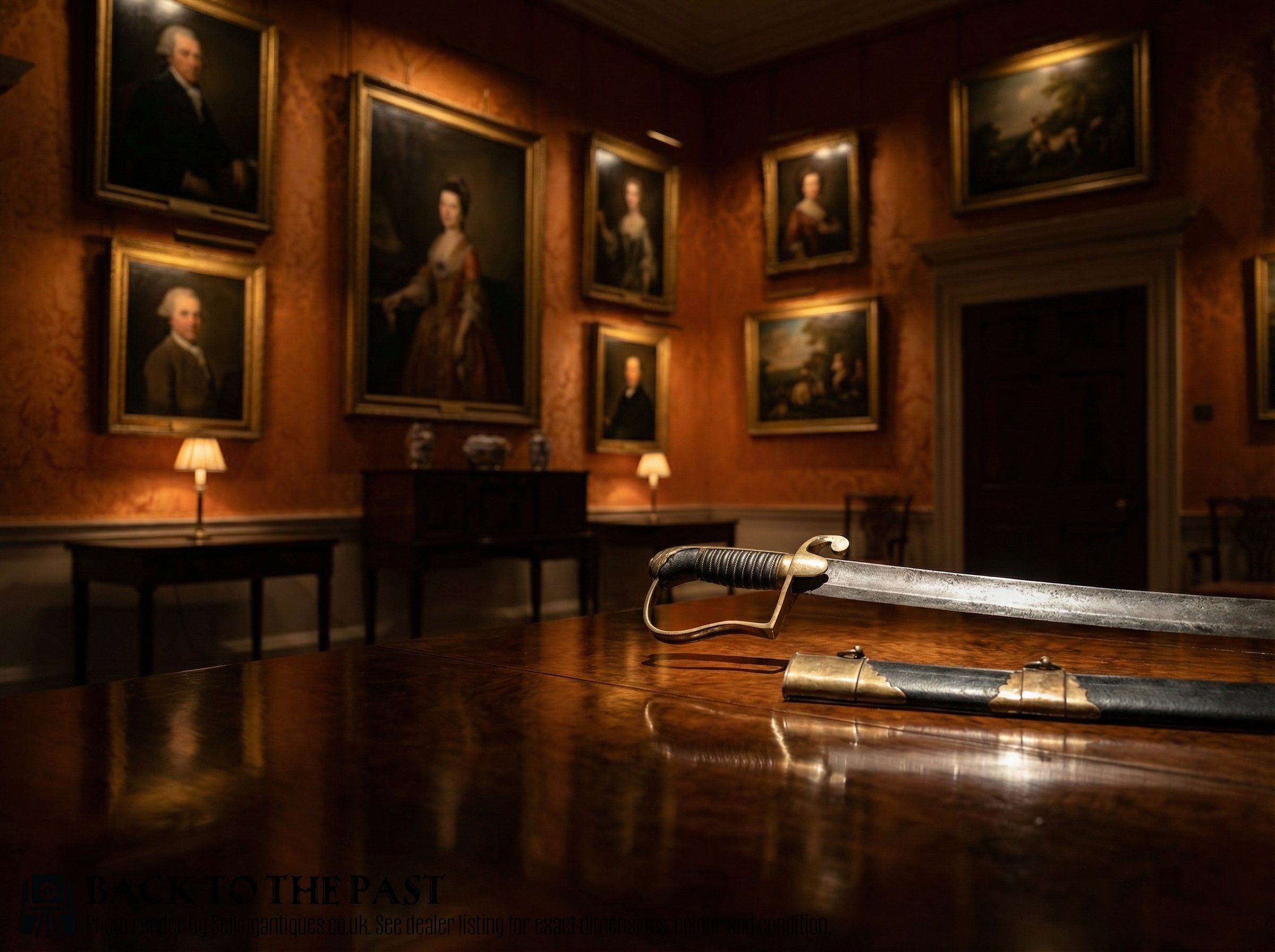
Blades are forged from steel, sometimes featuring blue and gilt decoration, while hilts incorporate brass, gilt brass, iron, and wire-wrapped grips. Scabbards combine leather and steel to protect the edged weapons.
Paper and ink appear in contemporary illustrations associated with the subject, and oil paintings record officers posing with their swords.
The inventory records steel, brass, iron, and leather as the primary materials used across these historical edged weapons and associated artwork.
What varies in quality
The distinction between items rests on the maker's reputation, the crispness of blade etchings, and the original integrity of the materials such as wire bound grips and leather scabbards. Marked blades from known makers carry greater historical documentation than anonymous issue pieces.
Survival of original gilding, blueing, and associated scabbards elevates the standing of a piece within its respective period.
E Thurkle of Soho·H Wilkinson·Henry Wilkinson
The British Military Sword Glossary
- Mameluke
- A curved sabre style adopted by general officers, inspired by Middle Eastern weapons encountered during the nineteenth century. These swords often feature ornate crossguards and ivory or bone grips.
- Cutlass
- A short, thick sabre designed for naval close-quarters combat. The figure-eight guard variant provides hand protection during boardings.
- Bayonet
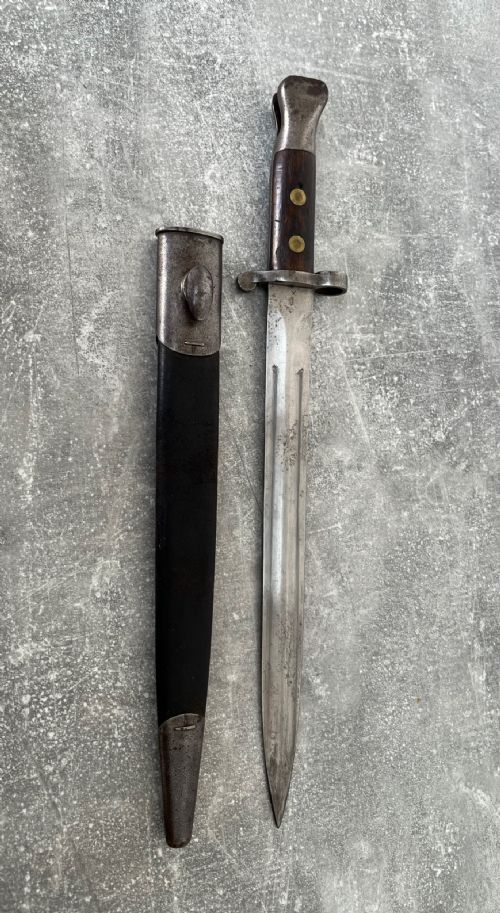
- A bladed weapon designed to fit onto the muzzle of a rifle. Patterns like the Lee-Metford serve as both sidearms and polearms.
- Sabre
- A backsword with a curved blade intended primarily for slashing from horseback. Cavalry units relied heavily on this form.
British Military Sword: Frequently Asked Questions
What is a british military sword?
A british military sword is an edged weapon officially issued to or privately purchased by members of the armed forces. These pieces span centuries of regulation patterns used by cavalry, infantry, and naval officers.
They reflect the changing tactics and uniform requirements of the British military across different historical campaigns and eras.
How do I tell different periods apart?
Dating relies on the regulation pattern year, hilt style, and blade geometry established by military authorities. Victorian examples often display distinct crown ciphers and specific guard designs.
Earlier eighteenth-century models like the 1796 light cavalry sabre show different curvature and grip construction compared to later nineteenth-century patterns.
Were these swords used in combat?
Many british military swords saw active service during colonial conflicts, naval engagements, and major European wars. Private purchase swords were often carried by officers into specific campaigns.
Others served primarily as dress or parade items, dictated by the regulations of the specific regiment and period.
How should I display a sword?
Displaying a british military sword requires secure wall mounts or dedicated display cabinets that support the weight evenly. Keeping the piece away from direct sunlight and damp environments preserves the steel and leather.
Light application of suitable oil prevents corrosion on historical steel surfaces without damaging remaining patination.