
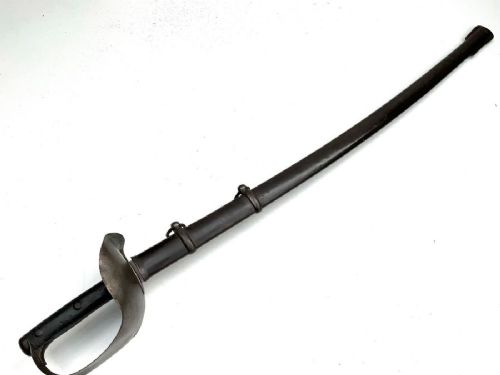
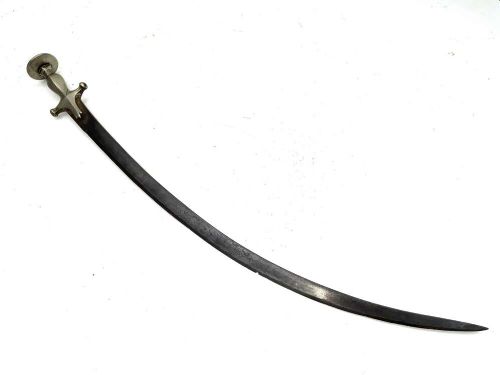

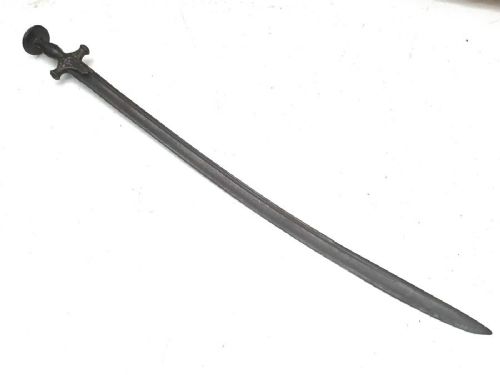


Antique Steel Sabre
An antique steel sabre carries the weight of military history, offering collectors a tangible link to cavalry campaigns and global conflicts.
Antique Steel Sabre
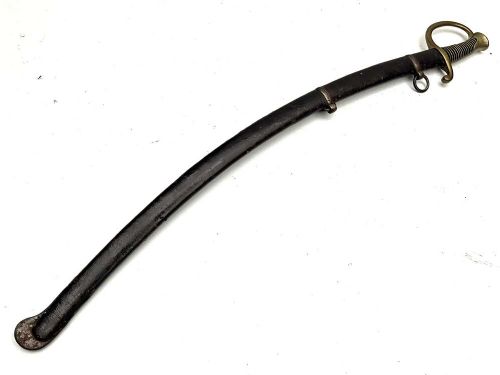
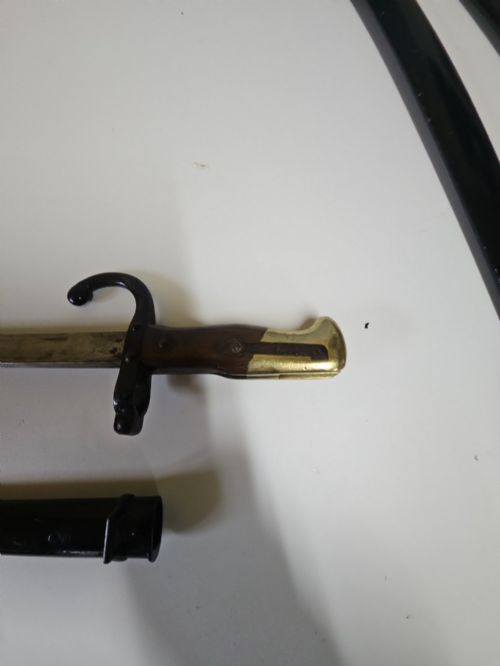
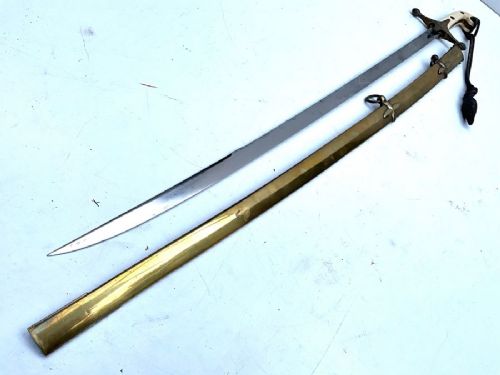
When you search for an antique steel sabre, you encounter edged weapons spanning the eighteenth, nineteenth, and mid-twentieth centuries, originating from British, French, German, Indian, and American contexts. The selections here range from heavy cavalry troopers' swords to specialised items like bayonets and mameluke patterns.
You are most likely to meet nineteenth-century British and French cavalry examples, alongside regional pieces such as Indian tulwars and frontier kora-type swords. These objects reflect official military regulations as well as private purchase pieces carried by officers in the field.
Forms vary from standard-issue regulation patterns to trophy items and ceremonial dress swords. Collectors choose these pieces for their historical associations with specific conflicts, regiments, and technological developments in weaponry.
Materials and construction
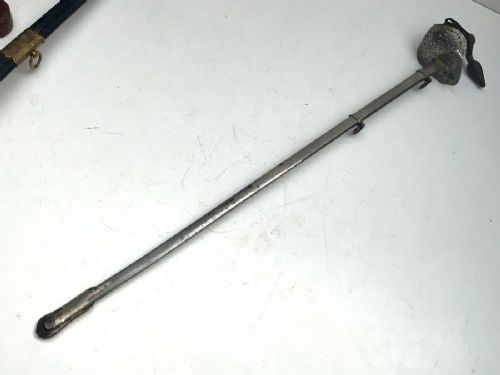
Blades are forged from steel and iron, paired with hilts constructed from brass, nickel, bone, and composite materials. Scabbards combine steel or leather with metal mounts to protect the cutting edge during service.
Grips utilise wood, leather, and bone, often wrapped with wire to secure the hand during combat use. Engraving and silver work appear on select regional blades and presentation pieces, demonstrating specialised metalworking techniques.
The listings show pieces spanning the eighteenth century through to mid-twentieth century military examples, incorporating steel, brass, leather, and bone.
Assessing quality and condition
The standard of a piece depends upon the crispness of maker marks, the integrity of the blade polish, and the original matching of hilt and scabbard components. Better examples retain clear regnal ciphers, inspector stamps, or workshop signatures.
Condition is determined by the preservation of the metal surface and the tightness of the hilt assembly. Wear reflects active military service, but preservation of original grips and unpolished blades distinguishes collector pieces from heavily altered ones.
H Wilkinson
The Antique Steel Sabre Glossary
- Sabre
- A backsword with a curved blade intended primarily for cutting from horseback. These weapons served light and heavy cavalry regiments across European and global militaries.
- Mameluke
- A curved sword with a crossguard and decorated hilt style adopted by Western officers following Middle Eastern designs. The pattern became popular for general officers in the nineteenth century.
- Tulwar
- A traditional curved sword originating from the Indian subcontinent. These weapons feature distinctive disk pommels and integrated grips.
- Bayonet
- A solid blade designed to fit onto the muzzle end of a rifle for close combat. They form a distinct category within edged weapon collecting.
- Scabbard
- A protective case for the blade, constructed from leather, steel, or iron. Matching scabbards significantly enhance the completeness of a piece.
Antique Steel Sabre: Frequently Asked Questions
How do I identify a cavalry sabre?
Examine the curvature of the blade, the design of the guard, and any stamped markings on the ricasso. Regulation patterns often carry dates, maker names, and military inspection stamps that reveal their origin.
Compare the blade length and hilt style against known military pattern books to determine the exact nation and regiment associated with the weapon.
Are these swords sharpened?
Many military sabres were issued with service edges intended for combat use, while others served a purely ceremonial function. Field-carried weapons frequently show signs of sharpening and use.
Inspect the edge carefully to distinguish between original service sharpening and later modifications made by subsequent owners.
How should I display a sabre?
Mount the weapon securely on a wall using specialised brackets that support both the blade and scabbard without causing damage. Ensure the display area remains away from direct sunlight and excessive humidity.
Keep the metal lightly oiled with a microcrystalline wax or suitable preservative to prevent rust and maintain the historical finish.
What does pattern mean on a sword?
A pattern refers to an officially approved military design adopted by a government or armed force for a specific regiment or era. These standardised specifications ensured uniformity across equipment.
Variations within a pattern can occur due to different manufacturers or private purchases by individual officers who upgraded their sidearms.