
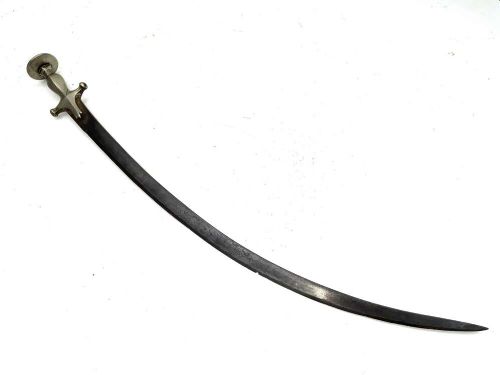


Curved Steel Blade
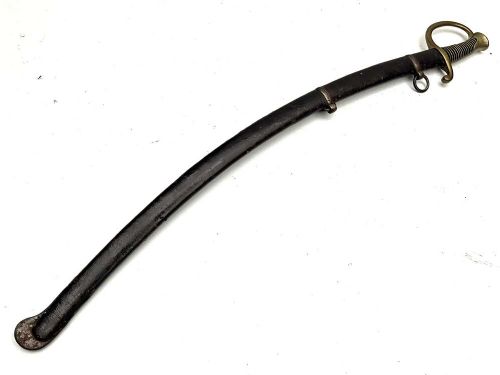
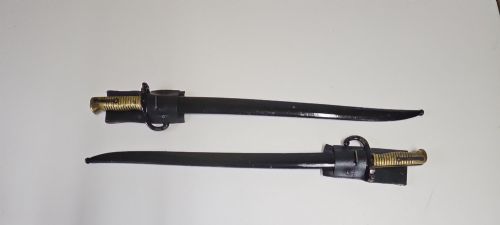
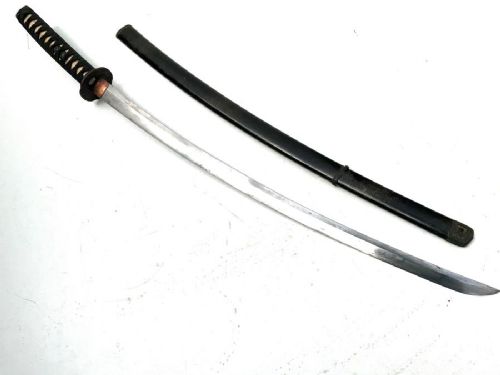
These examples of a curved steel blade cover military sabres, Japanese swords and gentleman's walking sticks designed for defence and ceremony.
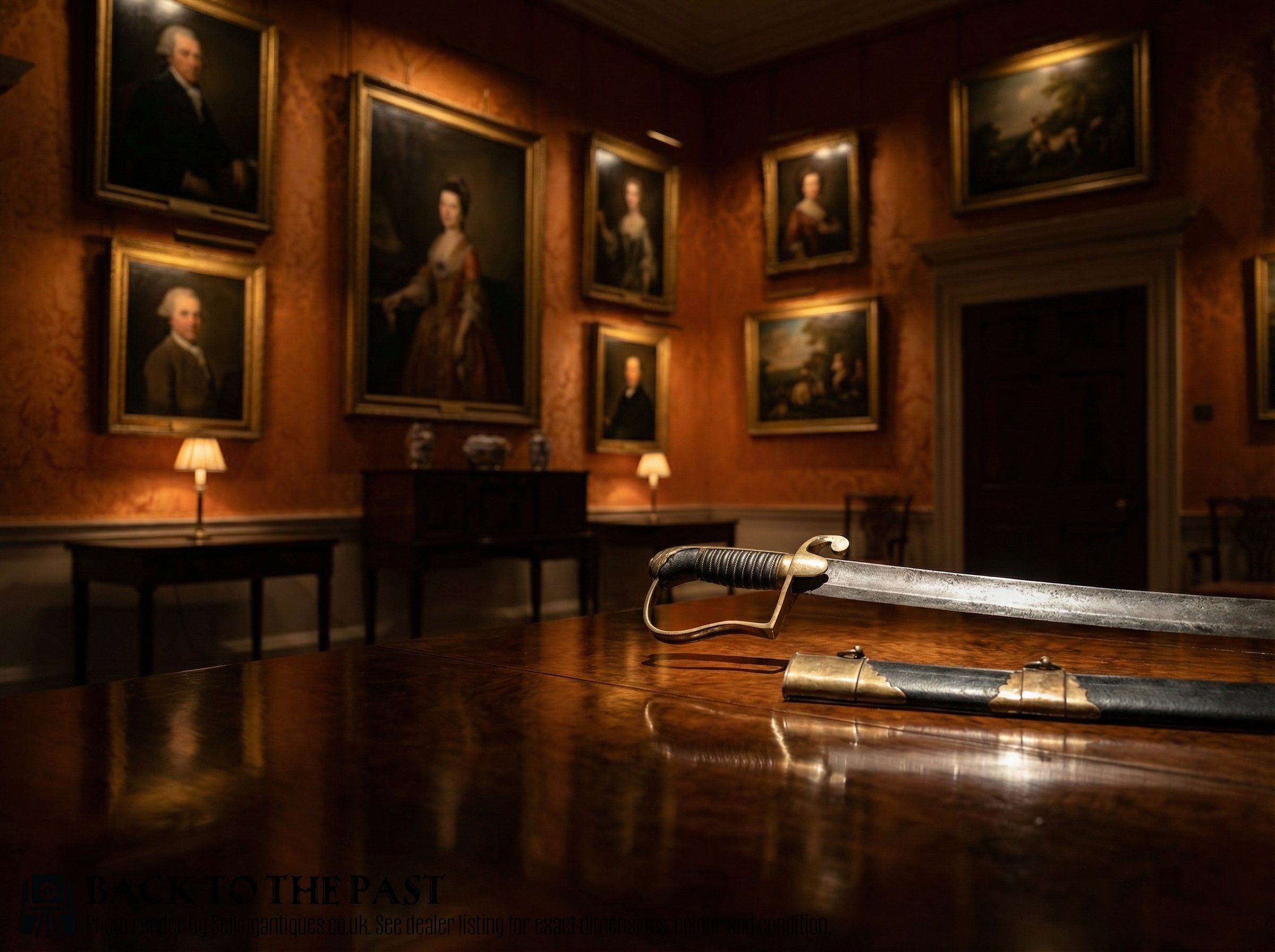
Curved Steel Blade
When you search for a curved steel blade, you encounter military sabres, traditional edged weapons, and concealed sword sticks spanning multiple centuries.
The selection ranges from early Japanese tachi and katana swords to British and French cavalry sabres from the eighteenth and nineteenth centuries.
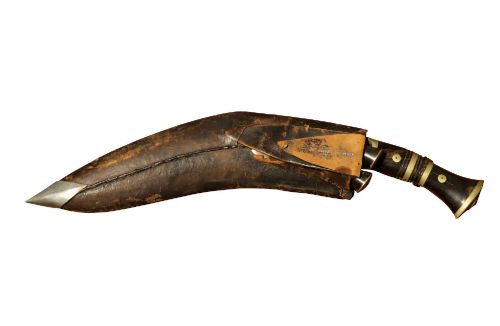
You will also find civilian walking sticks concealing hidden blades, alongside regional arms such as the Nepalese kukri and Indian tulwar.
How they were made
The primary material is forged steel, shaped into sweeping geometries and paired with hilts constructed from brass, silver, horn, leather, and wood.
Scabbards and handles often incorporate lacquer, iron, and specialised grip materials that reflect the specific military or civilian origin of the piece.
The inventory records materials including steel, brass, leather, iron, wood, horn, lacquer, and silver across multiple centuries.
What varies in quality
Quality rests in the integrity of the forged steel and the precision with which the blade meets its hilt and scabbard.
Fine examples retain original grip bindings, clean engraving work, and balanced proportions that distinguish military regulation pieces from everyday utility items.
Yukihiro
The Curved Steel Blade Glossary
- Sabre
- A backsword with a curved blade intended primarily for cutting from horseback. Cavalry units across Europe utilised this form extensively.
- Tachi
- A traditional Japanese sword worn suspended from the waist with the cutting edge facing down. They typically exhibit a greater curvature than later katana.
- Scabbard
- A protective sheath for a sword, dagger, or bayonet. These housings are frequently constructed from wood, leather, or metal.
Curved Steel Blade: Frequently Asked Questions
How do I care for an antique blade?
Keep the steel lightly oiled with a microcrystalline wax or mineral oil to prevent active rust from forming on the surface.
Store the piece in a dry environment away from direct sunlight to protect organic handle materials like horn and leather.
Are sword sticks legal to own?
Regulations regarding concealed weapons vary significantly by region, so you must check local legislation before purchasing or transporting a walking stick sword.
Many jurisdictions classify these dual-purpose items under specific offensive weapon laws regardless of their age.
How do I identify a military sabre?
Military sabres usually feature regulated blade lengths, specific guard designs, and acceptance stamps or regiment markings along the spine.
Comparing the geometry against known pattern books helps pinpoint the exact decade of issue.
What is the difference between a tachi and a katana?
A tachi is worn edge-down in a hanging mounting system, whereas a katana is tucked through the sash edge-up.
Tachi blades generally display a deeper curve and often date to earlier periods of Japanese sword smithing.