

19th Century Rosewood Stand
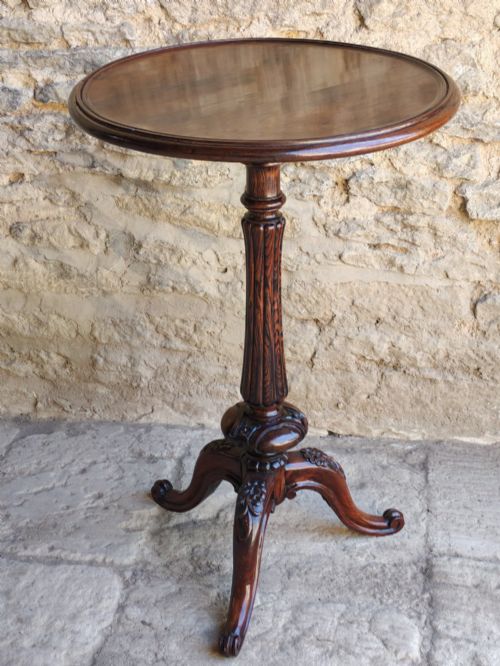
A 19th century rosewood stand brings dense grain and architectural presence into a room, offering a sturdy platform for books, plants, and precious objects.
19th Century Rosewood Stand
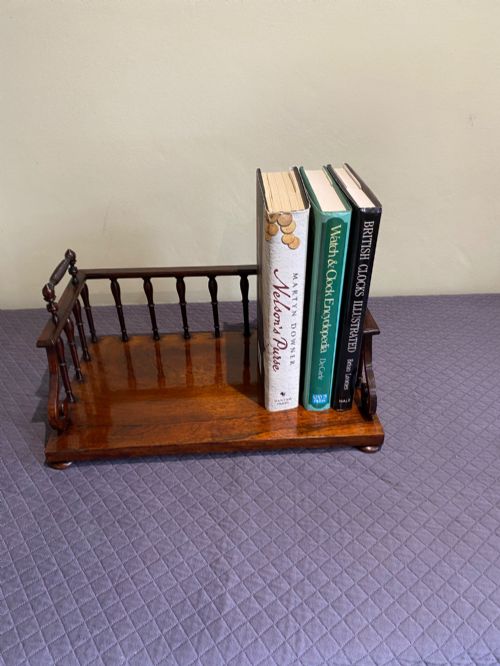
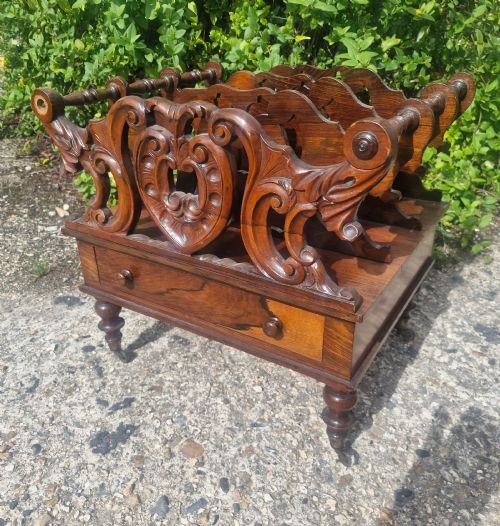
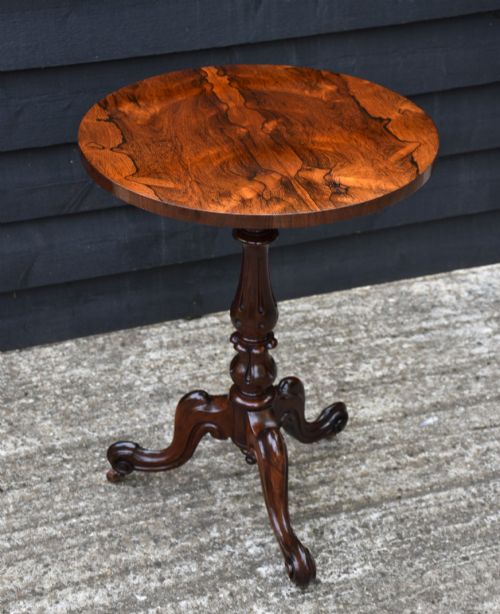
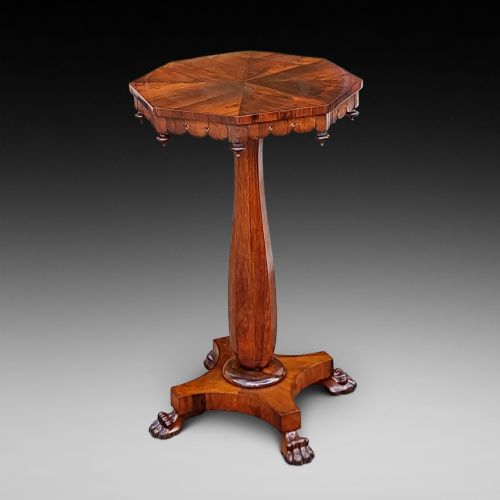
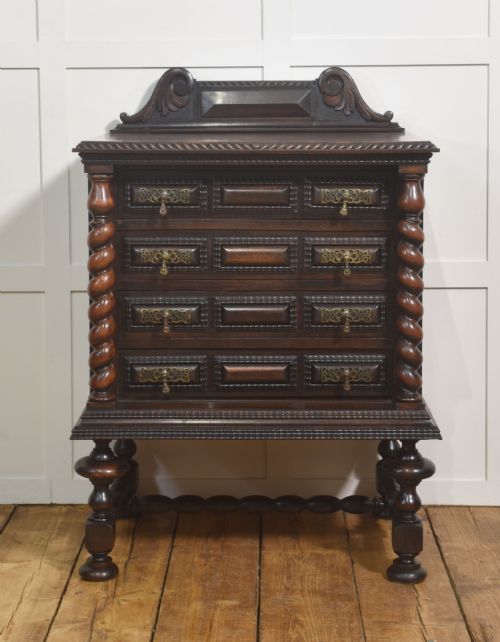
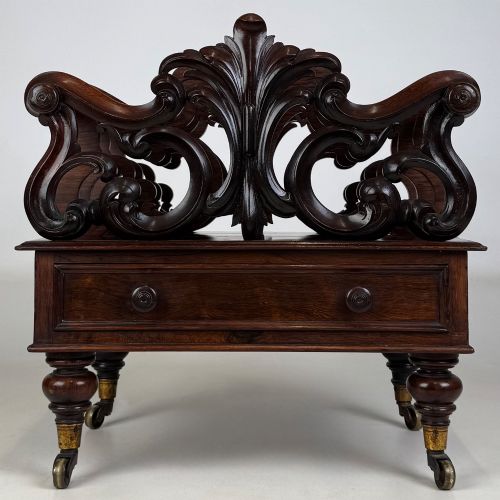
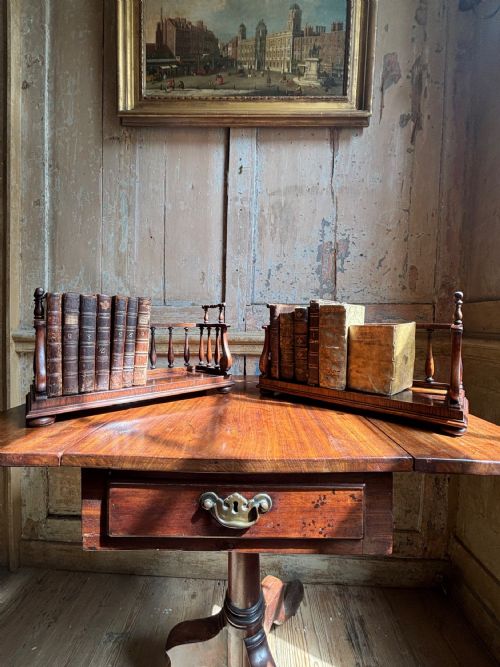
When searching for a 19th century rosewood stand, collectors encounter a diverse group of functional furniture items spanning various stylistic traditions. The selection ranges from compact plant and vase stands to book racks, music stands, and occasional tables created during the Regency, Victorian, and William IV periods.
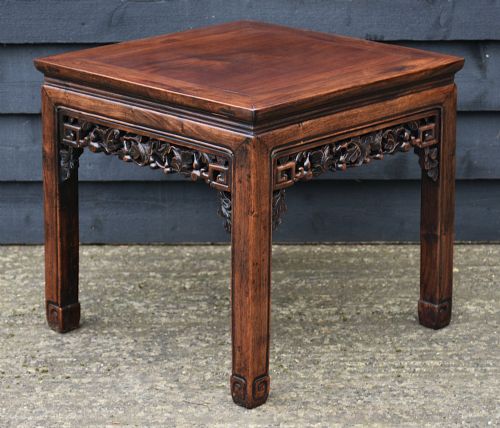
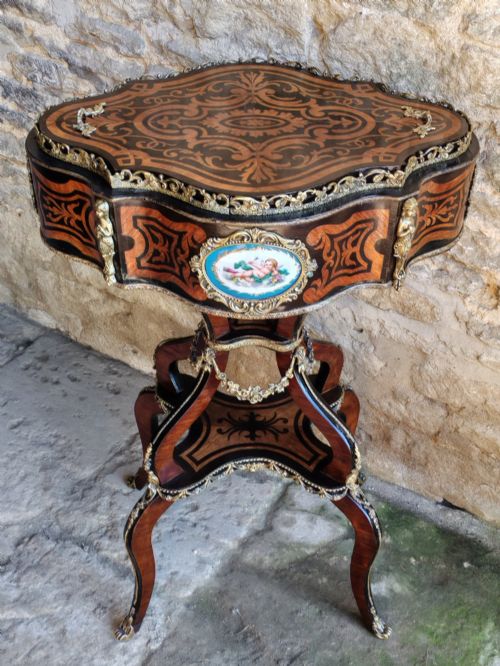
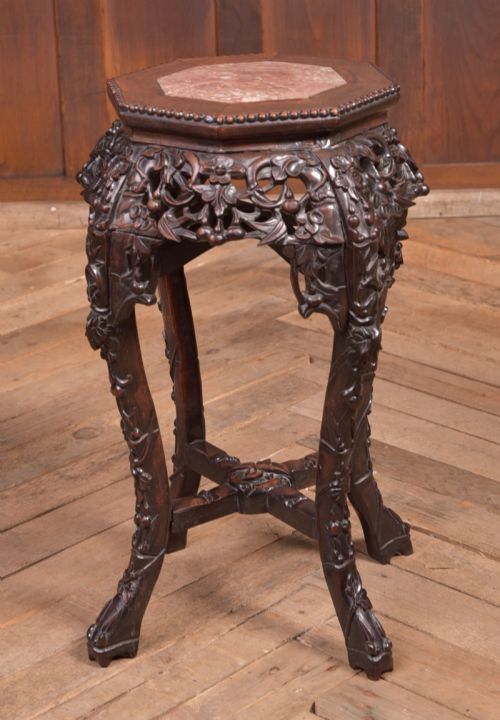
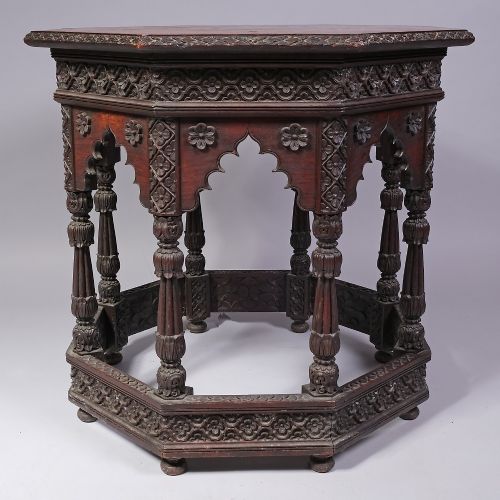
Makers across different regions utilised this dense tropical timber to build specialised items such as teapoys, sewing tables, and display stands. Pieces frequently reflect regional aesthetics, including English cabinetmaking, French marquetry, and heavily carved Chinese or Anglo-Indian workshops.
The most common forms on this page include plant and jardiniere stands, alongside book stands and occasional tables. These varied items share a reliance on rich rosewood timber to provide both structural support and decorative warmth.
What varies in quality
Quality in these stands is determined by the selection of the timber and the crispness of the carving or inlay. Superior examples display tightly figured rosewood grain and precise assembly that has withstood decades of use without losing rigidity.
The sophistication of the design also dictates value, with signed or attributable pieces showing greater refinement in proportions and detail. Well-executed brass stringing, integrated marble tops, and balanced structural geometry separate standard workshop production from exceptional craftsmanship.
The archive includes specialised forms ranging from adjustable music stands and butlers' trays to heavy vase and plant supports.
Edwards and Roberts·Gillows of Lancaster·George Bullock
The 19th Century Rosewood Stand Glossary
- Rosewood
- A dense, heavily figured timber prized for its dark purple-brown colour and contrasting black grain. It polishes to a high lustre and forms the primary structural and decorative material for these pieces.
- Brass stringing
- Fine inlaid lines of brass set into the surface of the wood to create geometric or linear borders. This decorative technique appears frequently on Regency furniture.
- Teapoy
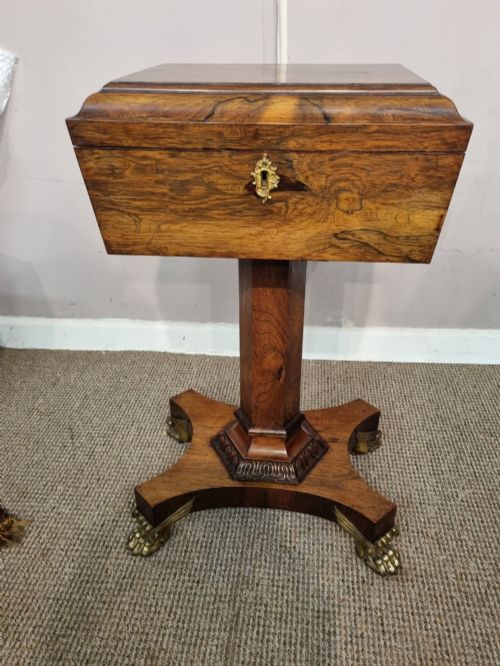
- A small box or chest mounted on a central pillar and base, originally designed to store loose tea. 19th-century examples often incorporate fitted interior compartments.
- Étagère
- An open piece of furniture with multiple shelves for displaying small objects, books, or ornaments. These tiers are typically supported by slender columns or uprights.
- Marquetry
- The art of applying pieces of veneer to a structure to form decorative patterns or pictures. Craftsmen utilised various exotic woods to achieve tonal contrast.
19th Century Rosewood Stand: Frequently Asked Questions
What were rosewood stands originally used for?
These versatile items served specific domestic functions in 19th-century homes, holding sheet music, books, tea caddies, or potted plants. Wealthy households placed them in drawing rooms and libraries to organise reading materials and display ornamental items.
Their designs reflected their intended purpose, with adjustable reading desks, folding tray supports, and heavy pedestals engineered to hold globes or heavy ceramics securely.
How do I identify a Regency period stand?
Regency pieces often display classical architectural influences, drawing inspiration from ancient Greek and Roman designs. Look for clean lines, rosewood surfaces accented with fine brass stringing, and formal geometric proportions.
Craftsmen working during this era frequently utilised lyre motifs on music stands and balanced pedestal bases with splayed legs ending in brass paw feet.
Are Chinese rosewood stands different from English ones?
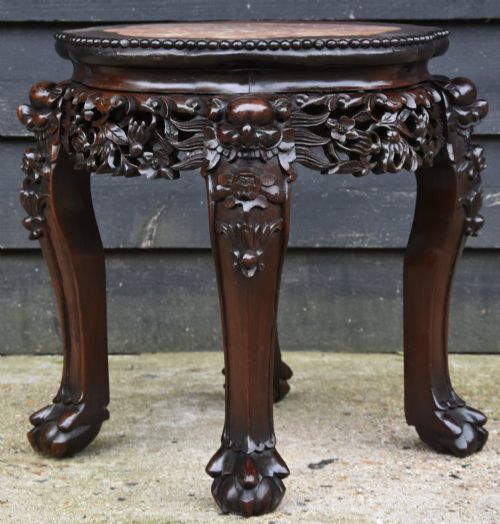
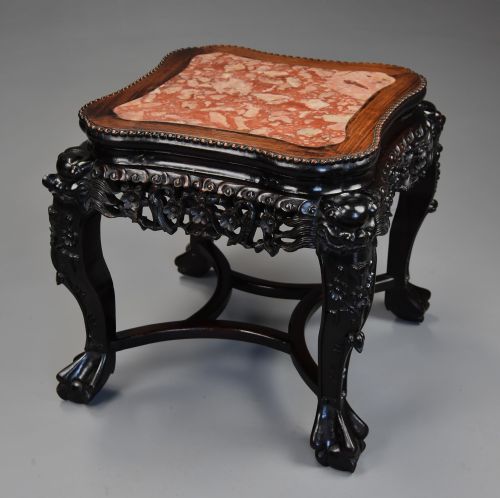
Chinese stands created during the 19th century typically feature deep, ornate hand-carvings depicting floral elements, dragons, or auspicious motifs. They often incorporate inset marble tops into hardwood frames designed specifically for heavy vases or plants.
In contrast, European furniture prioritises smooth polished veneers, crossbanding, and structural hardware like brass stringing or marquetry over deep relief carving.
How should I care for a rosewood surface?
Rosewood requires stable environmental conditions away from direct sunlight and strong heat sources to prevent the timber from drying out or splitting. Dust the piece regularly with a soft, dry cloth and avoid harsh chemical cleaners or silicone polishes.
Applying a traditional beeswax occasionally helps nourish the wood grain and maintains the natural lustre of the antique polish.