


Dark Rosewood Pedestal
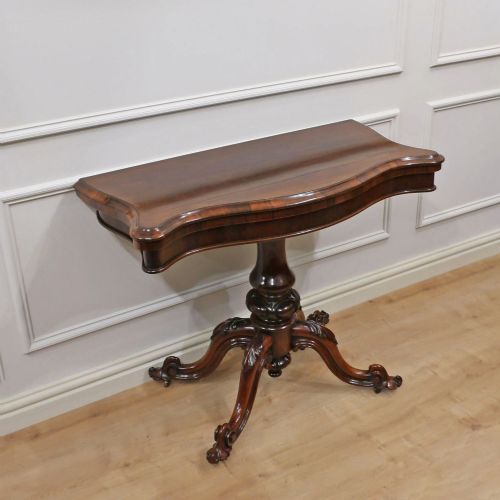
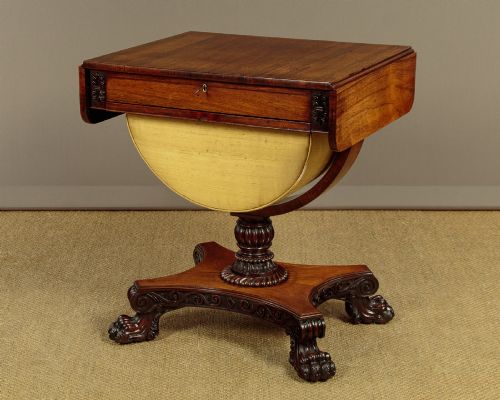
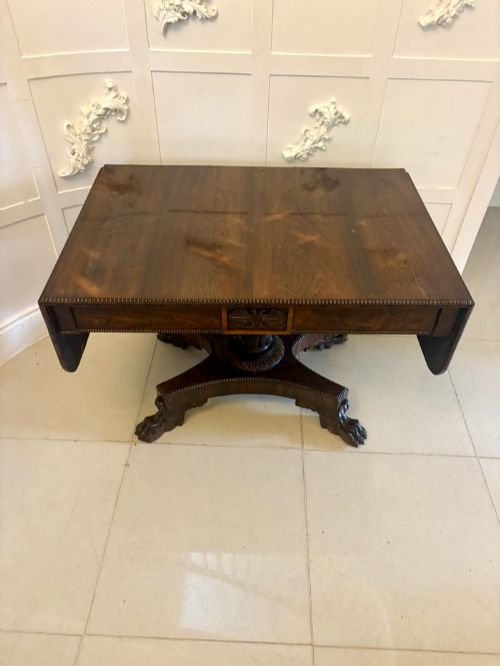
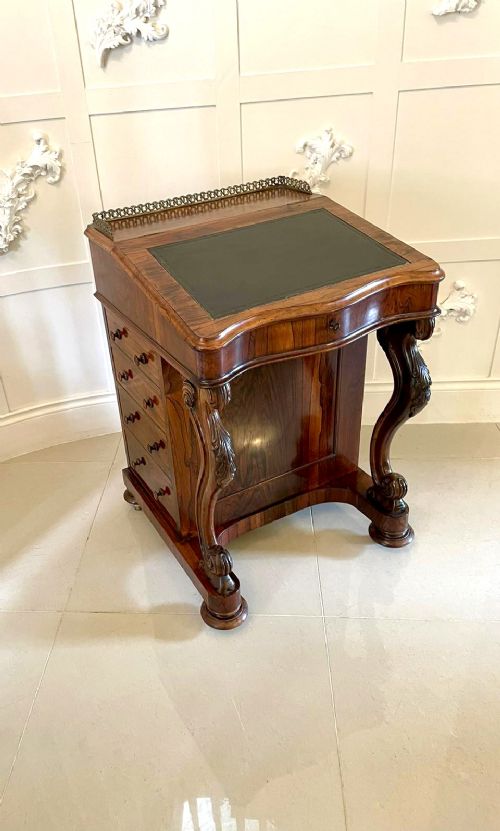
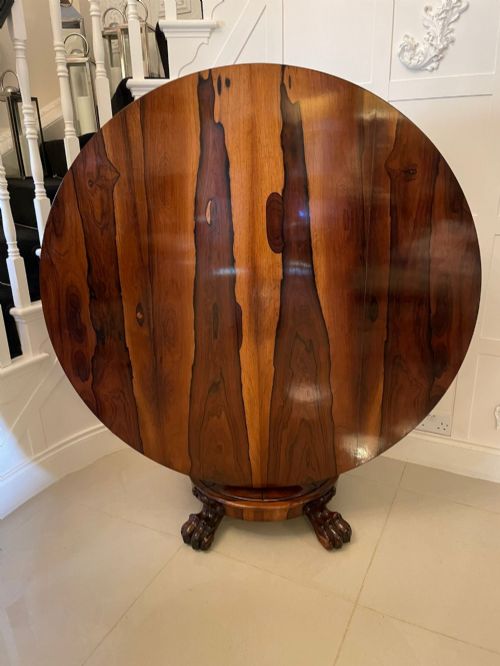
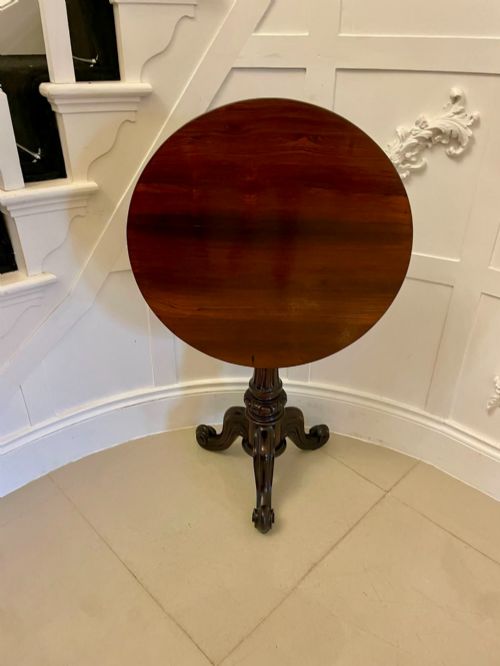
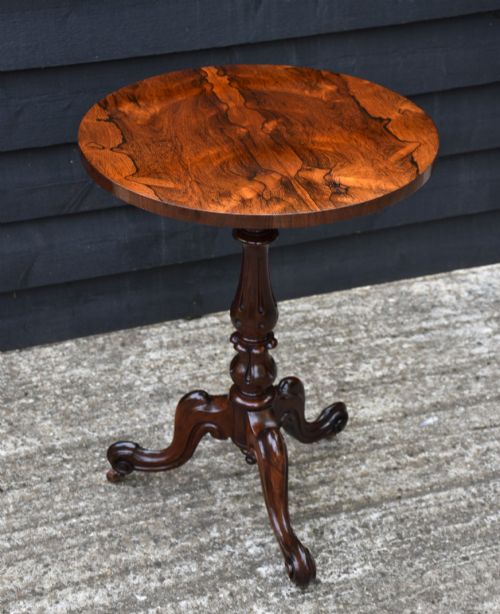
A dark rosewood pedestal brings rich grain and solid weight to a room, anchoring a space with nineteenth-century presence.
How they were made
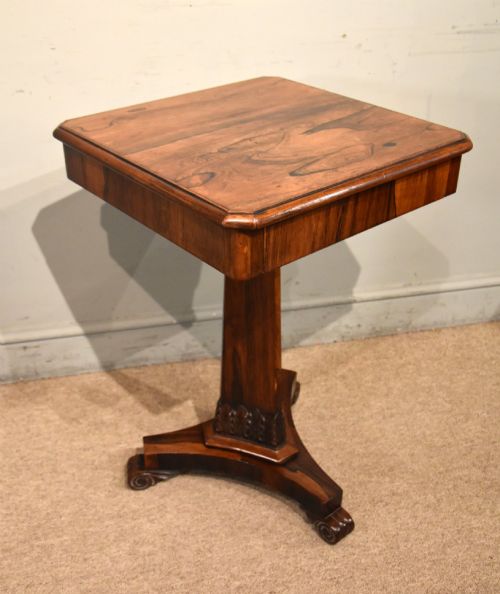
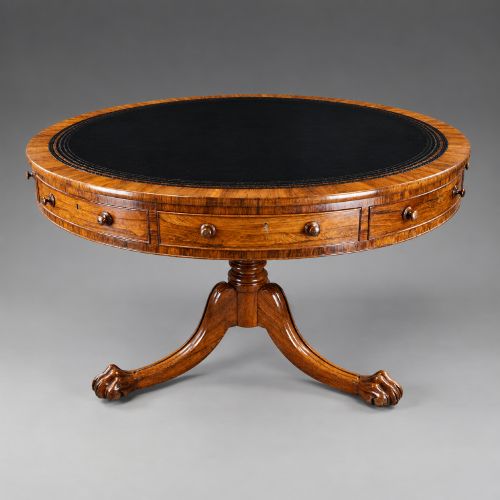
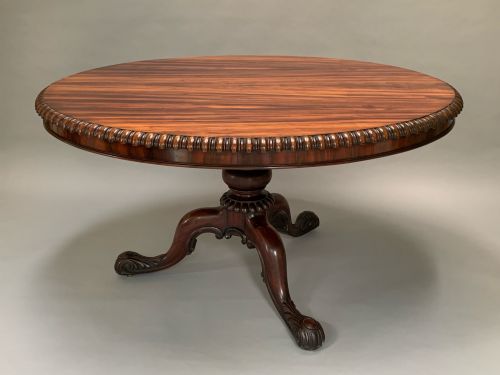
Cabinet makers utilised dense tropical hardwoods, turning solid rosewood for structural columns and applying finely figured veneers to expansive table tops. Bases often feature carved triform supports or circular plinths weighted to balance the cantilevered weight above.
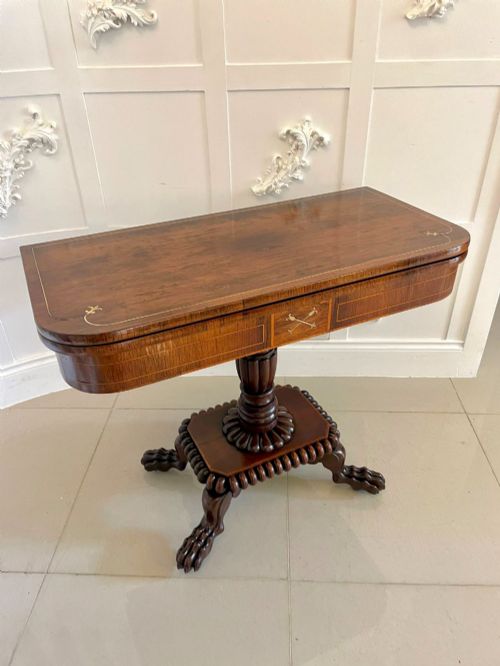
Detailing on these pieces incorporates brass inlay, boxwood stringing, and mother of pearl set flush into the dark timber. Turned and carved elements demonstrate the hand-chiselled execution typical of the Georgian, Regency, and Victorian eras.
What varies in quality
The hierarchy among these pieces rests on the depth of timber figure, the crispness of the hand-carved pedestal base, and the structural integrity of the central column connection. Superior examples maintain unwarped tops and heavy, stable undercarriages that bear weight evenly without lateral sway.
Refinement in secondary details, such as precision brass inlay and the harmonious grain matching of the rosewood veneers, distinguishes standard cabinet work from exceptional workshop production.
Listings feature nineteenth-century forms including card tables, pembroke tables, and library tables constructed from rosewood and hardwood.
George Bullock·Gillows·Mein of Kelso
The Dark Rosewood Pedestal Glossary
- Pedestal
- A single central support or column carrying a table top, frequently resting on a triangular or circular platform base.
- Tilt-top
- A table mechanism allowing the top to pivot vertically for storage against a wall when not in use.
- Triform
- A three-sided base structure commonly employed on nineteenth-century pedestal tables to provide lateral stability.
- Teapoy
- A small stand or box on a pedestal designed for storing and serving tea.
- Satinwood
- A pale exotic timber utilised for contrasting inlay and stringing against dark rosewood surfaces.
Dark Rosewood Pedestal: Frequently Asked Questions
What is a pedestal table used for?
These tables function as central dining surfaces, breakfast tables, or occasional stands in libraries and drawing rooms. The single central column allows chairs to tuck underneath without interference from corner legs.
Larger versions accommodate multiple settings for dining, whilst smaller examples serve as lamp tables or wine tables beside seating.
How do I identify a William IV pedestal?
William IV examples typically display heavy, robust proportions with bold scrolling carved details on the central pillar. The timber is heavily figured dark rosewood, often featuring a circular or platform base with paw feet.
Construction from this era emphasises structural weight and substantial architectural presence compared to lighter Regency designs.
Are tilt-top tables stable?
Tilt-top mechanisms rely on a robust catch and block beneath the top to lock the surface securely in the horizontal position. When properly adjusted, the heavy rosewood top remains firmly seated on the central pillar.
The pivot function was originally designed for easy storage against the perimeter of a room when space was required.
What is a teapoy?
A teapoy is a specialised container mounted on a pedestal, traditionally used to store dry tea leaves away from damp air. Interiors often contain fitted caddies and small mixing bowls.
These pieces sit beside parlor chairs as decorative and functional items during the nineteenth century.