

19th Century Rosewood Chiffonier
A 19th century rosewood chiffonier brings rich timber grain, elegant brass details and useful low storage into a modern interior.
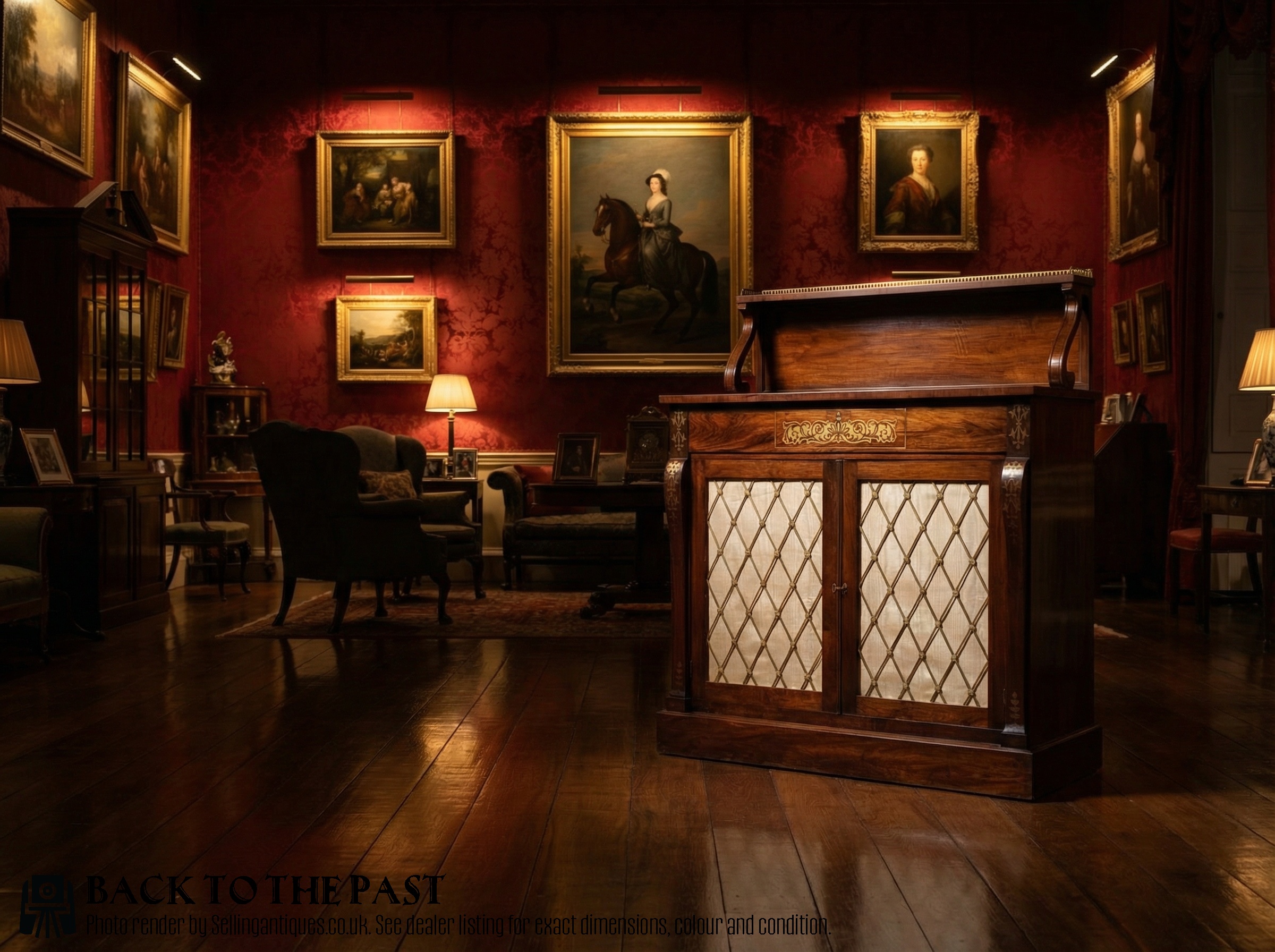
19th Century Rosewood Chiffonier
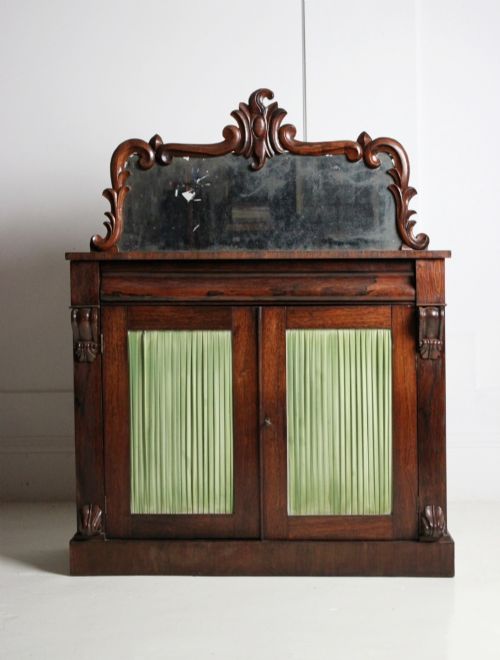
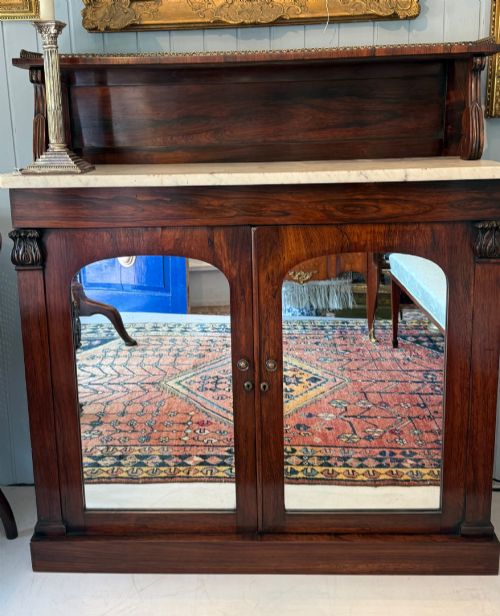
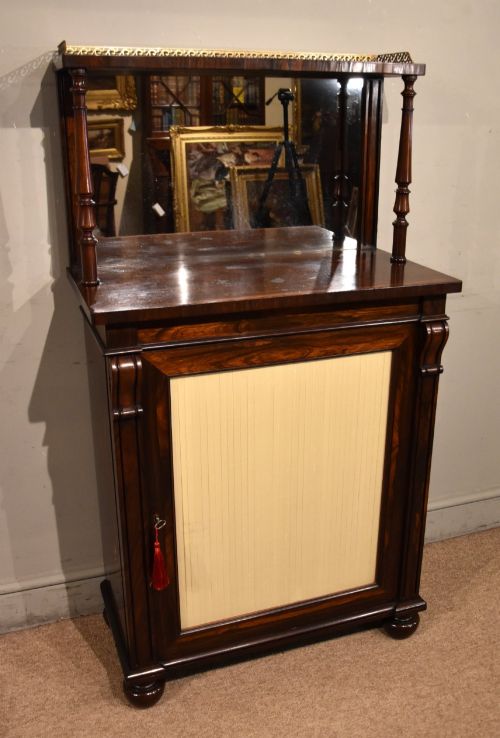
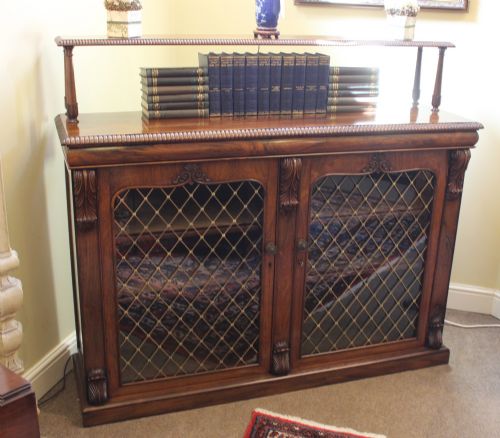
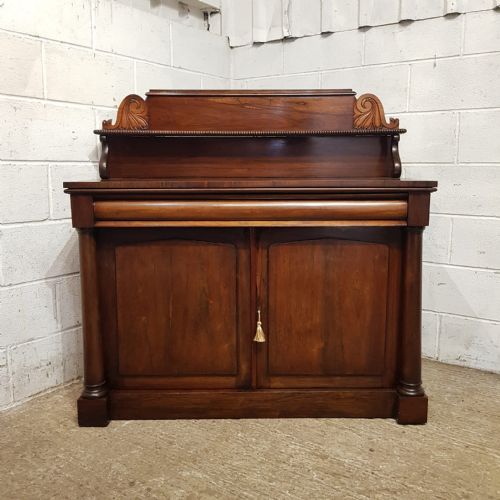
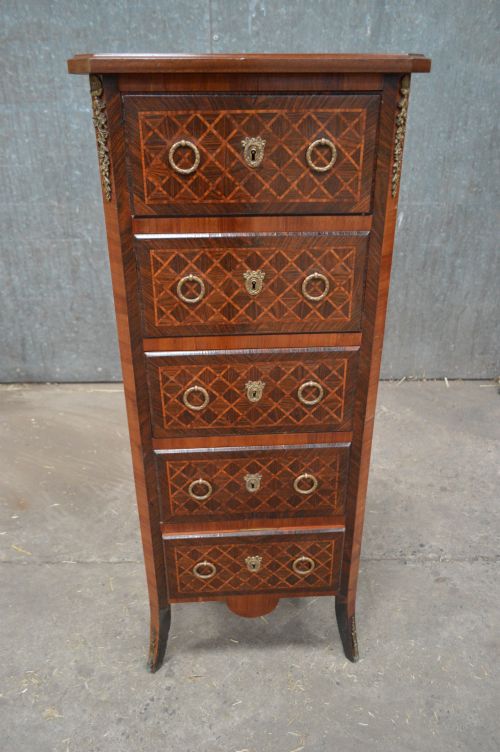
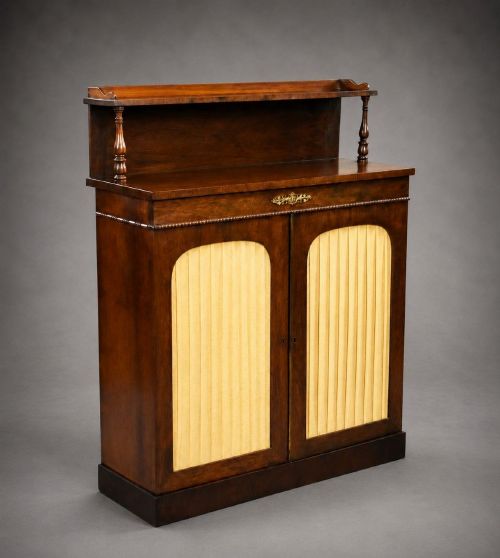
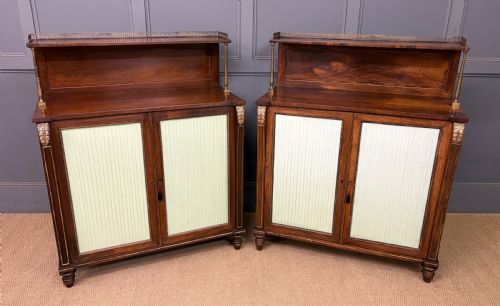
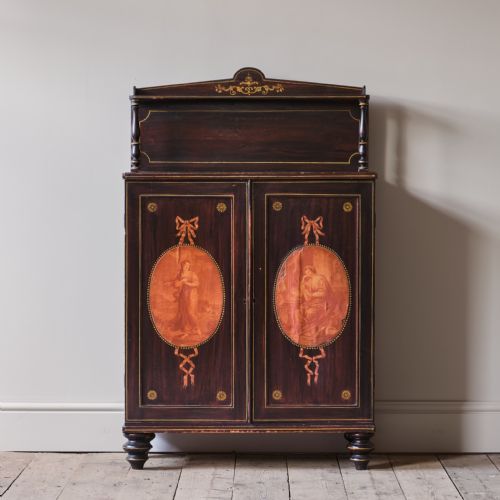
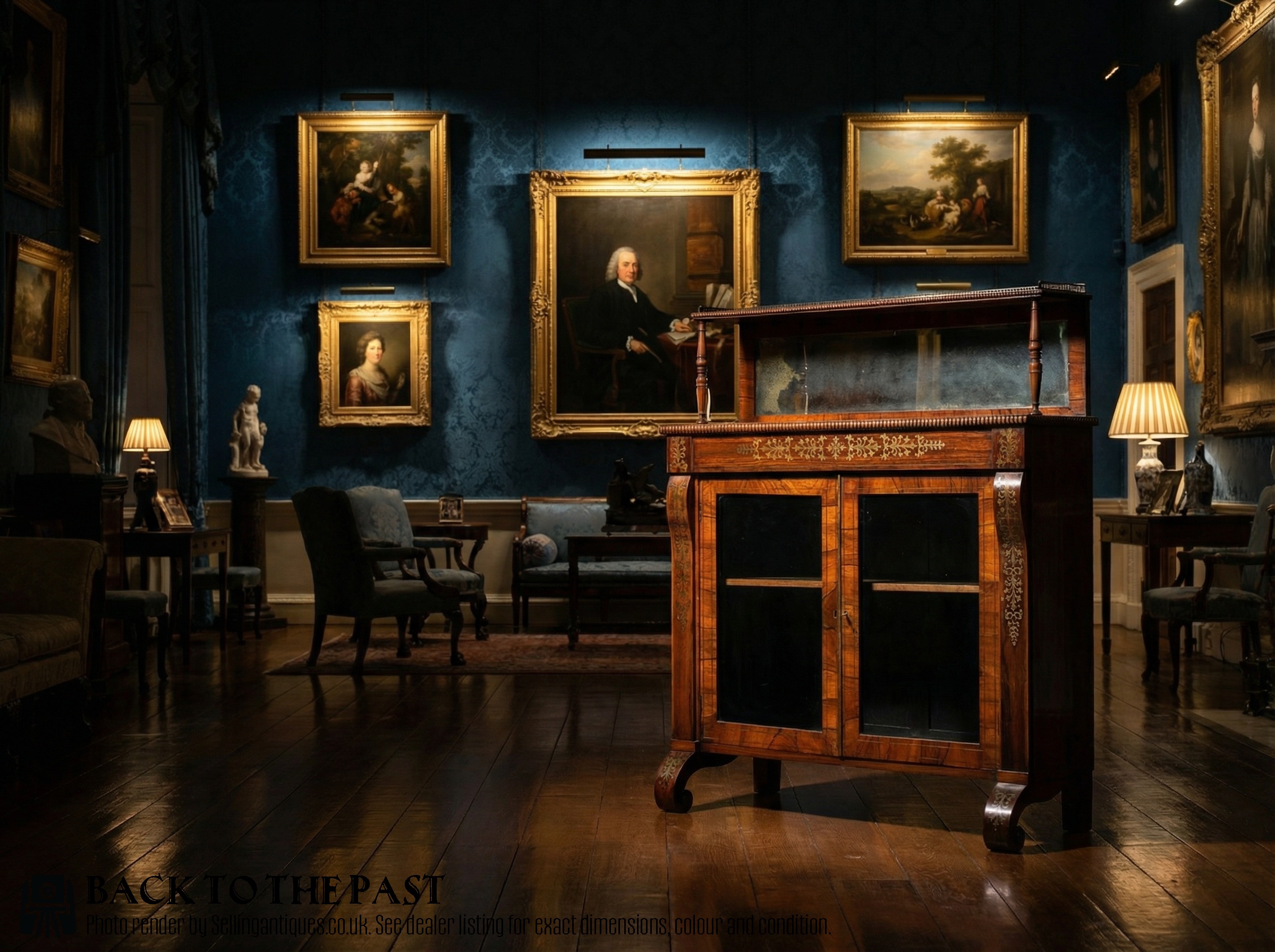
When you search for a 19th century rosewood chiffonier, you encounter low timber cabinets designed for dining rooms and parlours to hold books, glassware or linens. These pieces generally combine a set of lower enclosed cupboards with upper shelving or a mirrored superstructure.
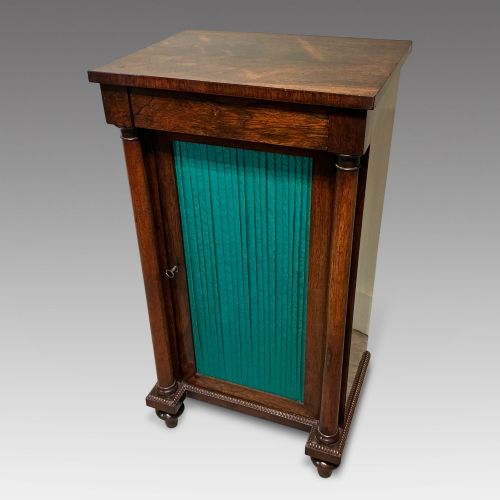
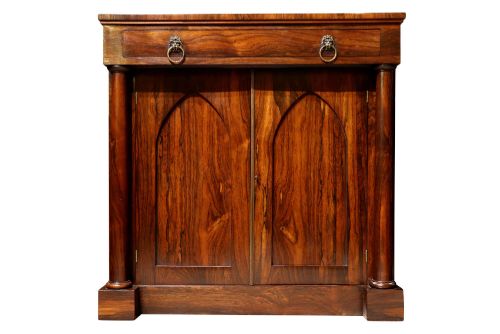
The versions most common on this page date from the Regency, William IV and Early Victorian eras, often taking the form of compact side cabinets with panelled doors. Makers during these periods utilised rich timber veneers to create formal architectural silhouettes for domestic spaces.
Quality and Craftsmanship
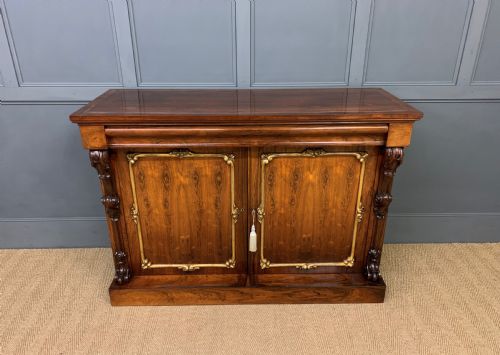
The fineness of a piece depends heavily on the selection and matching of the rosewood veneers across the front elevation. Superior examples display symmetrical grain patterns that flow evenly from left to right across the cabinet doors.
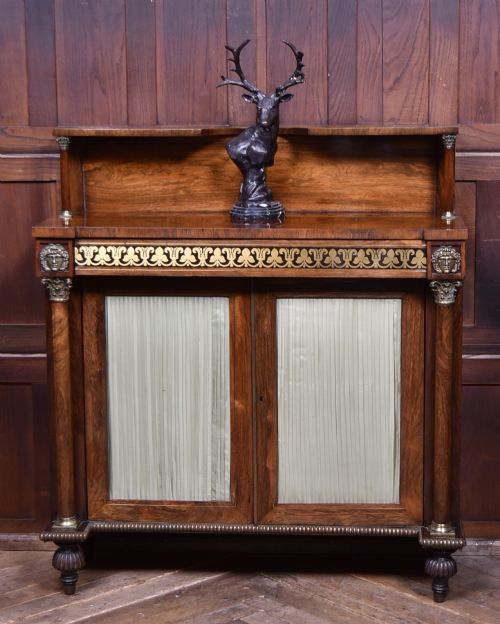
Quality also rests in the precision of the brass inlay work, the integrity of the structural joinery, and the retention of original fittings such as locks, keys, and interior shelving. Finer workshops invested greater care in internal secondary woods and crisp carving details.
19th Century Rosewood Chiffonier Retail Price Guide 2026
Typical asking prices for 19th century rosewood chiffonier among the pieces listed under this phrase on Sellingantiques today, from the lower quarter to the upper quarter. They describe what is for sale here now, not the wider market.
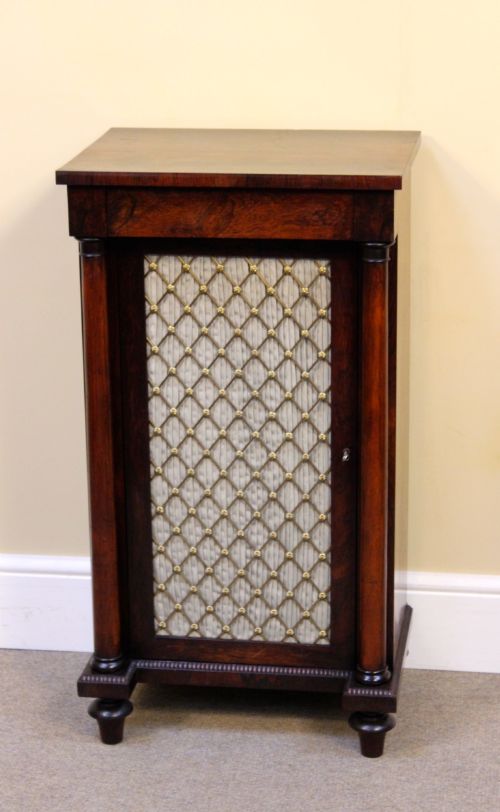
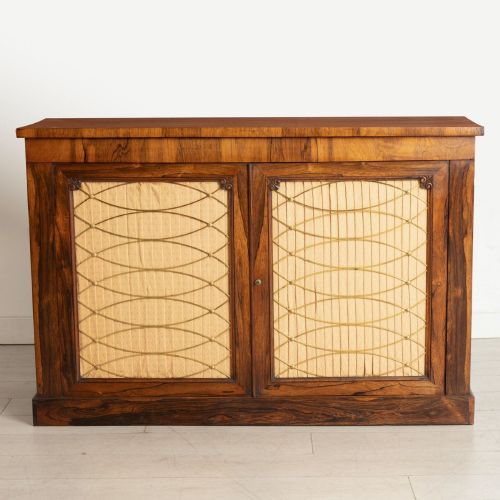
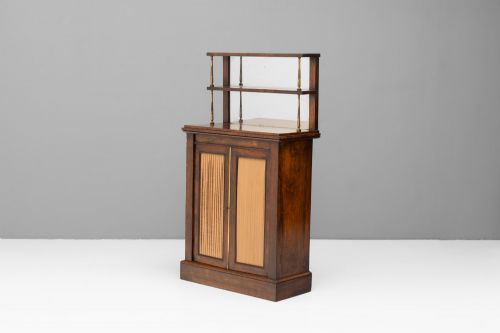
Some early models hide pleated silk behind brass grilles so gentlemen could conceal the clatter of their stored glassware.
Holland & Sons·Gillows
The 19th Century Rosewood Chiffonier Glossary
- Chiffonier
- A low cabinet distinct from a sideboard, usually featuring a combination of drawers, enclosed cupboards, and sometimes an upper shelf backed by a mirror. It served as a versatile piece for storing tableware and displaying decorative objects.
- Palisander
- A dense, heavily figured timber often synonymous with rosewood, prized for its dark purple and brown grain markings. Makers utilised this exotic wood to give high-end cabinets a dramatic visual weight.
- Gothic Panelled
- A style of door construction featuring pointed arches and vertical tracery carved into the wood. This decorative motif reflects medieval architectural revivals popular during the early nineteenth century.
- Simulated Rosewood
- A decorative painting technique applied to cheaper base timbers like pine to imitate the appearance of expensive exotic grain. Artisans achieved this effect by dragging dark glazes over a lighter prepared ground.
19th Century Rosewood Chiffonier: Frequently Asked Questions
What is a 19th century rosewood chiffonier used for?
These cabinets serve as practical low storage units and display surfaces within living spaces, dining rooms, or hallways. The lower cupboards house books and tableware, while upper shelves or mirrored backs accommodate decorative objects.
Their compact height allows them to sit comfortably beneath windows or against hallway walls without dominating the room's proportions.
How do I tell Regency from Victorian pieces?
Regency items generally exhibit cleaner architectural lines, classical brass inlay, and restrained proportions influenced by ancient Greek and Roman designs. Victorian pieces often display heavier proportions, more rounded ogee mouldings, and elaborate carving.
Examining the underlying construction methods and the style of the feet helps confirm the manufacturing decade.
How do I care for rosewood furniture?
Rosewood requires stable indoor humidity levels and protection from direct sunlight to prevent the rich timber veneers from fading or drying out. Regular dusting with a soft, dry cloth maintains the polished surface without the need for heavy chemical waxes.
Keeping the cabinets away from direct heat sources ensures the timber joints and veneers remain stable over time.
Did all chiffoniers have mirrors?
Many examples from the middle of the century incorporate mirrored backs or mirrored door panels to reflect light around dimly lit period rooms. Simpler early models omit mirrors entirely, featuring plain timber paneling or fabric-backed brass grilles instead.
The presence of a mirror often indicates a slightly later manufacturing date within the Victorian era.