


19th Century Porcelain Tableware
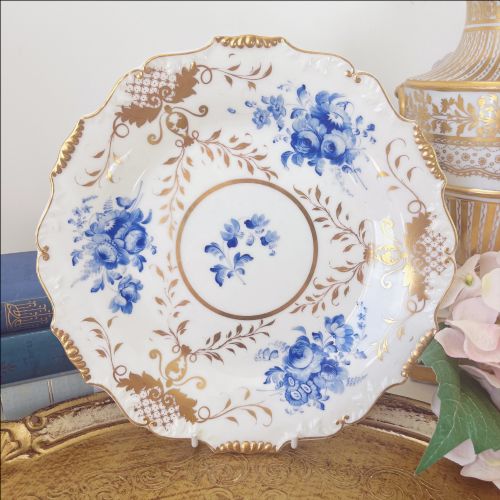
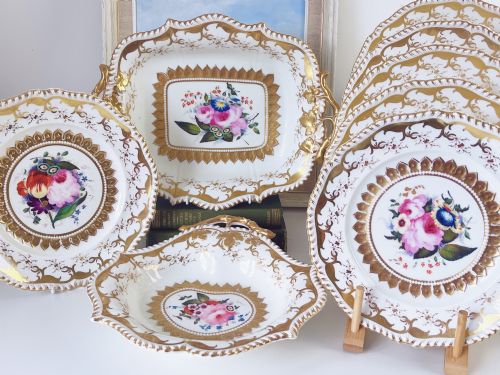
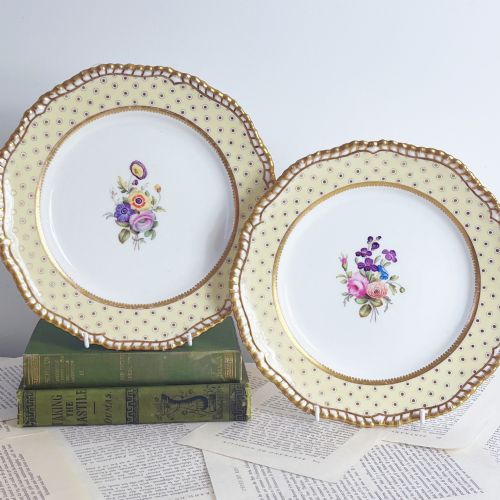
These porcelain tableware pieces bring handsomely painted botanical designs and heavy gilding straight to the dining table.
19th Century Porcelain Tableware
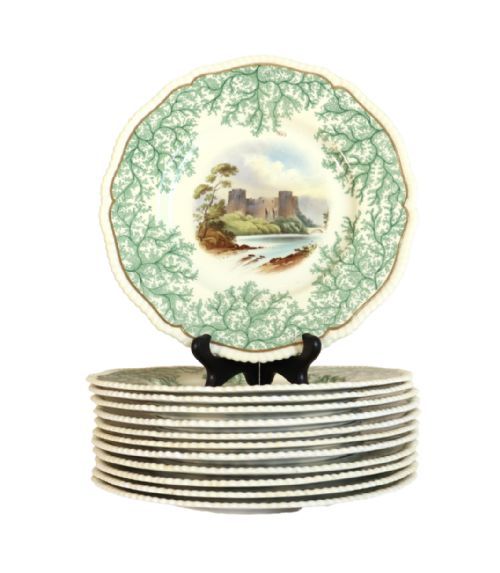
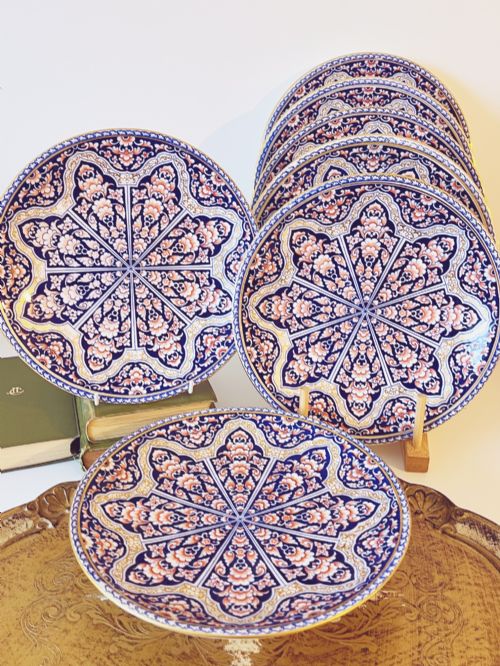
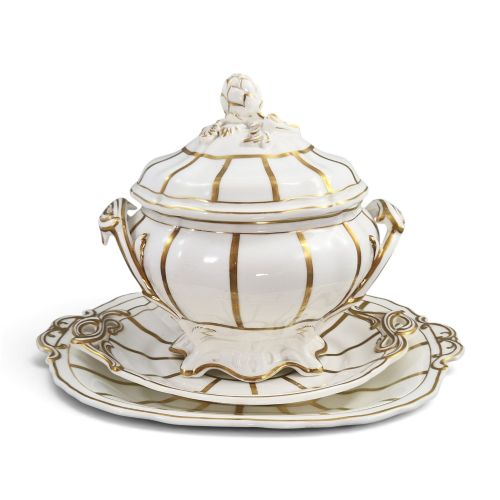
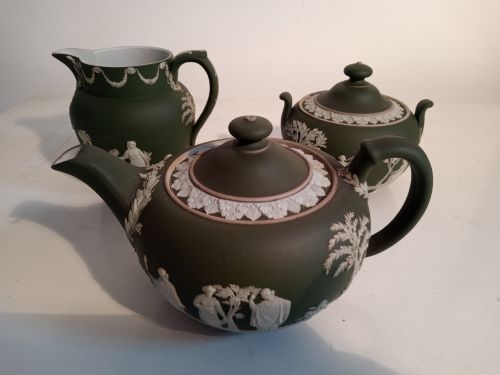
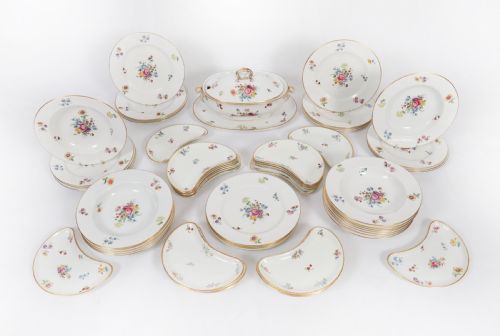
19th century porcelain tableware encompasses serving pieces, dinner plates, dessert services, and soup tureens created across the Georgian, Regency, and Victorian periods. Buyers encounter complete sets alongside individual dessert plates, cream tureens, and chestnut baskets.
The forms range from utilitarian soup plates to elaborate chocolate cups and spoon warmers, reflecting the varied dining customs of the 19th century.
Materials and Techniques
Potters utilised porcelain, bone china, earthenware, and ironstone as the primary bodies, finishing surfaces with white or coloured glaze. Gold leaf and heavy gilding accent borders and handles.
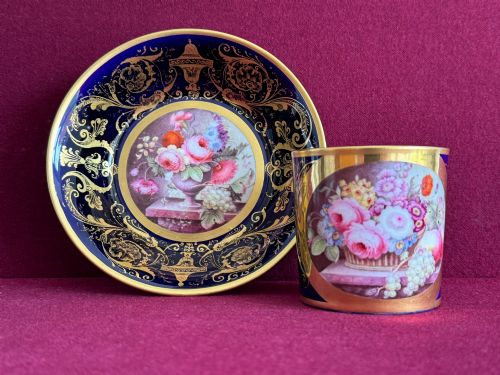
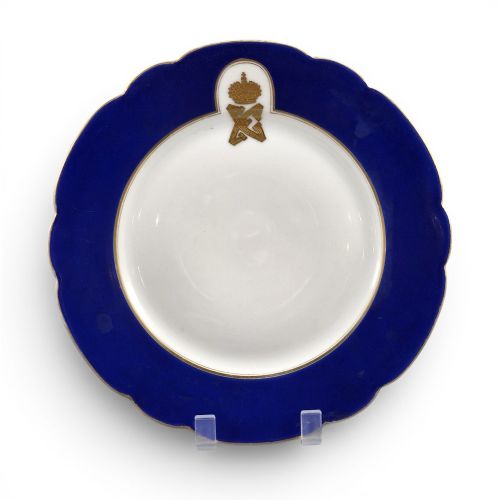
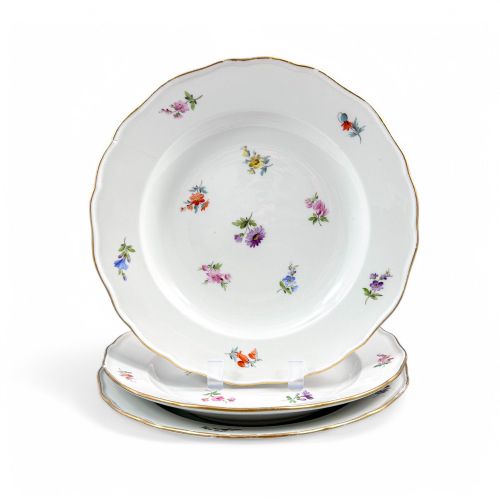
Hand-painted enamel decoration brings floral, botanical, and armorial subjects to plates and tureens. Transfer printing and hand-applied details appear across English and continental wares.
19th Century Porcelain Tableware Retail Price Guide 2026
Typical asking prices for 19th century porcelain tableware among the pieces listed under this phrase on Sellingantiques today, from the lower quarter to the upper quarter. They describe what is for sale here now, not the wider market.
A Victorian spoon warmer sits ready to keep silver spoons heated for broth.
Assessing Quality
Quality rests upon the crispness of the porcelain body and the precision of the hand-painted enamel work. Pieces featuring handpainted floral motifs or armorial crests demand close inspection of brushwork control.
The weight of the gilding and the preservation of gold leaf over raised elements separate standard production items from grand service pieces made for specific aristocratic commissions.
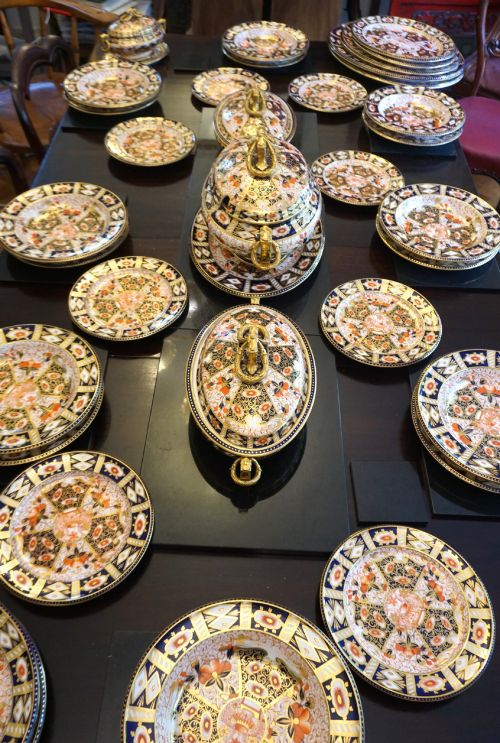
Grainger Lee And Co·Royal Crown Derby·Flight Barr And Barr
The 19th Century Porcelain Tableware Glossary
- Bone China
- A type of porcelain incorporating bone ash to create a durable, milky white body suitable for intricate tableware forms.
- Tureen
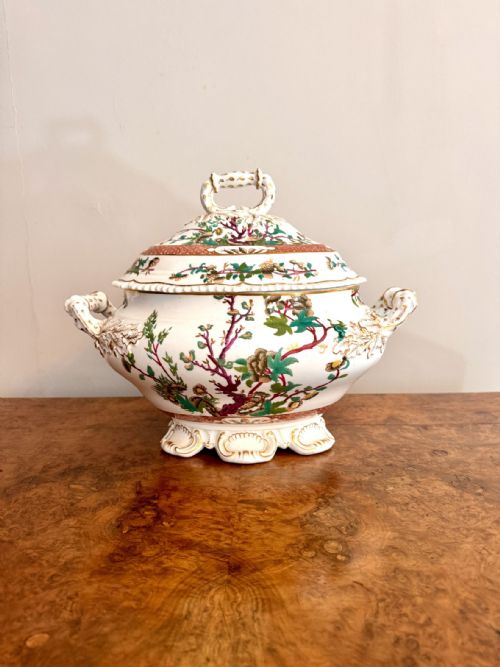
- A deep covered vessel designed for serving soups, sauces, or vegetables at the dining table.
- Enamel
- Opaque vitreous material fused to the ceramic surface to add coloured decoration and detailed painting.
- Gilding
- The application of gold leaf or gold paint to highlight handles, rims, and decorative borders.
- Ironstone
- A heavy, durable type of earthenware patented in the early nineteenth century to imitate porcelain.
19th Century Porcelain Tableware: Frequently Asked Questions
How do I use antique plates today?
These plates suit occasional dessert use or formal dining displays. Hand washing preserves the delicate enamel and gold leaf.
Avoid dishwashers and harsh detergents to protect the nineteenth-century glaze from wear and crazing.
How are different periods identified?
Georgian and Regency pieces often display hand-painted botanical motifs and lighter porcelain bodies. Victorian items lean toward bolder colours, ironstone construction, and decorative richness.
Factory marks on the underside provide precise dates and help confirm the maker.
Can I mix different ceramic patterns?
Combining complementary styles such as creamware and bone china creates a layered table setting. Matching a dessert service keeps the aesthetic uniform.
Matching colour palettes bridges different nineteenth-century factories successfully.
What is a chestnut basket?
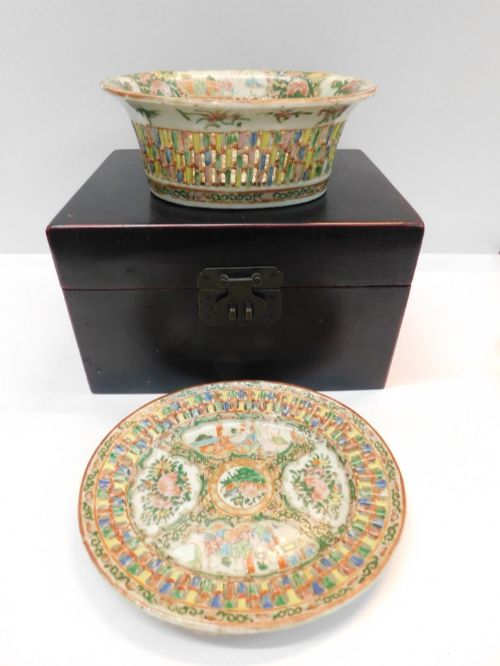
A chestnut basket served roasted chestnuts or fruit at the conclusion of a formal nineteenth-century dinner. Reticulated pierced walls allowed ventilation for the contents.
Matching stands caught stray crumbs and completed the presentation.