



Royal Worcester China Plate
These royal worcester china plate selections bring hand-painted artistry, gold leaf gilding, and fine porcelain straight to the table.
Royal Worcester China Plate
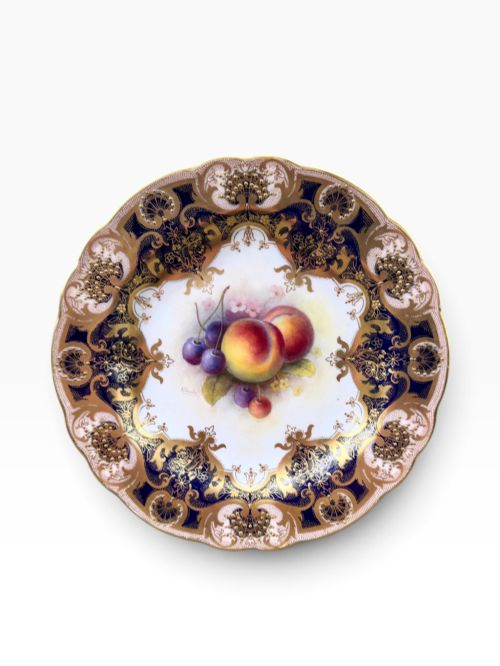
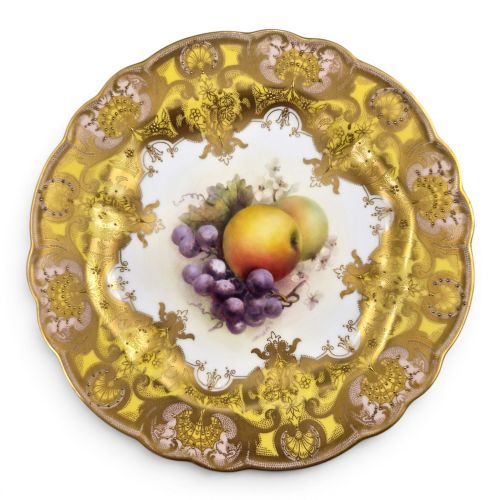
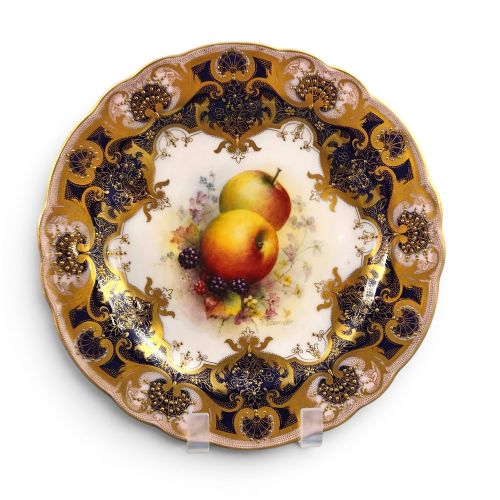
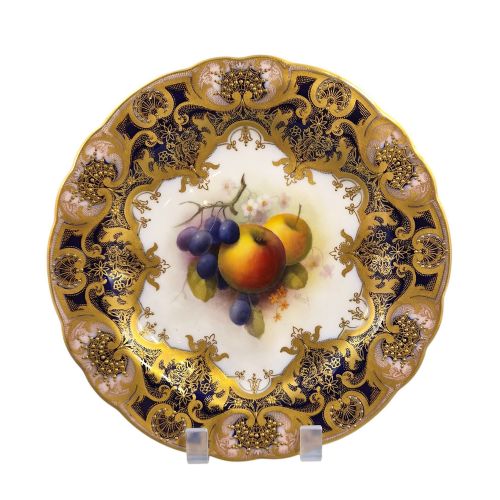
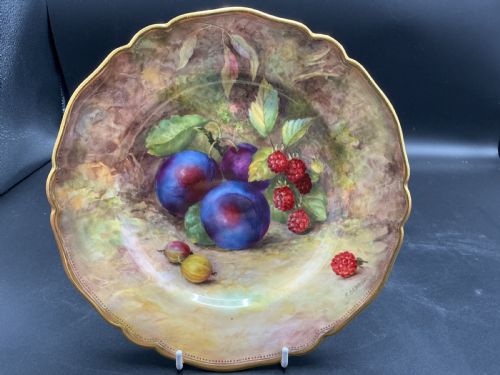
When you search for a royal worcester china plate, you encounter items designed for display, service, and dessert presentation. The selection spans cabinet plates, soup dishes, dessert dishes, and dinner plates created across multiple decades.
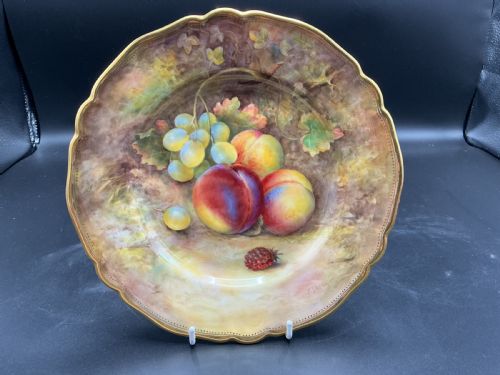
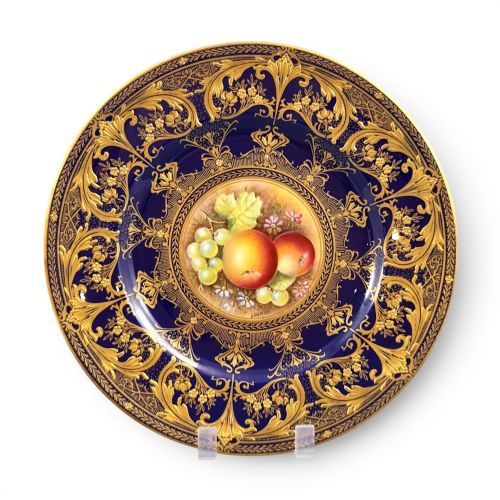
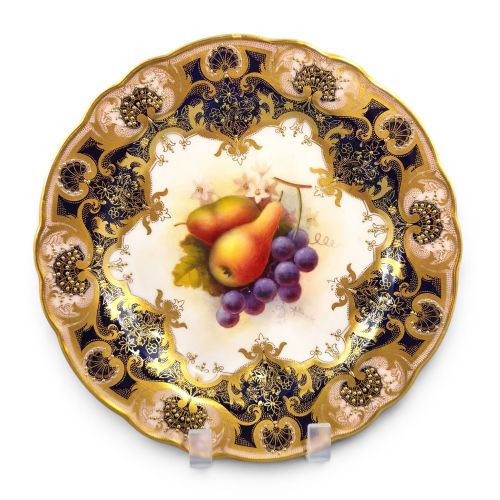
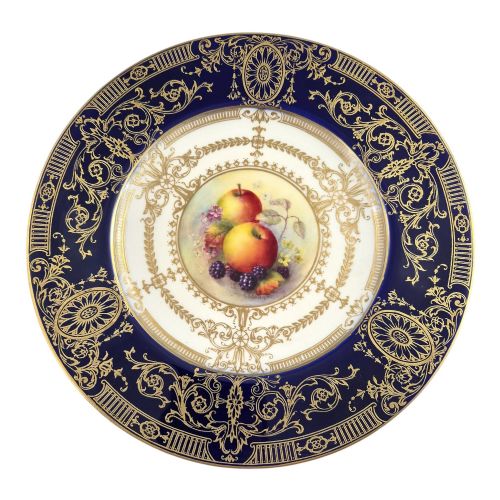
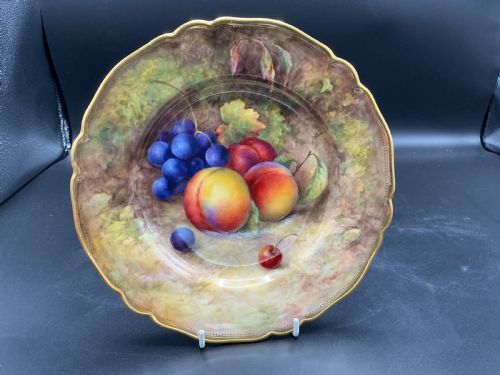
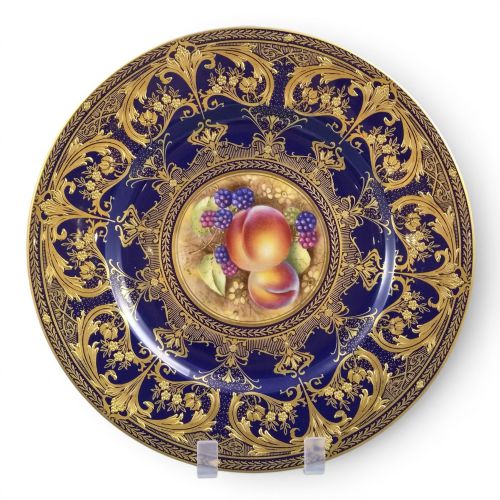
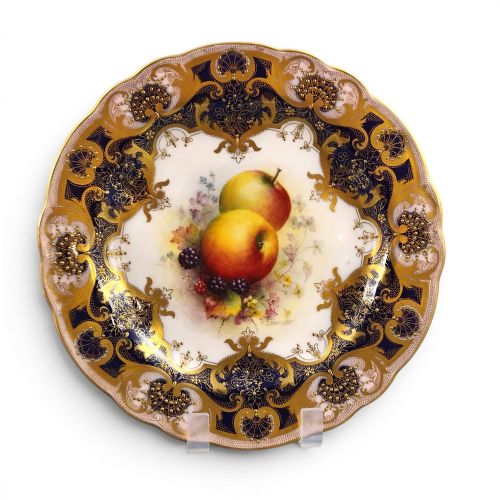
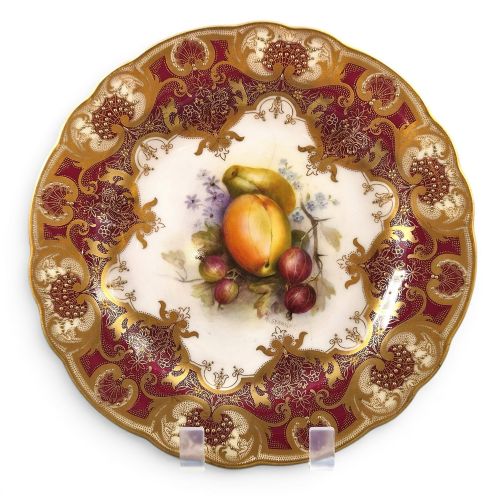
You are most likely to meet painted fruit cabinet plates signed by notable artists alongside floral, bird, and swan motifs. These pieces originate from periods ranging from the late nineteenth century through to the mid twentieth century.
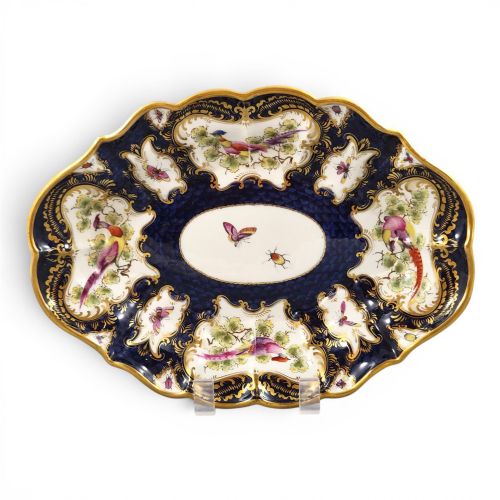
The assortment includes specialised forms like rope edge plates and blue scale dessert dishes. Each variation demonstrates the diverse output of the factory across different stylistic eras.
Materials and Technique
The pieces rely upon porcelain and bone china bodies formed to create smooth surfaces for decoration. Artisans then applied paint, enamel, and intricate gilding or gold leaf to finish the design.
Hand-painting remains a defining characteristic, utilising skilled brushwork for fruit, game birds, swans, and florals. This work was often paired with moulded elements like rope edges and pierced borders.
Royal Worcester China Plate Retail Price Guide 2026
Typical asking prices for royal worcester china plate among the pieces listed under this phrase on Sellingantiques today, from the lower quarter to the upper quarter. They describe what is for sale here now, not the wider market.
The inventory spans the Edwardian era through the nineteen-seventies, encompassing cabinet plates, dessert dishes, and soup dishes.
Assessing Quality and Execution
Quality rests heavily upon the identity of the artist and the complexity of the painted subject. Signed works by master painters command particular attention for their fine detail and artistic execution.
The richness of the gilding and the precision of the enamel work further distinguish finer items from simpler production pieces. The depth of the porcelain moulding also contributes to the overall distinction of the object.
Albert Shuck·Richard Sebright·Brian Leaman·Grainger and Co·Kerr and Binns·C Baldwyn·Stinton·Freeman
The Royal Worcester China Plate Glossary
- Cabinet plate
- A decorative plate intended for display in a cabinet rather than for daily dining use. These often feature elaborate painted scenes.
- Blue scale
- A patterned blue ground technique resembling fish scales applied to porcelain. It creates a rich backdrop for central motifs.
- Blush ivory
- A soft cream-coloured porcelain finish often highlighted with gilt details. It was widely utilised during the early twentieth century.
- Gilding
- The application of gold leaf or gold paint to ceramic surfaces. It accentuates rims, handles, and decorative borders.
- Soup dish
- A concave ceramic vessel designed for serving liquid courses. Examples appear in nineteenth-century listings with retailer marks.
Royal Worcester China Plate: Frequently Asked Questions
What is a royal worcester china plate?
A royal worcester china plate is a ceramic piece produced by the historic English factory, featuring hand-painted designs, gilding, or moulded details. These items range from decorative cabinet plates to functional dessert and dinner service pieces.
Collectors prize them for their artistry, historical association, and the skill of individual painters who signed their work on the porcelain surface.
How were cabinet plates used?
Cabinet plates were primarily created for display within homes rather than for serving food. Owners placed them in glass-fronted cabinets or on stands to showcase the painted artwork.
They allowed households to display wealth and artistic taste through depictions of fruit, birds, and flowers without risking damage from dining use.
How do I date these plates?
Dating relies upon factory date marks stamped or painted on the underside of the porcelain. These symbols and letter codes correspond to specific years of manufacture.
Style periods, artist signatures, and retailer marks also provide helpful context for narrowing down the production era.
Can I use these plates for dining?
While many pieces originated as tableware, older and hand-painted cabinet plates are generally reserved for display and collection. The delicate enamel work and gold leaf can wear down with frequent use and washing.
Dinner plates and robust service items from the collection can handle gentle service, though careful hand washing is recommended to preserve the finish.
Who painted these porcelain plates?
The factory employed skilled artists who specialised in botanical illustration, landscape, wildlife, and fruit painting. Names like Richard Sebright and Albert Shuck appear frequently on high-end pieces.
Their signatures on the front or back of the porcelain indicate individual authorship and elevate the artistic merit of the work.