



19th Century Porcelain Basket
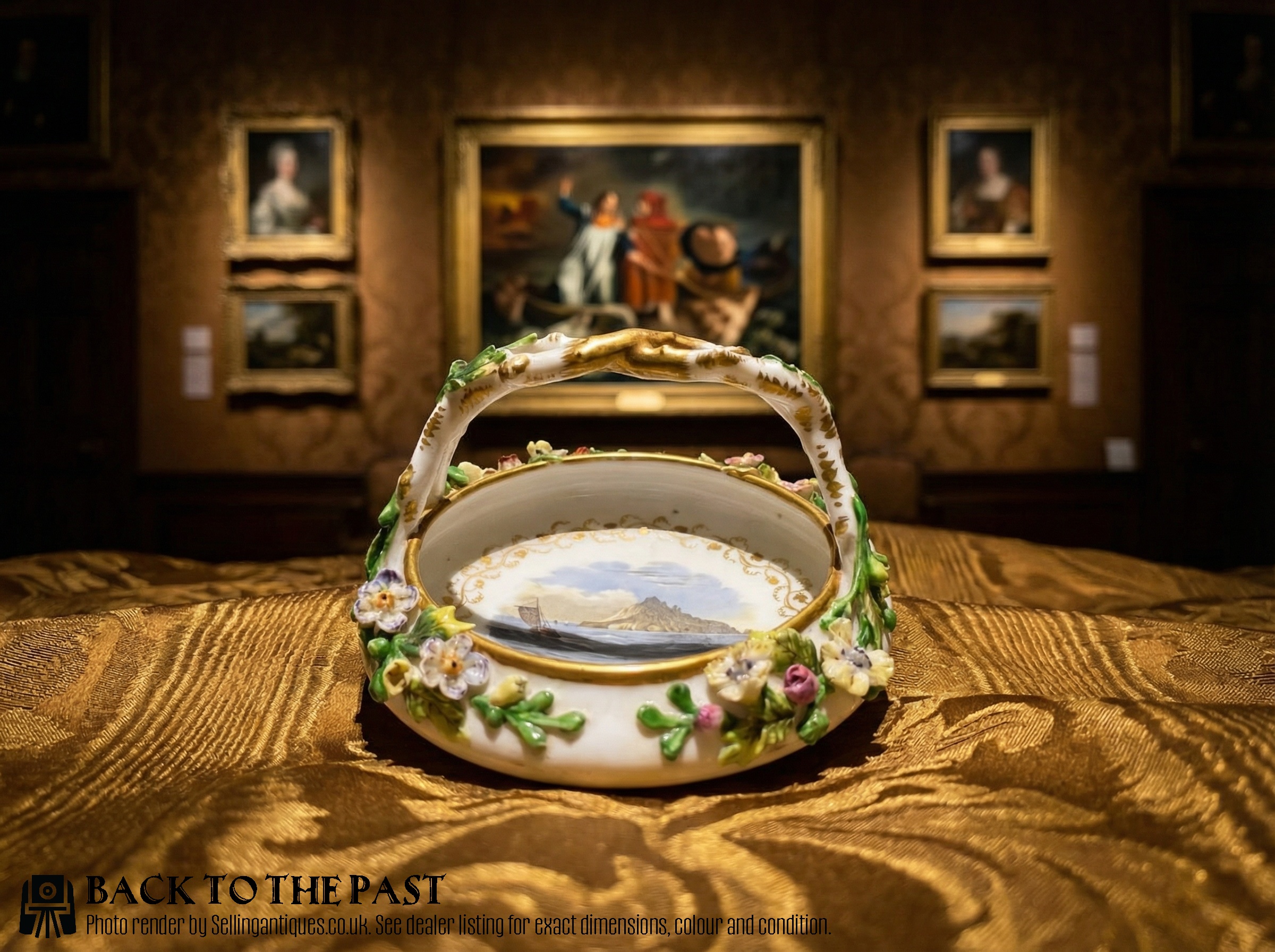
A 19th century porcelain basket brings intricate floral modelling and pierced ceramic work to a table centre, offering a glimpse into historic table display.

19th Century Porcelain Basket
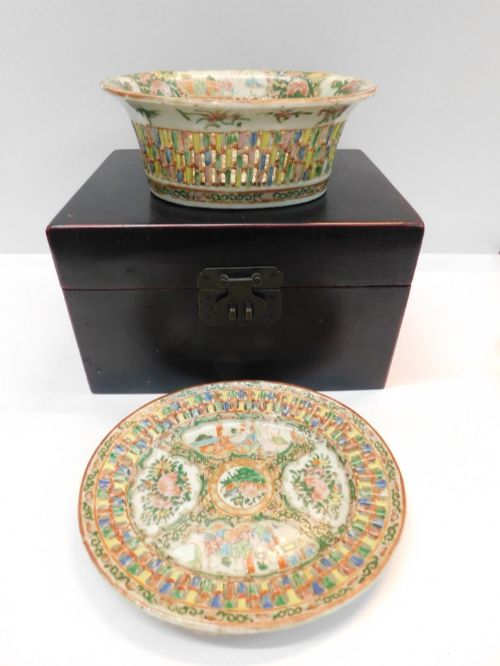
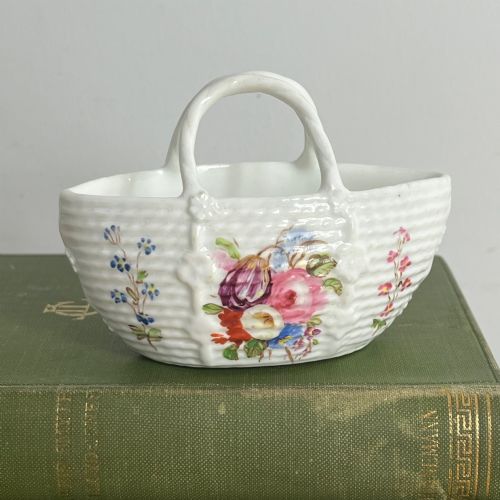
A 19th century porcelain basket encompasses a variety of ceramic forms, from reticulated chestnut stands and dessert service vessels to figural sweetmeat dishes and decorative bowls. Buyers frequently encounter pieces influenced by English manufactories like Worcester and Rockingham, alongside continental European outputs from French, German, and Chinese kilns.
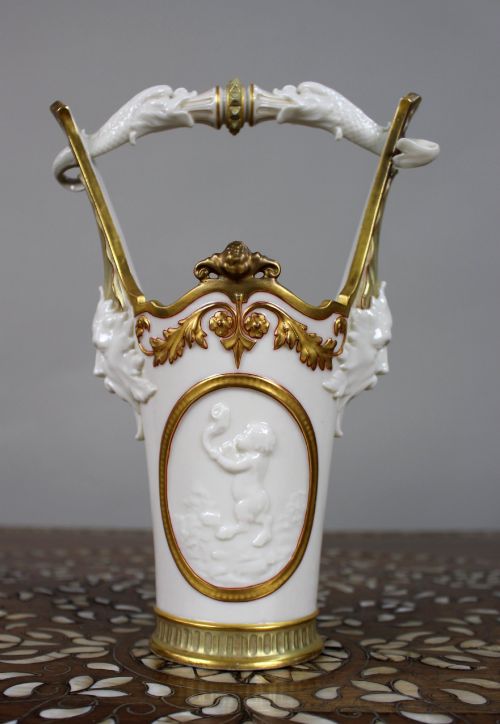
The selection ranges from Regency period floral handpainted items to later Victorian Rococo Revival pieces, incorporating both utility and purely decorative intent. Forms span traditional pierced woven designs to sculptural figures holding vessels, reflecting diverse domestic and display functions across the century.
Materials and construction methods
Manufacture relies on fine porcelain bodies, occasionally utilising parian porcelain for unglazed figural elements or creamware for pierced forms. Makers applied detailed enamel painting, glaze, and gold leaf or gilding to enhance the moulded ceramic surfaces.
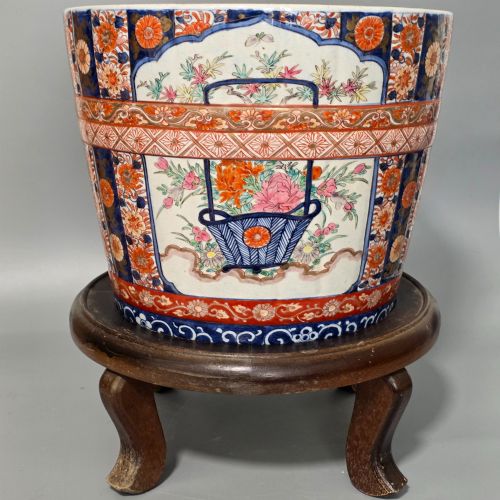
Intricate construction often involved hand-applied floral encrustations and delicate reticulation, where clay was pierced before firing. Artisans also integrated hardwood stands or applied meticulous handpainted landscape views and botanical details.
19th Century Porcelain Basket Retail Price Guide 2026
Typical asking prices for 19th century porcelain basket among the pieces listed under this phrase on Sellingantiques today, from the lower quarter to the upper quarter. They describe what is for sale here now, not the wider market.
The inventory records pieces spanning Georgian, Regency, Victorian, and Qing Dynasty periods.
Assessing quality and craftsmanship
Quality rests in the crispness of the porcelain modelling and the precision of the pierced reticulation or applied floral work. Finer examples display superior handpainted detail, particularly in named landscape views and delicate polychrome enamels.
The integration of gilding and the preservation of fragile applied elements dictate the standing of a piece within its period. Greater artistic control in factory production separates standard decorative wares from exceptional cabinet pieces.
Flight Barr And Barr·Royal Worcester·Rockingham Porcelain·Vion And Baury·Volkstedt Porcelain·Chamberlain Worcester·Samson Of Paris·Sitzendorf Porcelain·Wedgwood Creamware
The 19th Century Porcelain Basket Glossary
- Reticulation
- An openwork pattern of intersecting material formed by piercing the clay before firing. This technique created the illusion of woven wicker in ceramic vessels.
- Parian porcelain
- A fine biscuit porcelain resembling marble, developed in the nineteenth century for figures and busts. It required no glaze to achieve its smooth, matte finish.
- Gilding
- The application of gold leaf or gold powder to ceramic surfaces for decoration. It highlights rims, handles, and moulded details.
- Sweetmeat
- A small confection served during formal dinners, often accommodated by specialised figural dishes or baskets. These items formed part of elaborate table service arrangements.
- Enamel
- Vitreous material fused to the porcelain surface through firing to provide colour. Enamels allowed vibrant pictorial scenes and floral motifs.
19th Century Porcelain Basket: Frequently Asked Questions
How were porcelain baskets used historically?
These pieces served practical functions at formal dining tables for holding fruit, chestnuts, or sweetmeats during dessert courses. Many also acted as decorative centrepieces or mantel ornaments.
Over time, their role shifted toward cabinet display as dining fashions changed and table service requirements evolved.
How do I identify the period of a porcelain basket?
Dating relies on stylistic markers such as the exuberant scrolls of Rococo Revival or the strict symmetry of Regency design. Factory marks, where present, help pinpoint specific decades of production.
Material composition, including the use of parian ware or specific enamel palettes, also indicates the era of manufacture.
Are applied flowers prone to damage?
The delicate nature of hand-modelled floral encrustations makes them susceptible to chipping or loss over centuries of handling. Careful placement away from heavy traffic areas helps preserve these fragile details.
Displaying them securely prevents accidental contact with the intricate reticulated walls and handles.
What is the difference between English and continental pieces?
English manufactories often focused on specific paste recipes and named topographical views, reflecting local landscape tastes. Continental makers frequently leaned towards figural groupings and elaborate Rococo revival styling.
Both traditions utilised skilled painting, but their decorative priorities and kiln marks varied distinctly.