



Georgian Floral Ceramic Dish
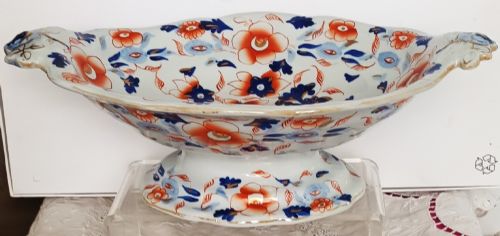
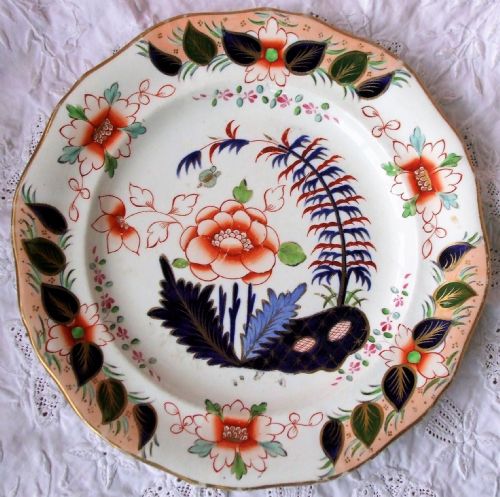
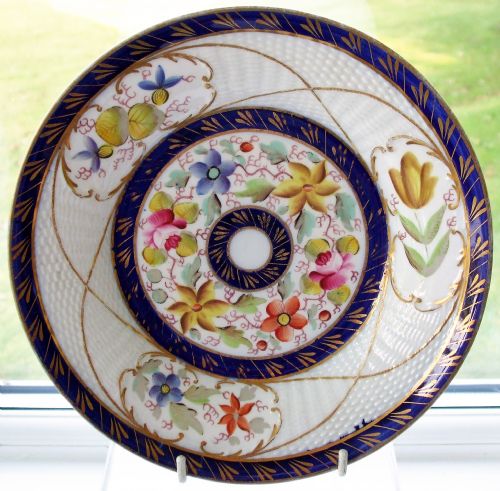
A georgian floral ceramic dish brings painted botanical charm to the table through porcelain, earthenware, and ironstone vessels.
Georgian Floral Ceramic Dish
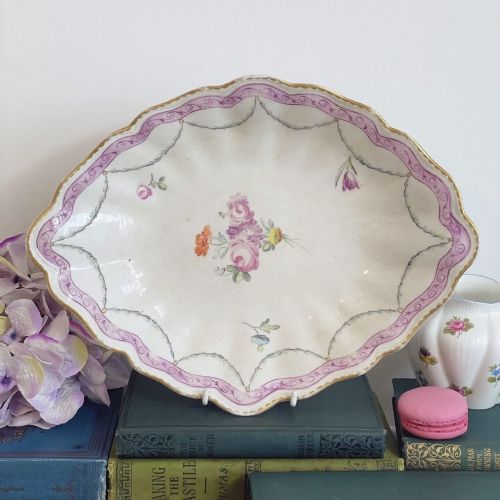
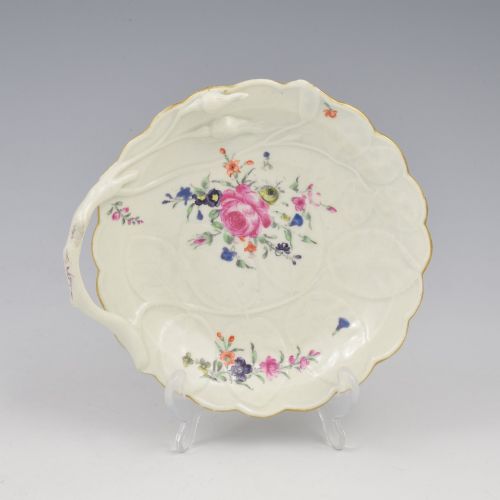
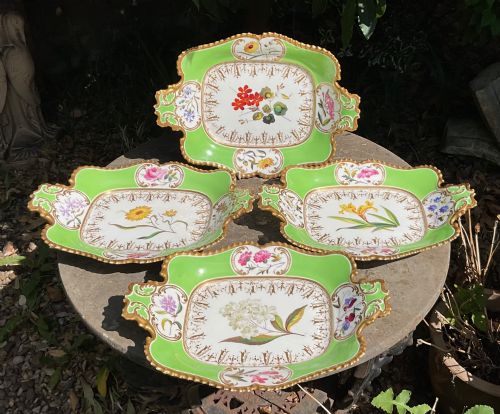
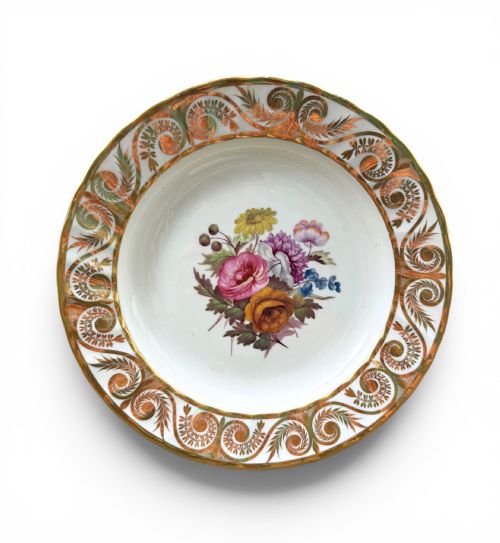
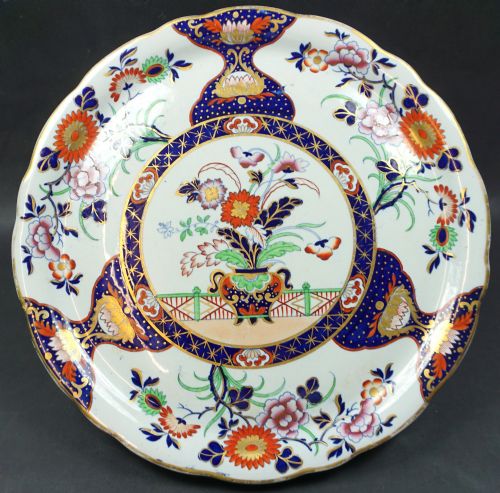
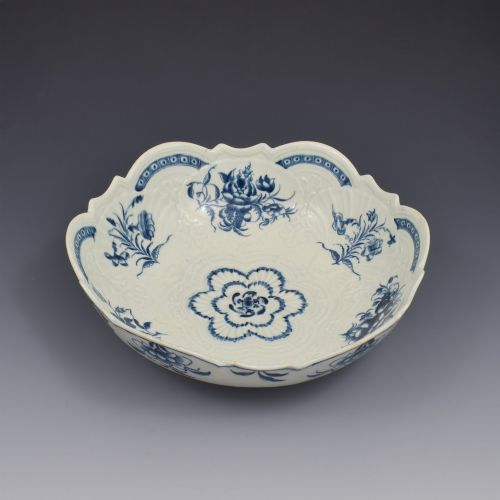
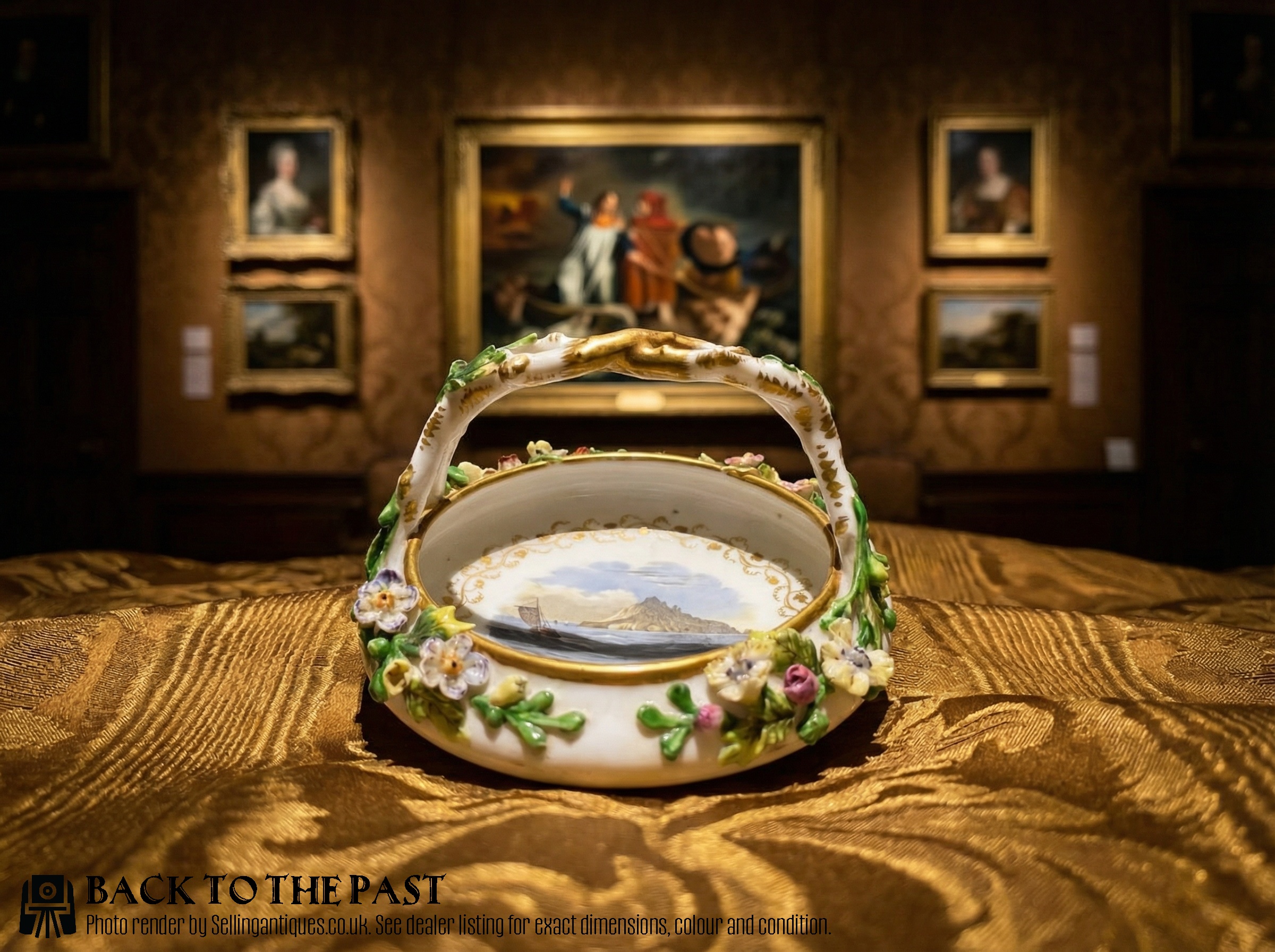
A georgian floral ceramic dish encompasses serving platters, decorative plates, and tureens originating from the eighteenth and nineteenth centuries. These pieces record botanical handpainting, transfer printing, and polychrome enamel decoration across English factories and continental workshops.
The most common examples on this page are porcelain and ironstone plates, serving dishes, and dessert services created during the Georgian and Regency periods. Makers from Worcester, Derby, and Staffordshire dominate these selections, spanning earthenwares and refined porcelains.
Materials and Technique
Potters shaped porcelain, earthenware, and ironstone bodies before applying handpainted polychrome enamels, cobalt blue underglaze, or transfer-printed patterns. Gilding and gold leaf frequently accent borders and handles, adding lustre to functional and cabinet pieces.
Glazing seals the ceramic base, protecting delicate botanical pigments and armorial designs applied during manufacture. Ironstone china offers robust durability for large footed comports and vegetable tureens, while soft-paste and hard-paste porcelains carry intricate floral motifs.
Several eighteenth-century plates managed to survive centuries of washing up without losing their handpainted petals.
Craftsmanship and Execution
Quality separates through the precision of handpainted botanical details and the crispness of transfer-printed contours on the ceramic surface. Superior pieces display delicate brushwork, vibrant enamel saturation, and carefully applied gilding that remains crisp across the plate or dish.
The refinement of the ceramic body and the complexity of moulded forms distinguish finer dessert services and cabinet plates from standard utility wares. Potteries such as Worcester and Derby achieved thinner, more translucent porcelain bodies alongside expertly balanced compositions.
Dr Wall Worcester·Chamberlains Worcester·Hicks And Meigh·John Rogers And Son·John Davenport·New Hall·Coalport·Minton·Ridgway·Flight Barr And Barr·Spode·Chelsea·Mason·Rockingham
The Georgian Floral Ceramic Dish Glossary
- Ironstone
- A dense, durable type of earthenware patented in the nineteenth century to imitate Chinese porcelain. It provides a sturdy body for heavily decorated plates and serving platters.
- Delftware
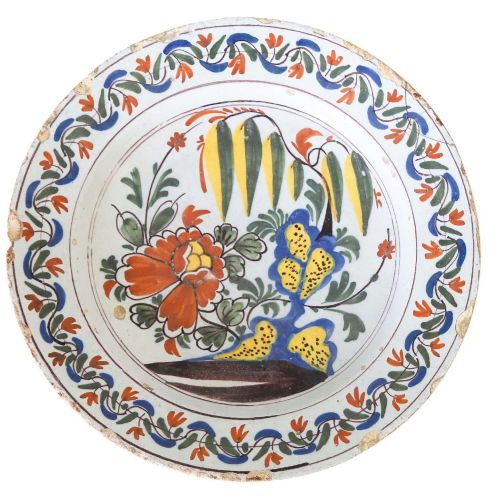
- Tin-glazed earthenware produced in England and the continent, often featuring handpainted blue and white floral decoration. Chargers and plates in this medium display opaque white surfaces.
- Transfer printing
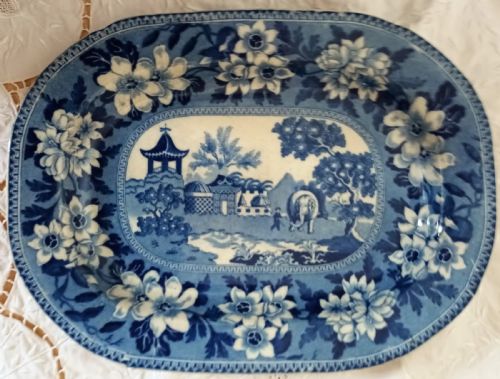
- A method of applying detailed designs to ceramic ware by engraving a copper plate and transferring the ink via tissue paper. This technique allowed intricate patterns like the Elephant or London Bridge to cover platters uniformly.
- Enamel
- Opaque glass-like pigments fused to the ceramic surface during firing to create vibrant polychrome floral scenes. These colours sit above the glaze layer.
- Comport
- A raised pedestal dish or bowl used for serving fruit or dessert during formal meals. They stand on central feet above the dining surface.
Georgian Floral Ceramic Dish: Frequently Asked Questions
Were these dishes used daily?
Many serving dishes, platters, and tureens served practical functions during formal eighteenth and nineteenth-century dining and dessert courses.
Cabinet plates and delicate porcelain pieces were often reserved for display or special occasions rather than everyday meals.
How do I identify a Georgian ceramic period?
Examine the paste, glaze characteristics, and backstamps or painted marks which often correspond to specific factory eras and operating dates.
Stylistic cues such as Regency moulded borders, transfer-printed motifs, and handpainted floral arrangements help narrow the manufacturing window.
Can I use these platters for serving food?
Most antique earthenware, ironstone, and porcelain platters remain structurally sound for serving dry foods or fruit if handled with care.
Consider potential crazing in older glazes and gentle historic wear when deciding whether to use them at the modern table.