

19th Century Painted Urn
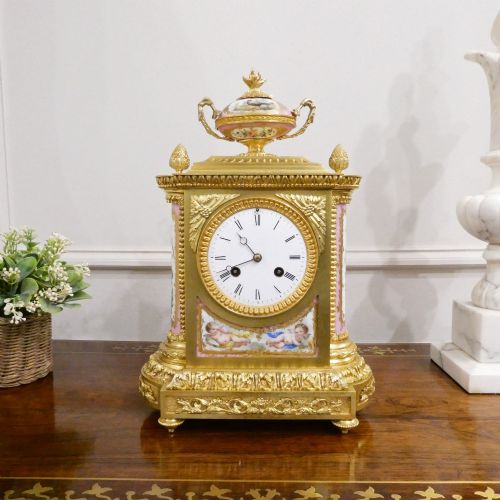
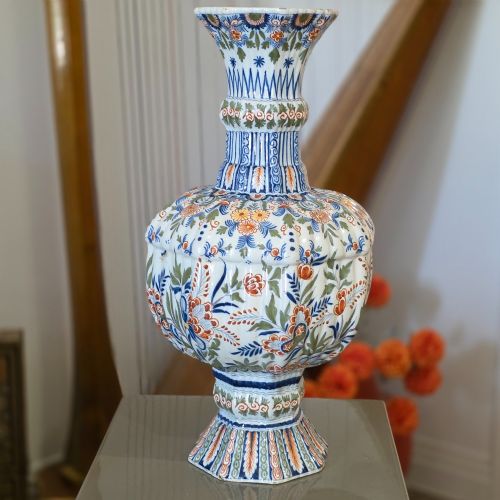
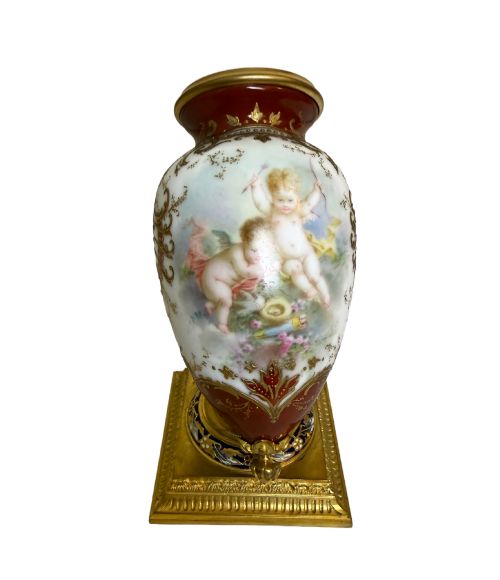
When you search for a 19th century painted urn, you encounter vessels of porcelain, earthenware, and cast iron that bring vibrant colour and classic form into a room.
19th Century Painted Urn
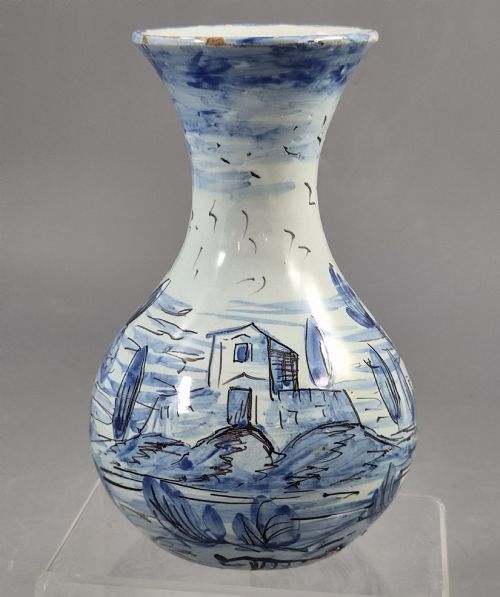
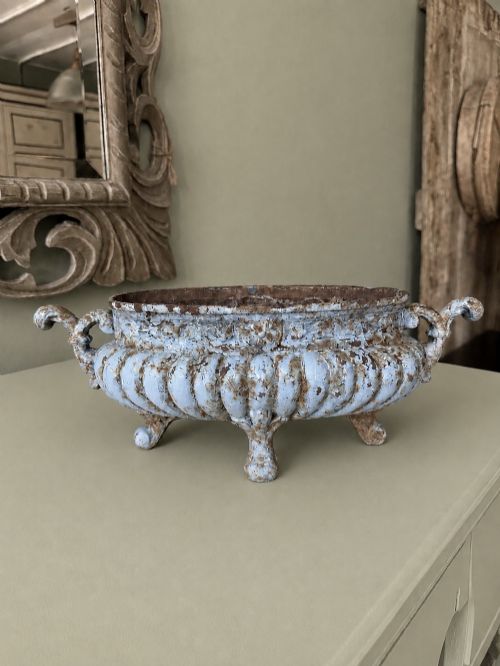
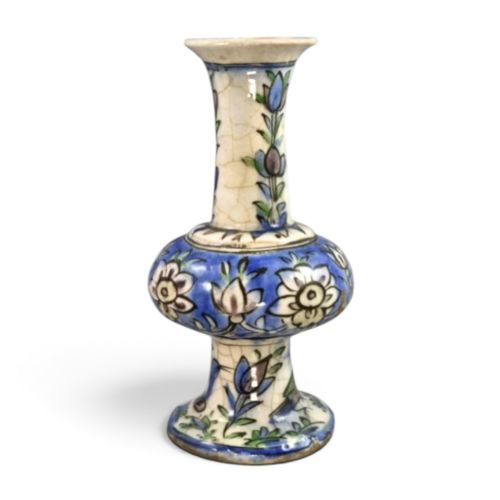
A 19th century painted urn typically manifests as a decorative vase, jardiniere, or handled vessel originating from European and Asian workshops. These pieces range from grand porcelain mantel ornaments to robust cast iron garden containers created to hold plants or simply to stand as sculptural points in a scheme.
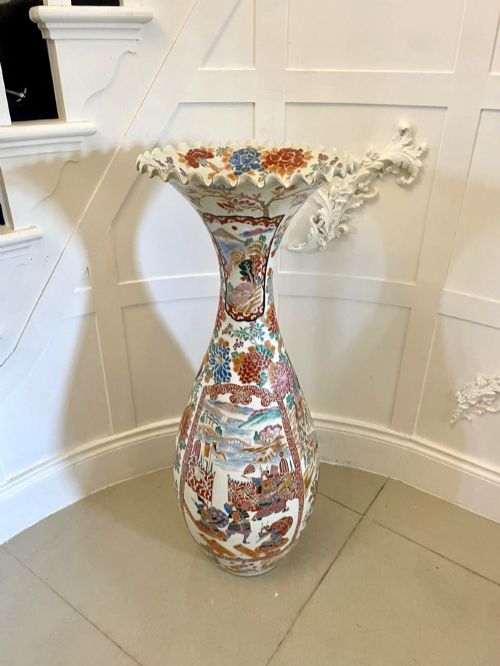
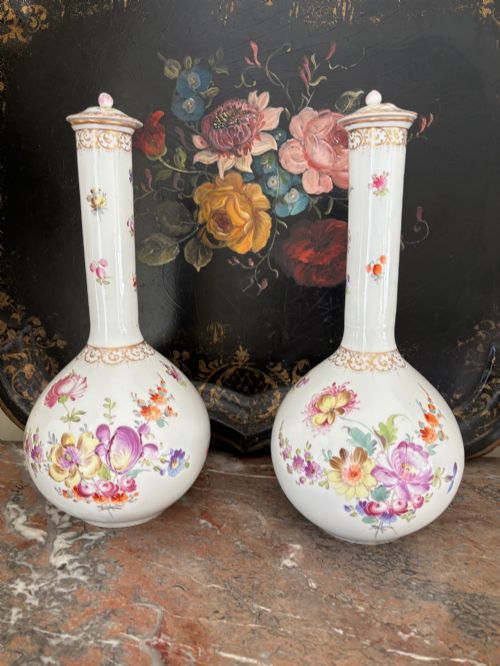
The domestic versions you find most often on this page include French and English porcelain table pieces alongside sturdy cast iron garden planters. Many adopt classical shapes such as the campagna form, while others follow regional tastes from Sèvres, Dresden, or Japanese Imari production.
Beyond ceramics and cast iron, the wider selection embraces timber and glass variations, including painted pine furnishings and bohemian glassware. Collectors gravitate towards these items for their hand-applied pigments and the enduring symmetry of nineteenth-century decorative design.
How They Were Made
Makers shaped porcelain and earthenware on the wheel or in moulds before applying lead or tin glazes and hand-painted pigments. Artisans then fired these pieces in kilns at high temperatures, often adding gold leaf or gilding details during a subsequent low-temperature firing.
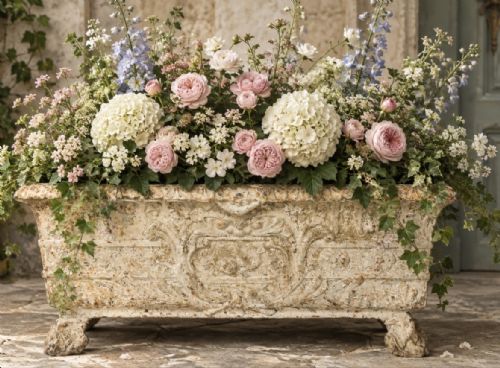
Cast iron garden urns and planters were produced by pouring molten metal into sand moulds, allowing craftsmen to achieve crisp classical reliefs and sturdy structural walls. Once cooled, these iron vessels received protective coats of paint, some of which survive in a distressed finish today.
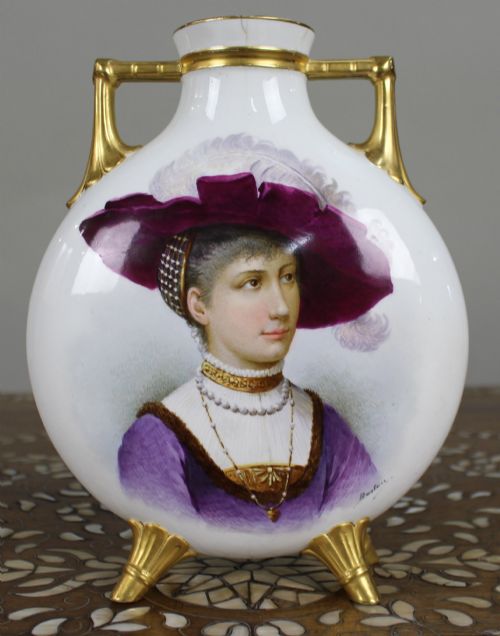
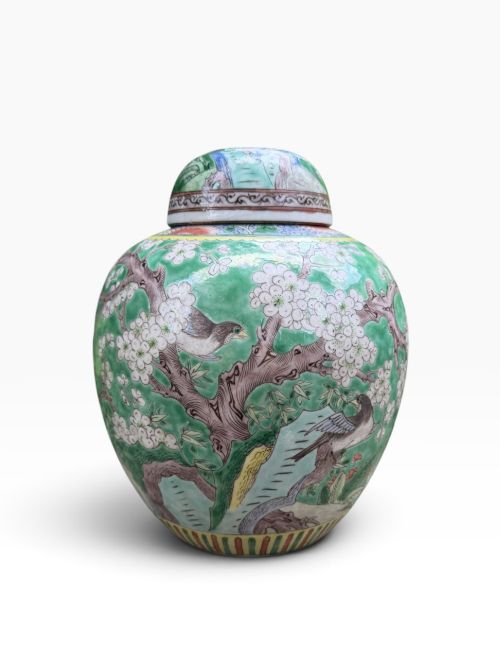
The selection includes classical Campagna forms, moon flasks, and ginger jars decorated with polychrome glazes, enamel, and gold leaf.
What Varies in Quality
Quality rests upon the precision of the hand-painted brushwork and the clarity of the ceramic body or metal casting. Superior examples display delicate botanical or figural scenes executed by named or skilled studio hands, whereas utilitarian pieces rely on simpler, repetitive geometric or floral motifs.
The retention of original gilding and painted surfaces heavily influences desirability among collectors. Pieces that preserve their early colour schemes without extensive later repainting maintain a greater integrity of period character.
Sèvres·Cantagalli·Fourmaintraux-Courquin·Sitzendorf·Samson Paris·Helena Wolfsohn·Spode·Coalbrookdale·Coalport·Meissen·Gillows Of Lancaster·Barr Flight And Barr·H And R Daniel
The 19th Century Painted Urn Glossary
- Campagna urn
- A bell-shaped garden or table vessel featuring a flared rim and a pedestal foot, popular in classical design. This form frequently appears in nineteenth-century iron and porcelain.
- Jardiniere
- A decorative pot or stand designed to hold plants or floral arrangements indoors or on a terrace. These objects are commonly cast in iron or shaped in glazed ceramic.
- Bleu céleste
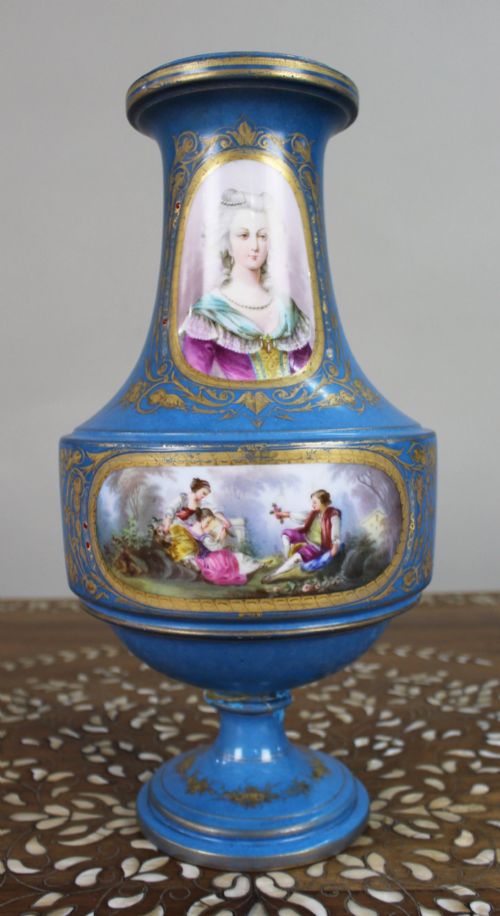
- A bright turquoise blue glaze colour famously utilised by the Sèvres porcelain factory. It provides a vivid backdrop for painted floral reserves and gilded accents.
- Imari
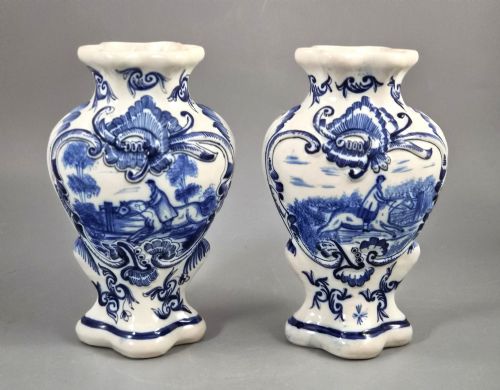
- A style of Japanese export porcelain characterised by underglaze blue and iron red overglaze enamels, often enriched with gold. Nineteenth-century examples often take the form of floor-standing vases and ginger jars.
- Maiolica
- Tin-glazed Italian earthenware painted with colourful historical or grotesque motifs. Nineteenth-century revivals sought to emulate Renaissance techniques and palettes.
19th Century Painted Urn: Frequently Asked Questions
How were these urns used originally?
In nineteenth-century interiors, decorative porcelain urns sat upon mantelpieces, console tables, and cabinets as pure ornaments that displayed wealth and refinement. Larger iron versions functioned outdoors in gardens and courtyards as architectural planters for ornamental foliage.
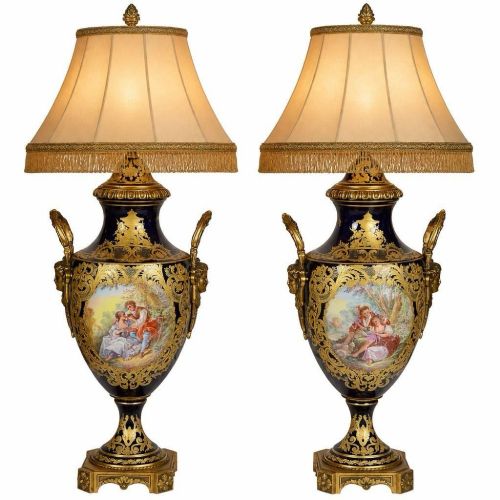
Some smaller covered urns and ginger jars served practical roles for storing dry goods or potpourri. Over time, many larger ceramic examples were later converted into table lamps while retaining their painted bodies.
Where should I place an antique urn?
An urn commands attention when positioned on a sturdy side table, chest of drawers, or within a dedicated display cabinet where its painted details can be closely observed. Cast iron or heavy earthenware pieces suit garden terraces, conservatories, or grand entrance halls.
Because many porcelain vessels feature delicate gilding and hand-painted surfaces, placement away from direct, harsh sunlight preserves the original pigments. Pairing them with neutral backgrounds allows the rich colours of the nineteenth-century palette to stand out.
How do I identify the period of an urn?
Dating relies on examining the glaze characteristics, ceramic body weight, and the style of the hand-painted decoration. Nineteenth-century pieces frequently draw on earlier Georgian, Regency, or Rococo revivals while incorporating Victorian industrial techniques.
Factory marks stamped or painted on the base offer definitive clues, though many unmarked Continental and Asian pieces require stylistic comparison. Observing the wear patterns on the base and the method of paint application helps confirm nineteenth-century manufacture.
Can I plant directly into cast iron urns?
Cast iron garden urns accommodate direct planting, though many owners place potted plants inside to protect the historic interior metal surface from persistent moisture. Ensuring proper drainage prevents water accumulation that could strain the antique metal.
If the urn retains its original distressed paint, keeping soil moisture controlled prevents further flaking of the historic coating. Regular gentle cleaning maintains the exterior finish without removing the layered patina of age.