



Terracotta Clay Vessel
A terracotta clay vessel is a baked earth container shaped for utility or ornament, prized for its raw mineral textures and ancient lineage.
Terracotta Clay Vessel
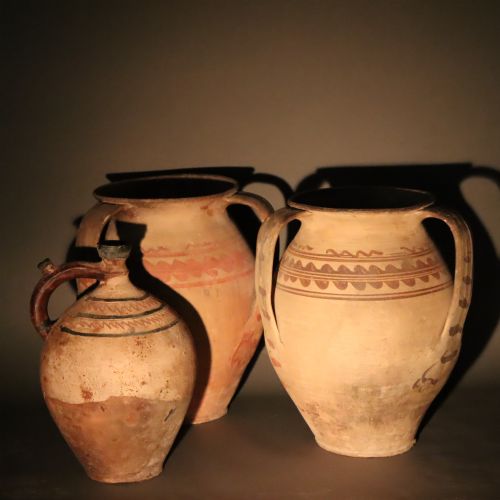
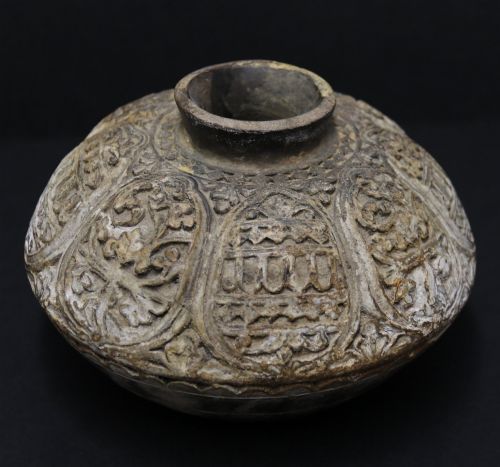
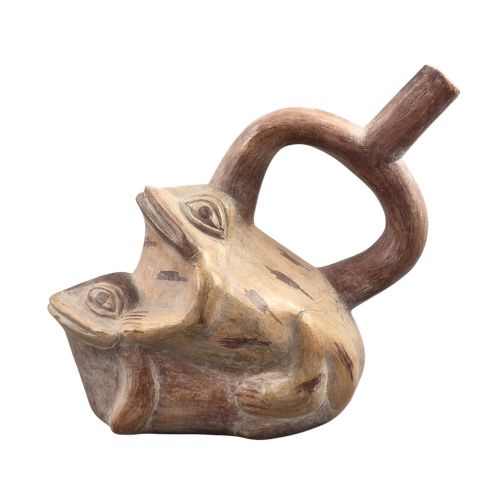
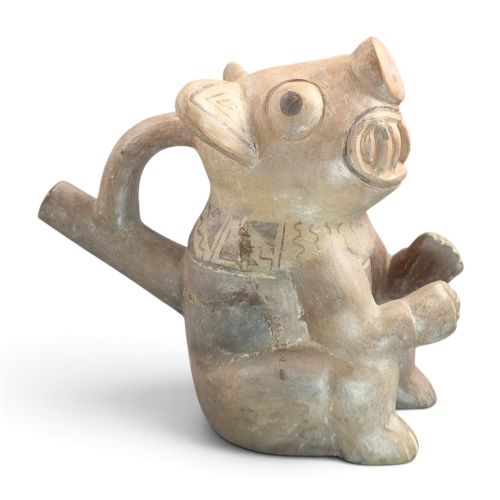
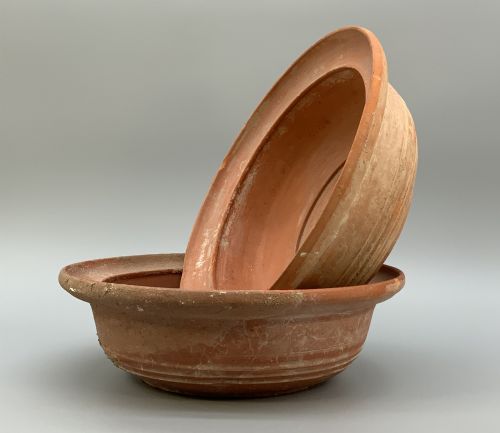
A terracotta clay vessel represents a diverse lineage spanning early Greek antiquities, Han dynasty bowls, and Pre-Columbian zoomorphic forms. Buyers encounter prehistoric utilitarian containers alongside nineteenth-century Mediterranean olive jars and garden planters.
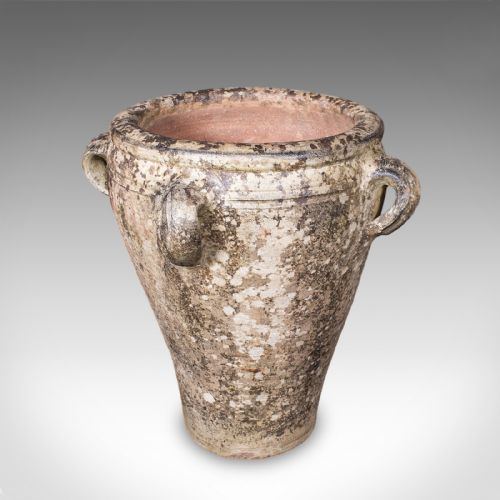
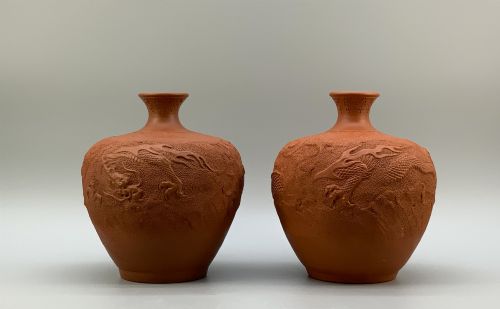
The objects on this page range from rustic Tuscan and Turkish oil jars to Japanese Tokoname red clay vases and British garden pots. These vessels reflect both practical domestic storage and symbolic ritual function across global traditions.
Domestic and garden forms dominate the selection, bringing aged earthen surfaces into interior spaces. Collectors select these pieces for their historical depth and the distinct weathering accumulated on their porous bodies.
Materials and construction
Potters shaped these objects primarily from red clay, terracotta, and stoneware, frequently finishing surfaces with slip pigment, lime wash, or mineral pigment. The basic medium is iron-rich earthenware fired at moderate temperatures to retain a porous structure.
Many examples utilise incision, painted decoration, or applied motifs such as dragon and phoenix designs to articulate the surface. Construction methods span ancient hand-building techniques and traditional wheel-throwing.
Terracotta Clay Vessel Retail Price Guide 2026
Typical asking prices for terracotta clay vessel among the pieces listed under this phrase on Sellingantiques today, from the lower quarter to the upper quarter. They describe what is for sale here now, not the wider market.
Listings feature periods ranging from Pre-Columbian and Han Dynasty antiquities to Victorian and twentieth-century garden pots.
Evaluating the pieces
Quality rests in the integrity of the form and the authenticity of the surface patination accumulated through age and exposure. Superior examples display harmonious proportions and stable mineral deposits rather than artificial ageing.
The distinction between ordinary utilitarian pots and exceptional antiquities lies in the preservation of ancient pigments, incised details, and cultural iconography. Pieces with documented stylistic traditions command greater interest from collectors.
The Terracotta Clay Vessel Glossary
- Terracotta
- Fired clay of a brownish-red colour used for pottery and decorative building materials. This porous material absorbs moisture and develops distinctive patinas over time.
- Slip
- A suspension of clay in water applied to pottery before firing to smooth the surface or add colour. It provides a contrasting background for incised or painted motifs.
- Amphora
- A tall ancient container with two handles and a narrow neck used for storing oil or wine. These large vessels were standard transport items across Mediterranean trade routes.
- Tokoname
- A Japanese ceramic centre producing unglazed red clay wares known for iron-rich bodies. Pieces from this tradition often feature finely modelled animal motifs.
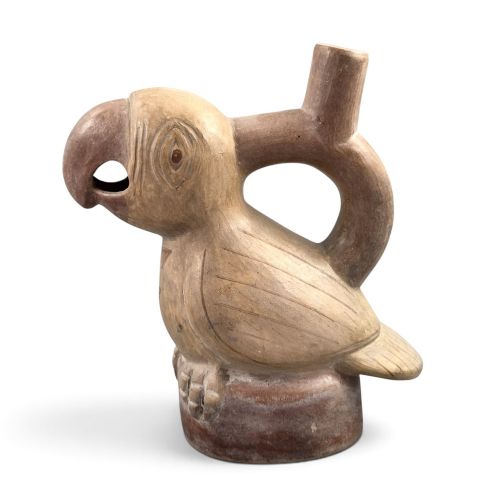
- Ornithomorphic
- Shaped in the form of a bird. Such ancient vessels combine functional storage with symbolic zoomorphic representation.
Terracotta Clay Vessel: Frequently Asked Questions
How do I care for an antique terracotta vessel?
Keep unglazed earthenware away from freezing outdoor conditions where absorbed moisture can expand and crack the porous clay body. Dust gently with a soft dry cloth and avoid harsh chemical cleaners that might strip historical patinas.
Place protective felt pads beneath heavy pots to prevent scratching delicate interior surfaces. For garden placement, elevate vessels slightly off the ground to ensure proper drainage.
Are these ancient vessels watertight?
Most historic terracotta and earthenware vessels are porous unless specifically glazed on the interior. Using them for fresh cut flowers requires a hidden glass or plastic liner inside the pot.
Water left directly in unglazed clay can seep through the walls and deposit minerals on the exterior surface. Dry storage uses remain the safest approach for preserving fragile ancient bodies.
How can I tell the period of a clay vessel?
Dating relies on examining the forming technique, clay composition, and specific stylistic markers associated with cultures like the Han Dynasty or Pre-Columbian traditions. Tool marks, firing methods, and surface wear patterns provide vital clues to age.
Comparative study of known excavated examples helps establish correct chronological brackets. Consultation with specialist literature clarifies regional variations across centuries.
What is the difference between an oil jar and an amphora?
Oil jars are typically stout, heavy vessels designed for stationary storage of agricultural goods in Mediterranean courtyards and cellars. They feature broad bodies and reinforced rims suited for heavy domestic use.
Amphorae traditionally incorporate tapered bases and dual vertical handles designed for maritime transport and shipboard stowage. Their profiles reflect ancient cargo requirements rather than static garden display.