





Antique Olive Oil Urn
These antique olive oil urn pieces are heavy earthenware vessels that bring genuine rustic warmth and texture to a garden or hallway.
Antique Olive Oil Urn
When you search for an antique olive oil urn, you are looking at substantial storage vessels historically used across the Mediterranean for oil and wine. The versions you are most likely to meet on this page hail from the eighteenth and nineteenth centuries, often associated with French and wider Mediterranean production.
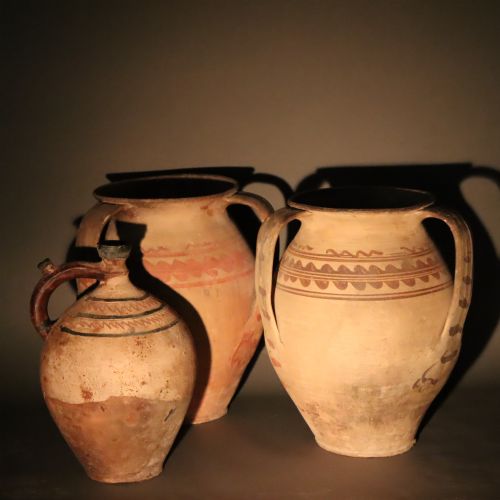
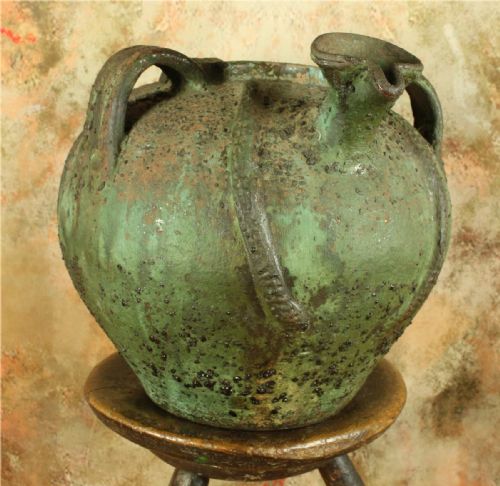
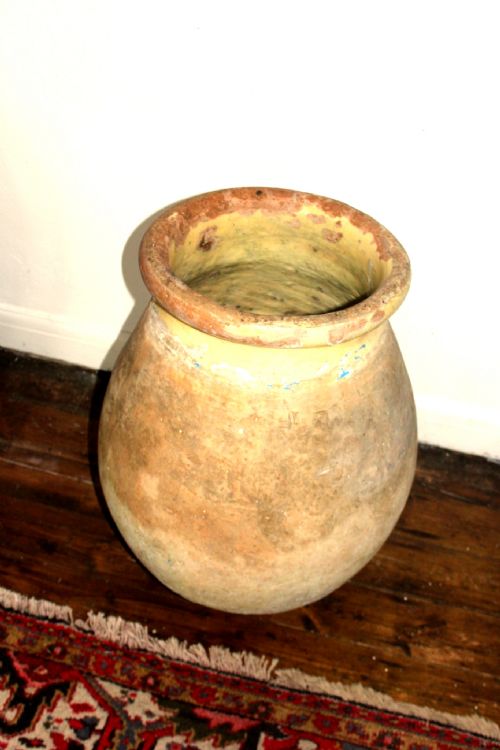
Forms range from three-handled pots and Biot jars to amphora vessels and painted garden planters. Many sit upon wrought iron stands or display the marks of long agricultural use.
The materials span terracotta, clay, and earthenware, frequently finished with lime wash, pigment, or partial glaze. They stand as robust testaments to utilitarian craft turned decorative ornament.
How they were made
Potters shaped these large earthenware vessels using native clay, firing the bodies to create heavy, porous walls capable of keeping stored oil cool. Many examples received a protective internal or external glaze, alongside lime wash or pigment to seal the surface.
Utility dictated construction, resulting in sturdy handles for lifting and thick rims designed to be sealed against pests and air. Over decades of use, these pots acquired aged patinas through exposure to the elements and handling in Mediterranean farmyards.
Antique Olive Oil Urn Retail Price Guide 2026
Typical asking prices for olive oil urn among the pieces listed under this phrase on Sellingantiques today, from the lower quarter to the upper quarter. They describe what is for sale here now, not the wider market.
The listings on this site span the eighteenth, nineteenth, and early twentieth centuries, featuring terracotta, earthenware, and glazed finishes.
What varies in quality
Quality in these utilitarian pots rests in the balance of form, the integrity of the clay body, and the character of the surface wear. Superior examples retain honest traces of early lime wash, original pigment, or historic glazes that tell a clear story of their working life.
Proportion and scale also separate standard utility jars from finer decorative specimens, particularly where handles are well-drawn and iron stands complement the vessel's silhouette without overwhelming it.
The Antique Olive Oil Urn Glossary
- Biot jar
- A traditional heavy terracotta storage vessel originating from the Provençal town of Biot, historically utilised for storing and transporting olive oil.
- Amphora
- A two-handled ancient vessel shape with a narrow neck, recreated in later centuries for garden and estate decoration.
- Terracotta
- Fired unglazed clay of a brownish-red colour, prized for its porous nature and ability to weather gracefully outdoors.
- Lime wash
- A traditional coating made from slaked lime applied to exterior surfaces, which flakes and softens over decades of exposure.
- Patina
- The surface sheen and textural wear acquired by a material over long periods through handling and environmental exposure.
Antique Olive Oil Urn: Frequently Asked Questions
Are antique olive oil urns frost proof?
Most historic earthenware vessels are porous and susceptible to cracking if water freezes inside them during severe winter weather. It is standard practice to empty them and move them under cover or protect them during sub-zero temperatures.
Drainage is also essential if you use them as planters, ensuring moisture does not accumulate against the interior walls and risk expanding in the cold.
How do I clean an antique olive oil urn?
Gentle brushing with a soft bristle brush and warm water is usually sufficient to remove surface dust and loose soil without harming the aged surface. Avoid harsh chemical cleaners or pressure washers, which can strip away historic lime wash, pigment, and delicate patinas.
Allow the earthenware to dry naturally after cleaning, as trapped moisture can temporarily darken the clay and alter the appearance of the finish.
Can these urns be used outdoors?
These robust earthenware pots were designed for practical use in Mediterranean farmyards and gardens, making them well-suited to outdoor placement in milder conditions. Position them on stable ground, gravel, or dedicated stands to prevent damp rising directly from soil.
During prolonged wet spells or freezing periods, relocating them to a sheltered porch or glasshouse helps preserve the clay and any remaining surface washes.
How do I date an olive oil urn?
Dating relies upon observing the forming techniques, tool marks, clay body characteristics, and the nature of any glazes or lime washes present. Eighteenth-century and nineteenth-century pieces often display hand-thrown irregularities and distinct handle formations that differ from later twentieth-century reproductions.
Comparing the recorded period details across similar surviving Biot jars and painted olive pots helps establish a credible timeframe for an individual vessel's origin.