



19th Century Amphora
These 19th century amphora pieces bring classical antiquity and nineteenth-century revival craftsmanship directly into your home.
19th Century Amphora
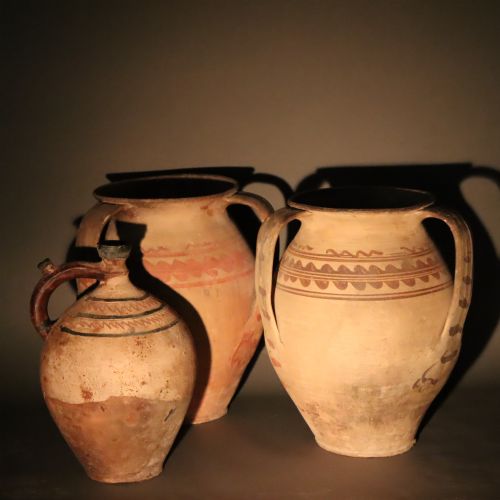
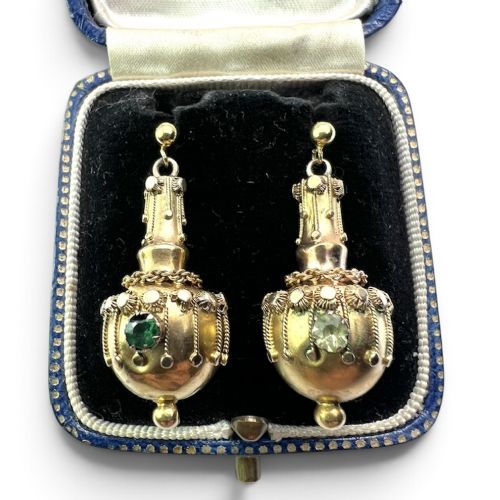
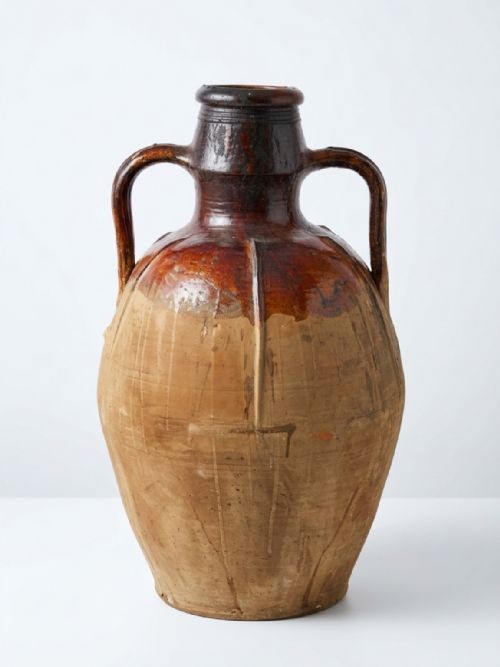
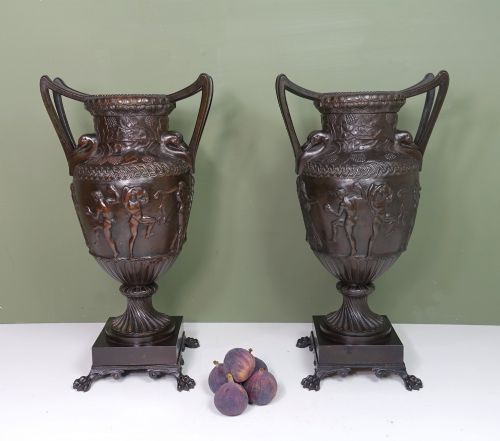
When you search for 19th century amphora, you encounter a diverse range of decorative vessels, urns, figurines, and jewellery inspired by ancient forms. These objects span from large terracotta oil and wine jars to delicate porcelain vases and gold earrings.
The pieces on this page reflect intense nineteenth-century interest in classical antiquity, manifesting as Grand Tour souvenirs, revival styles, and Mediterranean folk art. You are most likely to meet terracotta jars, bronze and marble urns, and painted pottery vessels from this era.
Makers and manufacturers during this period drew heavily on Greek, Roman, Etruscan, and Moorish designs to create decorative objects for Victorian interiors. The form of the two-handled vessel adapts across various mediums, serving both ornamental and functional roles in historic homes.
Materials and methods
Terracotta and earthenware formed the basis for large utilitarian vessels and garden jars, often shaped by hand or on a wheel in Italian workshops. Artisans utilised natural clay bodies, finishing surfaces with glazes, paint, or simple patination.
Metalworking techniques produced bronze vases, spelter figures on marble plinths, and gilt bronze mounts paired with white onyx or glass. Jewelers also worked with 15ct gold to shape miniature amphora motifs set with gemstones.
Glassmakers utilised opaline glass and enamel decoration to mimic ancient vessels, while stone carvers shaped alabaster and marble for Grand Tour souvenirs. Each material dictated the specific decorative vocabulary applied to the revival piece.
19th Century Amphora Retail Price Guide 2026
Typical asking prices for 19th century amphora among the pieces listed under this phrase on Sellingantiques today, from the lower quarter to the upper quarter. They describe what is for sale here now, not the wider market.
Listings feature 19th century amphora pieces made from terracotta, bronze, porcelain, 15ct gold, gemstones, onyx, alabaster, and opaline glass.
Assessing quality in revival pieces
The distinction between standard decorative items and finer works lies in the execution of detail and the integrity of the materials. Hand-painted pottery vessels with precise Mediterranean motifs or finely cast bronze mounts indicate higher workshop standards.
Surface patination and material authenticity separate exceptional items from ordinary reproductions, particularly in terracotta oil jars and alabaster Grand Tour vases. Wear that aligns with age and handling reveals the true character of the piece.
The precision of revival styles, whether Etruscan, Neoclassical, or Alhambra-style, determines the artistic merit of the object. Master craftsmen invested greater care in proportion, casting sharpness, and finishing touches.
Royal Worcester·Kerr and Binns·Baccarat
The 19th Century Amphora Glossary
- Amphora
- A two-handled ancient jar with a narrow neck used for storing oil or wine, which inspired nineteenth-century revival decorative objects. Makers adapted this classic silhouette into vases, jugs, and jewellery.
- Grand Tour
- A cultural trip through Europe undertaken by wealthy young people in the eighteenth and nineteenth centuries to collect art and souvenirs. These souvenirs often included alabaster, marble, and bronze classical design vases.
- Etruscan Revival
- A nineteenth-century design movement inspired by ancient Etruscan artefacts discovered in excavations. This style heavily influenced Victorian gold jewellery and decorative arts.
- Spelter
- An alloy of zinc used as a cheaper alternative to bronze for casting decorative figures and vases. It was frequently painted or bronzed to imitate more expensive metalwork.
- Terracotta
- Fired clay used extensively for large Mediterranean wine jars and oil storage vessels. Its porous nature often acquires distinct patination over decades of exposure.
19th Century Amphora: Frequently Asked Questions
What is a 19th century amphora?
A 19th century amphora is a decorative vessel, urn, or accessory created during the eighteen-hundreds in imitation of ancient Greek and Roman storage jars. These items draw on classical, Etruscan, and Neoclassical design traditions.
Craftsmen produced these pieces in materials ranging from terracotta and bronze to opaline glass and 15ct gold, serving as ornamental items for Victorian interiors.
How were terracotta amphora jars used?
Terracotta amphora jars originally served utilitarian purposes in Mediterranean regions, functioning as storage containers for wine, oil, and dry goods. In nineteenth-century European homes, they transitioned into decorative garden and interior ornaments.
Their large size and natural patination made them popular focal points for conservatories, hallways, and estate grounds.
How do I style an antique amphora?
Antique amphora vessels work well as standalone statement pieces on heavy wooden tables, stone pedestals, or empty floor spaces. Large terracotta jars suit garden rooms and hallways, while smaller bronze or glass urns fit on mantelpieces.
Pairing these items with neutral backgrounds allows the natural patination and classical forms to stand out in a modern interior.