
19th Century Ottoman
These 19th century ottoman pieces range from English country house seating to Near Eastern works of art, collected for both utility and decorative presence.
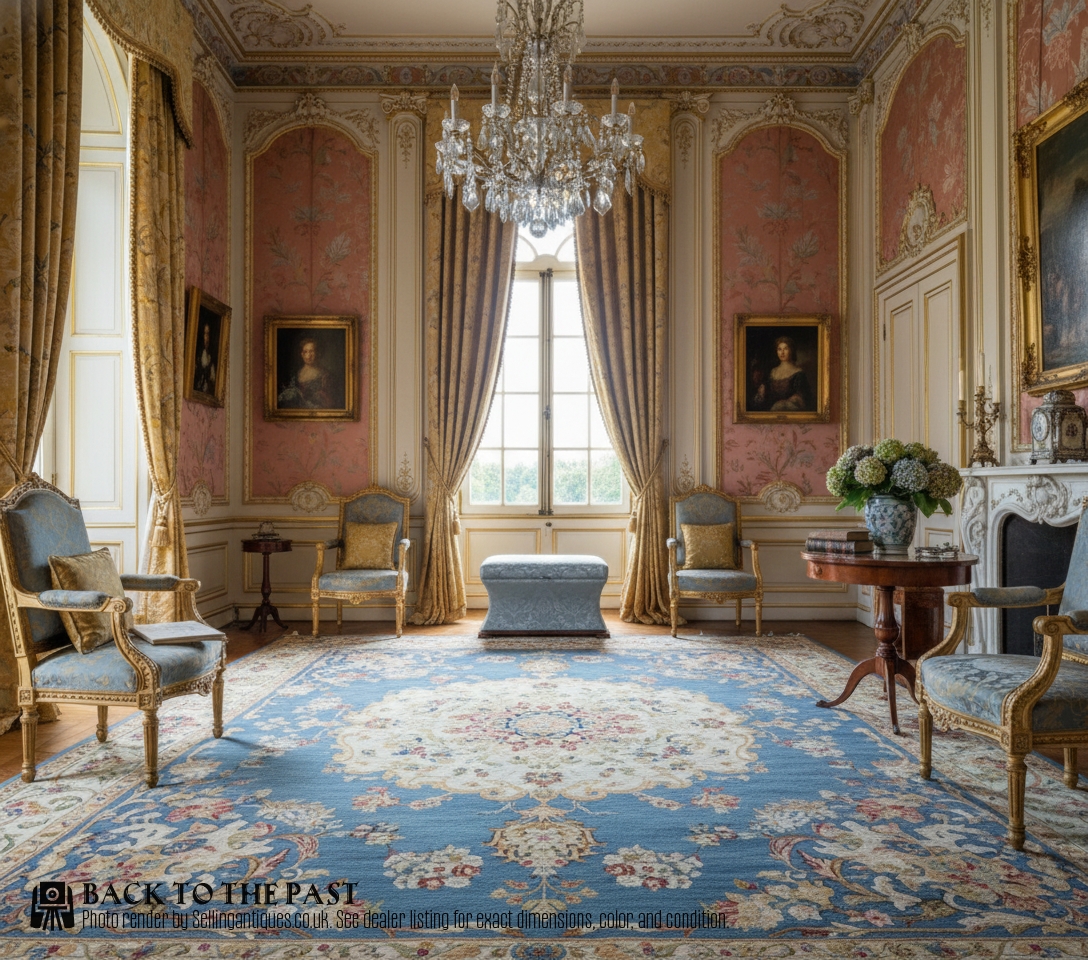
What 19th century ottoman pieces are
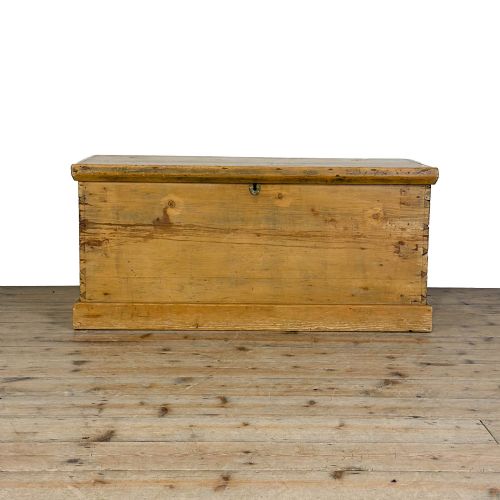
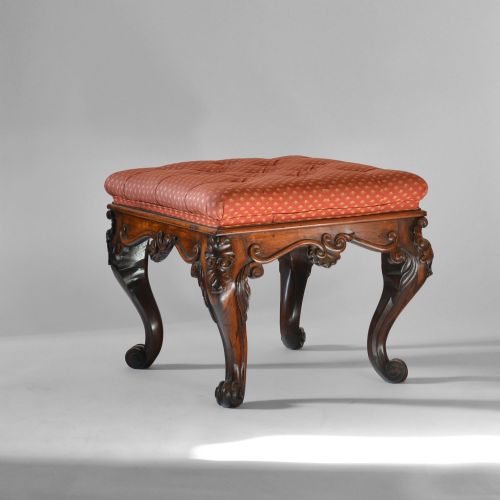
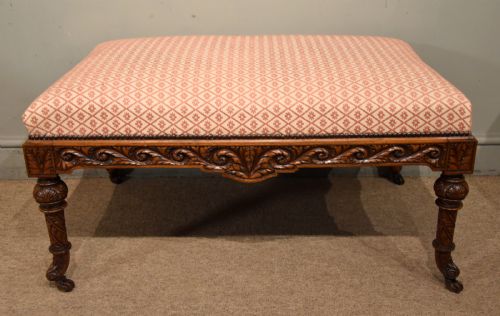
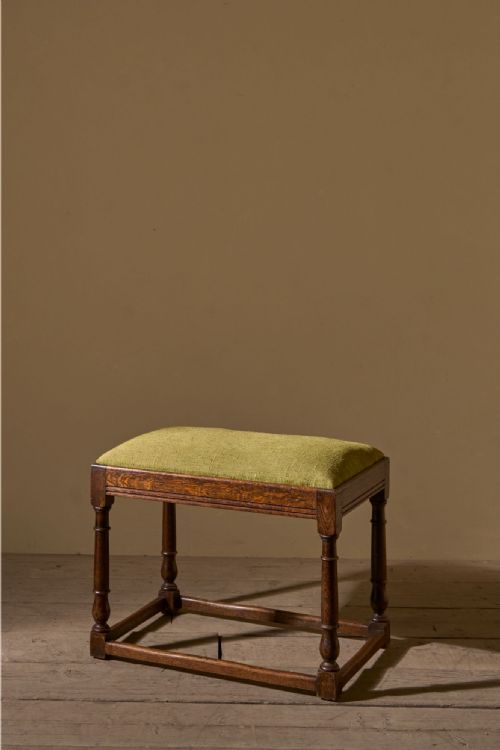
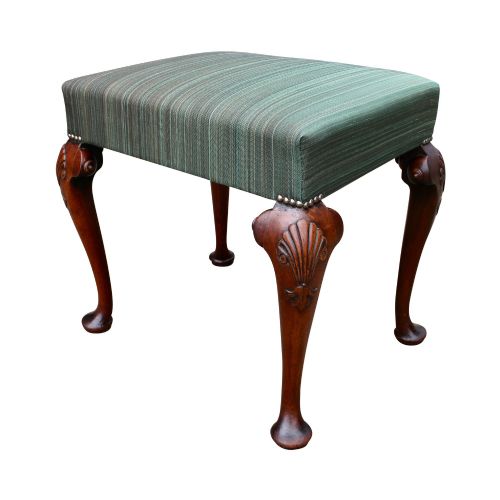
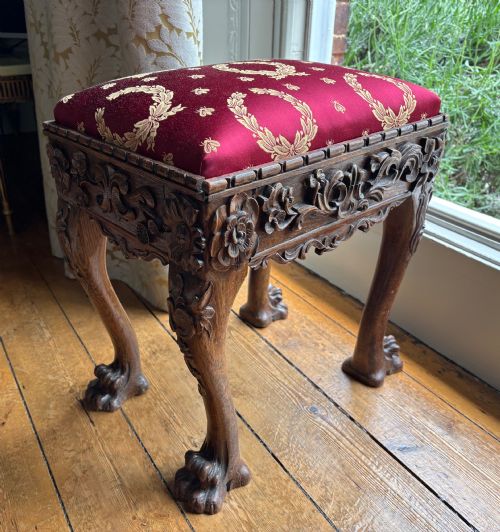
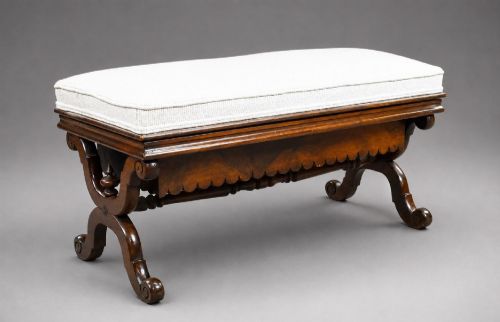
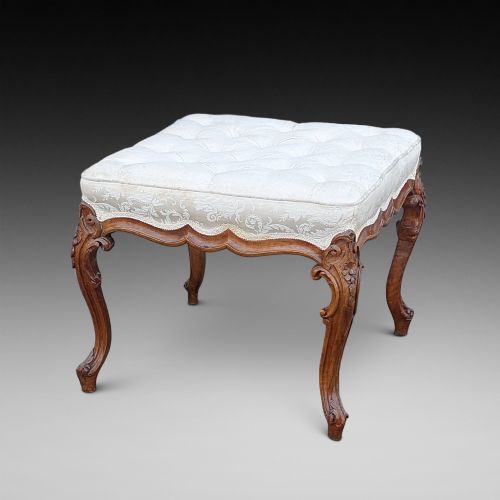
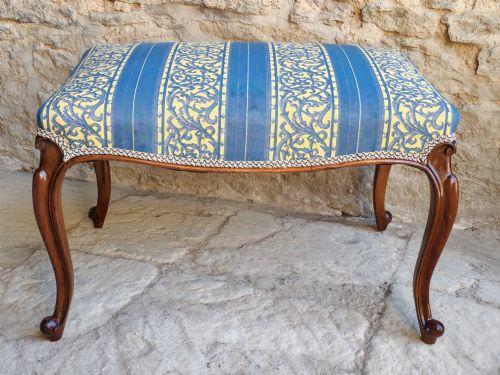
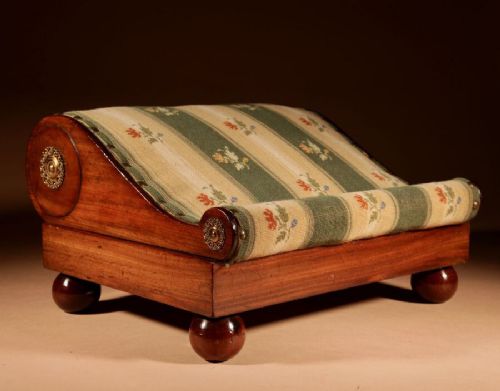
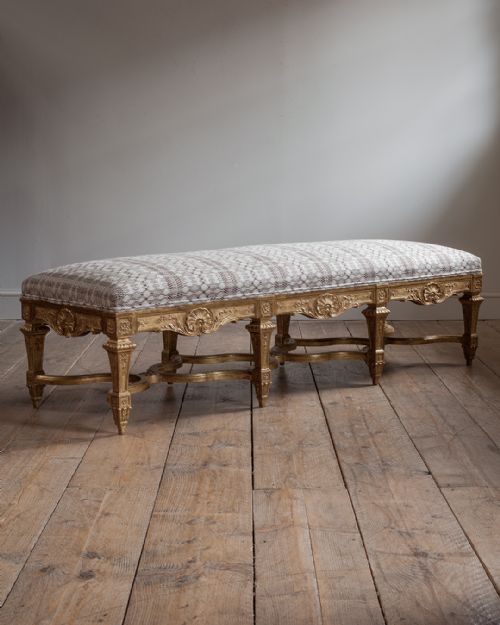
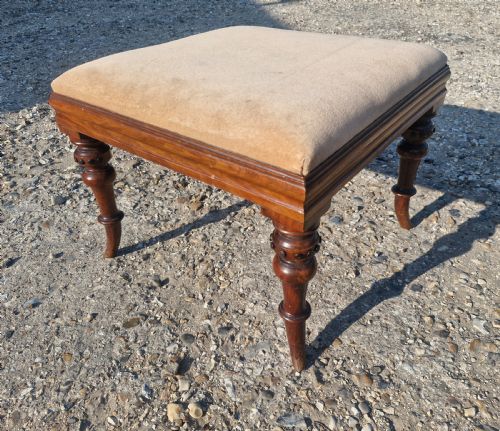
When searching for a 19th century ottoman, buyers encounter two distinct categories: European upholstered seating and works originating from the Ottoman Empire itself. European forms include mahogany, walnut, and rosewood stools, centre stools, and box ottomans designed with hinged storage or felt-lined interiors for domestic utility.
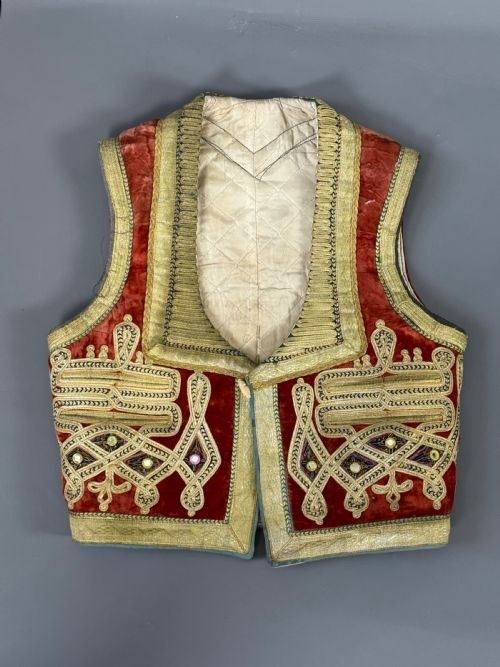
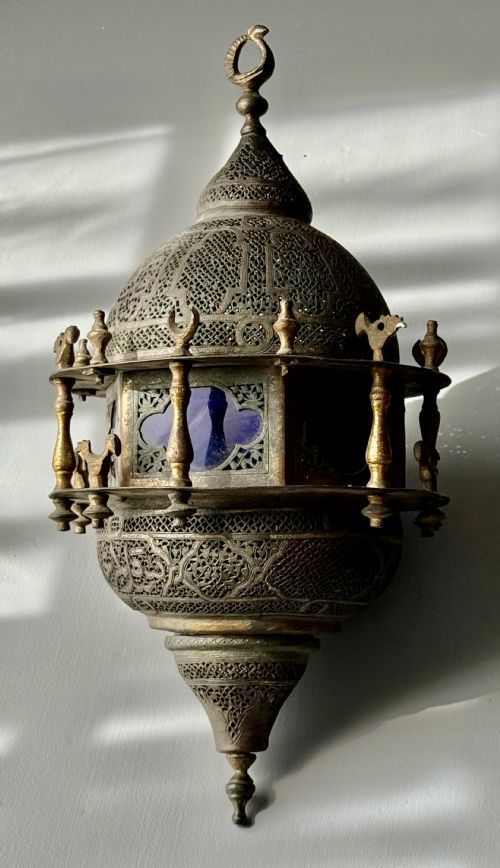
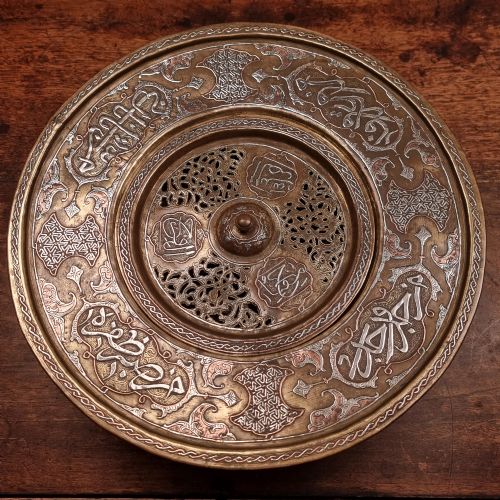
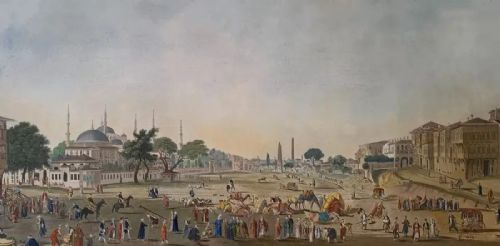
The archive shows that pieces originating from the Ottoman Empire encompass entirely different forms, including silver-inlaid miquelet pistols, flintlock jezails, mother-of-pearl inlaid tables, silk and metal thread embroidery, and watercolour paintings. These historical artefacts reflect the craftsmanship of regions spanning Cairo, Morocco, and the wider Ottoman world.
On this page, buyers are most likely to meet English and European upholstered seating, such as Victorian mahogany or rosewood stools and leather box ottomans, alongside occasional imported works of art.
How they were made
European furniture pieces utilise hardwoods such as mahogany, walnut, oak, rosewood, and pine as structural frames, often combined with brass fixtures, wood carving, and turned supports. Upholstered variants employ fabric, leather, velvet, and historic textiles like kilim or embroidery.
Near Eastern arms, furniture, and decorative items demonstrate specialised techniques including silver inlay, bone inlay, mother-of-pearl and tortoiseshell work, and detailed metal thread embroidery. These methods combine structural woodwork or forged metal with intricate surface decoration.
Retail Price Guide 2026
Typical UK retail prices for 19th century ottoman, calculated from the Sellingantiques database of over a million retail prices indexed since 2003. This retail price guide relies exclusively on Sellingantiques data; no external sources or auction records are used, so the figures do not describe the wider market.
Listings combine Regency and Victorian European furniture with 19th-century textiles, firearms, and decorative woodwork from the Ottoman Empire.
What varies in quality
Quality in European upholstered seating rests on the integrity of the timber frame, the choice of hardwoods like rosewood or figured mahogany, and the presence of original storage mechanisms or detailed carving. Larger country house examples and waist-form designs demonstrate superior proportions and cabinetmaking skill.
For items originating from the Ottoman Empire, quality is defined by the density and precision of silver, mother-of-pearl, or bone inlay work, and the preservation of hand-woven textiles and embroidery. Weapons and decorative objects derive value from the complexity of their flintlock mechanisms and surface ornamentation.
The 19th Century Ottoman Glossary
- Ottoman
- A padded upholstered seat without arms or back, frequently designed with internal storage beneath a hinged top. This form evolved into various Victorian and Regency seating variants.
- Jezail
- A traditional type of long gun utilised across the Middle East and Central Asia during the nineteenth century. These firearms often feature extensive bone, brass, or mother-of-pearl inlay.
- Bohce
- A square wrapping cloth used in the Ottoman Empire for storing garments or household items, frequently embellished with silk and metal thread embroidery.
- Miquelet
- A type of flintlock firearm mechanism utilising an external mainspring and a combined steel and pan cover. It appears on nineteenth-century pistols and muskets from the Ottoman sphere.
Frequently Asked Questions
What is an English box ottoman?
An English box ottoman is a nineteenth-century seat featuring a hollow interior accessed by lifting the upholstered top. They were utilised in domestic interiors for storing textiles and blankets while providing practical seating.
Many examples incorporate mahogany or walnut frames, sometimes with felt linings or integrated work box compartments, combining comfort with concealed storage.
How do I distinguish European ottomans from Ottoman Empire items?
European 19th century ottomans are typically heavy upholstered furniture pieces made from woods like mahogany or rosewood, designed for Victorian and Regency parlours. Items from the Ottoman Empire are distinct cultural artefacts, such as inlaid tables, firearms, or silk embroideries.
Context and materials clarify origin; furniture utilises European cabinet timbers, whereas regional pieces display Islamic decorative motifs and specialised metalwork.
What materials were used for Near Eastern items?
Near Eastern pieces incorporate diverse materials including hardwoods, steel, silver, bone, and mother-of-pearl. Surface decoration often relies on complex inlay techniques applied to wood or metal.
Textiles from the region utilise silk and metal threads on woven backings, creating decorative wall hangings or ceremonial cloths.
How were nineteenth-century centre stools used?
Centre stools served as versatile seating options positioned in the middle of large rooms rather than against walls. They offered access from all sides during social gatherings.
In larger country houses, oversized versions provided substantial seating capacity and reflected the formal interior design of the period.