

19th Century Open Armchair
A 19th century open armchair brings architectural presence and structural variety to a room through diverse regional styles and woods.
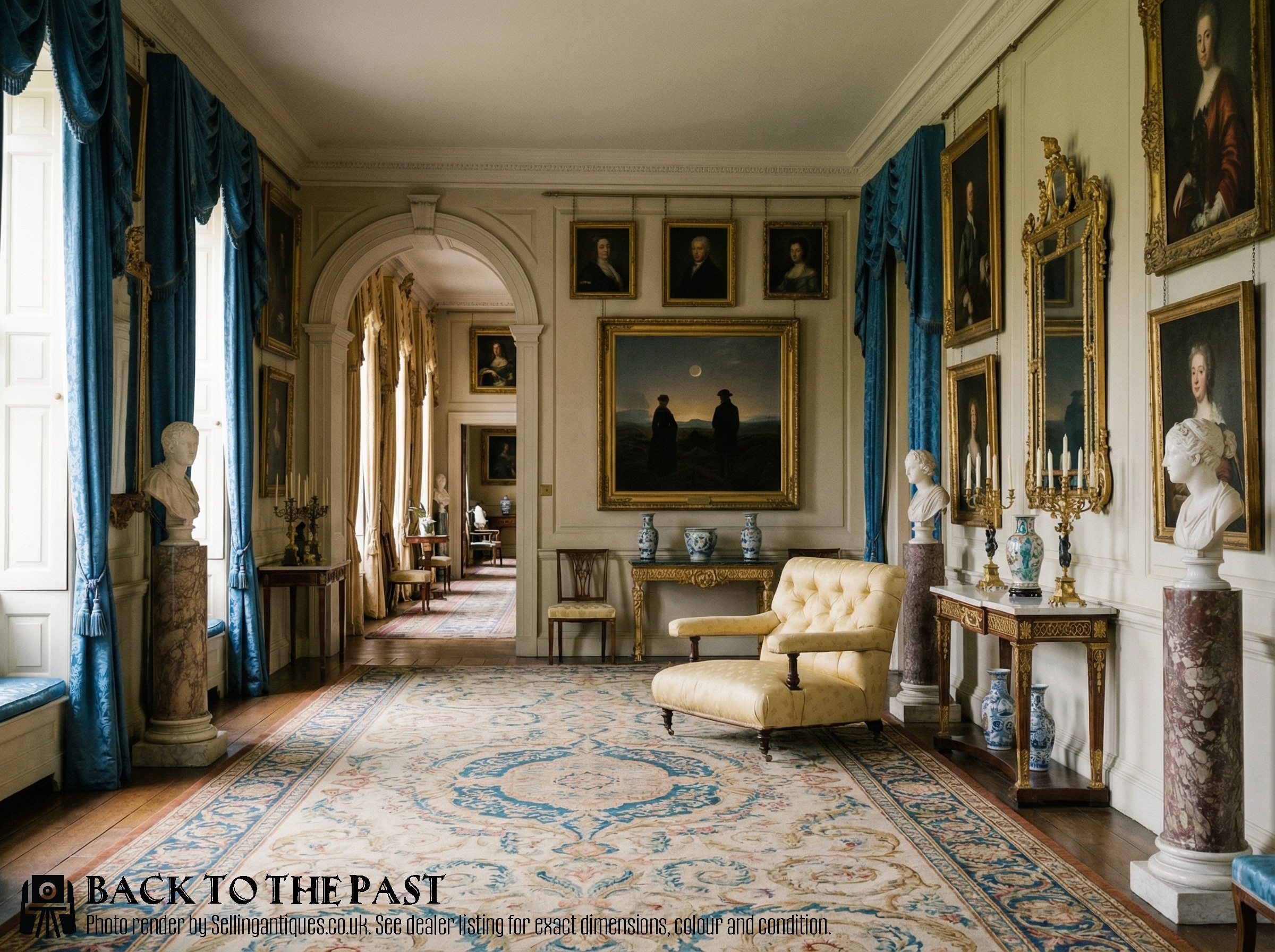
19th Century Open Armchair
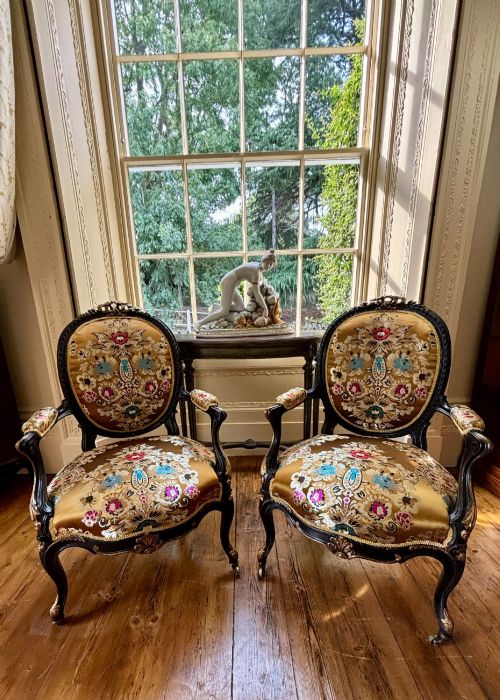
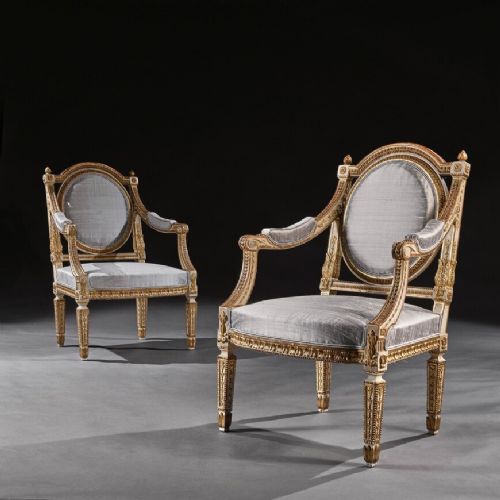
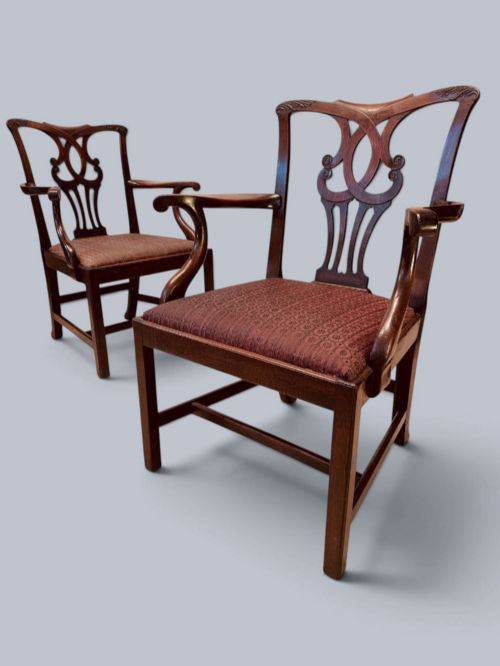
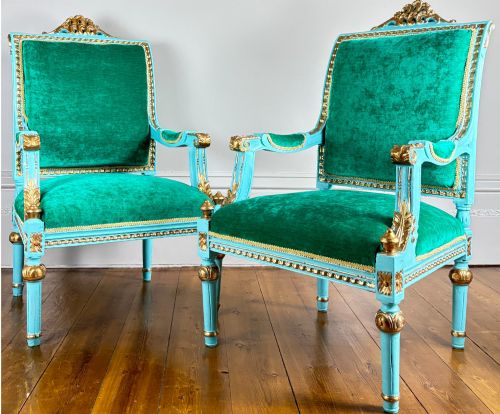
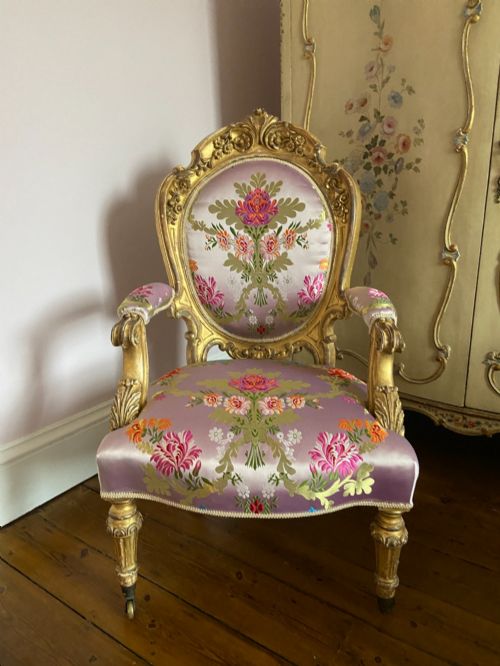
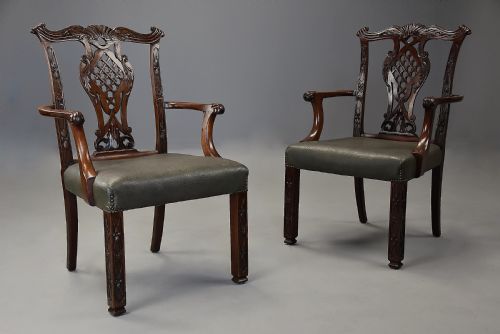
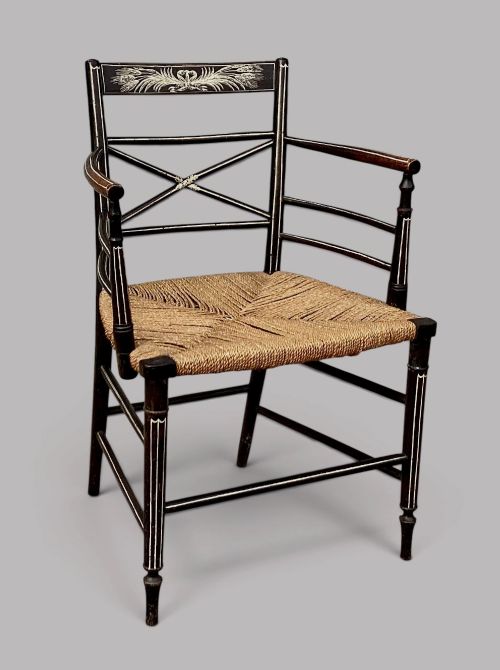
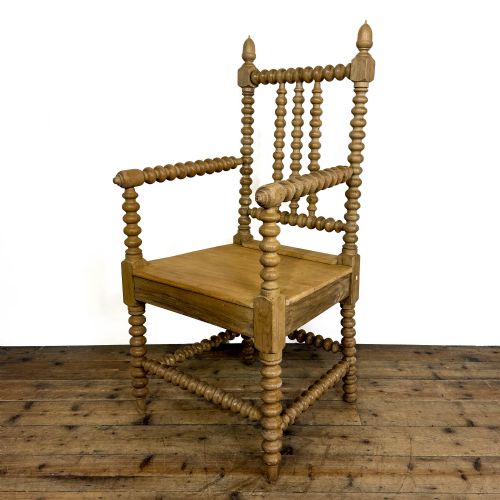
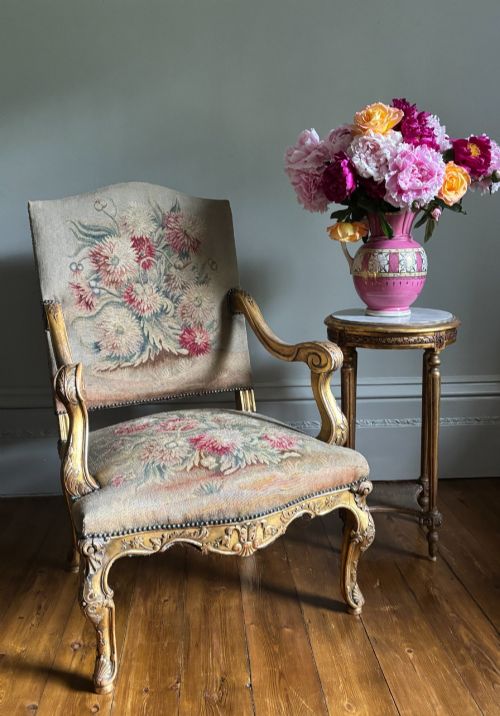
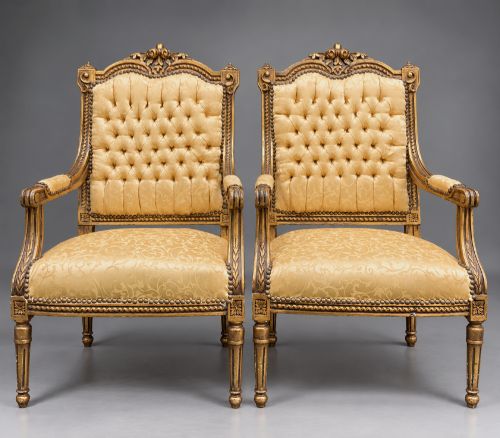
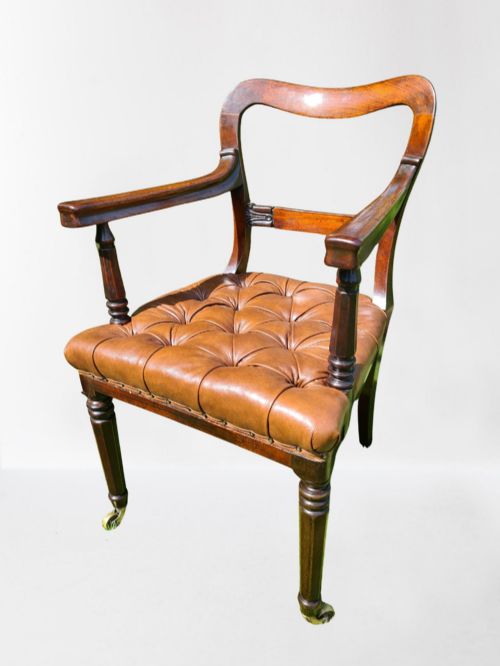
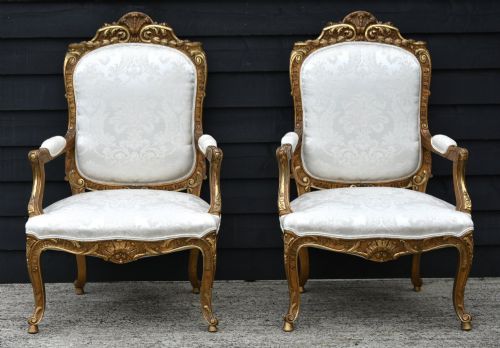
A 19th century open armchair encompasses forms from English country houses, Scottish seats, and grand continental reception rooms. Buyers encounter diverse regional expressions, including Regency library models, Victorian mahogany desks chairs, and substantial French giltwood fauteuils.
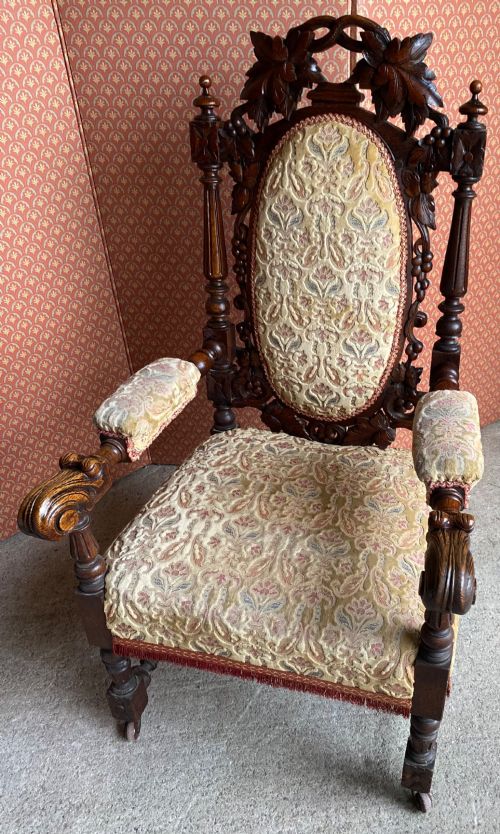
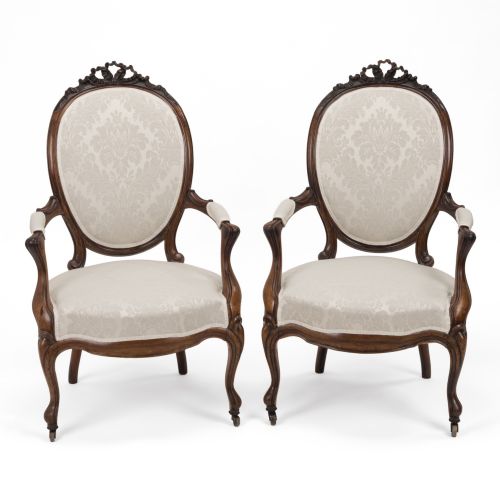
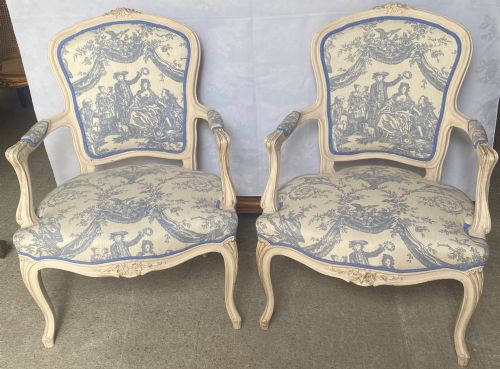
The selection ranges from sturdy oak wainscot chairs and country elm versions to decorative Italian painted pieces and Anglo-Indian padouk designs. Many examples survive as pairs, offering matching seating for studies, drawing rooms, and libraries.
Makers and specific stylistic revivals shape the options, spanning Neoclassical, Baroque, Renaissance Revival, and Empire aesthetics. These seating choices combine functional open arms with upholstered or rush seats tailored to 19th century domestic life.
Materials and construction
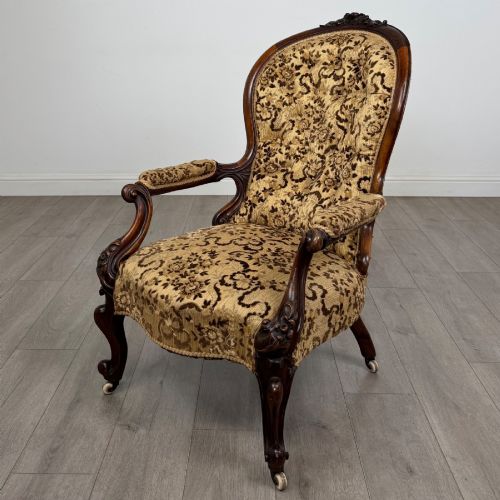
Cabinet makers utilised dense hardwoods such as mahogany, walnut, and oak alongside regional timbers like laburnum, elm, ash, and rosewood. Structural joinery supports carved ornamentation, reeded library elements, and applied giltwood details.
Upholstery methods involved fabric, leather, tapestry, and rush seating, secured to frames constructed with parcel gilt, painted surfaces, or polished wood grains like faux rosewood. Giltwood and brass hardware frequently accent continental and Regency models.
Carving techniques defined the stylistic revivals, shaping solid walnut and oak into elaborate Rococo, Baroque, and Gothic motifs. Frame integrity relied on traditional pegged joints and robust arm supports integrated directly into the seat rails.
19th Century Open Armchair Retail Price Guide 2026
Typical asking prices for 19th century open armchair among the pieces listed under this phrase on Sellingantiques today, from the lower quarter to the upper quarter. They describe what is for sale here now, not the wider market.
Some chairs crossed oceans before resting in country houses, bringing tropical padouk timber into European stately homes.
Judging build and design
Quality rests upon the crispness of carved details in the wood and the refinement of applied gilding or paintwork. Superior examples display balanced proportions, substantial timber weight, and cohesive integration of stylistic motifs.
The distinction between standard utility seating and high-tier reception furniture lies in the complexity of the frame design and the choice of primary wood. Pieces attributed to documented makers demonstrate superior cabinet work and sophisticated execution of period details.
Jacob Desmalter·Gillows·Holland and Sons·Hindley and Sons
The 19th Century Open Armchair Glossary
- Fauteuil
- An open-armed upholstered armchair with an exposed wooden frame, originating in France. These seats typically feature carved decoration and padded armrests.
- Parcel gilt
- Wood or gesso partially covered with gold leaf or gilt paint to highlight specific carved details. This technique adds contrast against painted or polished timber surfaces.
- Faux rosewood
- Wood painted or stained to imitate the characteristic dark grain of genuine rosewood. It was utilised during the Regency period for decorative effect.
- Padouk
- A heavy, durable tropical timber with a reddish hue used in Anglo-Indian furniture production. It accommodates intricate hand carving.
19th Century Open Armchair: Frequently Asked Questions
What is a 19th century open armchair?
A 19th century open armchair is a wooden seat featuring un-upholstered armrests, designed for libraries, desks, and reception rooms.
These pieces reflect the stylistic shifts of the 1800s, incorporating revivals of French, Gothic, and classical designs alongside regional vernacular traditions.
How do I identify a Regency armchair?
Regency armchairs typically display classical influences, including reeded elements, parcel gilt accents, or saber legs.
Timbers such as mahogany and faux rosewood dominate this period, aligning with Neoclassical design principles from the early decades of the century.
Where were these chairs used?
These chairs served multiple domestic functions across country houses, urban libraries, and formal drawing rooms.
Sturdier oak and elm models suited country living, while gilded walnut and tapestry-covered fauteuils furnished formal continental interiors.
How should I live with antique armchairs?
Integrating these armchairs into a modern interior involves pairing sturdy wood frames with functional spaces like studies or reading corners.
Their varied upholstery and durable hardwood construction allow them to function as daily seating or accent pieces.