


19th Century Minton
These pieces of 19th century Minton represent the pinnacle of English ceramic artistry, sought after by collectors for their exceptional glaze work and sculptural ambition.
19th Century Minton
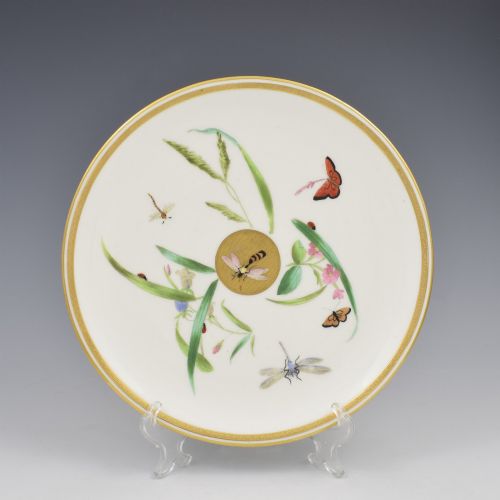
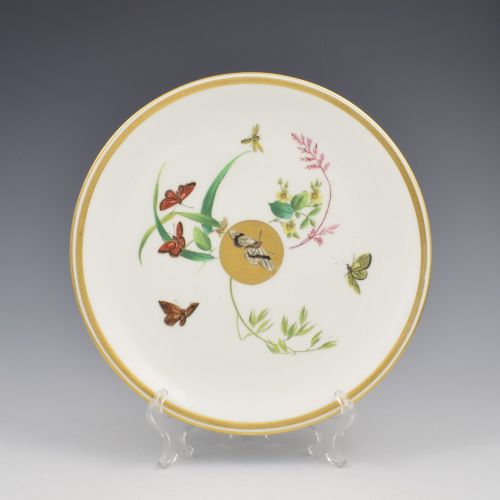
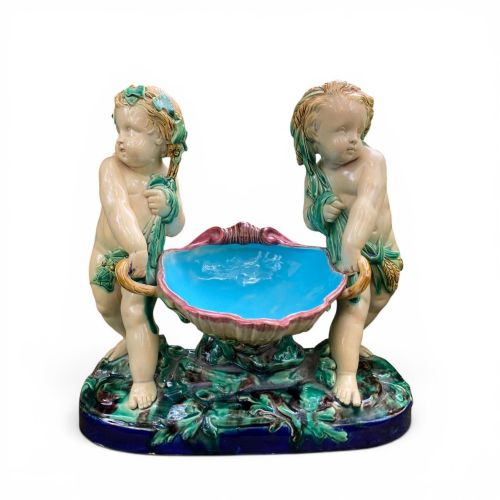
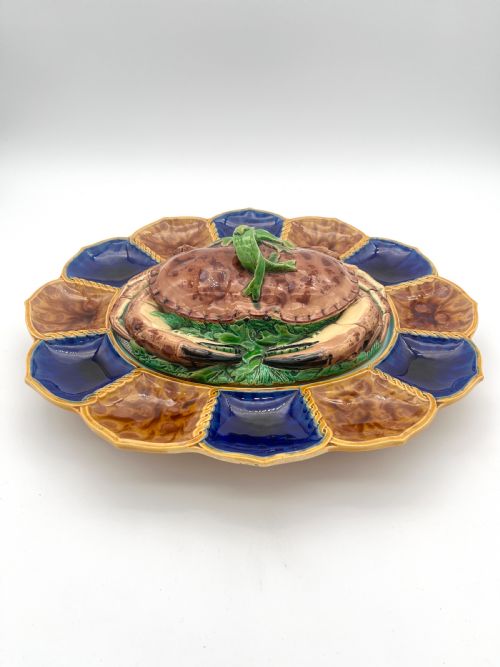
When you search for 19th century Minton, you encounter a diverse array of ceramics spanning functional tableware and ornamental display items. The selection ranges from cabinet plates and dessert sets to large garden seats, jardinieres, and figural groups.
The objects frequently reflect the shifting aesthetic tastes of the Victorian era, moving from early Regency porcelain through the rich ornamentation of Rococo Revival to the naturalism of Majolica and the spare geometry of the Aesthetic Movement.
How they were made
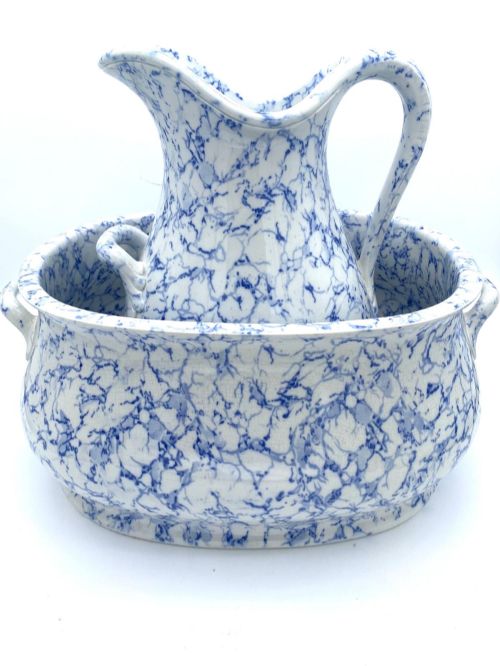
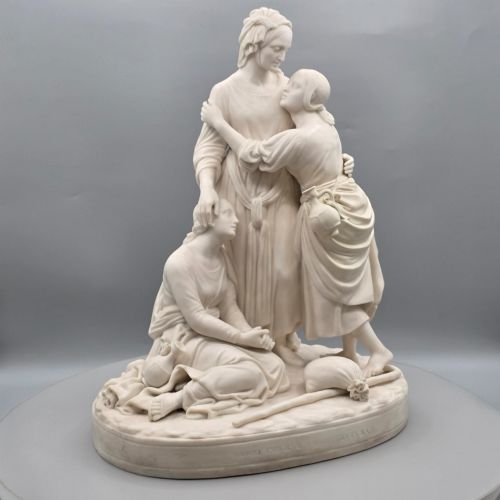
Makers utilised porcelain, earthenware, and creamware bodies, shaping them into complex forms such as basketweave plates, footbaths, and figural groups. Parian ware was cast to achieve the smooth, marble-like finish seen in sculptural figures.
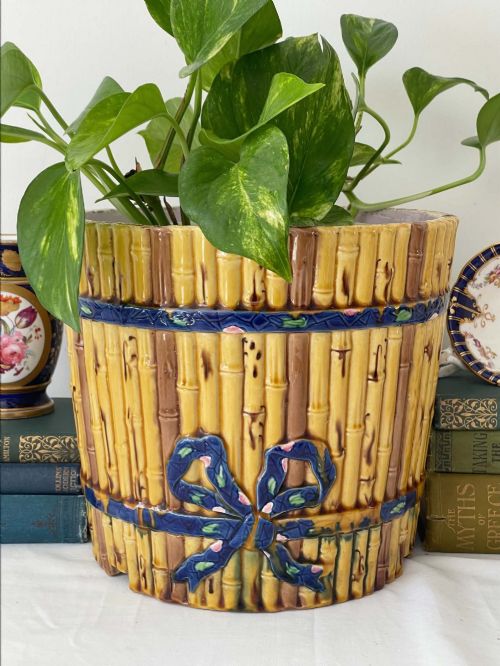
Glazing and decoration required precise kiln work, incorporating hand-painting, enamel, gold leaf gilding, and pate sur pate techniques. Majolica pieces received rich coloured glazes that pooled in the recesses of modelled surfaces like bamboo and fruit.
Listings feature porcelain, earthenware, and parian bodies decorated with majolica glazes, gilding, and pate sur pate.
What varies in quality
The distinction between standard production and top-tier pieces lies in the crispness of the modelling and the precision of the hand-painting. Sculptural details on figural groups and majolica tazzas show varying degrees of sharpness depending on the wear of the original moulds.
Surface embellishment creates another tier of distinction, where master decorators applied intricate gilding, jewelling, or specific pattern work. Pieces associated with notable designers or painters command greater interest through their artistic attribution.
Minton·Minton and Hollins
The 19th Century Minton Glossary
- Majolica
- A type of earthenware decorated with coloured lead glazes fired over an opaque white ground. This technique allowed for vivid relief modelling such as plant forms and animal figures.
- Parian ware
- A fine unglazed biscuit porcelain developed to imitate marble. It was primarily utilised for portrait busts and sculptural figures.
- Pate sur pate
- A method of ceramic decoration where successive layers of liquid white clay are painted onto a coloured body. This builds up a low relief cameo effect with translucent qualities.
- Cabinet plate
- An ornamental plate intended for display in a cabinet rather than for dining use. These often feature elaborate hand-painted landscapes, armorial bearings, or gilt borders.
- Garden seat
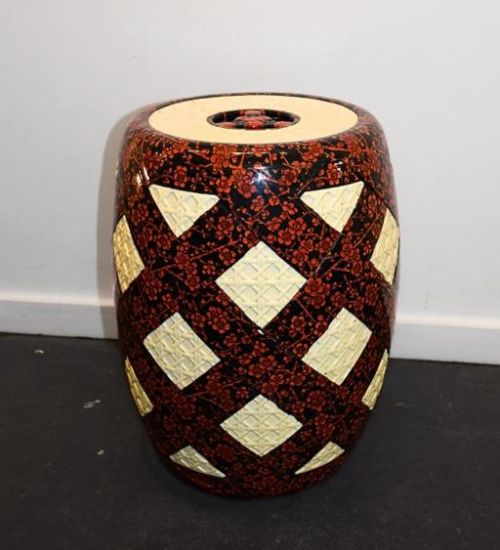
- A heavy ceramic stool or pedestal designed for indoor or outdoor placement. They frequently incorporate moulded botanical or architectural motifs.
19th Century Minton: Frequently Asked Questions
How do I identify Minton porcelain?
Identification relies primarily on impressed or printed factory marks found on the underside of the ceramic body. These marks often include ermine symbols, cyphers, and date ciphers specific to the Victorian registration system.
Shape numbers and pattern names painted in script or enamel further help pinpoint the production period and decorator.
How should I display cabinet plates?
Cabinet plates need sturdy wall hangers or dedicated display stands that support the rim securely without causing abrasion. Keep them away from direct sunlight to preserve the vibrancy of hand-painted enamels and gold leaf gilding.
Grouping plates by theme, such as Japanese style or floral dessert sets, creates a cohesive wall display.
What is Parian ware used for?
Parian ware served primarily for sculptural figures, portrait busts, and figural groups intended for domestic display. Its marble-like appearance made it popular for replicating classical statuary and literary scenes.
These pieces required careful casting to capture the fine facial expressions and drapery folds characteristic of the medium.