



19th Century English Artwork
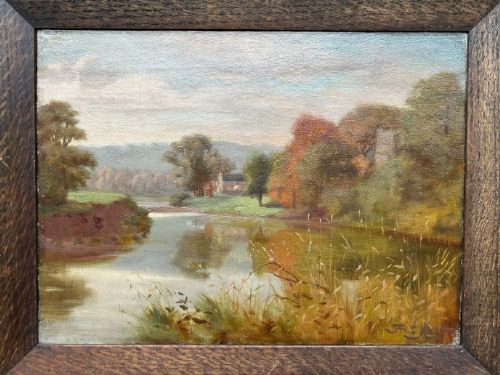
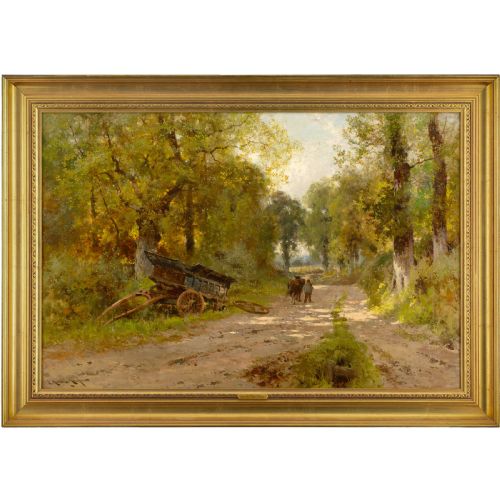
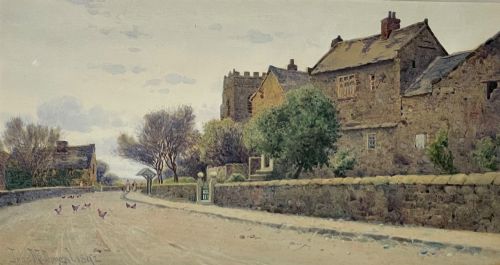
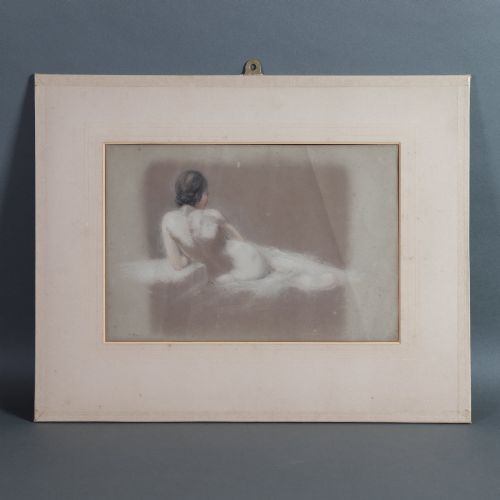
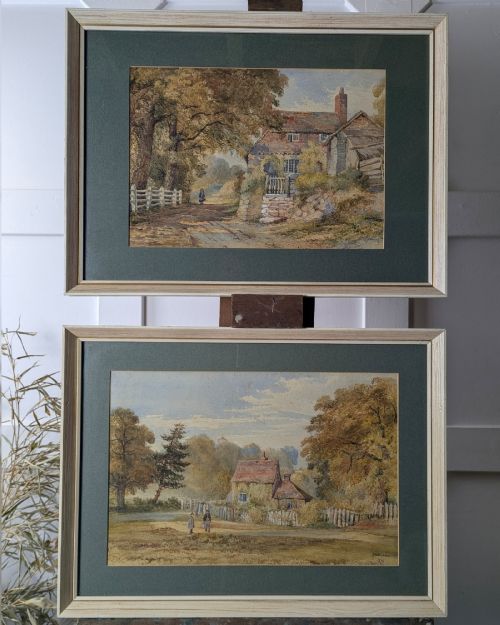
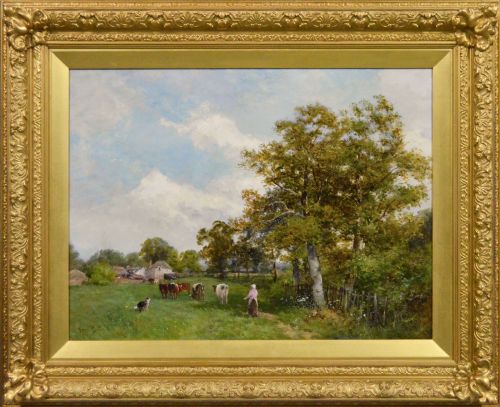
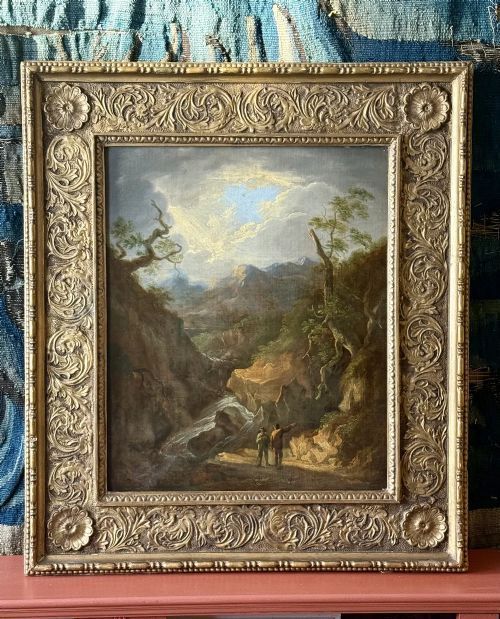
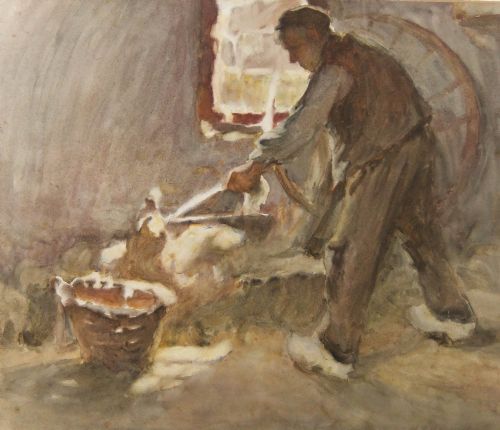
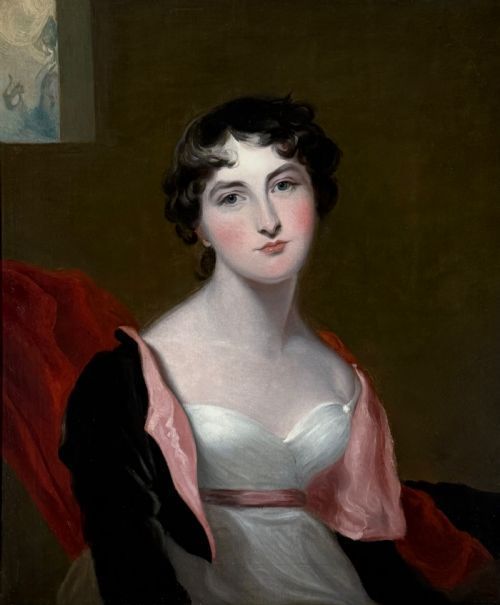
These pieces of 19th century english artwork capture the changing domestic and natural landscapes of the Victorian era through intimate portraits and detailed studies.
19th Century English Artwork
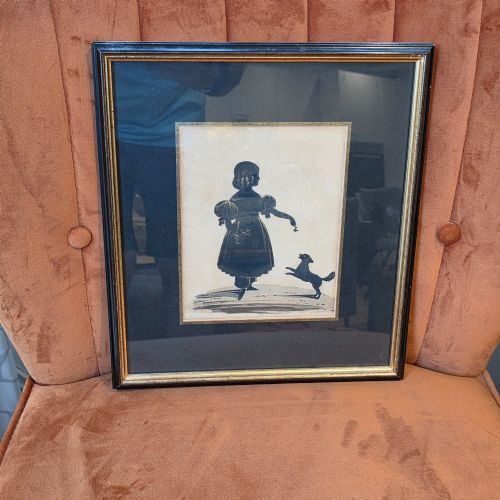
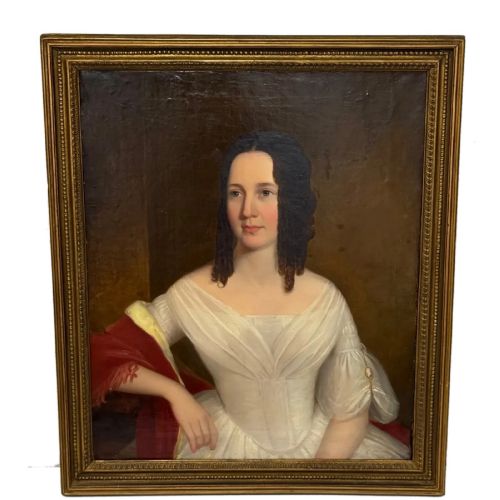
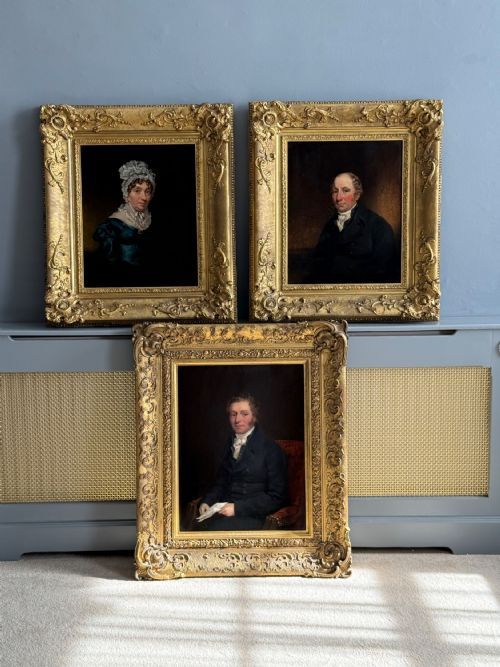
When you search for 19th century english artwork, you encounter a diverse collection of paintings, drawings, and watercolours produced across the Victorian period and the preceding Regency era. The inventory spans framed oil paintings on canvas or wooden panel, delicate works on paper, and mixed media studies depicting portraiture, pastoral scenes, and marine views.
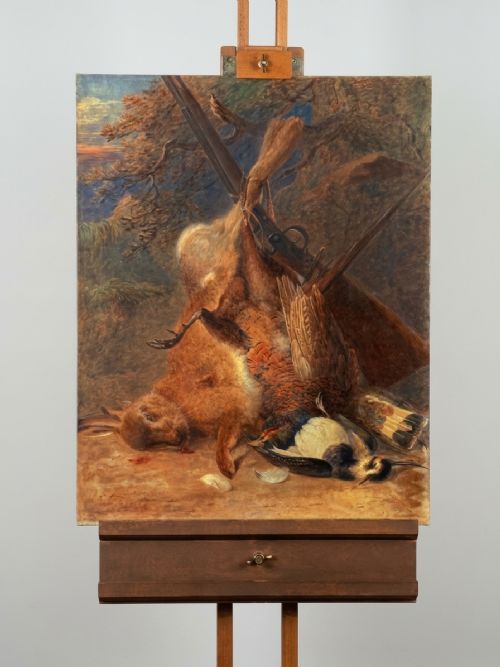
The most frequent pieces on this page are oil paintings and watercolours signed by named British artists or attributed to the English School. These works range from large exhibition pieces to intimate landscape watercolours and detailed still life arrangements featuring fruit and game.
Subjects cover traditional English topography, rural genre scenes with figures and animals, horse portraits, and historical narratives. Many retain their original giltwood frames, which complete the period aesthetic of these framed wall art pieces.
Materials and methods
Artists of this period relied primarily on oil paints applied to stretched canvas or wooden boards, as well as watercolours and bodycolour on paper. Drawings utilise charcoal and pencil on paper to capture preliminary studies and finished portraits.
Support materials include paper, canvas, wooden panels, and glass to protect delicate watercolours and silhouettes. Frames are typically constructed from wood with applied gilt or giltwood finishes to complement the artwork.
Listings feature works from the 19th Century, Victorian period, and Regency era, executed in oil on canvas, watercolour, and pencil.
Assessing quality in period pieces
Quality in these works is defined by the artist's handling of light, brushwork precision, and compositional depth. Superior pieces demonstrate confident draughtsmanship and anatomical accuracy in figures and animals, whereas lesser works show stiffer execution and formulaic backgrounds.
The condition of the medium also dictates value; vibrant watercolours retain their original pigments without excessive fading, and oil paintings show stable surfaces free from heavy restoration or cracking.
William James Hubard·George Sydney Shepherd·Joseph Clover·James Orrock·Alfred Young Nutt·Frederick Marriott·John Horace Hooper·John McDougal·William Etty·William Banks Fortescue·Robert A Nottingham·David Bates·Benjamin Barker of Bath·Henry Silkstone Hopwood·Sir Thomas Lawrence·Vincent Clare·Walter Heath Williams·Albert Clark·Robert Thorne Waite·Edward Ladell·George Augustus Holmes·Thomas Sidney Cooper·Joseph H Barnes·William Blake Richmond·Richard Redgrave
The 19th Century English Artwork Glossary
- Bodycolour
- Water-soluble pigment mixed with a white filler to make it opaque. This technique allows for highlights with strong coverage in watercolour paintings.
- Giltwood
- Wood carved and covered with a thin layer of gold leaf or gilt. It is commonly found on traditional frames from the period.
- Genre painting
- Artwork depicting scenes from ordinary life, such as domestic interiors, market stalls, or farmyards. These pieces often tell a narrative story about daily activities.
- Provenance
- The documented history of ownership of an artwork. A clear provenance helps confirm the attribution and authenticity of a period piece.
- Panel painting
- A painting executed on a flat wooden board rather than canvas. This solid support was favoured by artists for smaller, highly detailed works.
19th Century English Artwork: Frequently Asked Questions
How do I identify a watercolour from an oil painting?
Watercolours are painted on paper and typically displayed under glass with a mount, showing translucent washes of pigment. Oil paintings use thick, textured paint applied to canvas or wood panels and do not require glass for protection.
Examining the surface closely reveals the distinct matte finish of watercolours versus the rich sheen and visible brush texture of dried oils.
What subjects are most common in these Victorian works?
Landscape and pastoral scenes dominate the period, often featuring rural workers, livestock, coastal harbours, and rolling countryside views. Portraiture of individuals, family groups, and prized animals also appear frequently.
Artists drew inspiration from the natural beauty of the British countryside and domestic rural traditions.
Are these artworks usually signed by the artist?
Many pieces bear the original artist signature or monogram, while others are attributed to a known school or studio based on stylistic evidence. Unsigned works frequently emerge from regional British schools or studio collections.
Documentation on the reverse of the frame or panel sometimes provides additional context regarding the creator.
How should I care for a 19th-century oil painting?
Keep oil paintings away from direct sunlight and dramatic temperature fluctuations to prevent the canvas or wooden panel from warping. Dust the surface gently with a soft, dry brush without applying pressure.
Avoid using liquid cleaners or water on the painted surface to protect the historic varnish layer.