



Late Victorian Oil Canvas
When you search for a late victorian oil canvas, you enter a rich visual record of landscapes, maritime scenes and intimate domestic portraits.
Late Victorian Oil Canvas
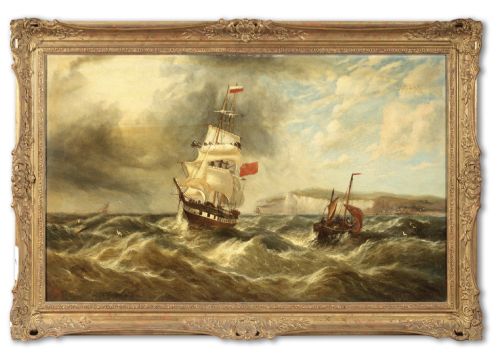
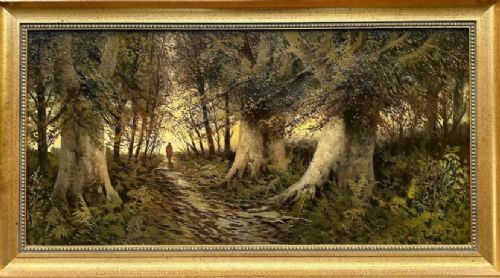
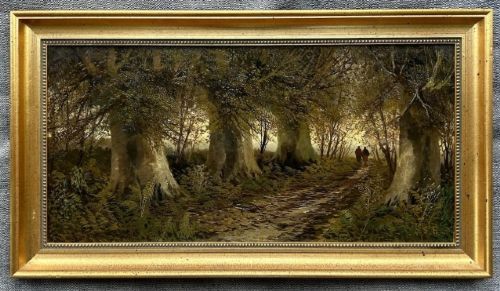
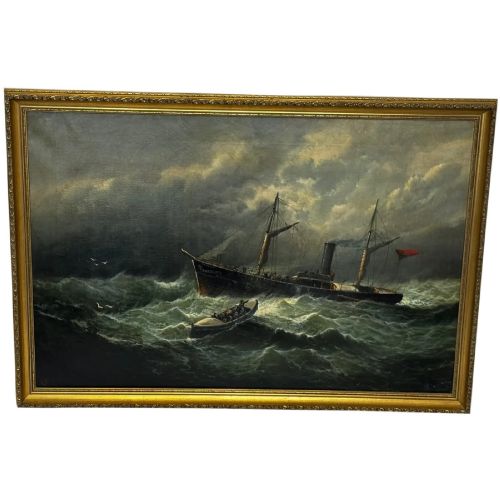
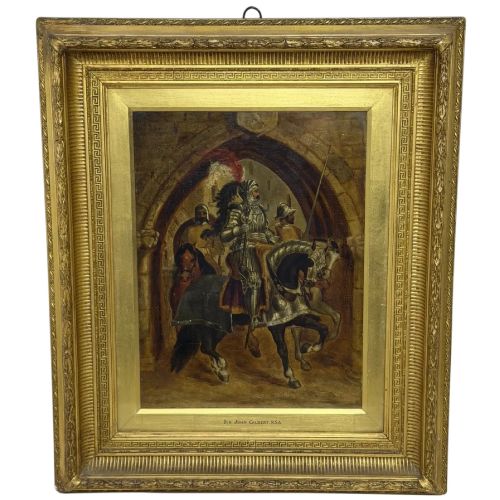
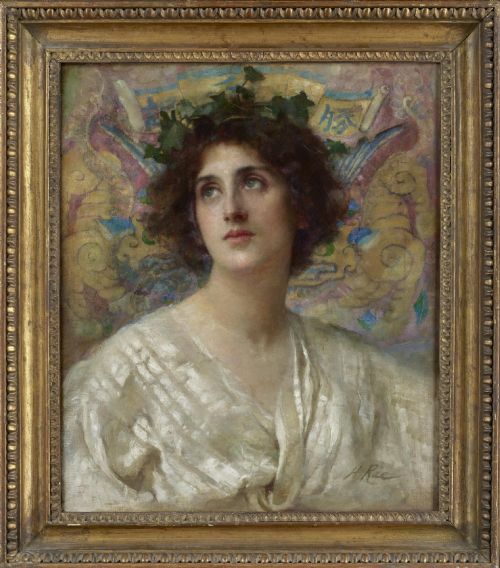
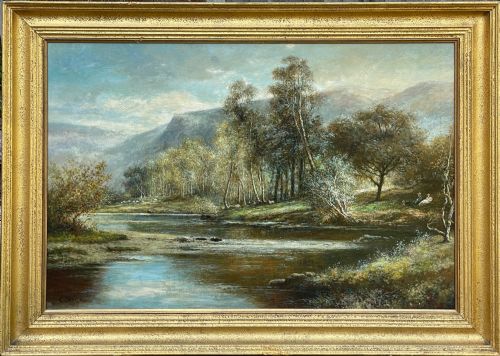
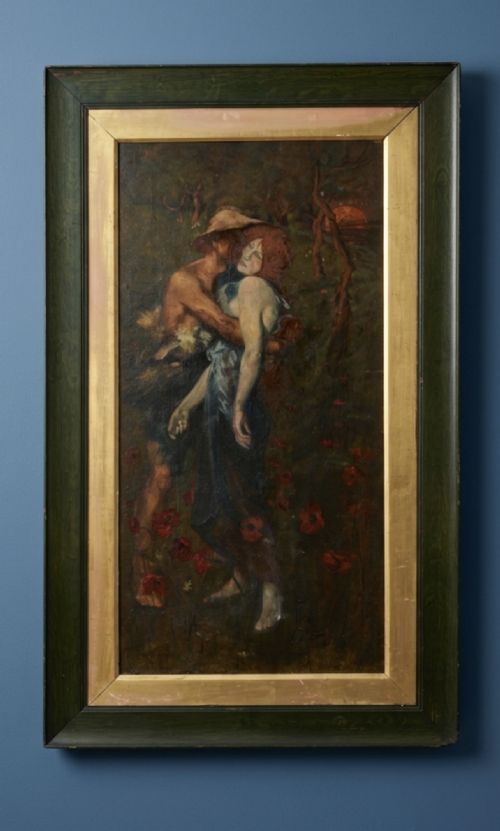
A late victorian oil canvas is a historic artwork painted during the final decades of the nineteenth century and the turn of the twentieth century. These paintings capture the evolving tastes of the period, ranging from pastoral countryside views and coastal waters to detailed human portraits and folk art.
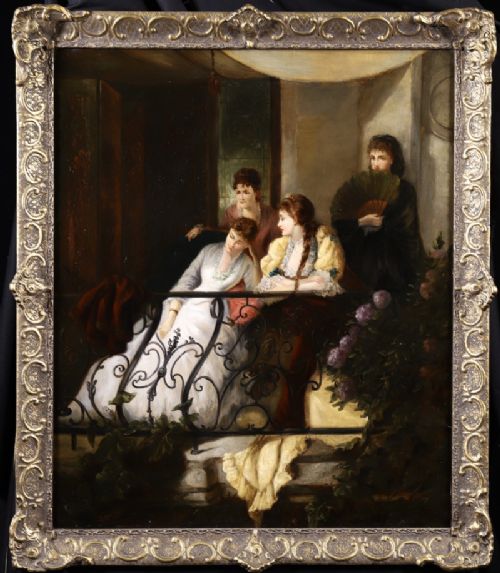
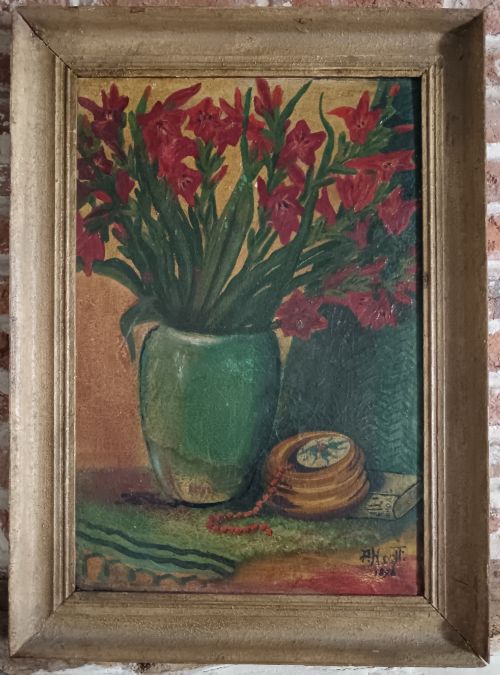
You will most frequently encounter works attributed to named British artists alongside unsigned canvases. The subject matter spans traditional landscape painting, maritime rescue scenes, floral still lifes and figurative genre subjects.
The physical form is typically an oil painting executed on a stretched canvas support, often retaining its period wood and gilt framing.
How they were made
Artists of this era applied oil paint directly onto a prepared canvas stretched over a wooden frame, allowing for rich texture and depth of colour. Gesso and carved wood were frequently utilised to create elaborate gilt frames that complemented the artwork.
The application of paint varied from smooth academic blending to expressive post-impressionist brushwork, depending on the stylistic approach of the individual painter.
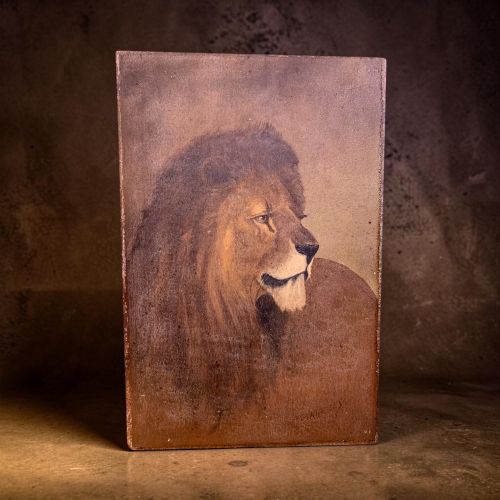
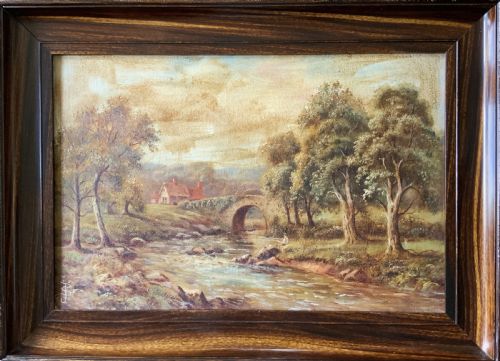
Keep an eye out for a painted lion and a duck waiting patiently for a bite.
What varies in quality
Quality in these canvases rests upon the confidence of the brushwork, the balance of composition and the expressiveness of the subject matter. A master hand reveals itself in the handling of light, shadow and atmospheric perspective.
The integrity of the original canvas and paint surface, alongside the harmony of the period frame, elevates certain pieces above standard decorative works.
Frederick Marriott·John Rose Miles·Thomas W Lascelles·Henrietta Rae·Sydney Yates Johnson·Thomas Bromley Blacklock·Robert John Hammond·William Manners·William Joseph Carroll·John Syer Junior·Frederick William Jackson·William Greaves·Eva Hollyer·Harold Arthur Burke·Robert Gemmell Hutchison
The Late Victorian Oil Canvas Glossary
- Canvas
- A heavy woven fabric used as a surface for oil painting. It is typically stretched tightly over a wooden frame before work begins.
- Gilt
- A thin layer of gold leaf or gold-coloured pigment applied to wood frames. This finish adds a reflective border that highlights the painting within.
- Gesso
- A plaster-like mixture applied to wooden frames as a base for gilding. It provides a smooth surface for detailed decorative moulding.
- Genre painting
- Artwork that depicts scenes from everyday life, such as domestic interiors or street scenes. These subjects offer a direct glimpse into historical social habits.
- Grisaille
- A painting executed entirely in shades of grey or neutral monochrome. This technique often serves as an underpainting or stands alone for a sculptural effect.
Late Victorian Oil Canvas: Frequently Asked Questions
How do I identify a late victorian oil canvas?
Look closely at the canvas texture, the preparation layers on the reverse, and the style of the wooden stretcher frame. The subject matter and clothing styles depicted in portraits or figures also point firmly to the late nineteenth century.
Signatures, dates, and framing materials provide further clues to confirm the period of origin.
Were these paintings always framed in gilt wood?
Many works from this era were housed in decorative wooden frames finished with gesso and gilt. These surrounds were often designed to complement the tones of the oil painting.
Frames were frequently replaced or updated over the decades, so some canvases now reside in later replacement mouldings.
How should I care for an antique oil painting?
Keep the canvas away from direct sunlight, damp environments, and sudden temperature shifts. Stable room conditions prevent the oil paint and wooden stretcher from warping or cracking.
Dust the surface gently with a soft, dry brush and avoid using any liquid cleaners on the paint layer.
What subjects are most common in these works?
Landscapes and maritime scenes dominate the period, reflecting a strong Victorian interest in nature and coastal trade. Domestic portraits and narrative genre scenes also appear regularly.
Still lifes and floral studies represent another popular branch of late nineteenth-century artistic output.