





Signed English Landscape Art
Signed english landscape art captures countryside, coastal and river views across the nineteenth and twentieth centuries.
Signed English Landscape Art
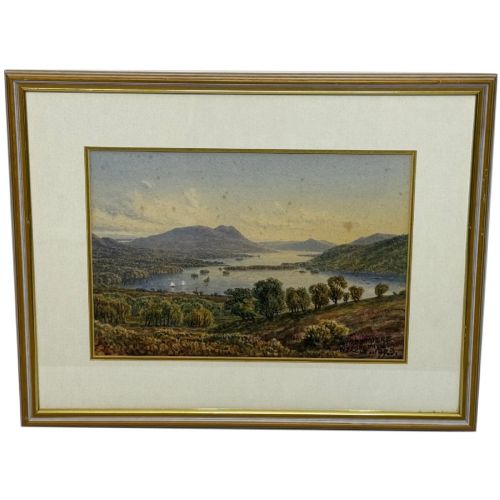
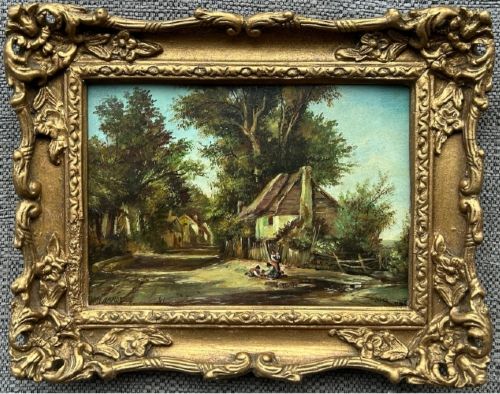
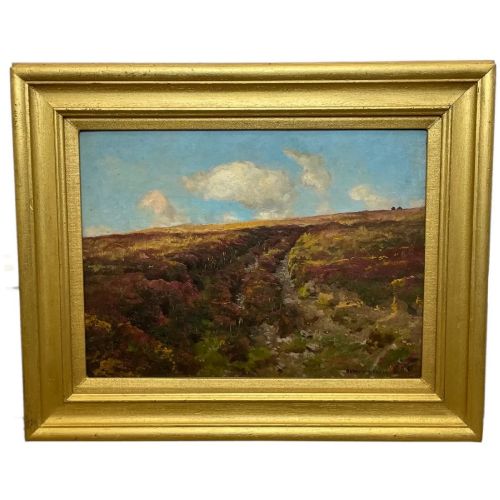
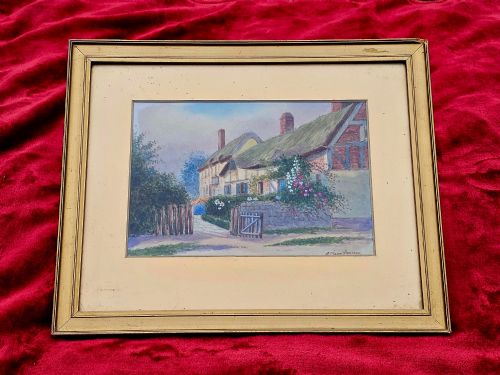
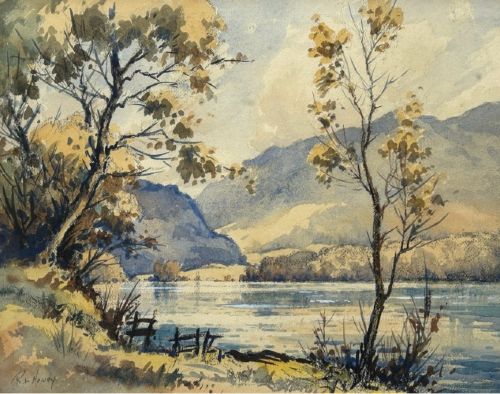
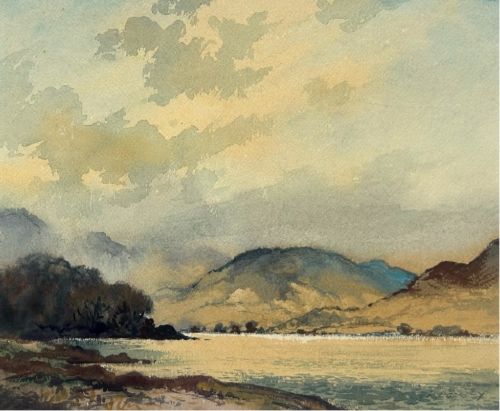
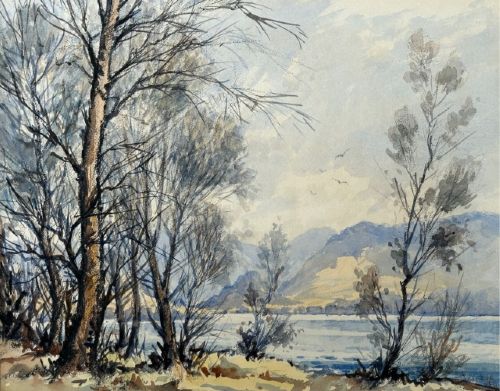
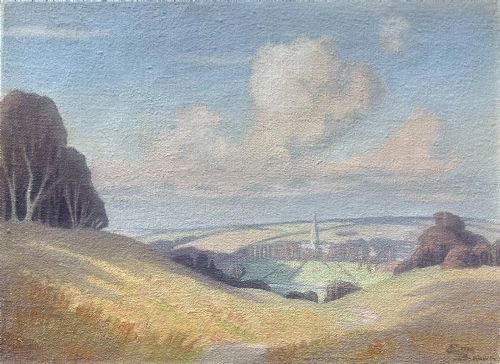
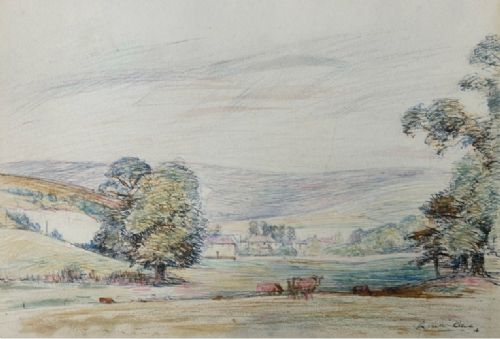
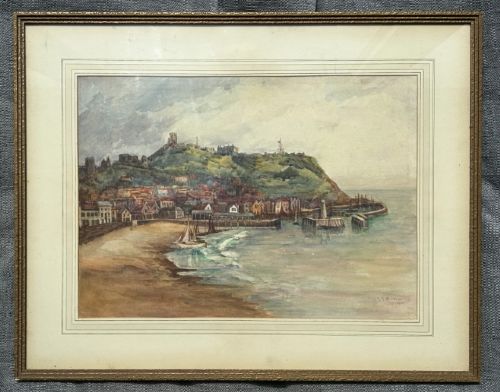
Signed english landscape art comprises original paintings and works on paper created by British artists, depicting rural scenes, rivers, coastal views and rural architecture. These pieces span from the late nineteenth century through the Edwardian period and into the mid-twentieth century.
Buyers encounter works featuring regional English topography, including Yorkshire dales, Lake District lakes, Cornish harbours and southern farmland. The collection includes both intimate watercolours on paper and larger oil paintings executed on canvas, wood panels and boards.
How They Were Made
Artists utilised traditional painterly mediums, applying oil paint and watercolour pigment onto prepared supports such as stretched canvas, wood panels, millboard and heavy paper. Watercolour pigment is applied with water-soluble binders to paper, creating luminous washes and fine linear details.
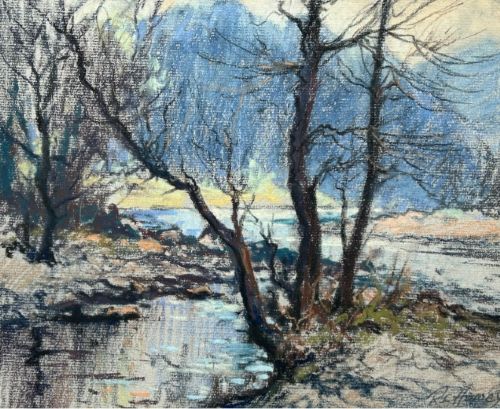
Oil paint utilises slow-drying linseed or other vegetable oils mixed with ground pigments, allowing artists to build rich impasto textures or thin, blended glazes on canvas and wood. Pastels and acrylic paints also appear on paper and board supports within later twentieth-century examples.
Listings feature works created using oil, watercolour, pastel and acrylic across canvas, paper, wood and board supports.
What Varies In Quality
Quality rests upon the artist's handling of light, atmospheric depth and spatial composition within the chosen medium. Stronger works demonstrate confident brushwork or deliberate watercolour washes that capture the specific mood of a rural or coastal view.
The physical condition of the support and pigment layer also influences the standing of a piece. Well-preserved works retain their original colour intensity and surface stability across canvas, panel and paper.
James Orrock·William Howard Hardy·Frederick Marriott·Arthur Wardle·Robert Leslie Howey·Herbert Royle·Reginald Grange Brundrit·Stanley Orchart
The Signed English Landscape Art Glossary
- Watercolour
- A painting method where water-soluble pigments are suspended in a water-based binder and applied to paper. This medium allows for transparent washes and delicate tonal gradations.
- Canvas
- A heavy woven fabric stretched across a wooden frame to provide a sturdy surface for oil painting. It is typically primed with gesso before pigment is applied.
- Impasto
- A technique where paint is laid onto a surface in thick layers that stand out visibly. This adds a tangible, three-dimensional texture to oil and acrylic paintings.
- Panel
- A flat piece of wood or prepared board used as a rigid support for paintings. Artists favour panels for their stability and smooth working surface.
- Pastel
- A dry drawing medium composed of powdered pigment and a binder rolled into sticks. Pastels produce velvety colours that sit directly on the textured surface of paper.
Signed English Landscape Art: Frequently Asked Questions
What periods do these paintings cover?
The works span from the late nineteenth century through the Edwardian era and into the mid-twentieth century. Artists recorded changing rural and coastal scenes across these decades.
Styles shift from Victorian pastoral views toward early twentieth-century British modernism and mid-century interpretations.
How do I identify watercolour from oil?
Watercolours are painted on paper supports, often showing translucent washes of pigment beneath glass within a framed presentation. The paper grain usually remains visible.
Oil paintings utilise canvas, wood panels or boards as supports, featuring heavier pigment layers that sit on the surface without requiring protective glass.
Where were these landscape scenes painted?
Subjects focus on distinct English regions including the Yorkshire dales, the Lake District in Cumbria, coastal harbours in Cornwall and Yorkshire, and southern farmland.
Artists worked both en plein air and within studios to record specific local topography and rural architecture.
How should I display and care for these artworks?
Works on paper require framing behind glass with acid-free mounts to protect the delicate watercolour pigments from moisture and ultraviolet light. Oil paintings on canvas or panel benefit from stable indoor humidity away from direct sunlight.
Both types should be kept clear of heat sources to preserve the structural integrity of the supports and pigments.