




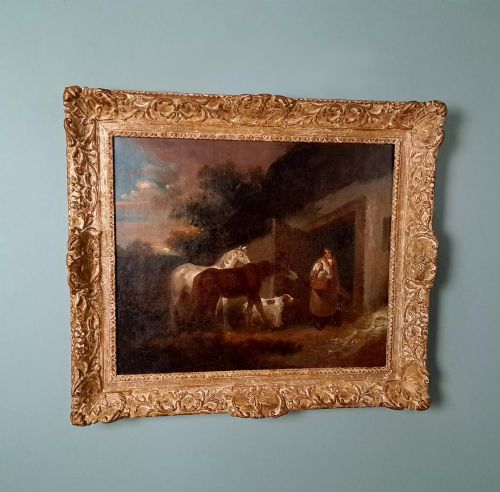
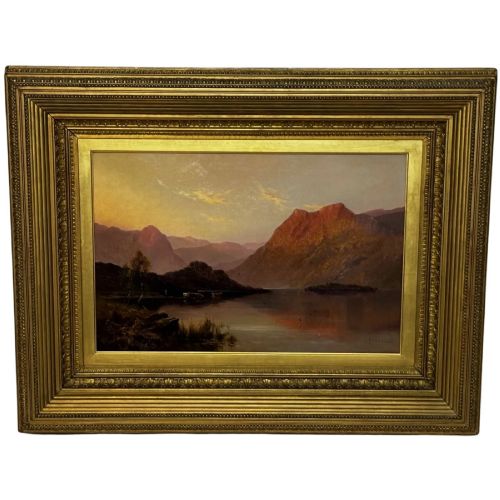
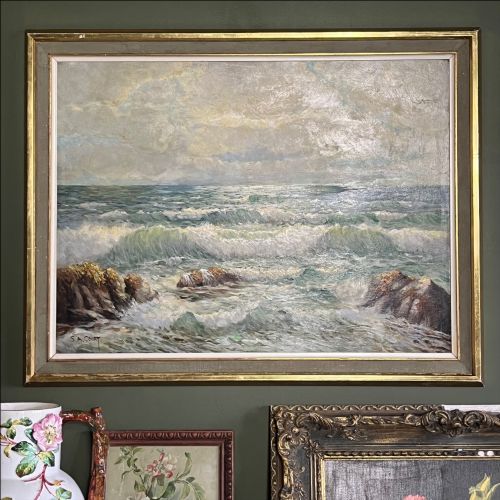
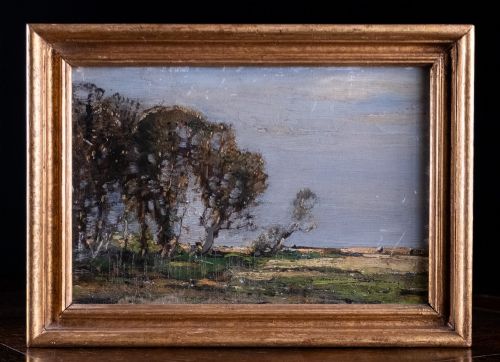
Original British Landscape Oil
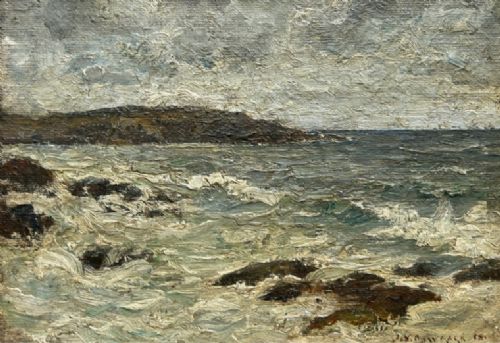
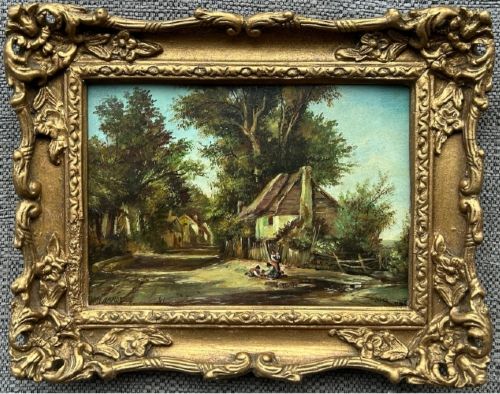
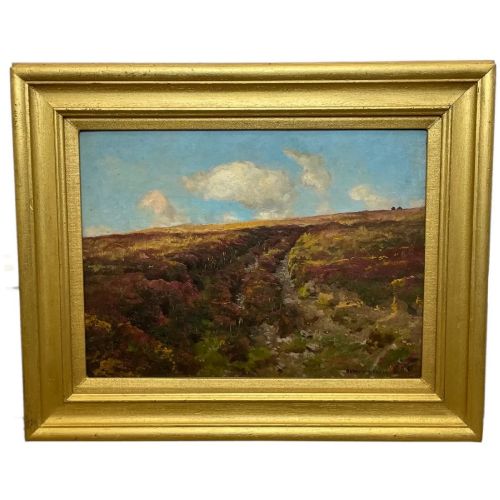
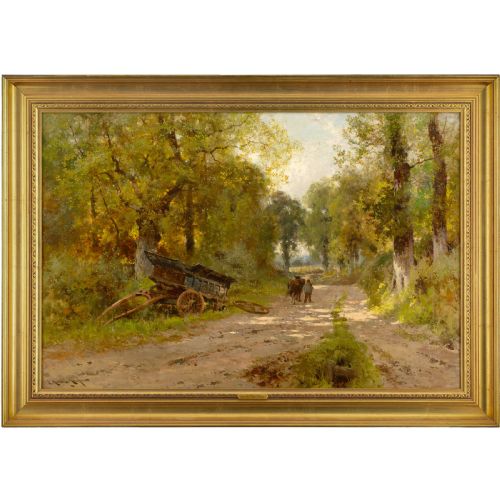
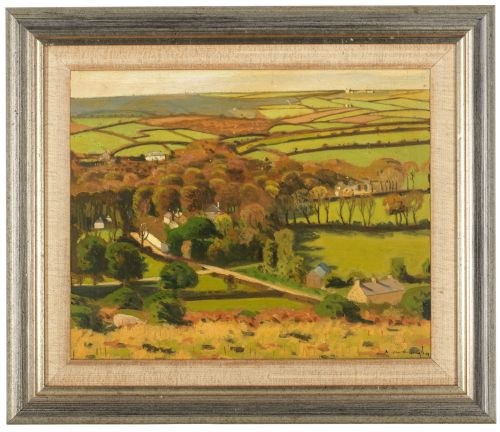
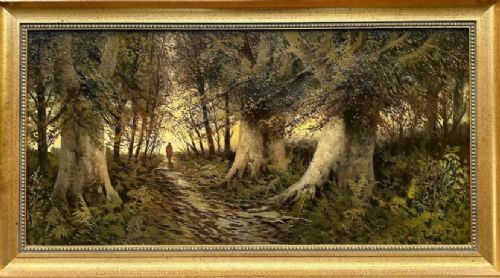
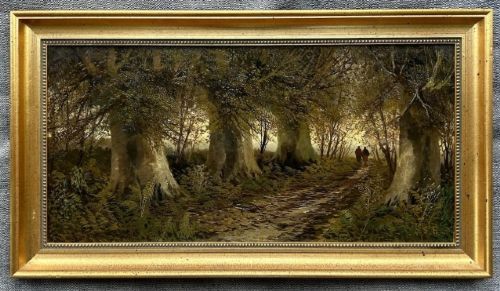
These original british landscape oil works capture the topography, coastlines and rural scenes of the British Isles through historic and mid-century painting traditions.
Original British Landscape Oil
An original british landscape oil depicts rural valleys, coastal waters, rivers and country towns across canvas, wood panel and board supports. These artworks record the changing light and terrain of regions from the Scottish Highlands down to the south coast of England.
The selection ranges from nineteenth-century Victorian and pastoral compositions through to early twentieth-century impressions and mid-century Modern British interpretations. Buyers encounter signed works by named artists alongside pieces attributed to regional British Schools.
How They Were Made
Artists applied oil paint using traditional bristle brushes and palette knives, building up layers of pigment upon primed canvas, wooden panels or thick boards. Many Victorian and early twentieth-century painters worked en plein air directly outdoors to capture natural light before finishing details in the studio.
Substrates often include stretched canvas, oak panels and board, sometimes framed with original gilt mouldings. The physical application varies from smooth, blended brushwork to thick impasto textures that give a tangible relief to foliage, water and skies.
Listings feature works spanning the nineteenth century, Victorian era, and through the 1920s, 1950s, up to contemporary British pieces.
What Varies In Quality
Compositional balance and spatial depth separate standard topographical records from masterly landscape paintings. Superior works demonstrate a confident command of light, atmosphere and perspective that draws the viewer into the painted scene.
The handling of the medium itself determines distinction, with skilled artists achieving nuanced tonal shifts in skies and water. Preservation of the original paint surface and framing also contributes to the standing of any given piece.
Tom Campbell·Clifford Hanney·William Howard Hardy·Frederick Marriott·Arthur Wardle·John Horace Hooper·William Joseph Shayer Senior·Alfred Fontville de Breanski Jr·Sidney A Court·Robert Morson Hughes·Thomas W Lascelles·David Bates·Benjamin Barker of Bath·Lucy Pratt·Clive Browne·Peter Brannan·Francis Moltino·James Fry·Ethel Sands·Cyril Walduck Edwards·Eric Brown·Ernest Higgins Rigg·Peter Newcombe·John Hodgson Lobley·Ferdinand E Grone
The Original British Landscape Oil Glossary
- Impasto
- Paint applied thickly to a canvas or board, standing out in relief from the plane. This technique adds tactile depth and catches light across painted surfaces.
- En plein air
- The act of painting outdoors to directly observe the landscape and shifting effects of natural light. Practitioners of this method often completed works in a single session.
- Panel
- A rigid support made of wood used by artists instead of stretched canvas. Oak and mahogany boards were common choices for historic oil paintings.
- Gilt
- A thin layer of gold leaf or gold paint applied to wooden frames. This decorative finish enhances the presentation of antique oil paintings.
- British School
- A designation applied to works by unidentified artists active within Britain during a specific period. These pieces reflect regional styles and painting standards of their era.
Original British Landscape Oil: Frequently Asked Questions
How do I date an antique oil painting?
Dating relies on examining the stretcher frames, canvas preparation, pigments and the style of clothing or architecture depicted in the scene. Maker signatures and exhibition labels on the reverse also provide reliable chronological markers.
Material analysis of the wood panels and nails used in older frames helps confirm the era of production. Stylistic shifts between Victorian pastoralism and mid-century modernism further narrow down the decade.
What is the difference between board and canvas?
Canvas consists of woven fabric stretched tightly across a wooden frame, offering slight give and a textured weave beneath the paint. Board provides a rigid, flat surface made from wood or compressed material that resists punctures.
Artists working outdoors often preferred wooden panels or boards for durability during travel. Canvas remained the standard choice for larger studio compositions throughout the nineteenth and twentieth centuries.
How should I care for an oil painting?
Display paintings away from direct sunlight, high humidity and sudden temperature fluctuations that can cause paint to crack or wood panels to warp. Dust the surface gently with a soft, dry brush without applying pressure.
Avoid using water, chemical cleaners or damp cloths on the painted surface or gilt frames. Professional conservators should handle any deep cleaning or structural repairs.
Are these paintings all original works?
The inventory consists entirely of original hand-painted artworks created directly by artists rather than mass-produced prints or mechanical reproductions. Each piece records the individual brushstrokes and artistic decisions made during its creation.
Signatures, artist ciphers and distinctive pigment layers distinguish these unique pieces from later copies. Archival records and stylistic attribution help verify their authenticity.