




Framed Pastoral Oil Artwork
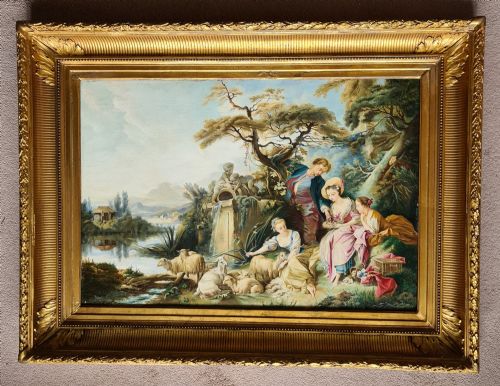
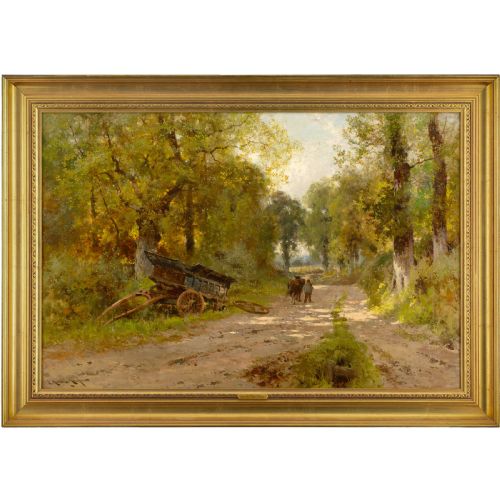
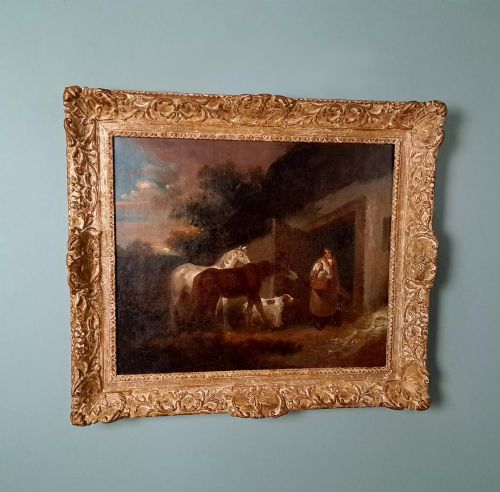
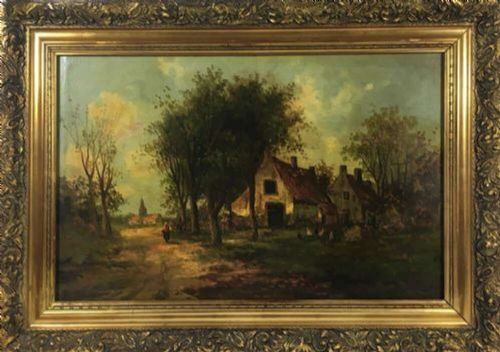
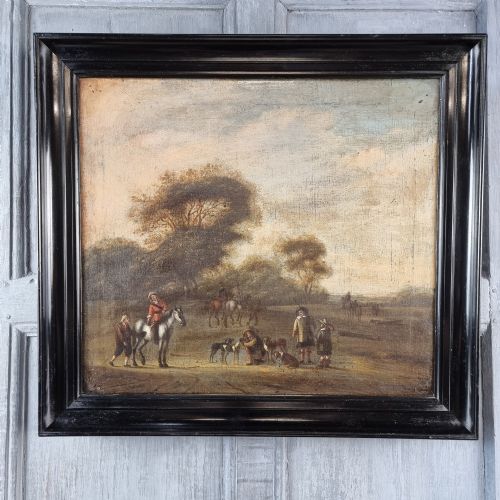
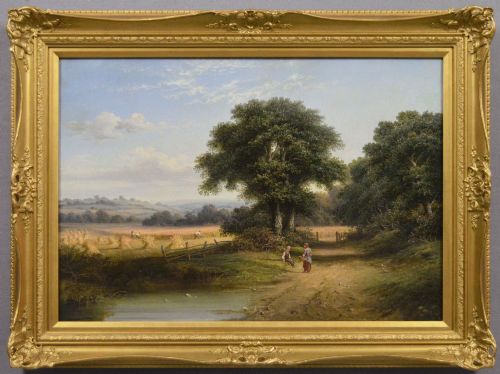
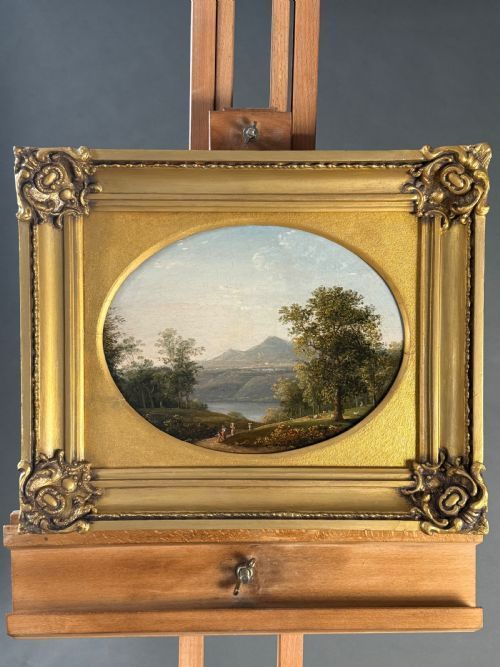
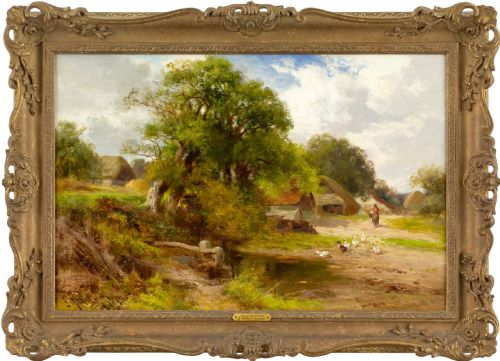
Framed pastoral oil artwork captures rural life, quiet valleys and farm animals, bringing a lasting sense of the countryside into a room.
Framed Pastoral Oil Artwork
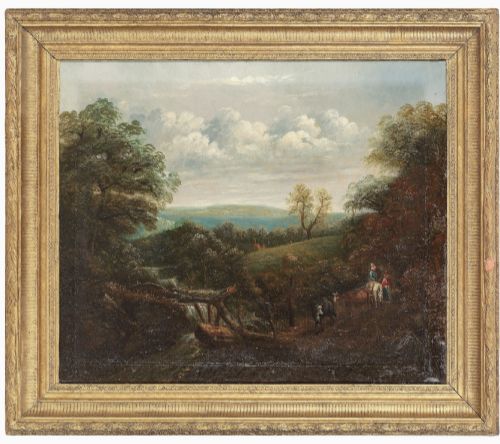
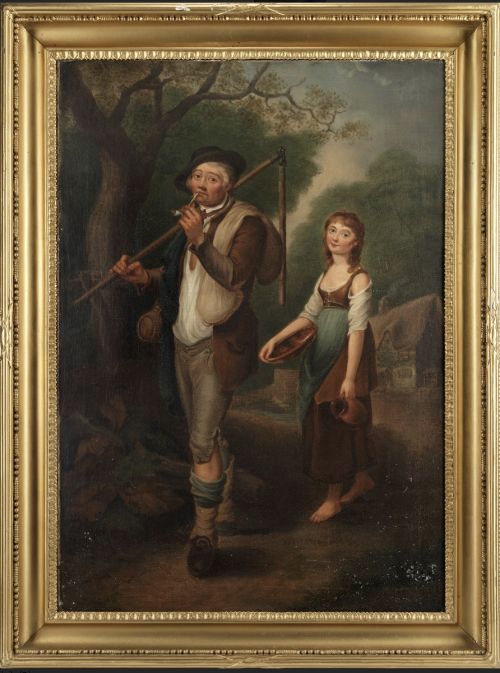
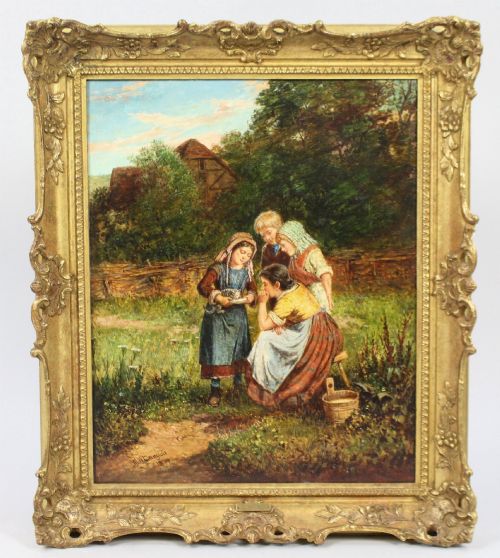
A framed pastoral oil artwork brings together rural scenes, farm animals and figures within landscapes, spanning periods from the seventeenth century through to the early twentieth century. Buyers seeking framed pastoral oil artwork encounter works created across Britain, France, Germany and Italy, taking in styles such as Victorian Realism, British Impressionism and Grand Tour compositions.
Most pieces met on this page date from the nineteenth century, reflecting the era's strong appetite for rural tranquility and depictions of livestock, shepherds and harvest fields. These paintings appear in various forms, from large canvases of highland cattle and sheep to smaller oil on board panels depicting rustic cottages and country paths.
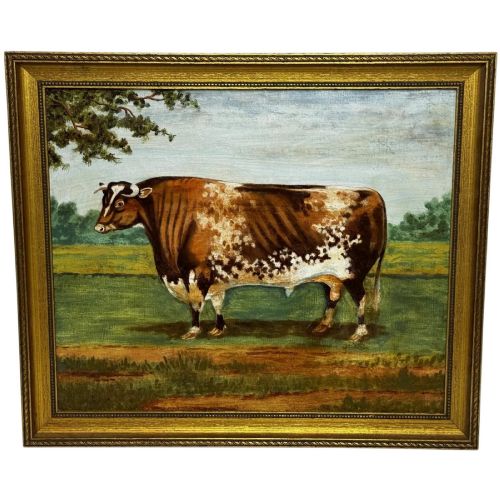
The subjects range from tranquil river views and woodland clearings to detailed portraits of prize livestock like shorthorn bulls. Alongside original works by named artists, the selection includes pieces by followers and copyists working after established painters such as François Boucher and Jan Miel.
Materials and methods
These works rely primarily on oil paint applied to canvas or wood panels, utilising the slow-drying nature of oils to build depth in skies, foliage and animal coats. Artists worked with oil paint to capture subtle shifts in light across rural valleys, morning moods and harvest fields.
The supporting frames form an integral part of the piece, constructed from wood and finished with gesso and gilt wood. Elaborate moulding and gilding enhance the visual weight of the paintings, protecting the edges of the canvas or wood panel while framing the pastoral scene.
The selection includes British, French, Flemish and Italian schools, encompassing Barbizon influences and Grand Tour landscape traditions.
Distinctions in quality
Quality rests upon the artist's ability to render light, texture and anatomical proportion, particularly in paintings featuring livestock and figures. Superior works display confident brushwork and accurate perspective that bring depth to the rural landscape.
The execution of the surrounding frame contributes significantly to the overall integrity of the piece. Period frames finished in original gesso and gilt wood demonstrate craftsmanship that matches the artistic standard of the canvas within.
Eugène Verboeckhoven·William H Myers·John Horace Hooper·William Joseph Shayer Senior·Thomas Sidney Cooper·George Morland·John Emms
The Framed Pastoral Oil Artwork Glossary
- Oil on Canvas
- Pigments bound in a drying oil applied to a stretched woven fabric support. This combination allows for rich blending and varied brush textures.
- Giltwood
- Wood carved and coated with a thin layer of gold leaf or metallic powder. It provides a reflective, ornate border common in period frames.
- Gesso
- A paint mixture consisting of a neutral binder mixed with chalk, gypsum or pigment. It serves as a smooth preparation layer on wooden frames before gilding.
- Pastoral
- A genre of art idealising rural life, shepherds, rustic scenery and agricultural labour. These compositions focus on peaceful natural settings.
- Grand Tour
- A traditional trip of Europe undertaken by upper-class Europeans to accumulate art and culture. Paintings from this context often depict Italian landscapes.
Framed Pastoral Oil Artwork: Frequently Asked Questions
How do I hang a heavy framed oil painting safely?
Heavy oil paintings require sturdy fixings screwed directly into wall studs or masonry rather than standard plaster hooks. Using two hanging points distributes the weight evenly and keeps the frame level.
Ensure the picture wire or D-rings on the back of the frame can support the total weight of the canvas and giltwood surround. Position the artwork at eye level to best appreciate the detail within the pastoral scene.
Where should I display pastoral oil paintings at home?
Display these artworks away from direct sunlight and strong heat sources such as radiators to prevent the oil paint and canvas from drying out or cracking. Stable room temperatures help preserve the integrity of both the painting and its original gesso frame.
Rooms with moderate indirect light, such as studies, living rooms or hallways, provide an ideal environment. Placing the piece against a neutral wall allows the rich tones of the landscape to stand out clearly.
How can I tell a nineteenth-century pastoral painting apart from later copies?
Examine the back of the canvas or wood panel for signs of age, including oxidised staples, handmade stretchers, old framer labels and patinated wood. Nineteenth-century canvases often show natural ageing in the oil paint layer through fine craquelure.
Compare the style of brushwork and pigment composition with documented works from the period. Signatures and inscriptions on the reverse can also provide clues to the artist and date of creation.
What is the difference between oil on canvas and oil on board?
Oil on canvas involves painting on a flexible woven fabric stretched over a wooden frame, which absorbs brush pressure and allows for large-scale compositions. Canvas has a characteristic woven texture that influences how light reflects off the painted surface.
Oil on board utilises a rigid wooden panel or stiff card as a support, providing a completely smooth surface without weave interference. Board supports were frequently used for smaller outdoor studies and plein air pastoral works.