




19th Century Classical Statue
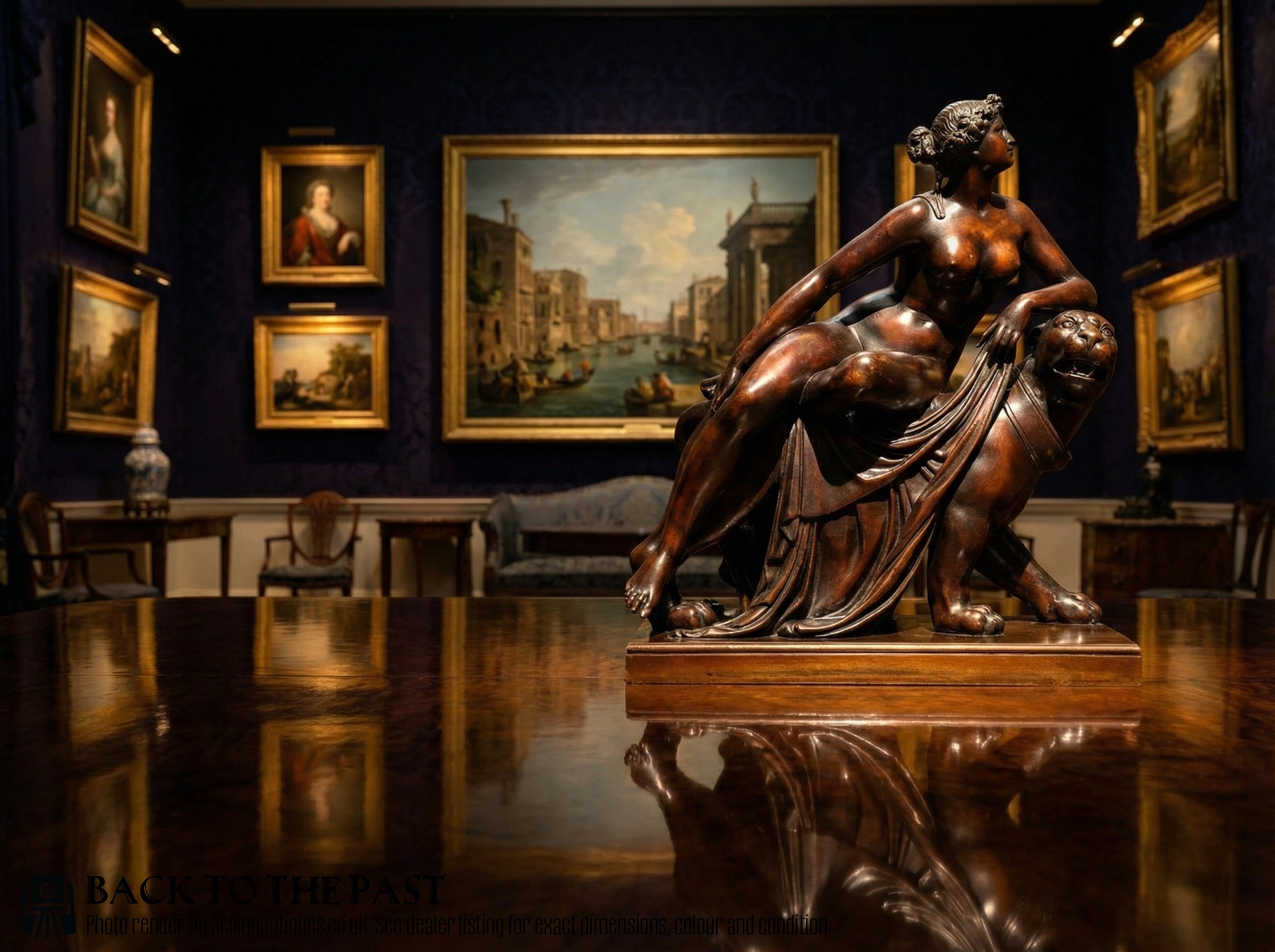
A 19th century classical statue brings the grandeur of antiquity directly into a room, offering enduring mythological figures and ancient ideals cast in bronze or carved from marble.
19th Century Classical Statue
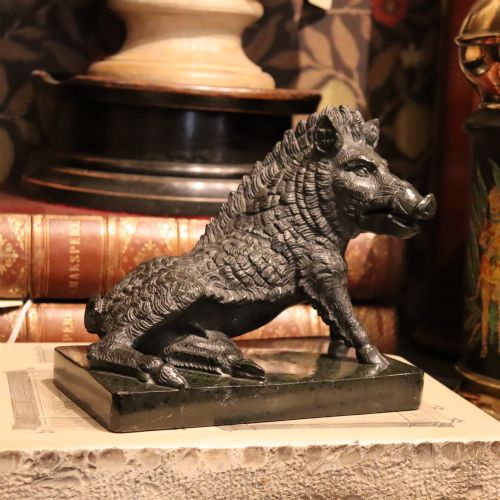
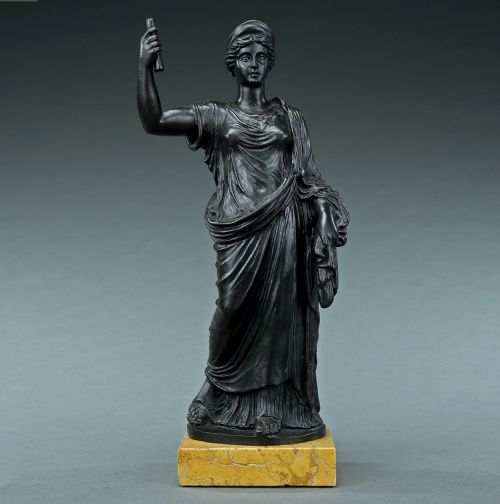
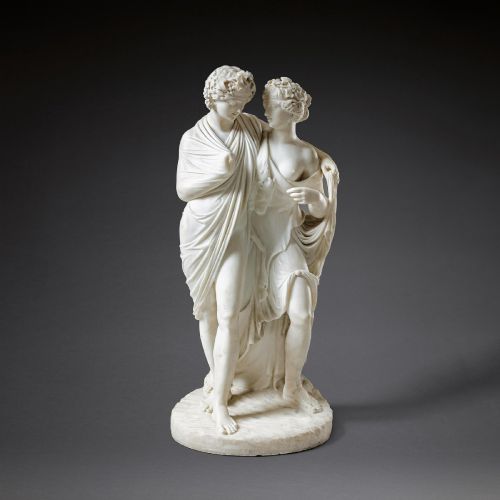
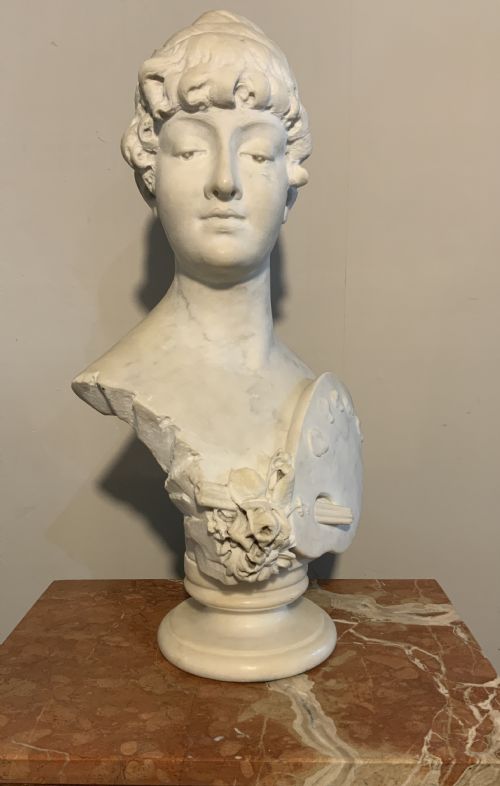
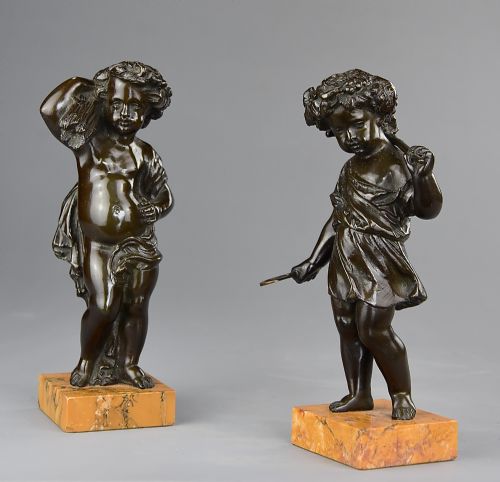
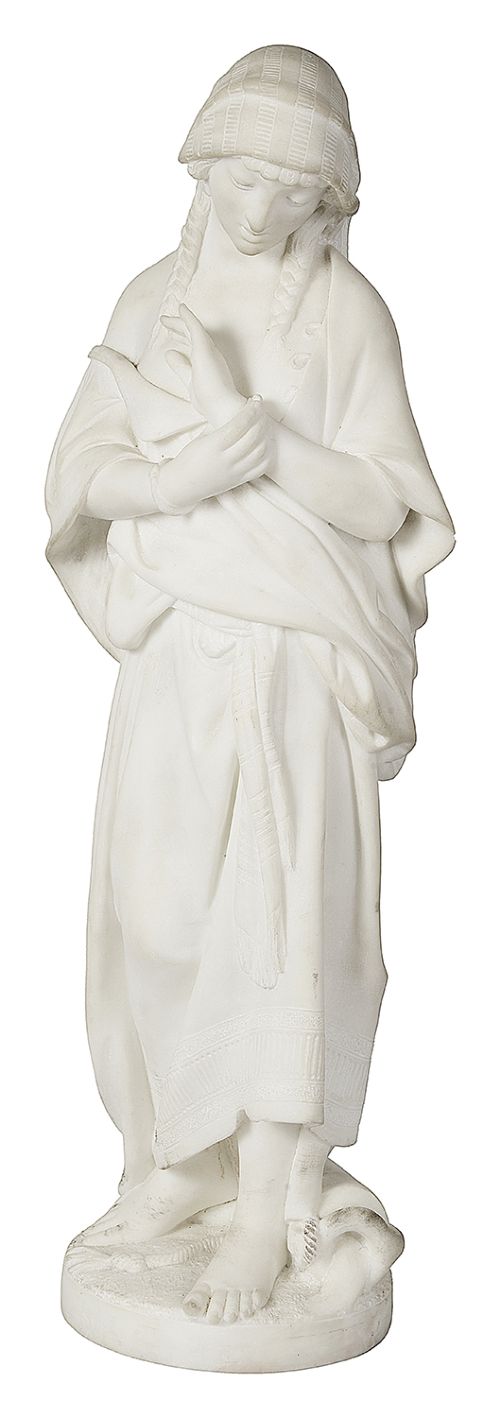
A 19th century classical statue draws heavily upon Greek and Roman mythology, ancient sculpture, and Grand Tour traditions. These works range from small souvenir bronzes and portrait busts to large figures of deities, heroes, and allegorical subjects.
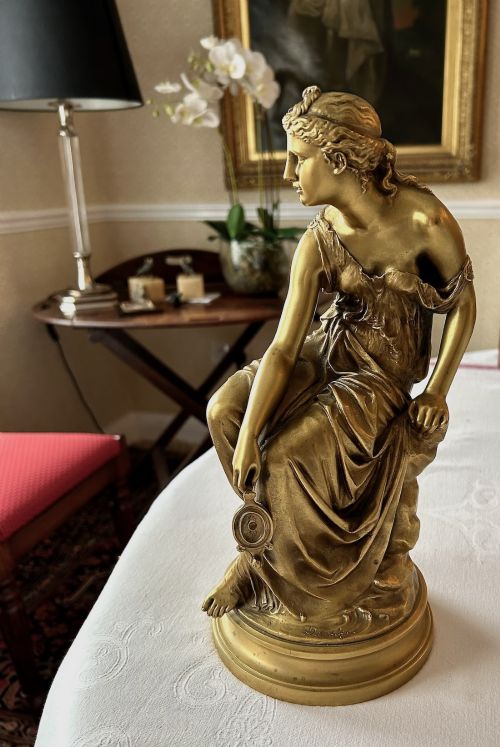
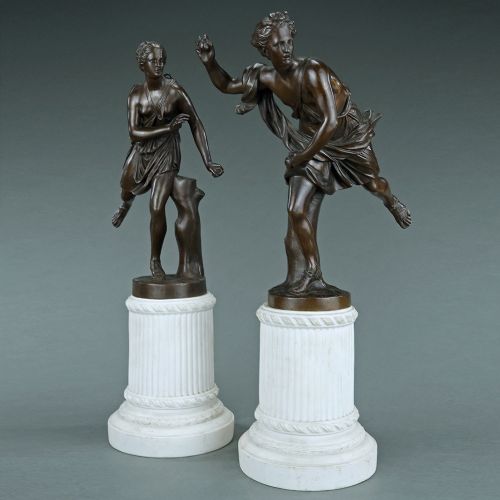
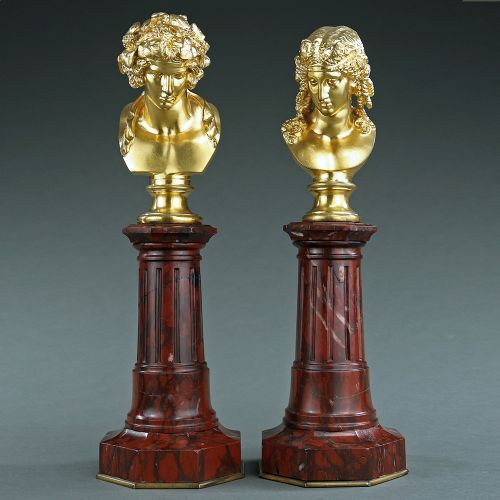
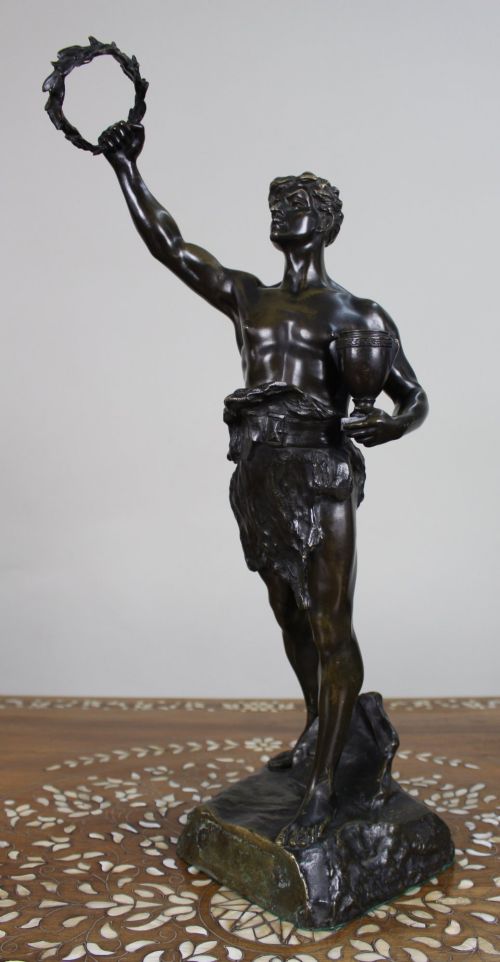
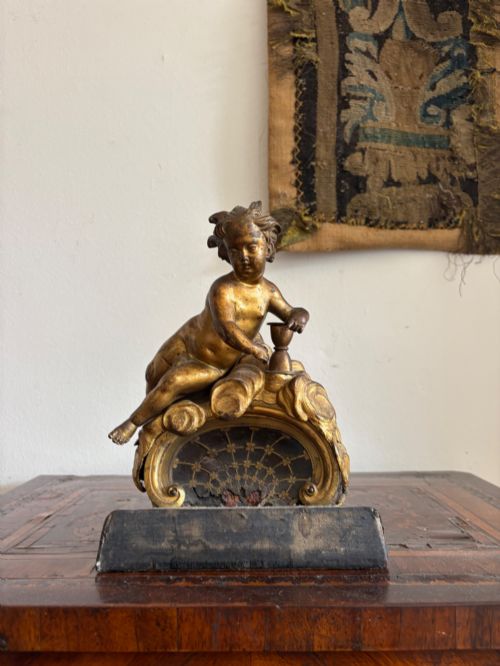
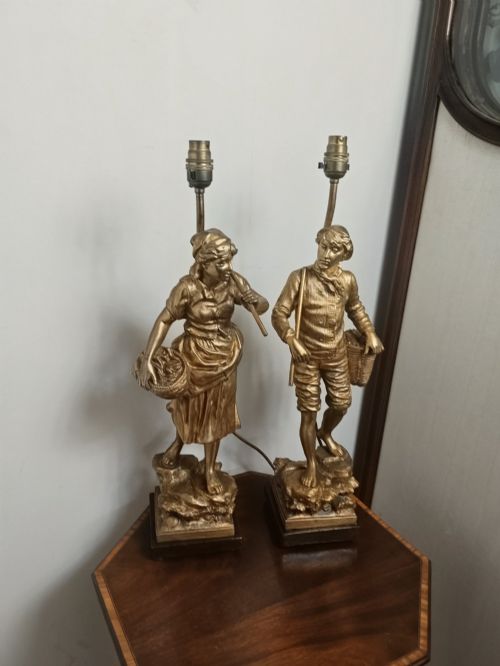
On this page, buyers frequently encounter French and Italian foundry casts, carved marble representations, and patinated or gilt bronze figures produced across the Victorian era. Subjects span from mythological dancers and philosophers to lions and putti.
Such pieces served historically as scholarly mementos, decorative table ornaments, and grand interior statements for collector homes. Today, they function as focal points in period interiors and classic studies.
How They Were Made
Sculptors carved marble, alabaster, and serpentine by hand using historical exemplars, often completing works in Italian workshops for the international travel market. Bases frequently incorporated contrasting materials such as fossil marble or verdo prato to anchor the stone and bronze forms.
Even ancient gladiators and philosophers occasionally found themselves reduced to charming desk ornaments for Victorian scholars.
What Varies In Quality
Material selection and base preparation also distinguish individual examples, particularly in Grand Tour souvenirs where dense marbles and hand-applied patination indicate higher workshop standards.
Etienne-Henri Dumaige·Ferdinand Barbedienne·Carlo Albacini·Claude Michael Clodion·Barranti Florence·E Rousseau·Moreau Family·Giambologna·Hamo Thornycroft·Émile Louis Picault·Antonio Canova·Mathurin Moreau
The 19th Century Classical Statue Glossary
- Grand Tour
- A cultural journey undertaken by wealthy young Europeans to view classical antiquities, resulting in the acquisition of small-scale bronze and marble souvenirs.
- Lost-wax casting
- A metal-casting method where a molten metal is poured into a mould that has been created by means of a wax model, allowing for intricate surface detail.
- Patination
- The process of treating a metal surface with chemicals and heat to produce a stable coloured oxidation layer, enhancing depth and visual texture.
- Parian
- A fine-grained porcelain resembling white marble, developed in Victorian Britain and frequently utilised for classical figural groups and portrait busts.
- Verdo prato
- A dark green decorative marble commonly employed for architectural elements, tabletop surfaces, and sculptural bases during the nineteenth century.
19th Century Classical Statue: Frequently Asked Questions
What is a Grand Tour statue?
A Grand Tour statue is a souvenir piece acquired by travellers visiting classical sites in Italy during the nineteenth century. These reductions of famous ancient sculptures were cast in bronze or carved in marble for home display.
They allowed collectors to bring classical antiquity and academic prestige back into their private drawing rooms and studies.
How do I identify bronze patination?
Patination involves the intentional colouring of the metal surface through chemical treatments, producing tones from dark brown to deep green. Nineteenth-century founders applied these layers to simulate ancient weathering and highlight sculptural contours.
Examining the depth and consistency of the tone reveals whether the finish aligns with period workshop practices.
How are marble figures distinguished from alabaster?
Marble is a hard, crystalline metamorphic rock capable of taking a sharp, enduring polish and handling fine anatomical carving. Alabaster is a softer stone with a translucent quality that diffuses light differently across the surface.
Touch and translucency offer the primary visual indicators when separating the two materials.