


19th Century Bronze Group
A 19th century bronze group brings multi-figure sculptural drama into a room, capturing mythological scenes or wild animals with exceptional metalwork detail.
19th Century Bronze Group
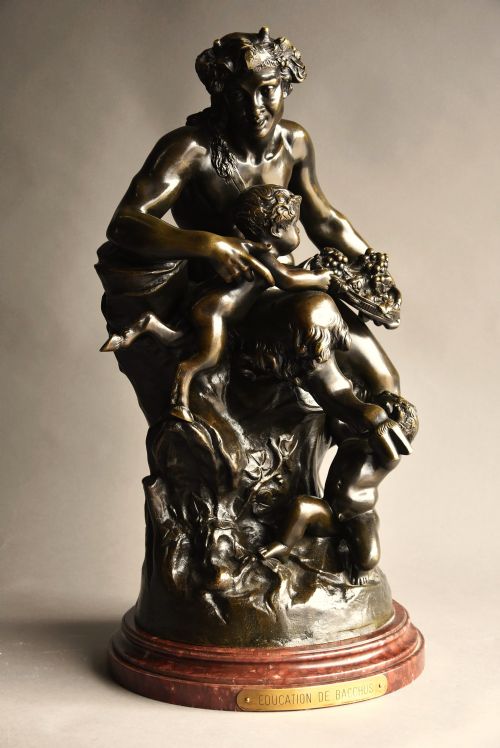
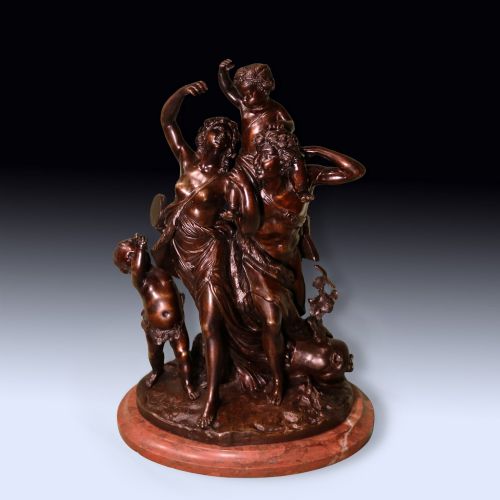
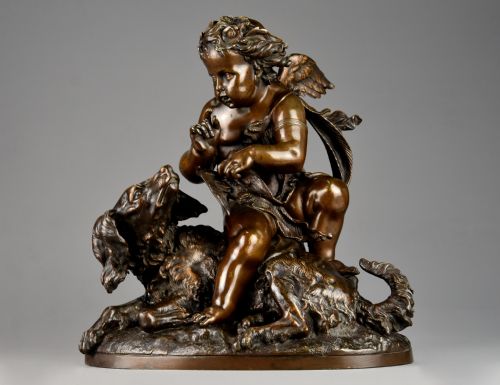
When searching for a 19th century bronze group, collectors look at multi-figure compositions depicting classical mythology, human figures, or wild animals interacting within a single scene. These works range from mythological bacchalian revels and putti playing with grapes to animalier studies of tigers, elephants, and hunting dogs.
French workshops produced the majority of these pieces, heavily influenced by neoclassical and rococo revival styles, alongside distinct animalier bronzes and Meiji period Japanese works. Buyers frequently encounter subjects after classical sculptors like Clodion or created by named artists such as E. Drouot and P. J. Mene.
The objects typically take the form of freestanding sculptures, pairs of decorative groups, or pieces mounted onto marble pedestals and bases. They serve as substantial tabletop or mantel displays that anchor a room with period character.
Materials and casting methods
The primary material used is bronze, often worked with a dark patina, a rich brown finish, or occasionally silvered and cold-painted variations. These metal finishes protect the surface while accentuating the fine musculature, drapery, and textures of the figures.
Many of the finest examples are mounted onto shaped marble bases or plinths that provide stability and contrast with the dark metal. Additional supporting elements occasionally incorporate wood or maple veneer components within the broader display context.
19th Century Bronze Group Retail Price Guide 2026
Typical asking prices for 19th century bronze group among the pieces listed under this phrase on Sellingantiques today, from the lower quarter to the upper quarter. They describe what is for sale here now, not the wider market.
The documented styles span neoclassical, rococo revival, Victorian, and animalier aesthetics alongside Meiji period Japanese works.
Distinguishing quality across the range
The standard of the casting dictates the sharpness of the details, separating ordinary commercial production from masterworks where individual hairs, facial expressions, and complex drapery remain crisp and defined. Foundries that employed skilled chasers after the initial pour achieved superior surface articulation.
The depth and nuance of the patination significantly influence the visual impact of a piece, with subtle tonal variations marking out superior examples. Furthermore, the presence of a signature from a renowned sculptor or founder adds documented authority and craftsmanship to the work.
Claude Michel Clodion·E. Drouot·Auguste Moreau·G. Gardet·P. J. Mene·Alfred Dubucand·Charles Cumberworth·John Willis Good·Emile Laporte·Nikolai Lieberich·Carl Kauba·Simon Louis Boizot·Genryusai Seiya·Ferdinand Pautrot·Paul Gayrard·Pierre Lenordez
The 19th Century Bronze Group Glossary
- Bronze group
- A sculptural composition consisting of two or more figures cast together in metal. This format allows artists to create narrative tension and complex spatial interactions between the subjects.
- Animalier
- A term describing the realistic depiction of animals in art, particularly popular during the nineteenth century. Specialists in this genre focused on capturing the anatomy and movement of wildlife and domestic beasts.
- Patina
- The surface coloration and sheen developed naturally over time or applied chemically by the foundry. A dark patina is commonly found on these metal sculptures to enhance depth and definition.
- Grand Tour
- A traditional trip through Europe undertaken by upper-class scholars and collectors to acquire art and antiquities. Many cabinet bronzes and sculptural groups were purchased as souvenirs during these travels.
- Putto
- A representation of a plump, naked child, often winged, appearing frequently in classical and neoclassical compositions. These figures frequently accompany mythological deities such as Bacchus.
19th Century Bronze Group: Frequently Asked Questions
What subjects appear in these sculptures?
The compositions typically depict classical mythological scenes involving satyrs, bacchalian revellers, and putti. Other common subjects include animalier groups featuring tigers, elephants, deer, and hunting dogs in dynamic poses.
These varied themes reflect the dominant artistic interests of nineteenth-century European and Japanese foundries. Collectors find both human narrative groups and realistic wildlife studies among the available pieces.
How do I display a bronze group?
These sculptures require a sturdy surface such as a heavy sideboard, mantelpiece, or dedicated pedestal where their weight and dimension can be safely accommodated. Because many pieces feature marble bases, placing them away from high-traffic edges protects both the object and surrounding furniture.
Proper placement also ensures that the multi-angle composition can be viewed in the round. Good lighting helps accentuate the dark patina and fine details of the metalwork.
Are these pieces signed by artists?
Many examples bear the cast signature or foundry mark of the sculptor or maker on the bronze base. Signatures from notable artists add significant interest and historical context to the piece.
Unsigned works remain common, often representing quality productions from established foundries that relied on popular classical models rather than individual designer attribution.
What is an animalier bronze?
An animalier bronze is a nineteenth-century sculptural work focused specifically on the realistic portrayal of animals. Artists studied anatomy closely to capture creatures in motion or repose.
These groups frequently depict predators and prey, domestic livestock, or exotic animals such as elephants and tigers. The genre gained immense popularity across European salons and exhibitions during the period.