




Cast Bronze Wildlife Sculpture
These cast bronze wildlife sculpture pieces capture animals in striking realism, offering collectors tactile bronze forms modelled by notable animalier masters.
Cast Bronze Wildlife Sculpture
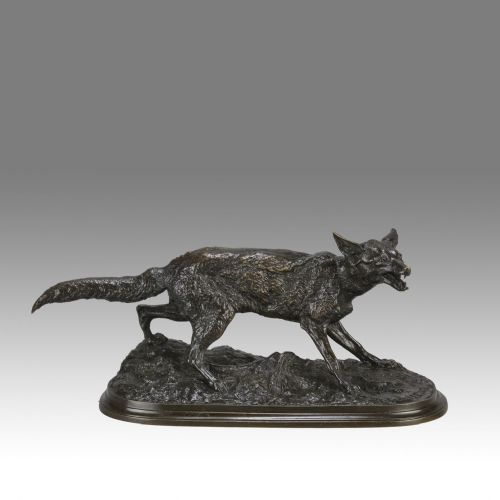
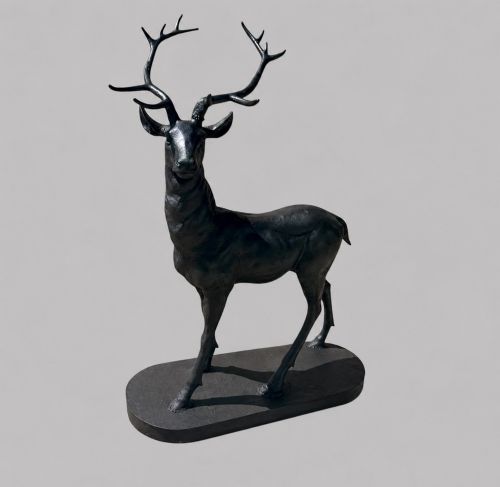
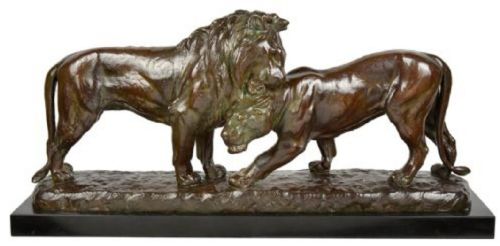
A cast bronze wildlife sculpture depicts animals such as stags, bears, lions, and birds, shaped across the nineteenth and early twentieth centuries. These figures emerge predominantly from French Animalier schools, the Austrian Vienna workshops, and Japanese Meiji period studios.
The objects appear as single figures or grouped studies mounted upon stone supports like green marble. Collectors encounter pieces that range from naturalistic depictions of hares and foxes to dramatic predatory scenes involving tigers and lions.
Assessing quality in bronze wildlife figures
Quality rests upon the precision of the casting and the sensitivity of the chasing work applied after the metal cools. Superior examples retain crisp textures in the fur and realistic anatomical tension without obscuring the maker's intended lines beneath thick patination.
The reputation of the sculptor and the standing of the foundry dictate the distinction of a piece. Works bearing the marks of established artists and skilled founders display superior proportion, balance, and surface finish.
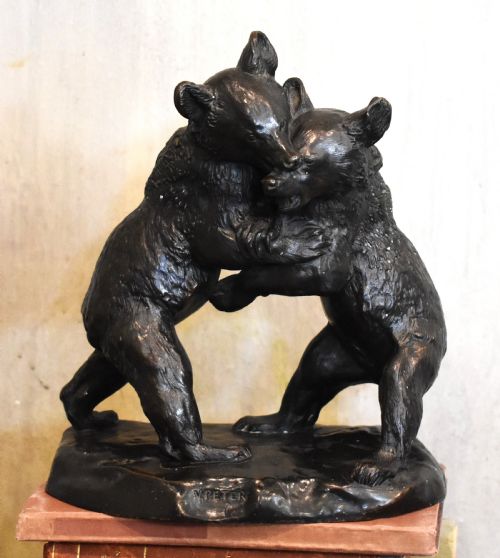
Sculptors occasionally captured fleeting moments like a sparrow perched on a branch or fighting bear cubs, freezing momentary animal mischief in heavy metal.
P J Mêne·Franz Bergman·Antoine Louis Barye·Isidore Bonheur·Jules Moigniez
The Cast Bronze Wildlife Sculpture Glossary
- Animalier
- A nineteenth-century artistic movement dedicated to the realistic portrayal of animals. Practitioners focused heavily on anatomical accuracy and dynamic movement.
- Cold-Painted Bronze
- A technique where paint is applied to a cold bronze surface rather than fired in a kiln. This method allows for vivid, varied coloration on small cabinet bronzes.
- Okimono
- A Japanese decorative sculpture designed for display on a shelf or in a tokonoma alcove. These pieces often exhibit meticulous attention to natural subjects.
- Patina
- The surface coloration achieved through chemical treatment or age on metal objects. It protects the bronze while defining shadows and highlights across the sculpture.
Cast Bronze Wildlife Sculpture: Frequently Asked Questions
How do I identify an animalier bronze?
Look for naturalistic animal subjects combined with a signature or foundry mark on the bronze base. These pieces usually date from the nineteenth or early twentieth century and emphasise realistic anatomy.
Examine the surface for a rich patina and crisp detailing in the fur or feathers. High quality works often sit upon marble plinths and reflect the distinct style of known European or Japanese workshops.
What is a cold-painted bronze?
A cold-painted bronze is a metal sculpture decorated with paint applied directly to the unheated surface. This technique gained immense popularity within Austrian workshops during the late nineteenth and early twentieth centuries.
Because the paint sits on the metal rather than fusing through heat, care is needed to prevent flaking. These colourful pieces often depict birds, reptiles, or exotic animals with vibrant realism.
Where should I display heavy bronze sculptures?
Place heavy bronze sculptures on sturdy furniture or dedicated pedestals capable of supporting substantial weight. Marble bases add significant heft, requiring stable surfaces to prevent tipping or sliding.
Keep pieces away from direct heat sources and excessive moisture to preserve the metal patina. Adequate lighting helps highlight the subtle textures and sculptural contours of the animal forms.
How do French and Japanese bronzes differ?
French animalier bronzes generally focus on dramatic interactions, predatory tension, and muscular action among mammals. Japanese Meiji period bronzes often emphasise meticulous realism, serene poses, and intricate surface detailing.
European works frequently employ dark patinas and stone bases, whereas Japanese okimono stand independently as complete studies of natural subjects. Both traditions rely on exceptional foundry casting techniques.