




Bronze Wildlife Ornament
A bronze wildlife ornament captures the natural world in metal, bringing the energy and detail of animals into your interior space.
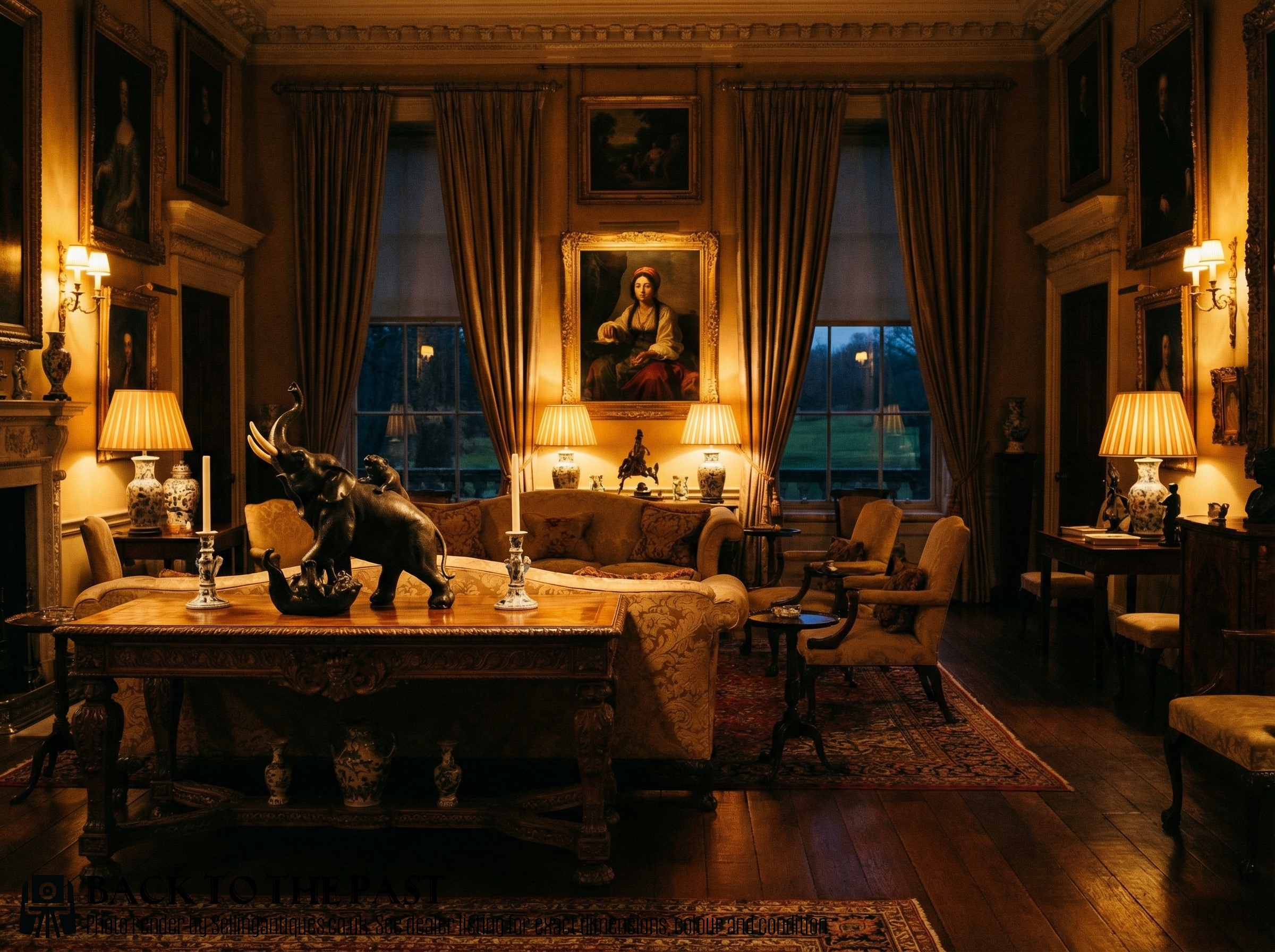
Bronze Wildlife Ornament
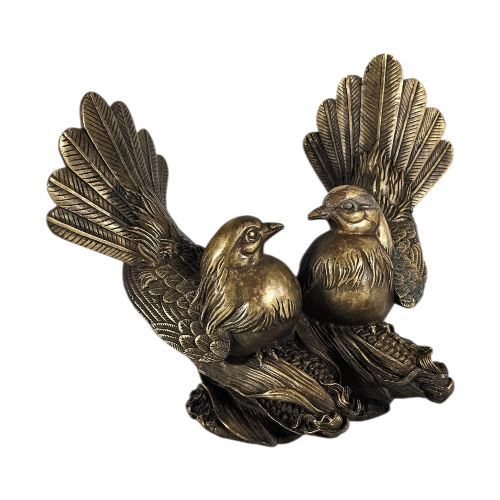
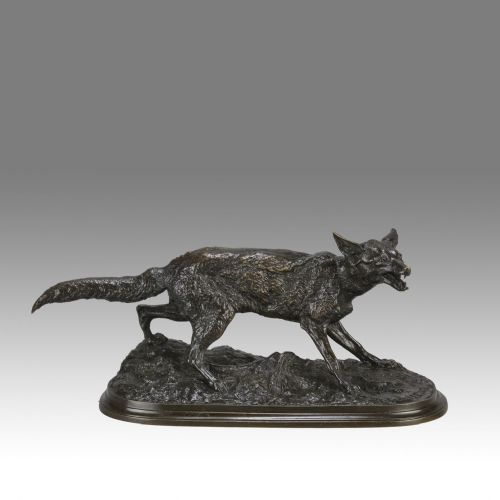
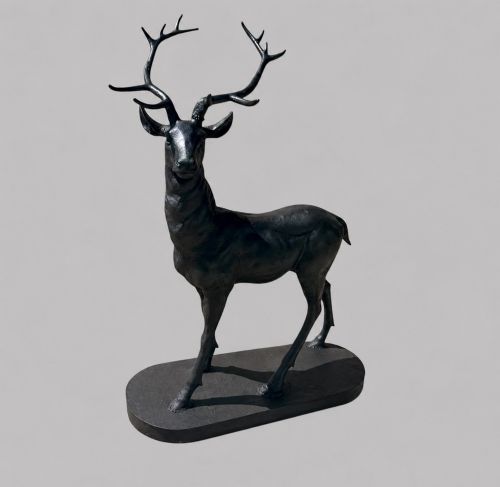
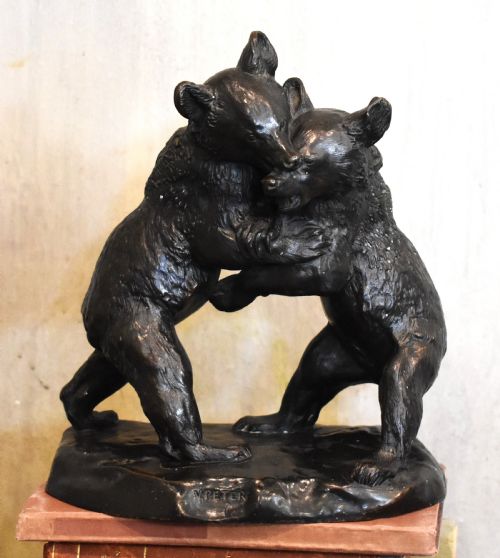
When you search for a bronze wildlife ornament, you encounter sculptural depictions of birds, bears, stags, and big cats cast during the nineteenth and early twentieth centuries. These pieces encompass European Animalier works alongside Japanese Meiji period okimono and Chinese bronzes, reflecting distinct regional approaches to naturalism.
The most frequent examples on this page are European Animalier sculptures and Japanese Meiji period bronze studies. You will find foxes, hares, elephants, and lions cast in bronze, frequently mounted on bases of marble, green onyx, or hardwood.
Originating from workshops in France, Austria, and East Asia, these sculptures range from small tabletop studies to substantial multi-kilogram groups. They document both Western anatomical observation and Eastern decorative casting traditions.
How They Were Made
These sculptures are produced using the lost-wax casting method or sand casting in bronze, which allows for intricate rendering of fur, feathers, and muscular form. Many European works receive a dark patina to accentuate surface texture and depth.
Certain Austrian pieces utilise cold-painting techniques, applying polychrome colours directly onto the cooled metal surface. Japanese and Chinese bronzes often employ elaborate patination and integrated markings, sometimes paired with carved ivory elements or mounted on shaped stone bases.
The listings on this page span the nineteenth century through the early twentieth century, incorporating French Animalier works, Japanese Meiji bronzes, and Austrian cold-painted pieces.
What Varies in Quality
The quality of the mount and the depth of the patina also define the standard. Well-chosen bases of green marble or onyx and deeply layered patination elevate the visual balance of the sculpture.
P J Mêne·Kaniya Kuniharu·Victor Peter·Franz Bergman·Paul-Édouard Delabrièrre·Clovis Masson·Antoine Louis Barye·Barbedienne·Alfred Dubucand·Louis Riche·Isidore Bonheur·I. Rochard·Jules Moigniez·Ferdinand Pautrot
The Bronze Wildlife Ornament Glossary
- Animalier
- A nineteenth-century European art movement focusing on the realistic portrayal of animals. Sculptors in this tradition observed live subjects closely in menageries.
- Cold-painted bronze
- A technique where bronze figures are painted with natural colours using ordinary paint applied to a cold metal surface. This finish requires careful handling to prevent flaking.
- Okimono
- A Japanese term for a decorative object intended for display, typically placed in a tokonoma alcove or on a shelf. These bronzes often depict wildlife subjects like elephants and bears.
- Patina
- The chemical or natural film that forms on the surface of bronze over time or through intentional treatment. A dark patina enhances the contour and shadow of the animal form.
- Chasing
- The process of hand-tooling a bronze casting after it is removed from the mould to refine details and remove casting flaws. Skilled chasing distinguishes finer sculptural editions.
Bronze Wildlife Ornament: Frequently Asked Questions
What is an animalier bronze?
An animalier bronze is a nineteenth-century sculpture depicting animals in dynamic or natural poses. These works were created by specialised sculptors who studied anatomy in zoological gardens.
They range from solitary birds to complex predatory scenes involving multiple animals.
How do I clean a bronze sculpture?
Bronze requires minimal maintenance, typically needing only a gentle dusting with a soft, dry cloth. Avoid using commercial metal polishes, which can strip the original patina.
Applying a very light coat of microcrystalline wax occasionally helps protect the surface from moisture.
What is a Meiji period bronze?
A Meiji period bronze is a Japanese metalwork object produced during the rule of Emperor Meiji. These pieces are celebrated for their exceptional naturalism and intricate surface detailing.
Common subjects include elephants, tigers, and bears rendered with high technical skill.
Why are some bronzes painted?
Cold-painted bronzes feature applied polychrome colour over the metal surface, a technique popular in Austrian workshops. This method captures the realistic plumage or markings of birds and animals.
Such pieces are kept away from direct sunlight to preserve the delicate paintwork.