



Antique Bronze Foxes
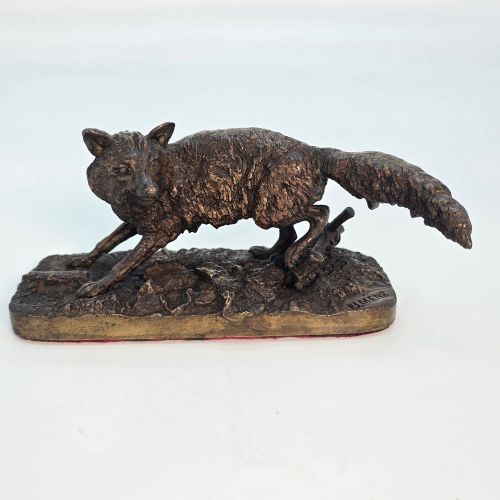
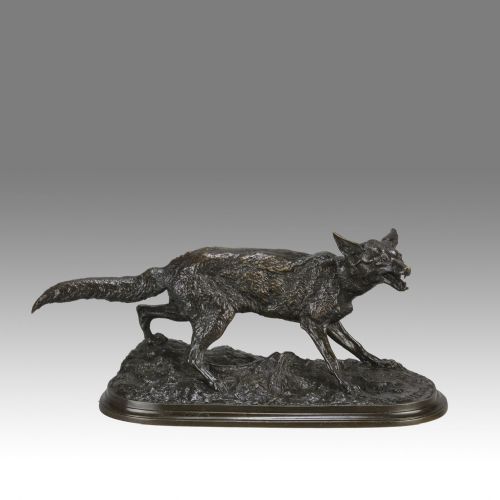
These antique bronze foxes capture wildlife with remarkable vigour, offering collectors dynamic forms rendered in patinated metal.
Antique Bronze Foxes
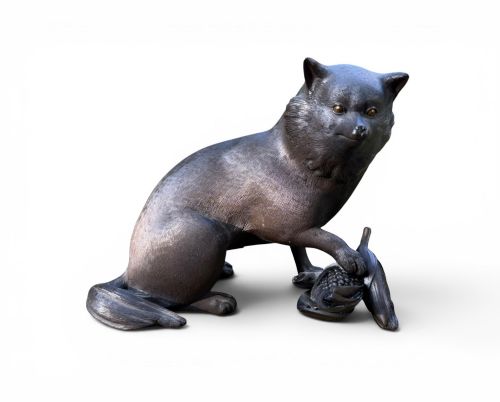
Antique bronze foxes encompass sculptural figures, desk accessories, and animalier studies produced across the nineteenth and early twentieth centuries. These works range from naturalistic depictions of wild animals to characterful desk items like novelty inkwells.
How they were made
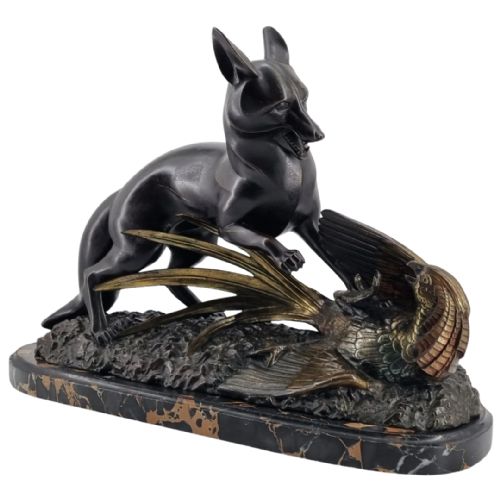
Foundries utilised traditional casting methods to shape molten bronze into intricate animal forms, often finishing the metal with dark patinas, silvering, or gilding. Certain Austrian studies employ cold painting techniques to apply colour directly onto the metal surface.
Antique Bronze Foxes Retail Price Guide 2026
Typical asking prices for bronze foxes among the pieces listed under this phrase on Sellingantiques today, from the lower quarter to the upper quarter. They describe what is for sale here now, not the wider market.
Materials across these listings include bronze, marble, green onyx, wood, silvered bronze, dark patina, gilt bronze, and bristles.
What varies in quality
Quality rests upon the precision of the casting and the fidelity of the sculptural detail, distinguishing spirited anatomical rendering from stiff or generic execution. Master bronze founders achieved subtle textures in fur and expressive alertness in posture that lesser workshops missed.
The quality of the patination and the integration of the bronze figure with its marble, onyx, or wood base further dictate the standing of a piece. Signed works associated with recorded animalier sculptors carry distinct artistic authority.
P J Mêne·Clovis Masson·John Willis Good·Cox & Sons·Isidore Bonheur
The Antique Bronze Foxes Glossary
- Animalier
- A nineteenth-century artistic movement dedicated to the realistic portrayal of animals, particularly in bronze sculpture. Practitioners focused on capturing creatures in motion or repose with anatomical accuracy.
- Okimono
- A Japanese carved or cast object designed for display on a household platform or tokonoma. These decorative figures emerged prominently during the Meiji period.
- Cold painted
- A coloration technique where paint is applied to cold bronze without subsequent firing. This method was widely used by Austrian foundries to add polychrome detail to small animal bronzes.
- Patina
- The surface sheen and coloration developed on bronze through age and chemical treatment. Sculptors also applied artificial patinas using acids during production.
Antique Bronze Foxes: Frequently Asked Questions
Where were antique bronze foxes displayed?
These figures typically decorated libraries, studies, and drawing rooms as mantelpiece ornaments or desktop conversation pieces. Desk accessories like inkwells combined decorative animal sculpture with practical office utility.
Larger animalier groups and hunting scenes occupied prominent spaces on side tables and cabinet tops within nineteenth-century interiors.
How do I identify Meiji period pieces?
Japanese Meiji period bronzes, such as okimono, display distinct cultural motifs and casting techniques characteristic of late nineteenth-century Asian metalwork. They often represent native fauna with a focus on asymmetrical balance and acute observation of posture.
These works differ significantly in aesthetic and technique from contemporary European animalier bronzes produced in France or Britain.
What is cold painted bronze?
Cold painted bronze refers to metal sculptures finished with oil or enamel paints applied directly to the unheated surface. This technique allowed makers to introduce vibrant natural colours to fur and plumage.
Because the paint was not fired into the metal, surviving examples often show delicate patination wear that reflects their age.
How should I clean bronze sculptures?
Maintenance requires gentle dusting with a soft, dry brush to prevent particulate buildup on the patinated surface. Avoid using chemical polishes, water, or abrasive cloths that can strip the original patina or damage delicate cold-painted finishes.
Keeping pieces away from direct sunlight and excessive humidity helps preserve both the bronze metal and its underlying marble or onyx mount.