
Bronze Animal Figures
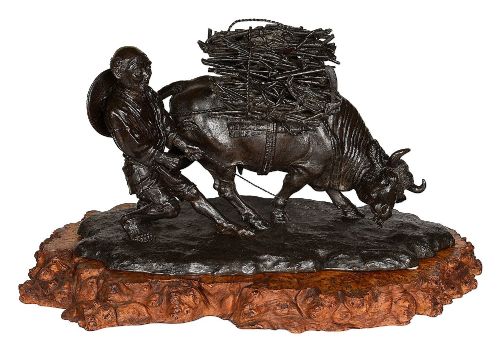
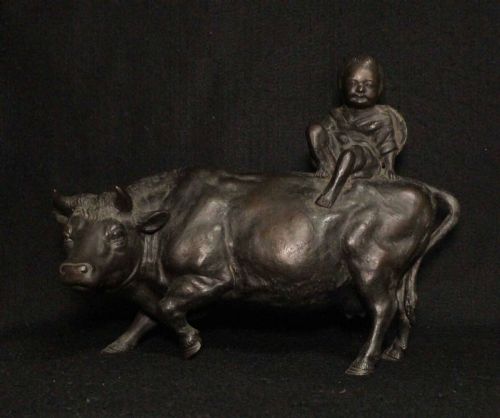
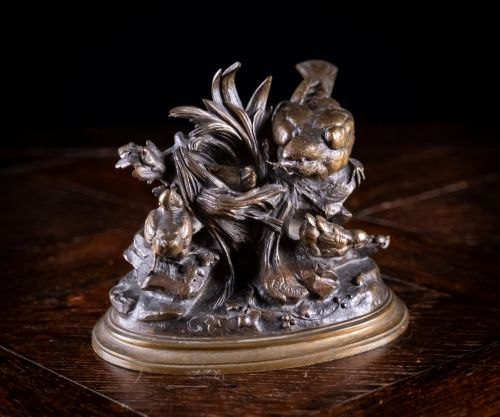
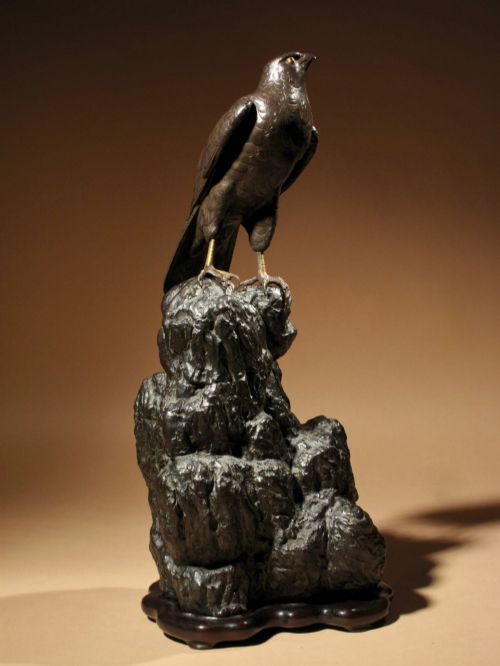
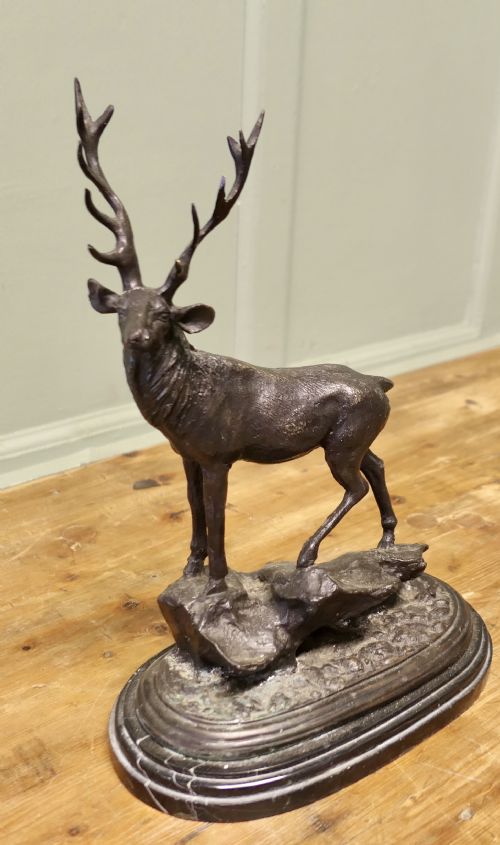
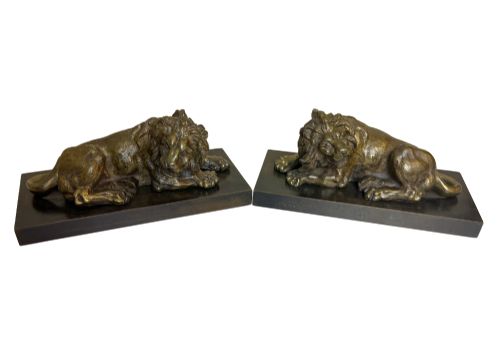
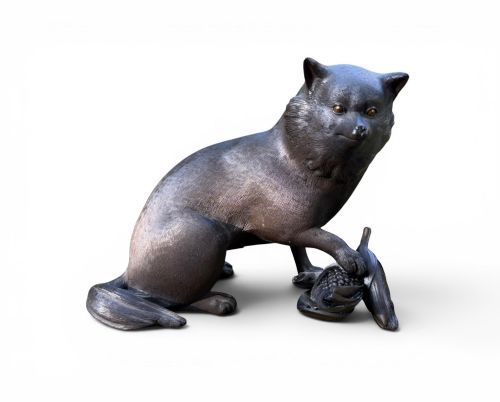
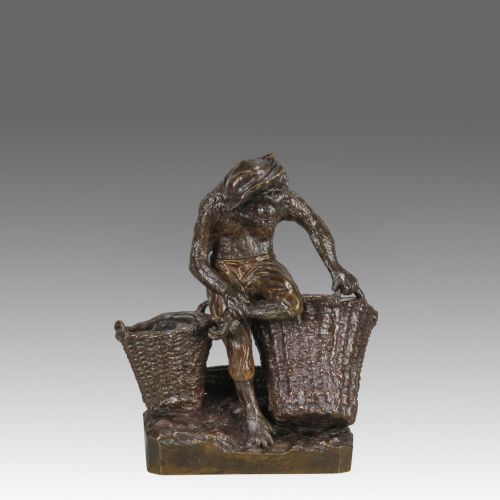
These bronze animal figures bring character and weight to a room, ranging from fierce French predators to detailed Meiji okimono.
Bronze Animal Figures
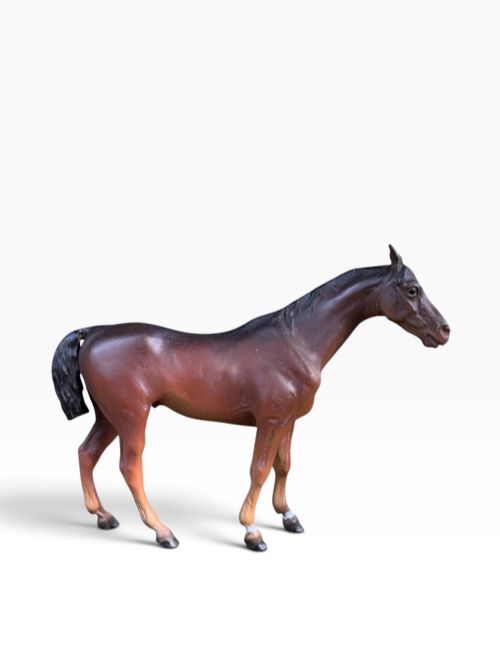
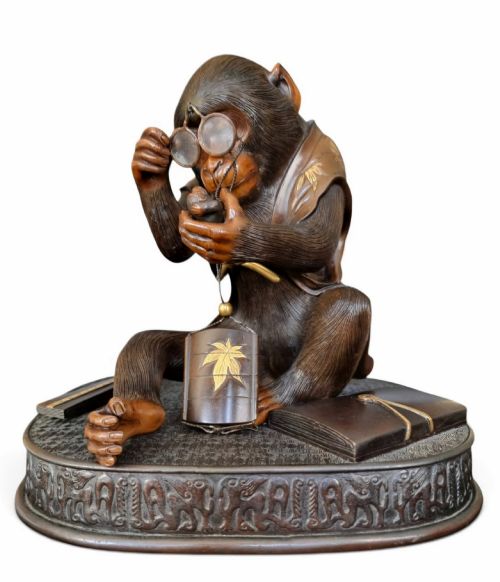
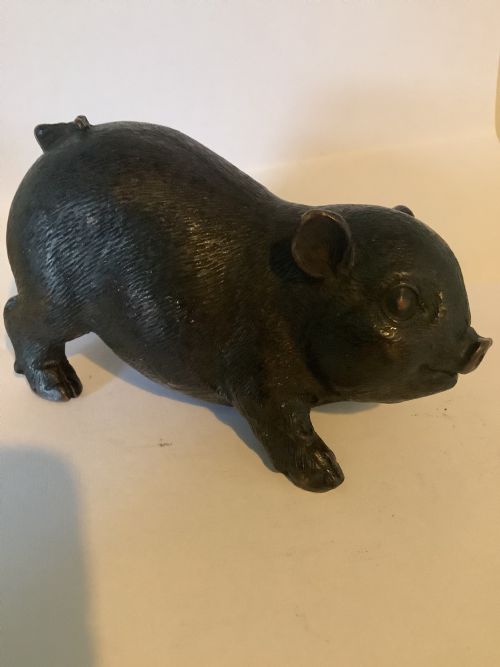
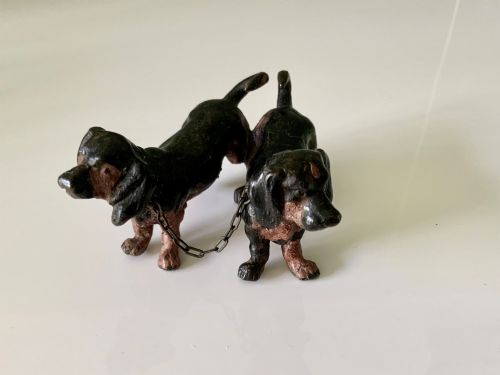
When you search for bronze animal figures, you encounter a diverse collection spanning European animalier studies and Japanese Meiji period works. The most common versions met on this page include realistic nineteenth-century French hounds, Austrian cold-painted foxes, and intricate Japanese bronzes depicting elephants, bears, and monkeys.
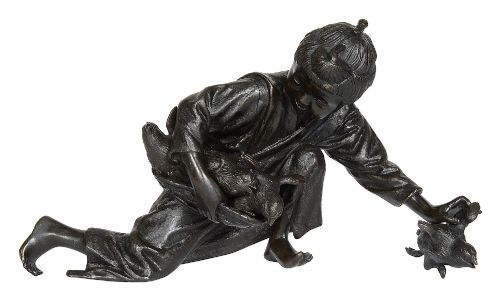
Makers ranged from European masters producing anatomical wildlife to Eastern artisans carving okimono with ivory or mixed-metal details. Forms vary from simple trade weights to substantial sculptures set upon marble or onyx plinths.
The selection reflects both Western naturalist observation and Eastern artistic traditions from the Victorian era into the early twentieth century. These pieces capture creatures in motion or repose, utilising durable metals shaped by casting and carving.
How they were made
Foundries utilised the lost-wax casting technique to capture fine anatomical details in bronze, allowing fur, feathers, and muscular tension to emerge with precision. Artisans then finished the surfaces through chiselling, patination, or the application of polychrome cold-painted enamel.
Certain Japanese and Austrian works incorporate mixed materials such as ivory tusks, bone, wood, and diamond eyes to enhance realism. Plinths of marble or green onyx frequently support the heavier European sculptures, anchoring the metal figures securely.
Listings span the nineteenth century through the Art Deco era, encompassing European animalier bronzes and Japanese Meiji period okimono.
What varies in quality
Quality rests upon the crispness of the casting and the sensitivity of the finishing hand, distinguishing lively anatomical studies from mechanical reproductions. Superior examples display subtle musculature, expressive postures, and intact cold-painted surfaces that retain their original polychrome pigments.
The integration of secondary materials like ivory, bone, or specialised patination separates standard production pieces from masterworks bearing distinct foundry marks or signatures. Furthermore, the stability and choice of the supporting marble or onyx plinth contribute to the overall presence of the sculpture.
P J Mêne·Christophe Fratin·Antoine Louis Barye·Franz Bergman·Kunio Itô·Alfred Barye·Prosper Lecourtier·Alfred Dubucand·Kaniya Kuniharu
The Bronze Animal Figures Glossary
- Animalier
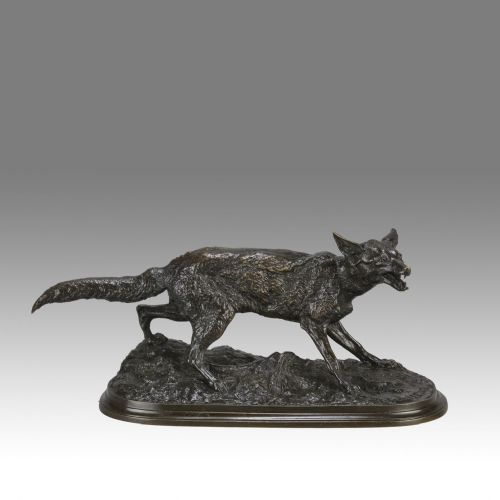
- A nineteenth-century artistic movement focused on the realistic portrayal of animals, particularly predators and horses. French sculptors popularised this genre through dynamic foundry casts.
- Cold-painted bronze
- A technique where bronze figures receive polychrome paint finishes applied without heat, popular in Vienna during the late nineteenth and early twentieth centuries. The paint often shows wear over time.
- Okimono
- A Japanese decorative object designed for display on a shelf or tokonoma, frequently depicting animals, figures, or mythical subjects from the Meiji period. These pieces often feature minute attention to natural detail.
- Opium weight
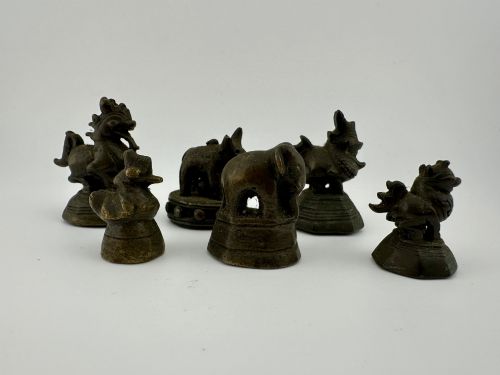
- Small cast bronze weights shaped as animals, traditionally used in Southeast trade. Burmese and Thai examples frequently take the form of mythical beasts or domestic creatures.
- Patina
- The surface coloration and sheen developed naturally through age or applied chemically by the foundry. It protects the metal and defines the shadows of the casting.
Bronze Animal Figures: Frequently Asked Questions
What is an animalier bronze?
An animalier bronze is a nineteenth-century sculpture focused on the realistic anatomy and movement of animals. These works capture creatures in dynamic poses, from hunting scenes to quiet resting forms.
Originating largely in France, the movement valued anatomical precision and lifelike textures over idealised forms.
How do I identify cold-painted bronze?
Cold-painted bronzes feature brightly coloured enamel applied directly to the metal surface without firing. You can often see subtle brushwork and wear patterns where the underlying metal shows through.
This technique was especially popular in Austrian workshops during the late Victorian and Edwardian eras.
What is a Japanese okimono?
A Japanese okimono is a standalone decorative carving or casting meant for interior display. Meiji period examples often depict animals like elephants, bears, or monkeys with high realism.
Many incorporate mixed metals, ivory, or wood to highlight natural textures.
How should I clean bronze figures?
Bronze figures require gentle dusting with a soft, dry cloth to protect the surface patina. Avoid using water, oils, or abrasive polishes which can strip the original finish or damage cold-painted details.
Keeping them away from direct sunlight and damp environments preserves the metal and any integrated ivory elements.